Search Results for: lime plaster gypsum

smooth beige plaster wall texture

Venetian Plaster Over Existing Texture: Timeline & Duration for Skim, Sand, or Remove

Introduction Planning to apply Venetian plaster over existing texture? Understanding the timeline and duration of each preparation method—skim, sand, or remove—is crucial to set realistic expectations and ensure a smooth project. Let’s break down the time commitment for each approach so you can plan your project effectively. For the full guide, see Venetian Plaster Over […]

Venetian Plaster Over Existing Texture: Timeline & Duration for Skim, Sand, or Remove Read More »

Worker smoothing wet plaster on wall with gloved hand

Sealing Clay Plaster Without Plasticizing It: Wax, Soap, and Breathable Options

Introduction Sealing clay plaster without plasticizing it means using finishes that protect and repel moisture while keeping the plaster’s porous, vapor-permeable character — think wax, soap, and breathable sealers. In practice that means choosing products labeled as breathable and following the manufacturer’s instructions for coverage and recoat times; when in doubt, test a small area

Sealing Clay Plaster Without Plasticizing It: Wax, Soap, and Breathable Options Read More »

Worker applying stucco to block wall near windows covered in blue plastic

Mixing Stucco for Repairs: Sand Gradation, Lime Content, and Workability Tips

Introduction Mixing stucco for repairs means blending cement, sand, and lime to get a durable, workable patch that matches the existing surface. Use sand graded for stucco (check the product label or supplier gradation), add lime for flexibility per manufacturer guidance, and adjust water until the mix holds shape without slumping. Aim for a consistency

Mixing Stucco for Repairs: Sand Gradation, Lime Content, and Workability Tips Read More »

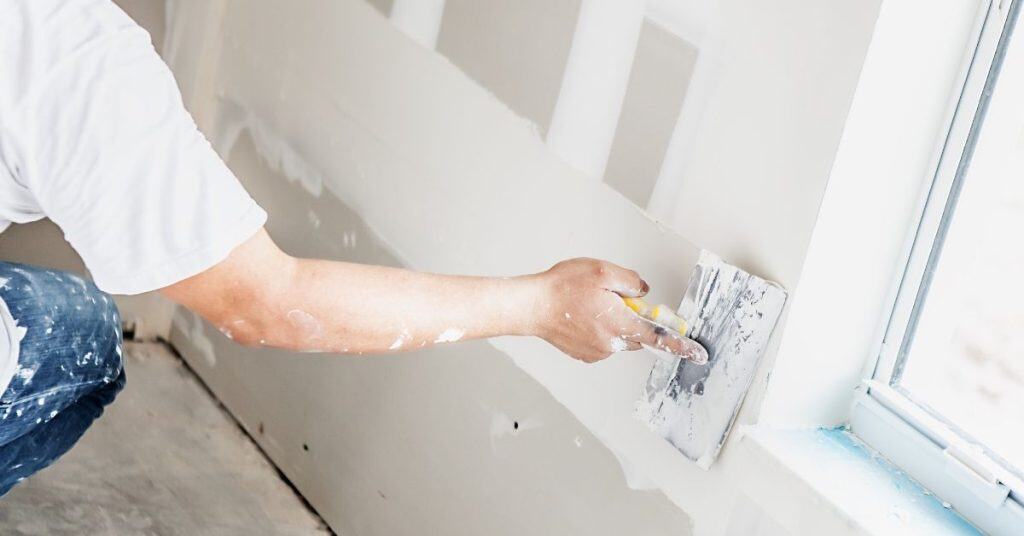
Person applying drywall joint compound near window

Choosing Plaster vs Joint Compound for Repairs: Durability, Sanding, and Paint Finish Differences

Introduction Plaster is a harder-setting wall finish made from cement- or gypsum-based mixes, while joint compound is a softer, gypsum-based product meant for taping and small repairs. For DIYers that means plaster will hold up better in high-traffic areas and where impact resistance matters, and joint compound is easier to apply and feather for small

Choosing Plaster vs Joint Compound for Repairs: Durability, Sanding, and Paint Finish Differences Read More »

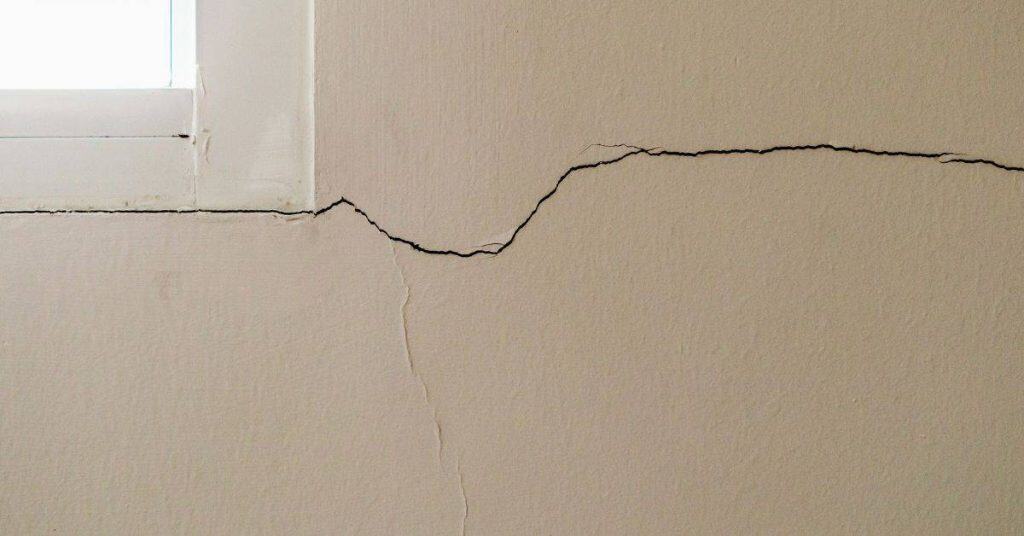
Wall with a long crack near a window frame

Plaster Cracks That Keep Coming Back: Movement Checks, Mesh Options, and Control-Joint Alternatives

Introduction Plaster cracks that keep coming back are usually signs of ongoing movement—either structural, thermal, or moisture-related—rather than a one-off surface failure. In plain terms: fix the movement first, then choose a flexible joint compound or mesh to bridge how much movement you expect and follow the product label for prep and cure times. Check

Plaster Cracks That Keep Coming Back: Movement Checks, Mesh Options, and Control-Joint Alternatives Read More »

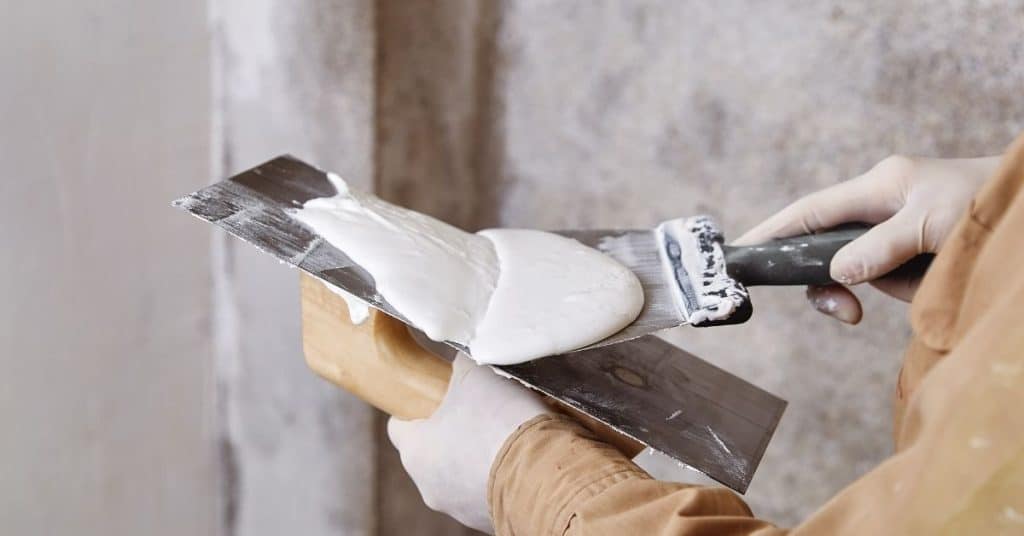
Person spreading white plaster on metal trowel with spatula

Mixing Lime Putty Plaster at Home: Safety, Storage, and Workability Tips

Introduction Mixing lime putty plaster is combining lime putty, sand, and water to create a workable plaster for traditional walls. This short guide focuses on safety, storage, and how to judge workability when you mix it at home. Always check manufacturer instructions and local rules for any exact ratios or requirements. Start with clean, dry

Mixing Lime Putty Plaster at Home: Safety, Storage, and Workability Tips Read More »

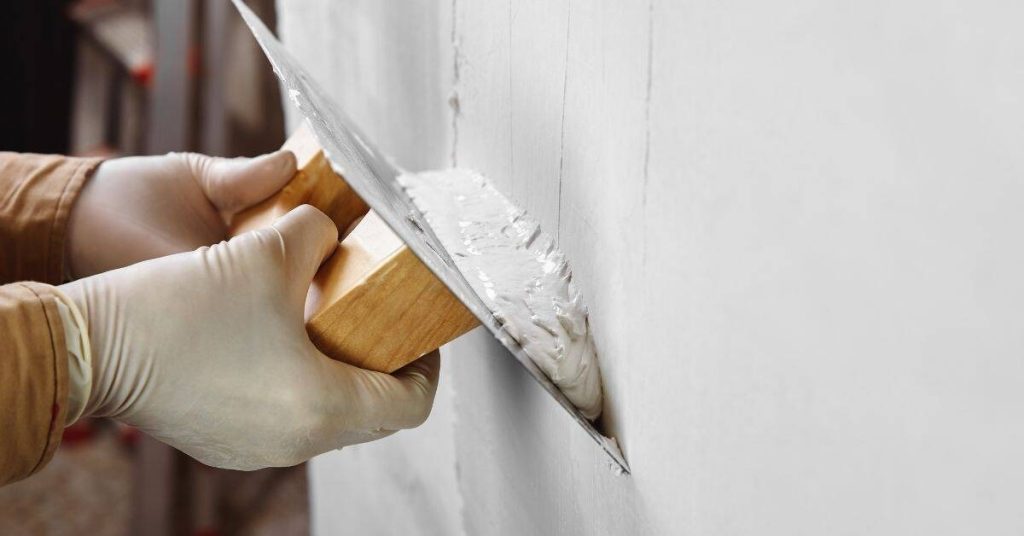
Hands applying plaster smoothly on interior wall

Plaster Soundproofing Add-Ons: When an Extra Coat Helps and When It’s Wishful Thinking

Introduction Extra plaster coats provide additional mass and seal to help reduce sound transmission when the first layer isn’t enough. A second coat can improve sound dampening by filling gaps and smoothing the surface. But it’s not a magic fix for loud environments or structural issues. Whether to add another coat depends on the room,

Plaster Soundproofing Add-Ons: When an Extra Coat Helps and When It’s Wishful Thinking Read More »

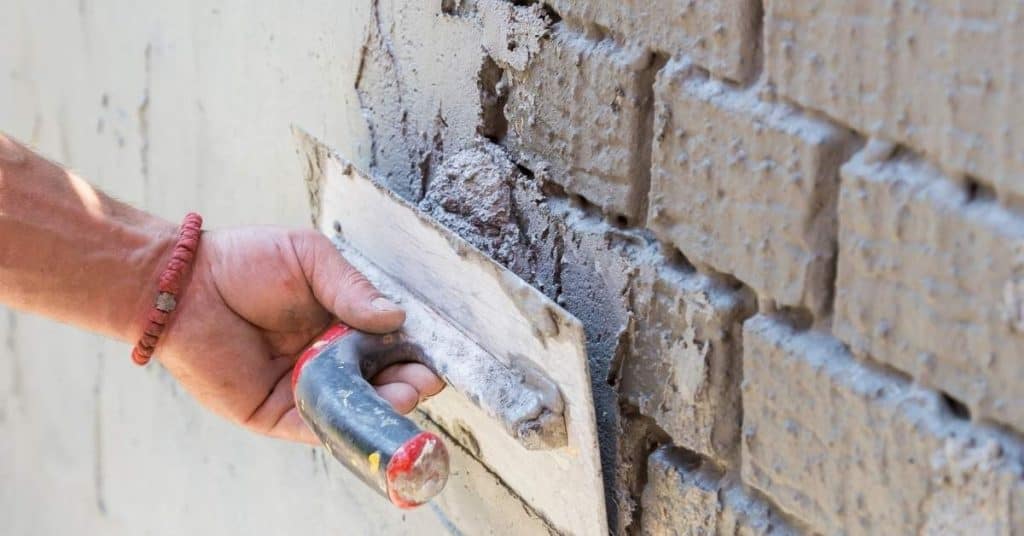
Hand applying plaster to rough brick wall with trowel

How to Patch Plaster Over Brick Arches Without ‘Shadow Lines’ Reappearing

Introduction Patching plaster over brick arches means applying new plaster to cover the brick and hide uneven shadows. You’ll aim for a flat, uniform surface that looks seamless with the surrounding wall. Work in small steps, keeping the mix workable and the surface clean as you go. Start by inspecting for loose bricks or dust,

How to Patch Plaster Over Brick Arches Without ‘Shadow Lines’ Reappearing Read More »

Worker spraying cement plaster on concrete wall

Plaster in Shower Areas: When Cement Plaster Is Safer Than Gypsum (and Why)

Introduction Cement plaster is typically safer in shower areas because it resists moisture better than gypsum. It dries hard and handles moisture and humidity in wet zones better. Choose cement plaster for areas that get a lot of splash, and always follow the product label and local building guidance. Check that the substrate is sound,

Plaster in Shower Areas: When Cement Plaster Is Safer Than Gypsum (and Why) Read More »

two buckets with plastering tools on concrete surface outdoors

Plaster Setting Time Control: Retarders, Cold Water, and Small-Batch Strategy

Introduction Plaster setting time control means managing how quickly plaster hardens so you can work it without it setting on you. In practice, you can use retarders, cold water, and small batches to buy yourself more time. Always follow the product label and local rules for compatibility and safety. Plan your mix so you can

Plaster Setting Time Control: Retarders, Cold Water, and Small-Batch Strategy Read More »