Search Results for: how tpo

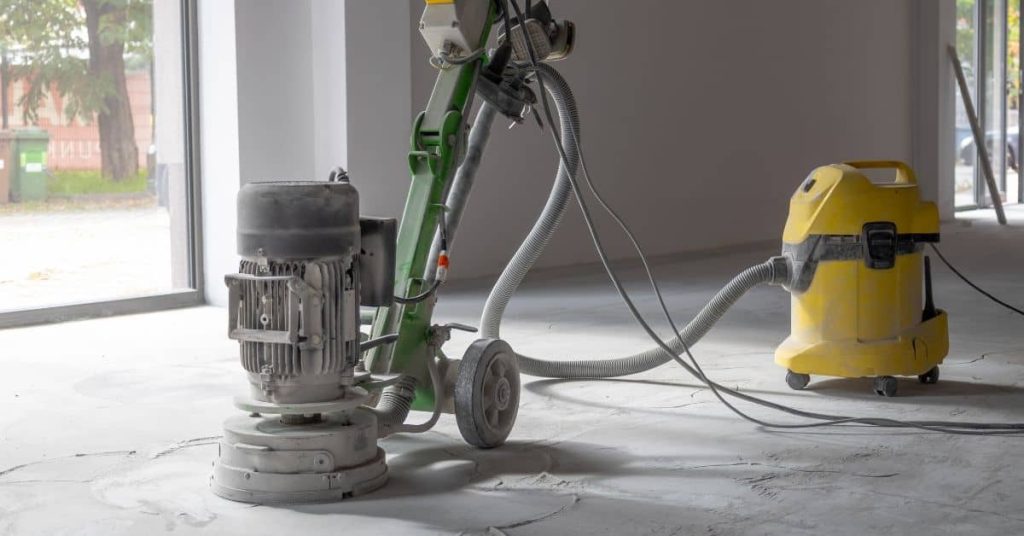
Concrete floor grinder connected to yellow vacuum cleaner

Bugholes on Formed Concrete: Vibration, release agents, and mix tweaks that help

Introduction Bugholes on formed concrete are small air cavities that mar the surface after form removal. They happen from trapped air, sticky release agents, or improper vibration. In DIY work, you can reduce them by adjusting how you vibrate, how you release the form, and how you mix your concrete. Use the right vibration technique

Bugholes on Formed Concrete: Vibration, release agents, and mix tweaks that help Read More »

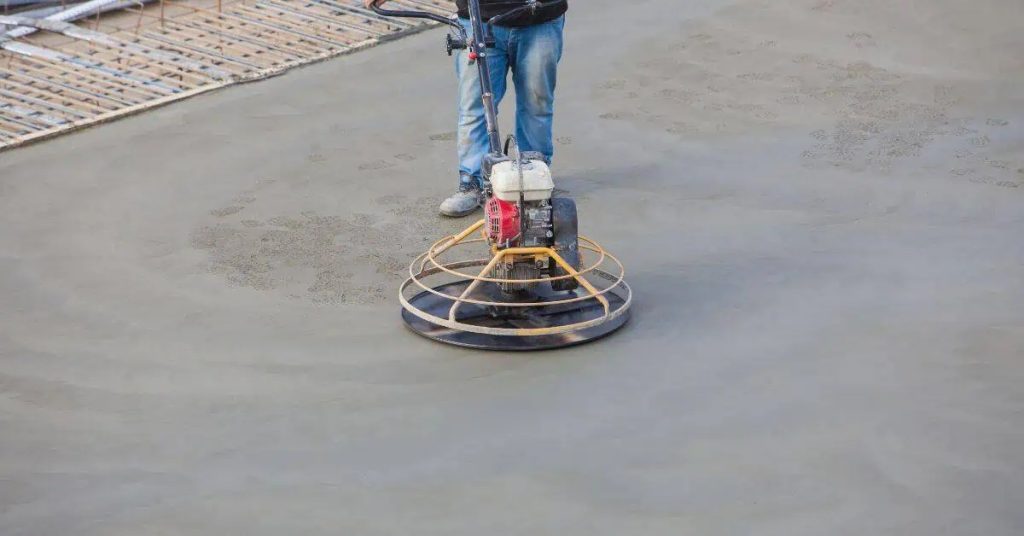
Worker using power trowel to smooth fresh concrete slab

Concrete Finishing Timing: When to start floating and when to stop troweling

Introduction Floating and troweling are concrete finishing steps that shape and smooth the surface. You start floating after the concrete begins to stiffen and can hold its edge, then you move to troweling to achieve a smooth, even finish. Stop troweling when the surface looks uniform and has the desired sheen, without overworking it. Always

Concrete Finishing Timing: When to start floating and when to stop troweling Read More »

Smooth light gray concrete wall surface

Windy Day Concrete Finishing: How to stop surface checking and plastic cracks

Introduction Windy day concrete finishing is how you control surface checking and plastic cracking when wind makes the mix dry out too fast. In a DIY setup, you’ll work to keep the surface from drying too quickly while you’re finishing. Be prepared to adjust speed, moisture, and protection as you go, and always follow the

Windy Day Concrete Finishing: How to stop surface checking and plastic cracks Read More »

Close-up of concrete screed tool smoothing wet concrete slab

Concrete Bleed Water: Finishing timing to avoid dusting, blisters, and flakes

Introduction Bleed water is the surface water that rises through the concrete mix as it sets. Finishing timing means waiting for that water to emerge and begin to dry before you apply final troweling or brooming. Doing it too soon can trap moisture and lead to dusting, blisters, or flaking later. The bleeding rate depends

Concrete Bleed Water: Finishing timing to avoid dusting, blisters, and flakes Read More »

Worker in protective gear spray painting metal beams indoors

Painting Over Powder Coat: When it’s possible and how to prep correctly

Introduction Painting over powder coat means applying paint directly on a powder-coated surface after proper prep. It can work, but only if the surface is clean, sound, and properly prepared. If you’re unsure, check the primer and paint labels for compatibility and follow local rules. Prep should start with a thorough cleaning, roughing the gloss,

Painting Over Powder Coat: When it’s possible and how to prep correctly Read More »

Stone water well with wooden bucket and pulley system

Concrete Mixing Water Temperature: How hot or cold water changes set time

Introduction Water temperature can affect how quickly concrete starts to set. Using water that is too hot or too cold can change workability and the rate of early strength gain. For a DIY job, check the mix instructions and local guidelines to choose a safe water range. Always confirm with the supplier or jobsite code

Concrete Mixing Water Temperature: How hot or cold water changes set time Read More »

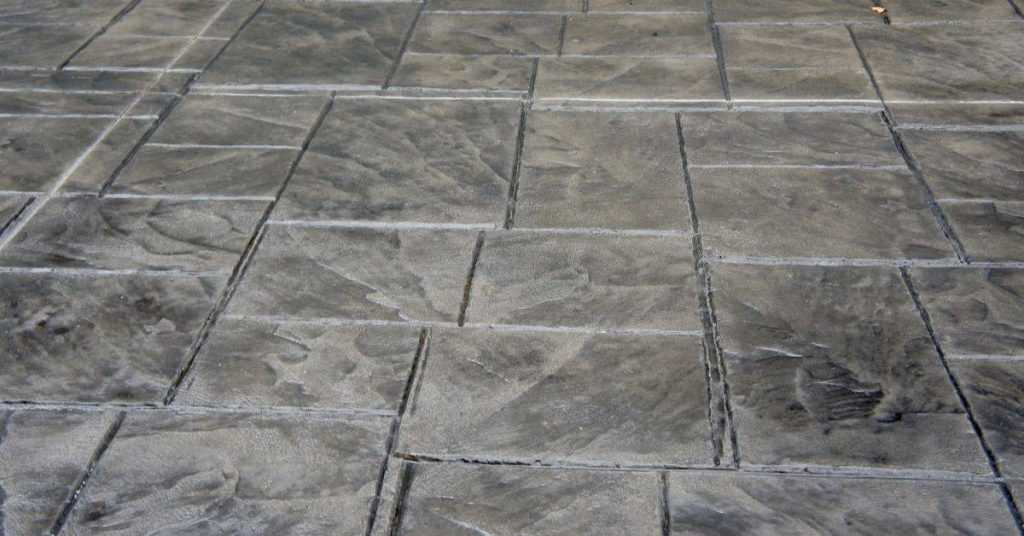
Stamped concrete patio surface with visible texture and seams

Bubbles in Concrete Sealer: Causes, prevention, and how to repair them

Introduction Bubbles in concrete sealer are air pockets that form in the film as you apply it and during curing. They usually come from trapped air, fast application, or surface moisture and dust. Always check the product label and follow surface prep steps for best results. To prevent them, apply thin, even coats and backroll

Bubbles in Concrete Sealer: Causes, prevention, and how to repair them Read More »

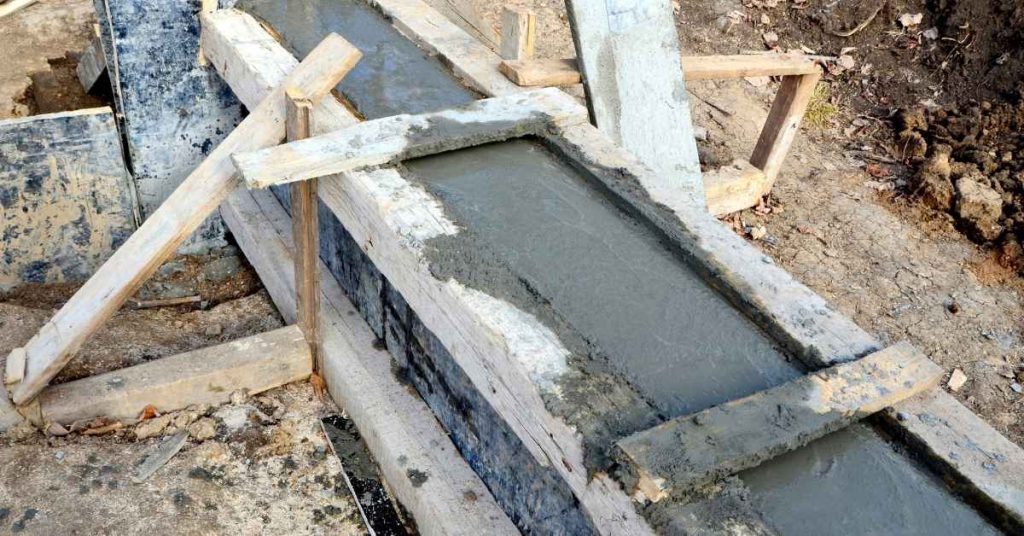
Fresh concrete poured into wooden forms at construction site

Concrete Form Release: Preventing stains, soft faces, and patchy color

Introduction Concrete form release is a coating applied to forms to prevent sticking and to help control staining and color issues on the surface. Key takeaways Choose release agents carefully; improper use can stain and dull decorative color. Plan form removal timing with manufacturer instructions and local code guidance. Use recommended tools and materials from

Concrete Form Release: Preventing stains, soft faces, and patchy color Read More »