Search Results for: how to level sand for pavers

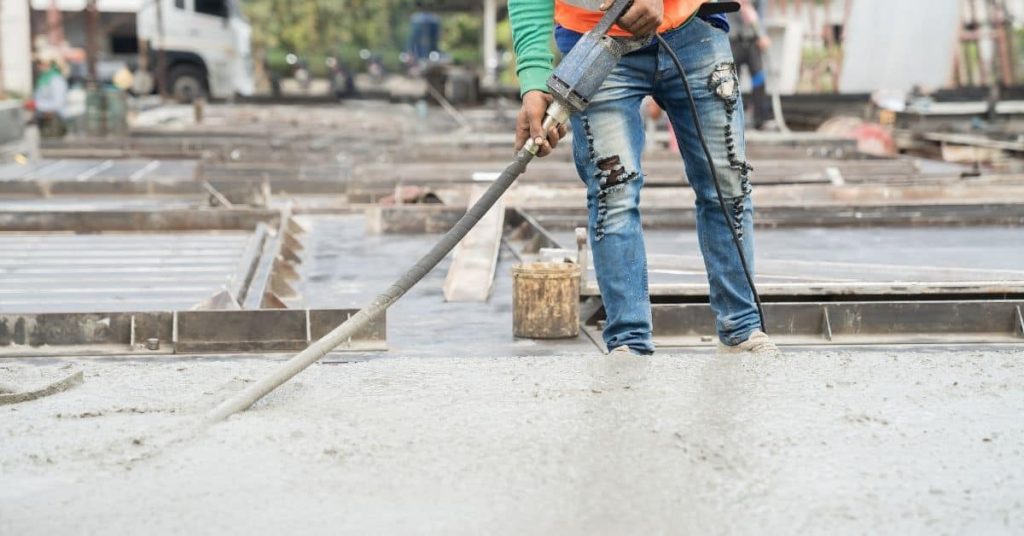
worker pouring concrete slab at construction site

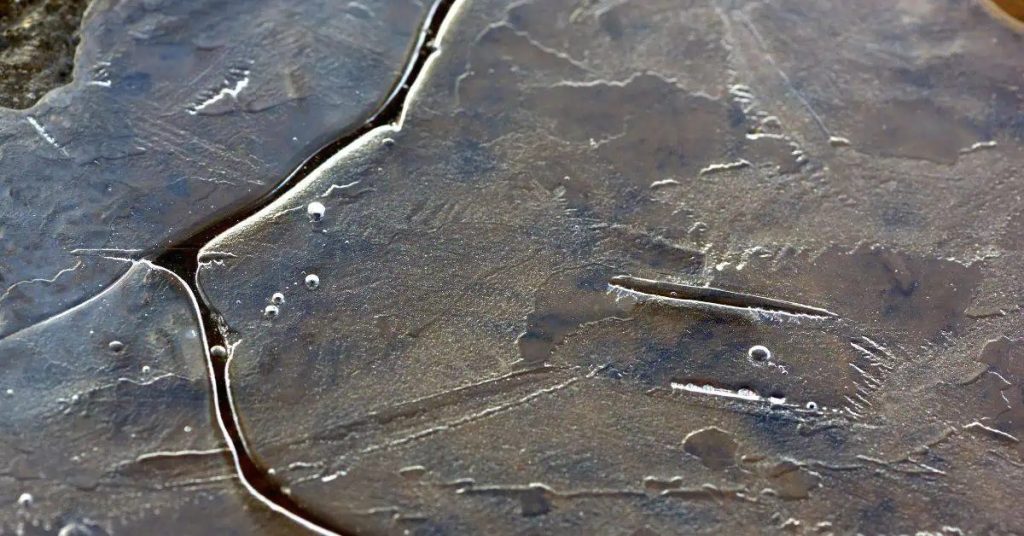
Frost heave clues under concrete slabs: soil types, drainage fixes, and when you can’t fight nature

Introduction Frost heave clues under concrete slabs are signals that the soil beneath is lifting when moisture freezes. Look for misaligned joints, raised edges, and cracks that run across the slab as practical signs. Treat this as a hands-on inspection: note where water pools and how the slab sits. Soil type and moisture control frost […]
Frost heave clues under concrete slabs: soil types, drainage fixes, and when you can’t fight nature Read More »

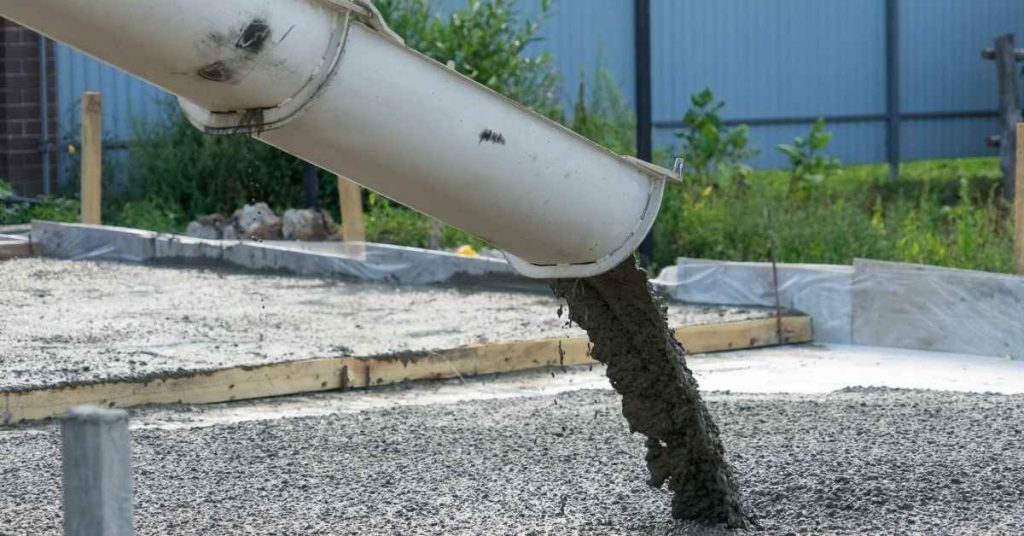
Concrete being poured from chute onto slab formwork

Concrete Slab Subbase: the Fast Compaction Reality Check with a Hand Tamper and a Hose

Introduction A concrete slab subbase is the compacted layer beneath the slab that supports and shapes the final surface. For a quick, hands-on approach, this article focuses on using a hand tamper and a hose to evaluate compaction on-site. Keep in mind that results depend on soil type, moisture, and thickness, so verify with local

Concrete Slab Subbase: the Fast Compaction Reality Check with a Hand Tamper and a Hose Read More »

Closeup of cracked frozen soil surface with ice coatings

Freeze-thaw on brick patios: bedding, drainage, and joint fill that survives

Introduction Freeze-thaw on brick patios means water trapped in bedding, drainage, and joints can crack or lift bricks when temperatures swing below and above freezing. This article covers how to select bedding, manage drainage, and fill joints so a DIY patio can survive those cycles. You’ll focus on simple checks you can do before you

Freeze-thaw on brick patios: bedding, drainage, and joint fill that survives Read More »

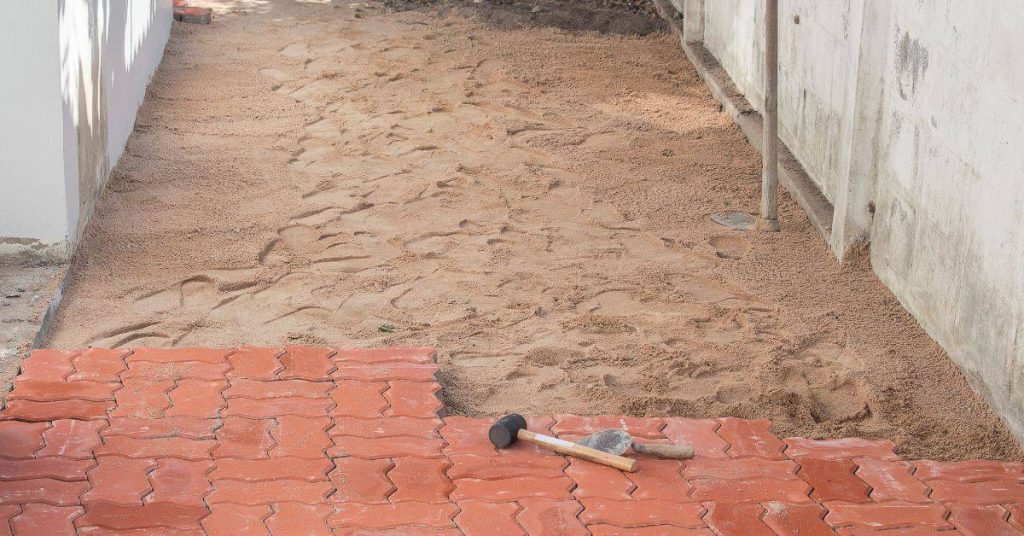
Partially laid red brick pavers with sand base and tools

Rebuilding Loose Brick Steps: When to Reset vs Rebuild (and how to prep the base)

Introduction Resetting loose brick steps means stabilizing the stairs by cleaning the base, re-seating the bricks, and securing them so the steps are solid again. This article walks you through deciding when to reset versus rebuild and how to prep the base. You’ll find practical, hands-on tips for a DIY job without fancy gear. Start

Rebuilding Loose Brick Steps: When to Reset vs Rebuild (and how to prep the base) Read More »

curved brick paver pathway with stone wall and landscaping

Brick Paver Edging That Won’t Spread: Restraints, Bedding, and Joint Choices

Introduction Edging that won’t spread is a border for brick paver layouts that stays in place and keeps the line looking sharp. Getting it right means using sturdy restraints, a solid bedding layer, and properly selected joints. Always check the product label and local rules for any installation limits that apply to your area. Choose

Brick Paver Edging That Won’t Spread: Restraints, Bedding, and Joint Choices Read More »

Close-up of cracked gray concrete surface

Concrete Downspout Solutions: Surface Channels vs Buried Pipe (and Freeze Risks)

Introduction Concrete downspout solutions route roof water either through surface channels or through buried pipes, with freeze risks to consider. This introduction helps you weigh a surface option you can see and a buried option that hides the work, based on your site and climate. Buried systems can keep surfaces clean and may reduce trip

Concrete Downspout Solutions: Surface Channels vs Buried Pipe (and Freeze Risks) Read More »

Close-up of exposed aggregate concrete edge beside pool water

Permeable Concrete Patios: Aggregate Choices, Placement, and Clog-Proof Maintenance

Introduction Permeable concrete patios are surfaces that let water pass through the slab to the ground below. They use special aggregate and mix proportions to create voids that drain freely. That means you can install a patio that handles rain without pooling, if done right. Gather your options for aggregate styles and layout, then plan

Permeable Concrete Patios: Aggregate Choices, Placement, and Clog-Proof Maintenance Read More »

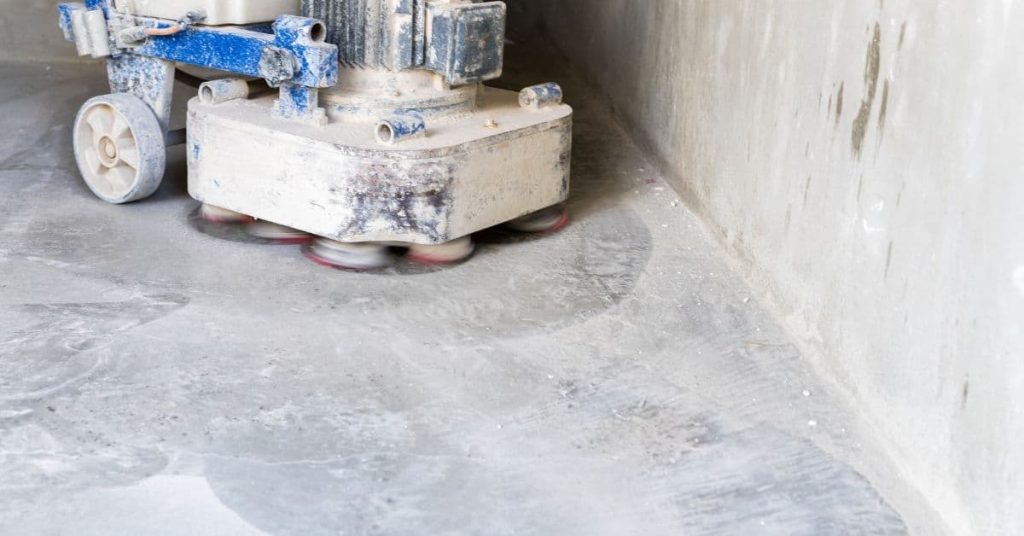
Concrete floor grinding machine smoothing surface near wall

Fixing Trip Hazards by Grinding: How Much You Can Remove Before You Create New Problems

Introduction Grinding to fix trip hazards is removing small amounts of material from high spots so the surface becomes even. Do not remove more than necessary, since over-grinding can create new problems. Check the material, tool, and surface before you start, and follow manufacturer instructions and local rules. Do small passes and check your progress

Fixing Trip Hazards by Grinding: How Much You Can Remove Before You Create New Problems Read More »

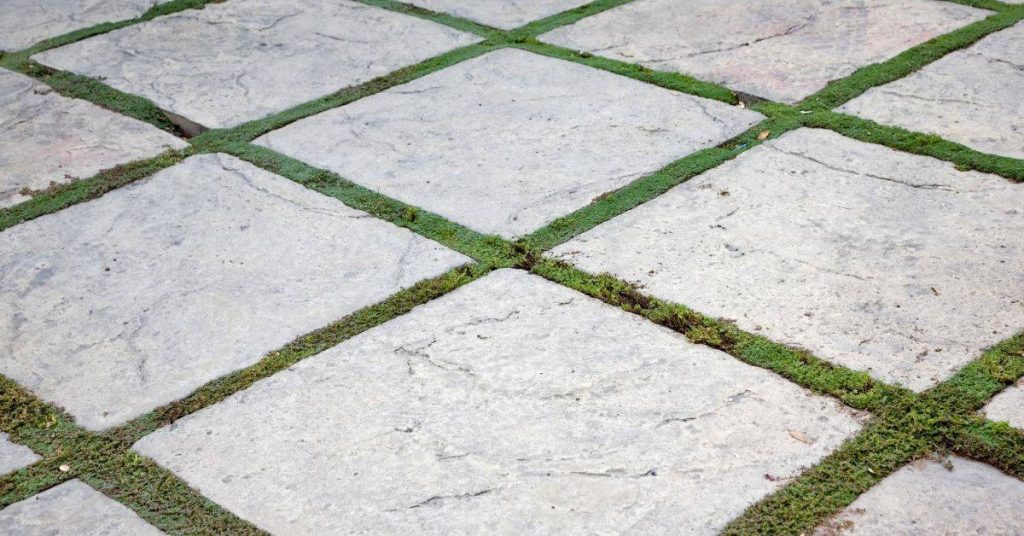
Gray square stone pavers with green moss-filled joints

How to Hide Control Joints Visually: Layout Tricks That Look Intentional

Introduction Control joints are planned gaps in concrete that you hide with layout tricks to look intentional. This article covers simple, hands-on steps you can follow on your own slab without fancy equipment. Think lines, patterns, and edges that camouflage joints while staying within manufacturer instructions and local rules. Start by choosing a location that

How to Hide Control Joints Visually: Layout Tricks That Look Intentional Read More »

fresh concrete partially poured on rough surface

Using Burlap for Wet Curing: How to Keep It Wet Without Staining the Surface

Introduction Burlap can be used to keep concrete moist during curing without staining the surface when applied correctly. This method relies on evenly saturated burlap laid over the fresh pour and kept moist. Check the burlap material and manufacturer guidance for suitability and any surface protection needs. Choose burlap that is plain and untreated, and

Using Burlap for Wet Curing: How to Keep It Wet Without Staining the Surface Read More »