Search Results for: how to level sand for pavers

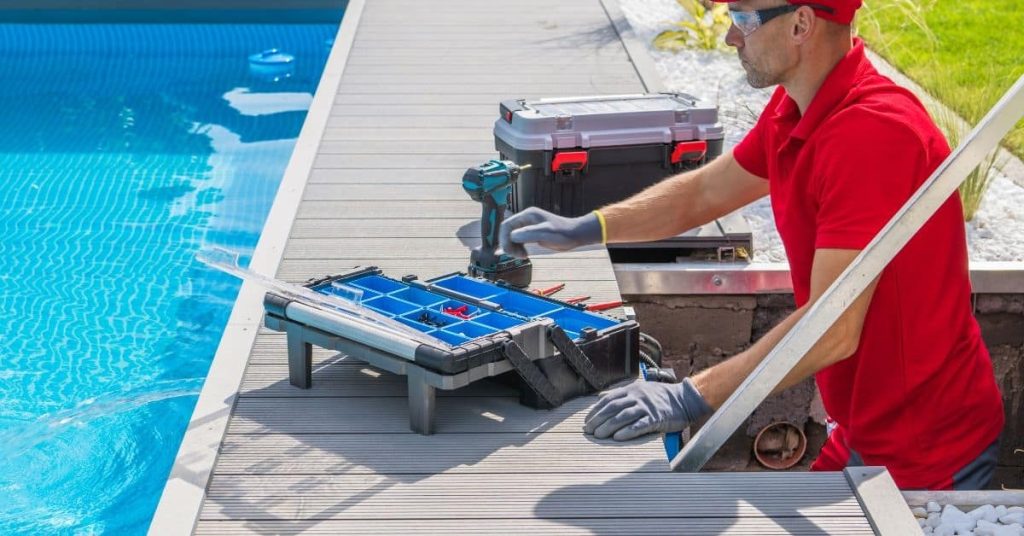
Man in red shirt working with toolbox and electric drill by pool

Brick walkway weeds: jointing options and maintenance that doesn’t erode sand

Introduction Brick walkway weeds occur when the joints between bricks are open enough for weed seeds to take root. This article looks at options to fill those joints and keep the sand in place without eroding. It’s written as a practical, hands-on guide you can use on a DIY project. Jointing sand options range from […]

Brick walkway weeds: jointing options and maintenance that doesn’t erode sand Read More »

Close-up of gas-powered cutting saw blade in front of red truck

Cutting Brick Pavers Cleanly: Blades, Chipping Control, and Dust Safety

Introduction Cutting brick pavers cleanly means using the right blade and technique to produce straight, square cuts with minimal chipping. Choose a blade rated for masonry and masonry-specific cutting, and align your cut with the paver face for a clean edge. Take your time to steady the paver and clamp it, then make a shallow

Cutting Brick Pavers Cleanly: Blades, Chipping Control, and Dust Safety Read More »

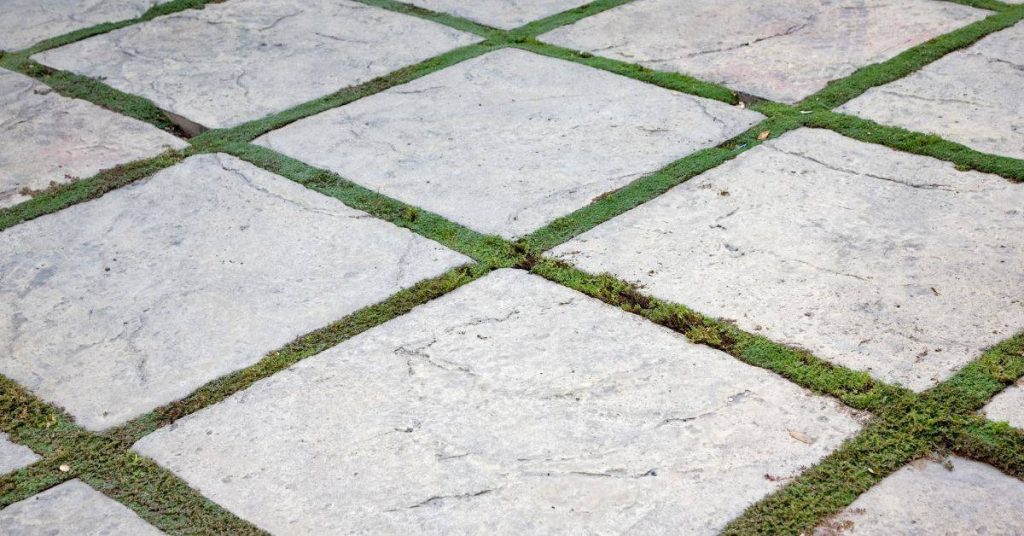
Square stone pavers with green moss in the joints

Sandblasted Finishes: Uniformity Tricks and How to Avoid Shadowing Around Joints

Introduction Sandblasted finishes are a textured surface created by blasting marble with abrasive media to reveal the stone’s grain. The result is a matte, slip-resistant look that hides tiny flaws and can add character to a space. As a DIY project, it’s important to understand that consistency comes from planning, the right media, and steady

Sandblasted Finishes: Uniformity Tricks and How to Avoid Shadowing Around Joints Read More »

Concrete screeding tool smoothing wet concrete surface

Concrete Sand: Mason Sand vs Concrete Sand vs Play Sand (What Actually Works)

Introduction Concrete sand is the coarse, well-graded sand used in concrete mixes and as bedding material. Mason sand, concrete sand, and play sand differ mainly in texture, particle size, and how they compact. Knowing which to use depends on the job and what the sand needs to do in the mix or base. Mason sand

Concrete Sand: Mason Sand vs Concrete Sand vs Play Sand (What Actually Works) Read More »

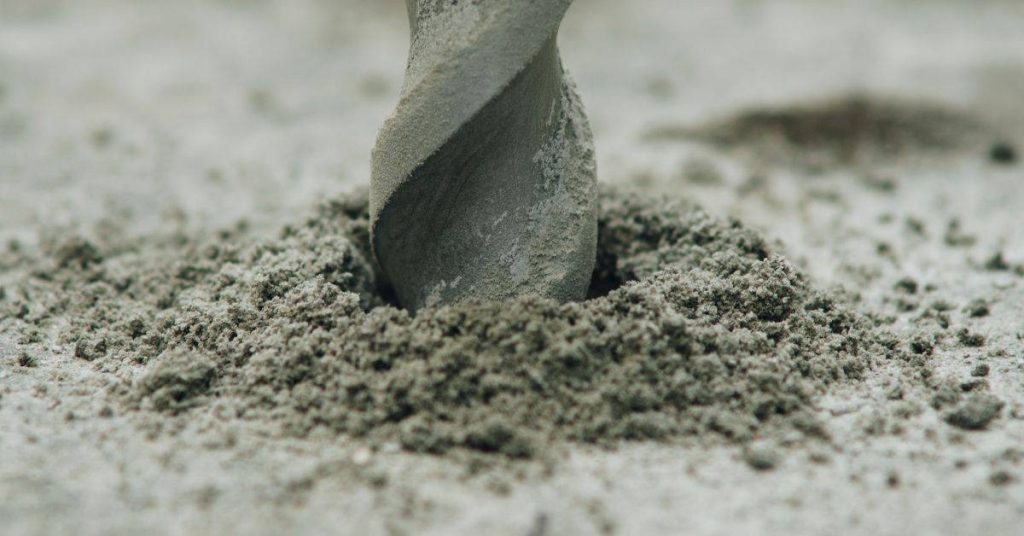
Close up of drill bit penetrating concrete surface with dust

How to Score and Snap Small Concrete Pavers Safely: Tools, Dust Control, and Break Lines

Introduction Scoring and snapping small concrete pavers means making a shallow cut along a planned break line and then applying controlled force to split the piece along that groove. This is a hands-on DIY method for straight, small cuts without a wet saw when pavers are brittle enough to break cleanly. Before you start, check

How to Score and Snap Small Concrete Pavers Safely: Tools, Dust Control, and Break Lines Read More »

Close up of drill bit penetrating concrete with dust

Scoring and Snapping Small Concrete Pavers Safely: A Step-by-Step Timeline

Introduction When it comes to cutting small concrete pavers, scoring and snapping is a quick and efficient method. But how long does the process take from start to finish? This step-by-step timeline guide walks you through each stage of scoring and snapping small concrete pavers safely, helping you plan your project efficiently. Whether you’re a

Scoring and Snapping Small Concrete Pavers Safely: A Step-by-Step Timeline Read More »

Interlocking permeable paver blocks with open joints and gravel fill.

Concrete Paver ‘Rocking’ Fix on Sand: When to Regrade vs. Switch to Mortar

Introduction A rocking concrete paver on sand happens when the base shifts and the paver isn’t bedded level. You’ll usually see movement when a surface feels wobbly or shows gaps around edges. This article helps you decide whether to regrade the base or switch to mortar in a simple, hands-on way. To identify the problem,

Concrete Paver ‘Rocking’ Fix on Sand: When to Regrade vs. Switch to Mortar Read More »

Paint roller applying liquid to concrete pavers

DIY Large-Format Concrete Pavers: Reinforcement, Curing, and Warp Prevention

Introduction Large-format concrete pavers require proper reinforcement, curing, and warp prevention to stay flat and durable. In plain terms, you reinforce the base and pavers, manage moisture and temperature during curing, and watch for movement that can cause warping. This article focuses on practical, hands-on methods you can apply on a DIY project. Follow the

DIY Large-Format Concrete Pavers: Reinforcement, Curing, and Warp Prevention Read More »