Search Results for: how to level sand for pavers

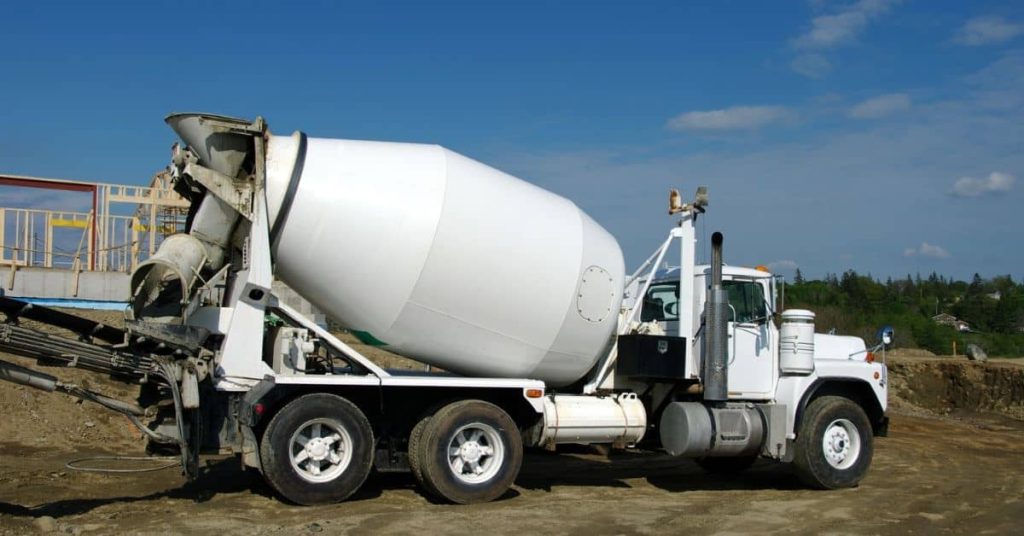
White concrete mixer truck at a construction site

Cold-Weather Mixing Station Setup: Keeping Water, Bags, and Tools Above Freezing

Introduction Cold-Weather Mixing Station Setup means keeping water, bags, and tools above freezing. In practice, you’ll set up a small, sheltered area and plan for material handling so everything stays usable in cold weather. Frost resistance of bags, containers, and tools is worth confirming before you set up the station. Check the product labels or […]

Cold-Weather Mixing Station Setup: Keeping Water, Bags, and Tools Above Freezing Read More »
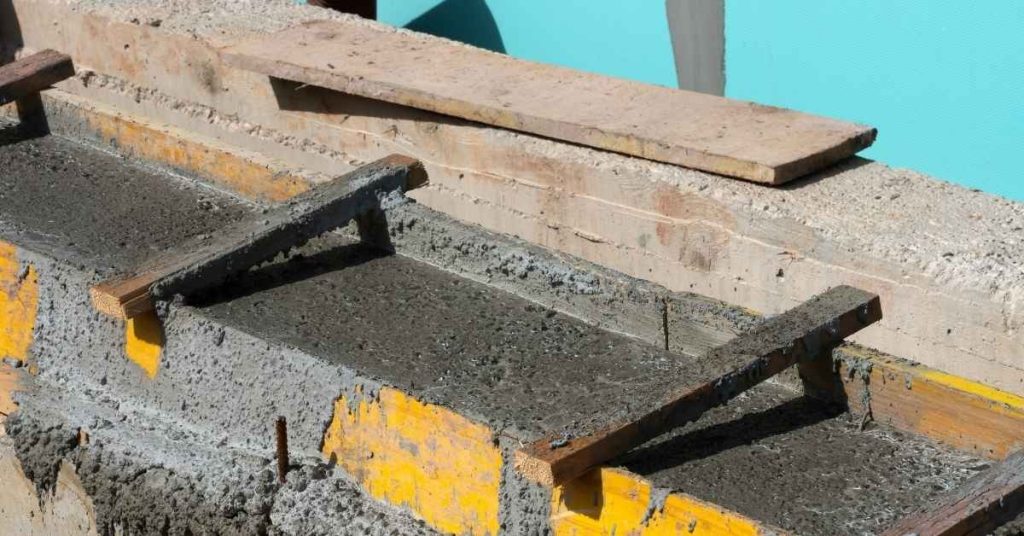
Freshly poured concrete in wooden formwork outdoors

Dealing With Surprise Rain Mid-Pour: What to Cover, What to Keep Working, and What to Redo

Introduction Rain mid-pour can ruin fresh concrete; cover, protect, and resume safely. Protect exposed areas with appropriate coverings, don’t work on wet concrete, and check forms for any change. After rain, inspect for surface defects, damp spots, or set delays before continuing. Resume pouring only when conditions are right and you follow the coating and

Dealing With Surprise Rain Mid-Pour: What to Cover, What to Keep Working, and What to Redo Read More »

Close-up of a metal tool shaping a joint in fresh concrete

Stamped Concrete at DIY Scale: Release Agents, Joint Planning, and Sealing Without Slippery Film

Introduction Stamped concrete at a DIY scale is about using release agents, planning joints, and sealing so the finish isn’t slick. Keep expectations simple: choose a release agent you can apply evenly, map where joints go before stamping, and select a sealer that reduces glare without creating a slippery film. Start with a clear plan,

Stamped Concrete at DIY Scale: Release Agents, Joint Planning, and Sealing Without Slippery Film Read More »

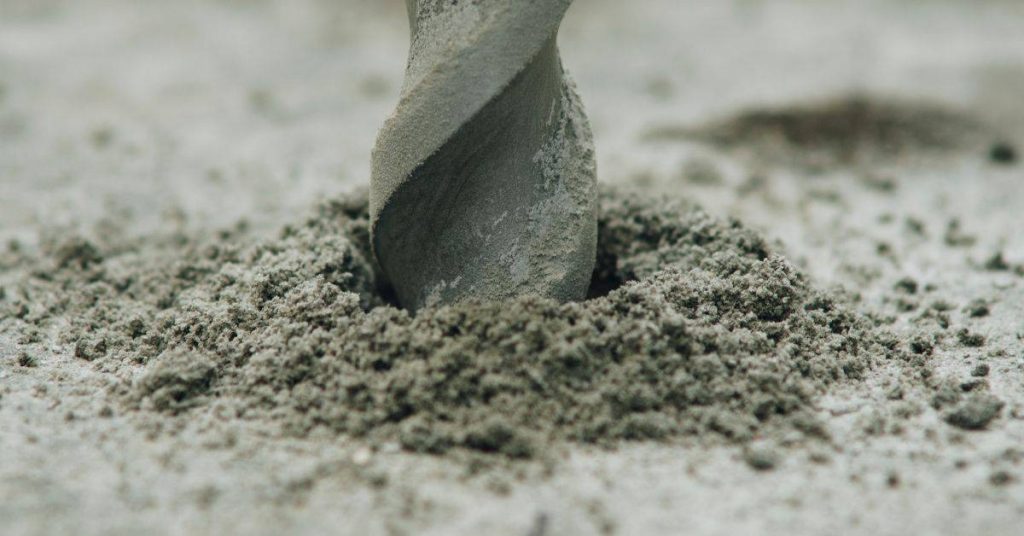
Concrete drill bit drilling into concrete with dust around

Bush-Hammered Concrete Finish: Tools, Dust Control, and Where It Makes Sense

Introduction Bush-hammered concrete finish is a textured surface created by striking the concrete with bush-hammer tools to expose the aggregate and create a rough, irregular pattern. This guide helps you think through what tools work, how to control dust, and where the finish makes sense in a DIY project. You’ll find practical notes on safety

Bush-Hammered Concrete Finish: Tools, Dust Control, and Where It Makes Sense Read More »

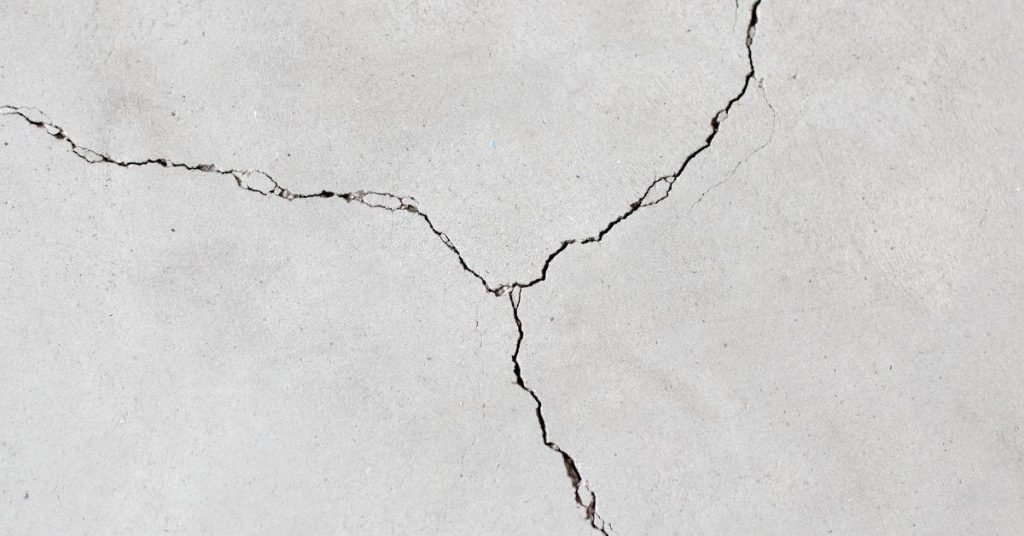
Close-up of cracked concrete surface with visible fissures

Waterproofing a Concrete Balcony: Slope Correction, Crack Bridging, and Edge Metal Details

Introduction Waterproofing a concrete balcony means protecting it from water intrusion by addressing slope, cracks, and edge details. Think of it as building a tiny water barrier that lasts through daily use. Check local rules and manufacturer instructions to choose the right materials and methods. For slope correction, ensure the balcony has a gentle outward

Waterproofing a Concrete Balcony: Slope Correction, Crack Bridging, and Edge Metal Details Read More »

Freshly poured wet concrete slab inside an unfinished room

Preventing Efflorescence From New Concrete: Water Sources, Curing, and Breathable Protection

Introduction Efflorescence is the white, powdery or crusty mineral deposit that appears on concrete when water moves minerals to the surface. It happens when moisture inside the slab or plaster carries soluble salts to the surface as it evaporates. Identify sources of moisture—wet curing, rain exposure, groundwater, or humid environments—and understand that surface coatings can

Preventing Efflorescence From New Concrete: Water Sources, Curing, and Breathable Protection Read More »

Red brick house exterior with two garage doors and chimney

Drainage for Exterior Stairs and Landings: Small Grading Tweaks That Prevent Icy Sheets

Introduction Drainage for exterior stairs and landings means shaping and directing water away so the surfaces stay safe and dry. Keep a clear slope away from the door and across each tread, and use simple edging or a shallow path to guide water toward a drain or into the surrounding ground. Check your local rules

Drainage for Exterior Stairs and Landings: Small Grading Tweaks That Prevent Icy Sheets Read More »

Close up of concrete floor grinding machine in use

Fixing Trip Hazards on Sidewalks: Grinding Limits, Overlay Risks, and Code-Ish Thresholds

Introduction Trip hazards on sidewalks are uneven or crowned surfaces that can snag a foot and cause a fall. For a DIY approach, start by evaluating where and how the surface is out of plane and plan gentle corrections rather than drastic reshaping. Keep changes modest, clearly mark the area, and work in daylight to

Fixing Trip Hazards on Sidewalks: Grinding Limits, Overlay Risks, and Code-Ish Thresholds Read More »

Fresh asphalt driveway in front of garage door

Concrete at Garage Doors: Fixing ponding and preventing water intrusion

Introduction Concrete at garage doors refers to the slab at the door opening where improper drainage or settling can cause ponding. This condition signals potential water intrusion if left unaddressed. Start by noting slopes, cracks, and joints that may let water pool near the threshold. Common causes are poor drainage, foundation issues, or slab settling

Concrete at Garage Doors: Fixing ponding and preventing water intrusion Read More »

Close-up of asphalt shingle with visible impact damage

Stucco Damage Behind Downspouts: Repairs and water control improvements

Introduction Stucco damage behind downspouts is hidden water intrusion that weakens the wall where the downspout sits. Water running off the gutter can seep behind the stucco and cause cracking, bulging, or soft spots. This article shows practical steps you can do to inspect and start repairs without specialized equipment. Start by cleaning the area

Stucco Damage Behind Downspouts: Repairs and water control improvements Read More »