Search Results for: how to fix missing red brick mortar

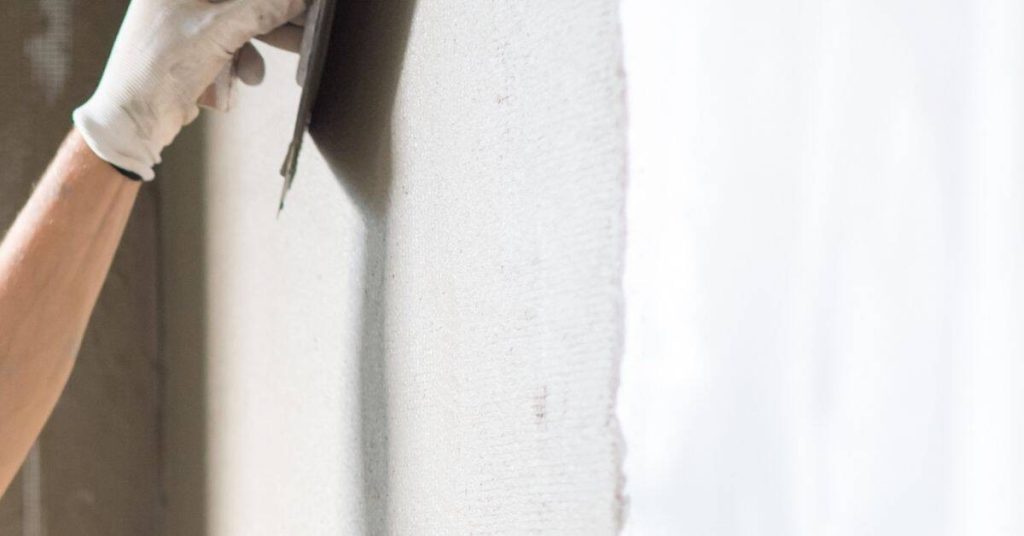
Hand applying plaster to wall with trowel wearing glove

Fixing Plaster After Water Stains: Salts, Stain Blocking, and When to Cut Out

Introduction Water stains on plaster indicate moisture and mineral salts that have bled into the surface. Address the source and let the area dry before patching, and remove any loose or damaged plaster you can see. Choose a stain-blocking product and patch material based on the area, and always check the label for compatibility and […]

Fixing Plaster After Water Stains: Salts, Stain Blocking, and When to Cut Out Read More »

Decorative plaster corbel on brick wall under sill

Adding a Drip Groove Under Brick Sills: Cutting, Sealing, and Stopping Stains

Introduction A drip groove under brick sills is a small channel cut into the sill edge or underside to guide water away from the wall. Cutting it helps prevent standing water and staining, while proper sealing keeps materials from wicking moisture. It’s a practical DIY step that reduces moisture problems behind brick. To do it,

Adding a Drip Groove Under Brick Sills: Cutting, Sealing, and Stopping Stains Read More »

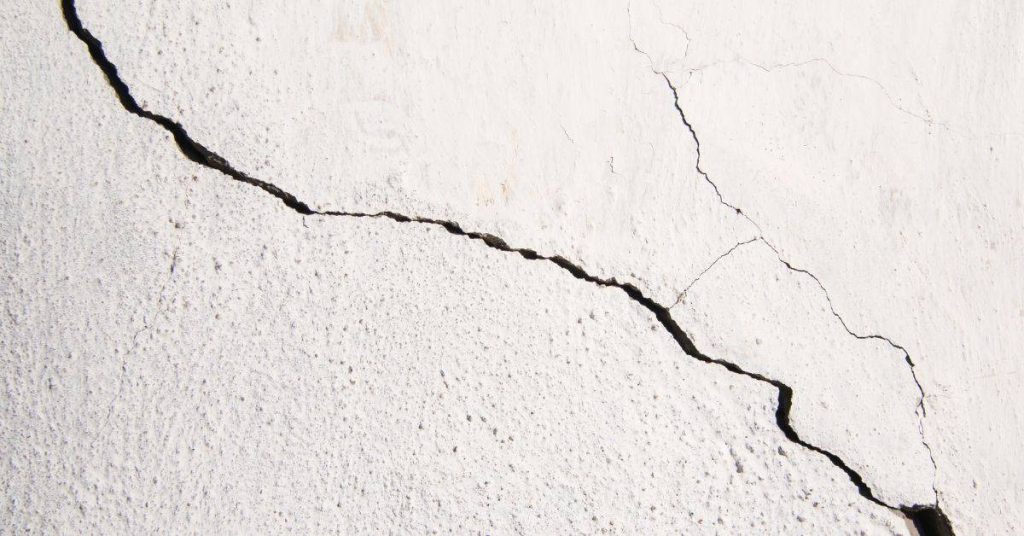
Closeup of a large crack in white stucco wall

Stucco Too Close to Grade: Fix Options Short of Full Tear-Down

Introduction Stucco too close to grade means the stucco base sits near soil and splash zones, which can trap moisture and invite damage. Common signs include cracking, staining, or peeling where the wall meets the ground, plus any bubbling or powdery finish. Watch for moisture staining, plant growth against the wall, and gaps that let

Stucco Too Close to Grade: Fix Options Short of Full Tear-Down Read More »

Exposed brick wall partly covered with gray stucco render

Stucco-to-Brick Transitions: Movement Joints and Water Breaks That Don’t Crack

Introduction A movement joint at a stucco-to-brick transition is a deliberate gap that lets the siding materials expand and contract without cracking. Its job is to separate the two substrates so stresses don’t transfer and crack the finish. This article shows practical, hands-on steps for placing joints and installing water breaks so the transition stays

Stucco-to-Brick Transitions: Movement Joints and Water Breaks That Don’t Crack Read More »

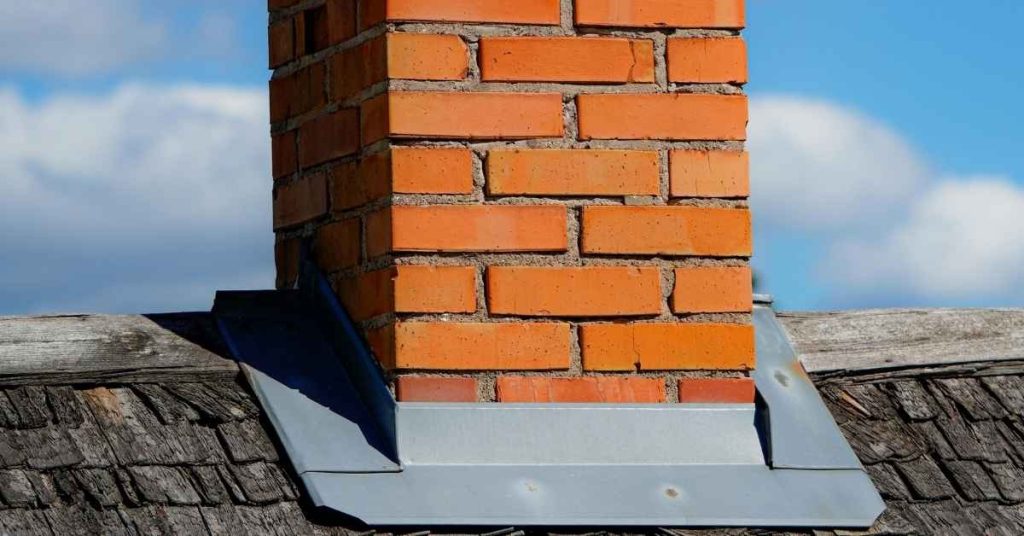
Brick chimney with metal flashing on wooden shingle roof under blue sky

Brick Flashing and Weep Holes at Ledges: How Water Is Supposed to Escape

Introduction Brick flashing and weep holes at ledges are features that let water escape from behind brickwork. They direct runoff away from the wall and help prevent moisture damage. As a DIYer, you’ll inspect for proper placement and unobstructed openings before finishing the ledge. Start by checking that flashing is in place under the brick

Brick Flashing and Weep Holes at Ledges: How Water Is Supposed to Escape Read More »

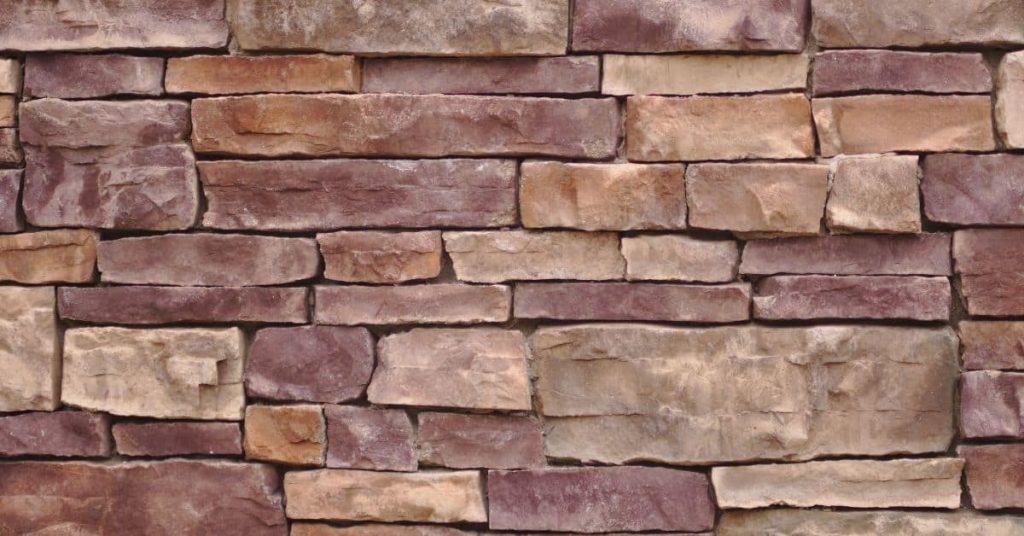
Close-up of stacked stone veneer wall with varied shapes

Brick Veneer 101: Air Gaps, Weeps, and Why “Stuck-On” Systems Fail

Introduction Brick veneer is a non-structural facing that sits on a wall with an intentional air gap to vent moisture. Understanding why air gaps and weep holes matter helps you spot issues before they show up. This setup is what keeps brick veneer performing without relying on the wall itself for support. Stuck-on brick systems

Brick Veneer 101: Air Gaps, Weeps, and Why “Stuck-On” Systems Fail Read More »

Pile of broken red bricks and rubble

Spalling Brick Diagnosis: Freeze-Thaw, Salts, and the “Stop the Water” Plan

Introduction Spalling brick diagnosis is identifying why bricks are flaking or crumbling due to freeze-thaw, salts, or moisture. This is a hands-on check to help you decide what needs repair and how to stop further damage. Look for cracking, hollow sounds, powdery surfaces, or powdery efflorescence as clues. Start by stopping water entry and planning

Spalling Brick Diagnosis: Freeze-Thaw, Salts, and the “Stop the Water” Plan Read More »

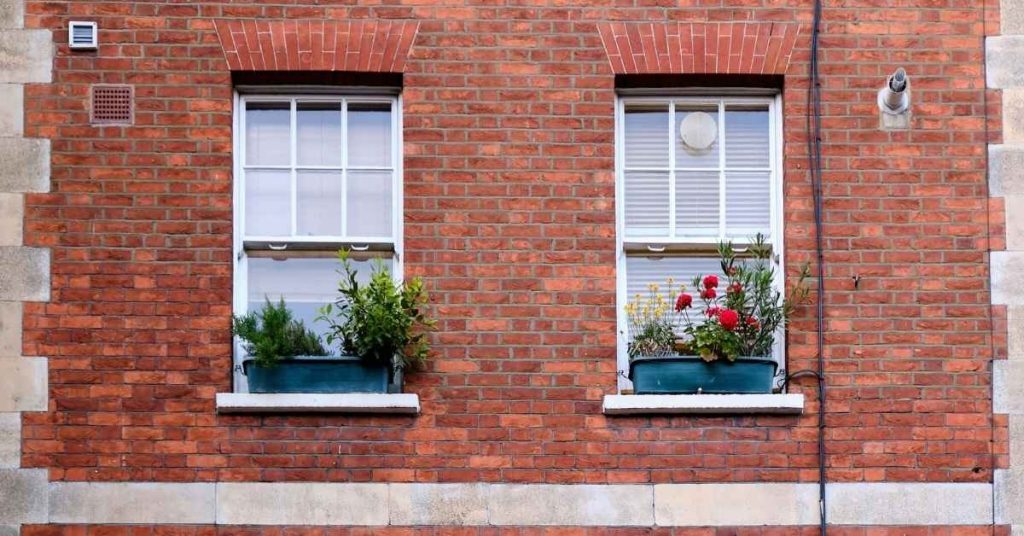
Two white windows in red brick wall with flower boxes

Sealing Brick the Safe Way: Breathable Sealers vs Films—and When to Skip Both

Introduction Breathable sealers let moisture escape from brick while still sealing it; film sealers keep a surface layer that can trap moisture. As a DIYer, you’ll notice breathable options let the brick breathe, while film options can give a smoother, glazed look. Check the label for breathability cues and follow the manufacturer’s suggestions, and avoid

Sealing Brick the Safe Way: Breathable Sealers vs Films—and When to Skip Both Read More »