Search Results for: how to fix missing red brick mortar

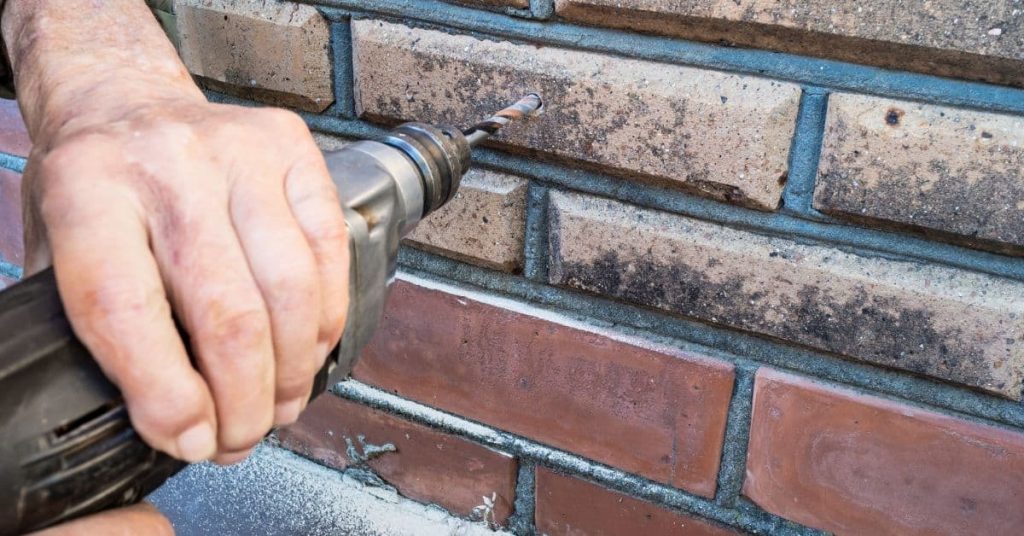
Close-up of drill bit drilling into concrete wall

Fixing loose cap blocks: why they pop and a reset method that survives winter

Introduction Fixing loose cap blocks means resetting and securing the caps so they stay in place through freeze-thaw cycles. Loose caps can pop off from settling, wind, or vibration, and winter conditions make the problem worse. A safe reset method is essential to keep the cap aligned and prevent water intrusion. To reset, clean the […]

Fixing loose cap blocks: why they pop and a reset method that survives winter Read More »
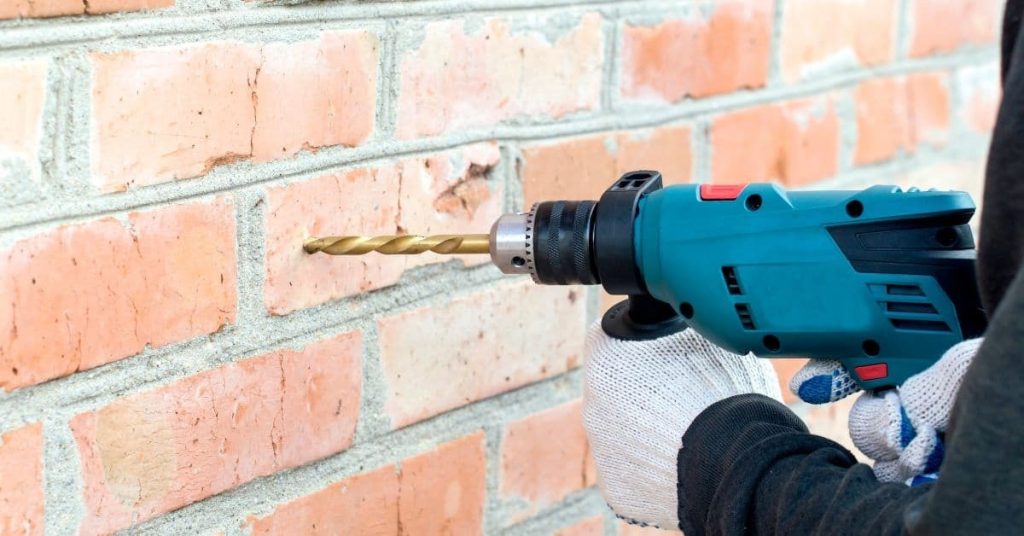
Person drilling into a brick wall with a blue power drill

Common brick repair scams: what ‘miracle sealers’ can’t fix

Introduction Miracle sealers are scams that cannot fix brickwork. They may promise permanent repair of cracks, moisture, or damaged mortar, but they fail to address real defects. A straight, honest approach relies on proper assessment and proven repair methods. Before you start, understand what needs addressing and what a DIY repair can and cannot cover.

Common brick repair scams: what ‘miracle sealers’ can’t fix Read More »

Closeup of red brick wall with mortar joints

Repairing brick mortar washout at grade: grading changes and sacrificial mortar choices

Introduction Repairing brick mortar washout at grade means restoring deteriorated mortar where the wall meets the soil and addressing shifts in ground moisture. The approach combines survey of damage with practical steps that respect historic materials and the effect of grading on moisture. It’s a hands-on task that requires careful observation and clear planning. Old

Repairing brick mortar washout at grade: grading changes and sacrificial mortar choices Read More »

old red brick wall with mortar joints and some white stains

How to spot failed brick flashing: stain trails, damp sheathing clues, and inspection points

Introduction Failed brick flashing shows up as moisture intrusion at joints, leaving stain trails and damp spots on the wall. It signals that water is not being directed away properly. You’ll want to look for signs of staining, softness, or peeling where the flashing meets the surface. In practice, inspect for moisture clues around manufactured

How to spot failed brick flashing: stain trails, damp sheathing clues, and inspection points Read More »

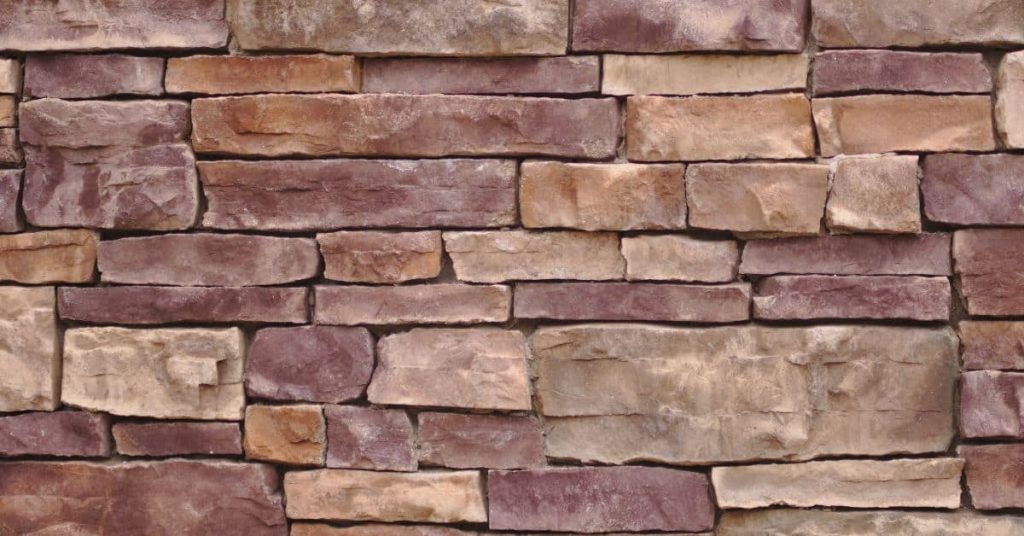
Close-up of stacked stone veneer wall in various brown shades

Brick veneer bulging: warning signs and why ‘just tuckpoint it’ is risky

Introduction Brick veneer bulging is when the outer brick layer appears to poke out or push away from the structure. This article focuses on what to watch for and why it matters in practical terms. It’s a hands-on topic, not a theoretical guide. Look for bulging along walls near openings, or where the veneer seems

Brick veneer bulging: warning signs and why ‘just tuckpoint it’ is risky Read More »

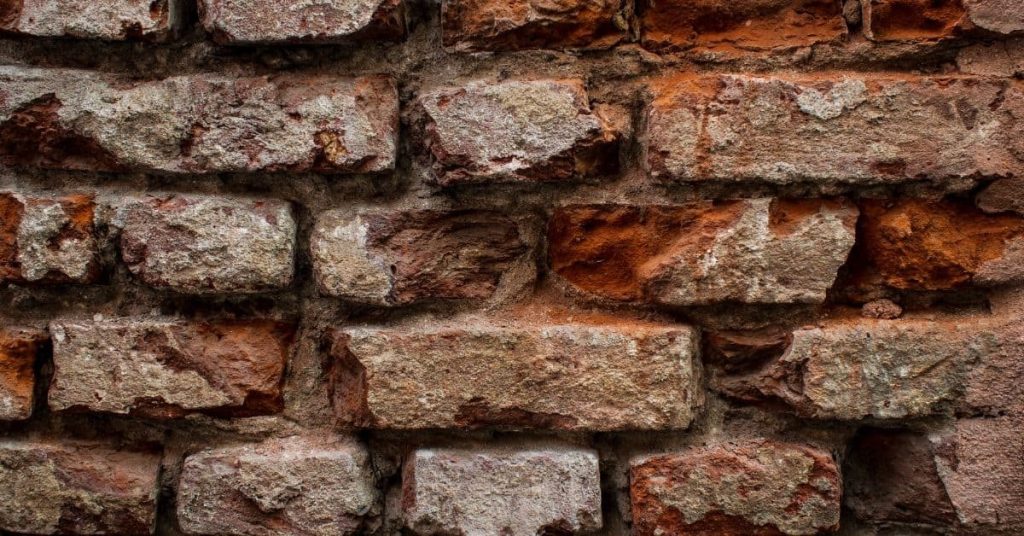
Close-up of weathered red brick wall with white deposits

Efflorescence on brick that keeps returning: stop the water path before you scrub again

Introduction Efflorescence is mineral salt deposits that reappear on brick when moisture moves through the wall. If it keeps returning, the moisture path through the masonry is still active. Stopping that path is the first step before you scrub again. Start by tracing where the water is coming from and address leaks, irrigation, or poor

Efflorescence on brick that keeps returning: stop the water path before you scrub again Read More »

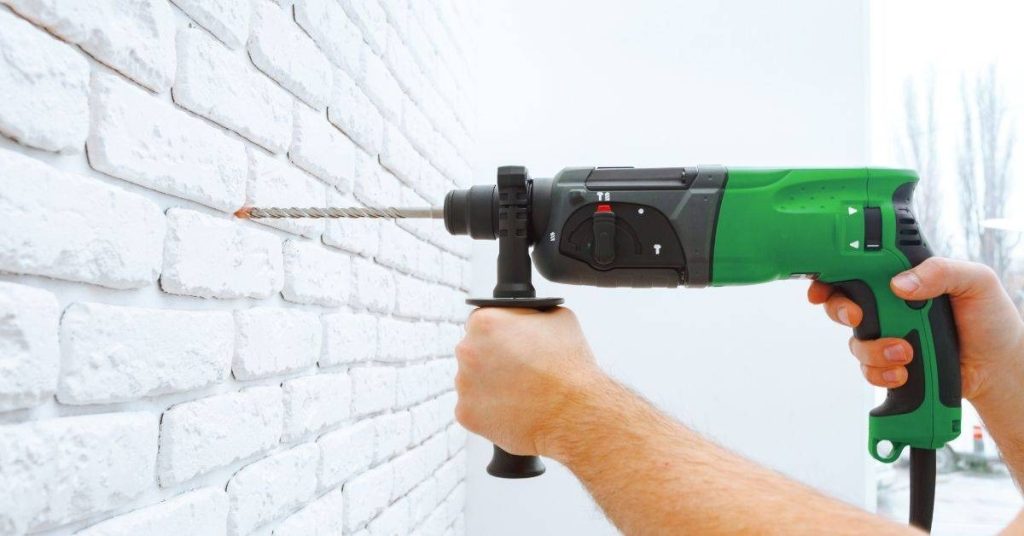
Person using green handheld electric drill on white brick wall

Rebuilding a loose single-wythe brick wall: tying methods and when to rebuild a section

Introduction Rebuilding a loose single-wythe brick wall involves using tying methods to re-secure the masonry and prevent additional movement. Identify the points of looseness and choose appropriate tying or anchoring approaches based on the wall condition. In some cases, that work only stabilizes the wall and a section may still need rebuilding if the bricks

Rebuilding a loose single-wythe brick wall: tying methods and when to rebuild a section Read More »

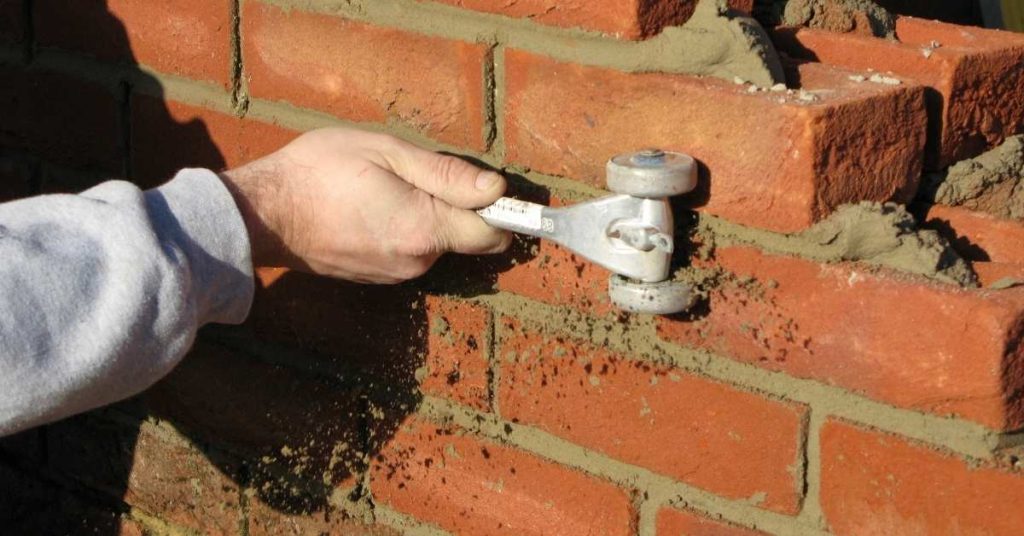
Hand using roller tool on fresh mortar between red bricks

Brick expansion joints: where they belong and how to reseal them

Introduction Brick expansion joints are gaps that allow movement between sections of brickwork as structures expand and contract. They help prevent cracking and mortar damage by accommodating seasonal and load changes. Identifying where these joints exist and how they should be resealed is a hands-on maintenance task rather than a cosmetic repair. Look for irregular

Brick expansion joints: where they belong and how to reseal them Read More »

Person holding green electric drill against white brick wall

Repairing chipped brick corners: patch materials that blend (and those that don’t)

Introduction Repairing chipped brick corners means restoring the edge with patch materials that match the surrounding masonry. This guide focuses on practical choices and steps you can take to blend or distinguish patches as needed. Material options range from blends that closely match color and texture to those that are meant to be obvious. Prepare

Repairing chipped brick corners: patch materials that blend (and those that don’t) Read More »

Hand holding drill making hole in brick wall

Salt damage to brick near sidewalks: preventing splashback and replacing compromised units

Introduction Salt damage to brick near sidewalks is deterioration caused by salt exposure that draws moisture and can cause spalling or flaking. This article explains how splashback occurs and what you can do to reduce damage before inspecting or replacing bricks. To approach the job, start by looking for efflorescence, cracks, or loose units near

Salt damage to brick near sidewalks: preventing splashback and replacing compromised units Read More »