Search Results for: how to fix missing red brick mortar

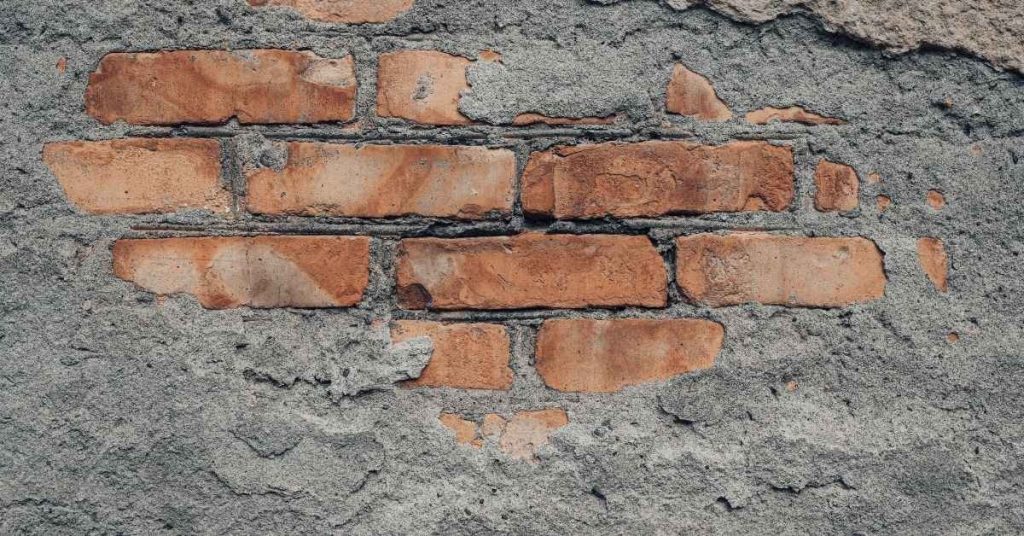
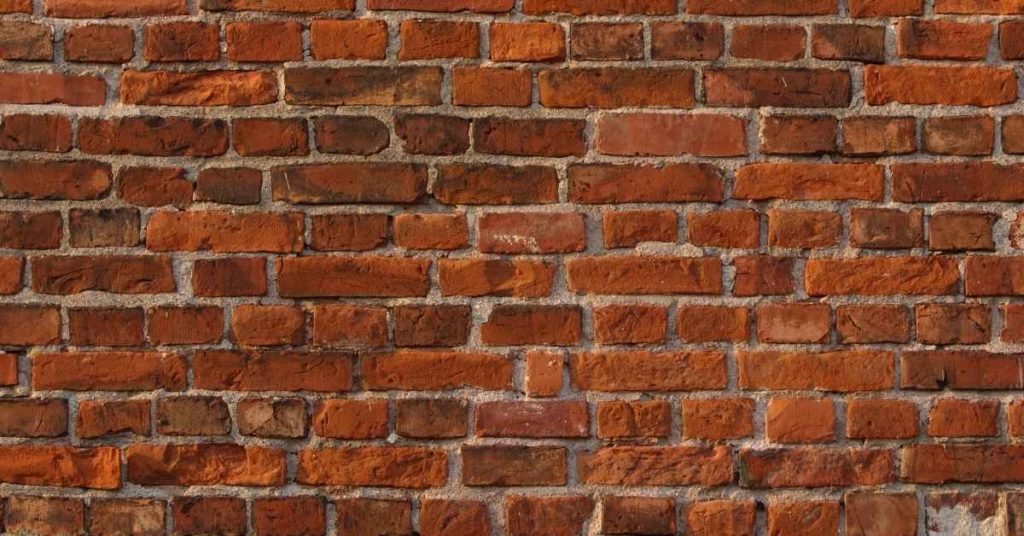
weathered red brick wall with visible mortar joints

Cleaning Mortar Smears Off Brick: Gentle Methods Before You Touch Acid

Introduction Cleaning mortar smears off brick means removing smeared or splashed mortar from brick surfaces using gentle, non-acid methods. The goal is to lift the residue without gouging the brick or mortar joints. Start with testing a small area and choose a mild approach first. Gentle options include dampening the smear and using a plastic […]

Cleaning Mortar Smears Off Brick: Gentle Methods Before You Touch Acid Read More »
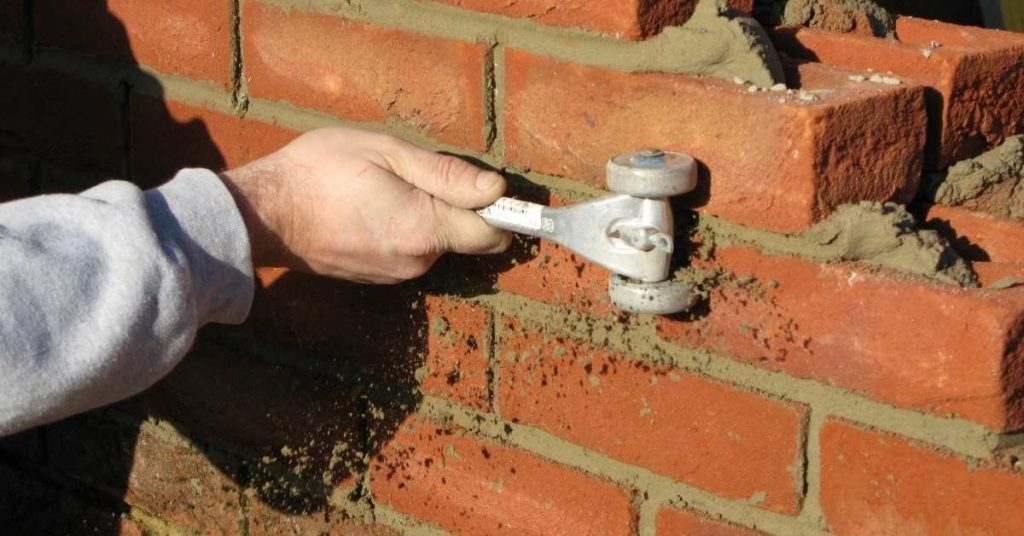
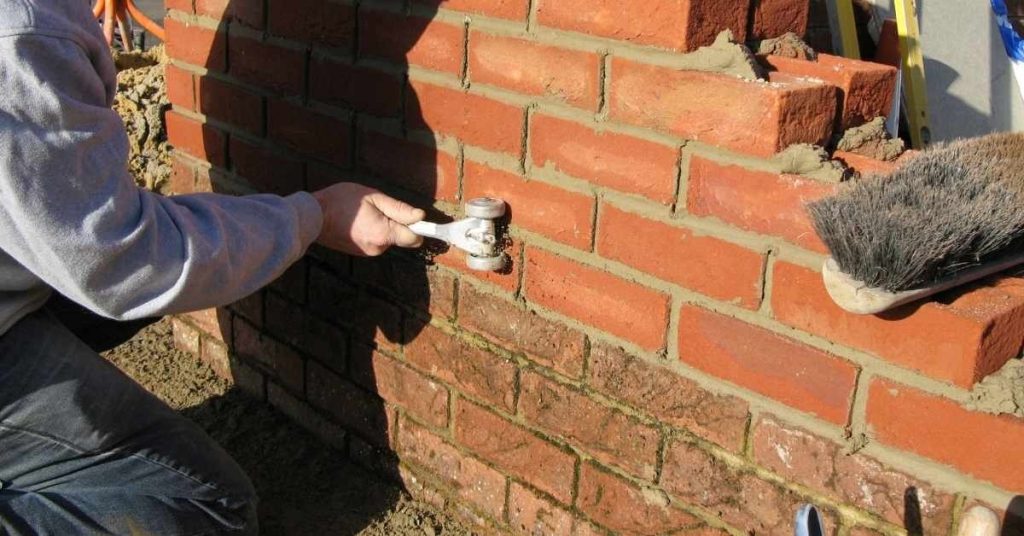
Hand using brick joint roller on fresh mortar joints

Brick Repointing Without Drool Lines: Vertical Joint Control Tricks

Introduction Brick repointing is the process of renewing the mortar between bricks to restore strength and look. This article focuses on doing it without leaving drool lines or smeared mortar, especially along vertical joints. We’ll talk through practical steps you can do on a DIY basis with common tools. Control vertical joints by tooling and

Brick Repointing Without Drool Lines: Vertical Joint Control Tricks Read More »

Person using joint roller on brick wall mortar joints

Brick Tuckpointing for DIY: Joint Prep, Tooling, and Curing Basics

Introduction Brick tuckpointing is the process of repairing mortar joints to restore strength and appearance. This article gives a practical, hands-on approach you can use at home. You’ll learn basic prep, tooling, and curing ideas without fancy jargon. Begin with a close inspection of the joints and determine whether you need to rake out damaged

Brick Tuckpointing for DIY: Joint Prep, Tooling, and Curing Basics Read More »

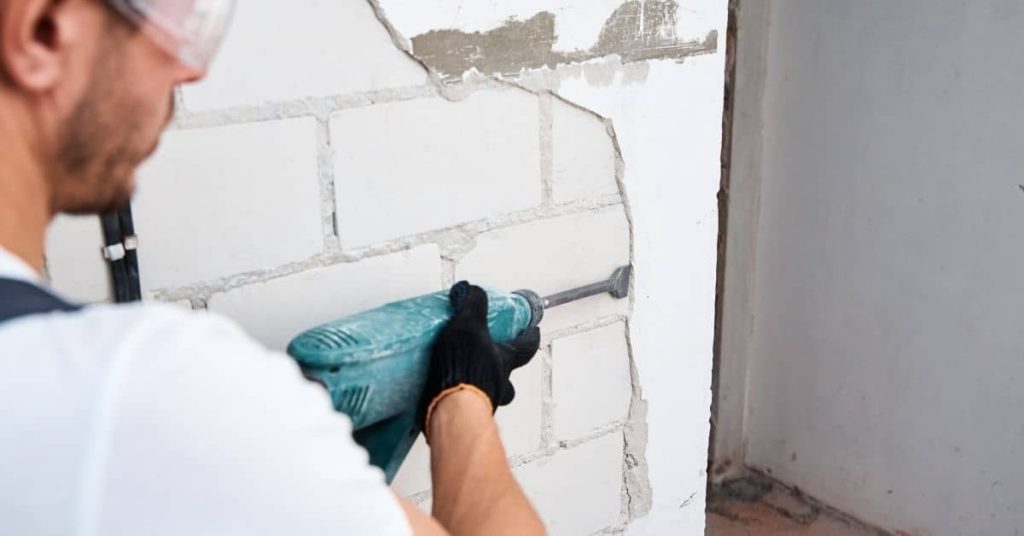
Worker using electric chisel removing stucco from wall

Stucco Bottom Edge Crumbling: Fixing wicking and keeping the base dry

Introduction Crumbling stucco at the bottom edge happens when moisture wicks into the base and weakens the coating. This article covers a practical DIY approach to stop the leak, remove damaged material, and start a proper patch. Check your local rules and product labels for compatibility and any safety steps. Start by cleaning the edge,

Stucco Bottom Edge Crumbling: Fixing wicking and keeping the base dry Read More »

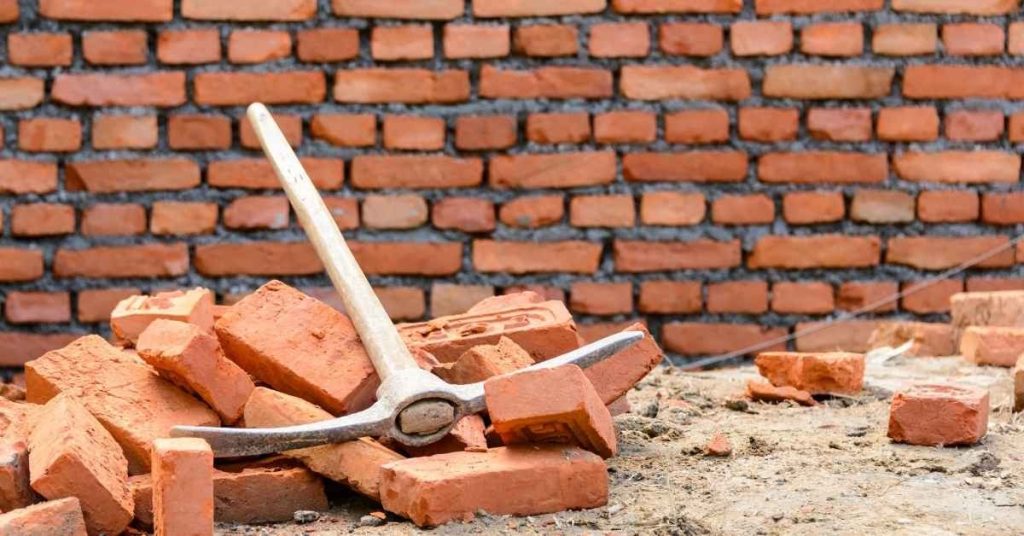
Pile of red bricks with a pickaxe resting on top

Efflorescence on Brick and Block: Removal Methods That Don’t Make It Worse

Introduction Efflorescence is the white, powdery deposit that forms on brick or block when water brings soluble salts to the surface. This article explains simple removal methods that avoid making it worse. You’ll get practical, hands-on steps you can do yourself without fancy tools. Start with the easiest, low-risk approach and test a small area

Efflorescence on Brick and Block: Removal Methods That Don’t Make It Worse Read More »

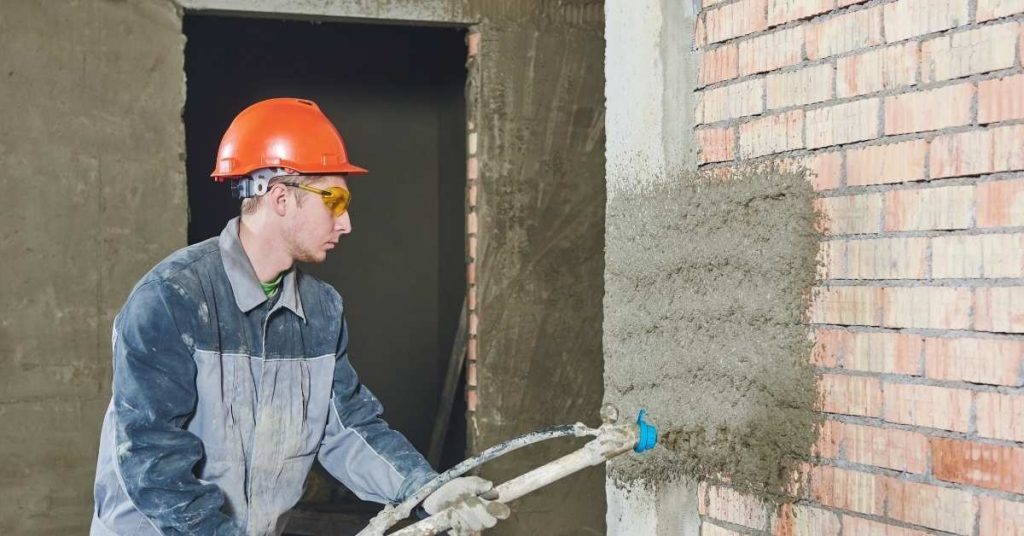
Hand applying stucco on brick wall with trowel

Stucco Termination at Brick or Stone: Transition Details That Don’t Crack or Trap Water

Introduction Stucco termination at brick or stone is the method of finishing and sealing the edge where stucco meets masonry so water is kept out and movement doesn’t crack the finish. Do the job with a clear gap for flashing, a solid backstop, and a termination trim that lets water drain; check product labels and

Stucco Termination at Brick or Stone: Transition Details That Don’t Crack or Trap Water Read More »

Partially covered brick wall with stucco and exposed bricks

Stucco Termination at Brick or Stone: A Step-by-Step Timeline for DIY Success

Introduction The transition from stucco to brick or stone is a critical detail in any construction project, but it doesn’t have to be time-consuming. With the right planning and execution, you can complete this task efficiently. In this guide, we’ll break down the process into manageable steps, focusing on the timeline to help you understand

Stucco Termination at Brick or Stone: A Step-by-Step Timeline for DIY Success Read More »

Rust-colored paint roller and brushes in paint tray

Why Primer Fails: Common Adhesion and Stain Problems, Simple Tests, and Reliable Fixes

Introduction Primer fails when it cannot stick to the surface or is overwhelmed by stains; in plain terms, failed adhesion and bleed-through mean the primer lost the mechanical or chemical grip it needs or contaminants pushed through. I’ll walk you through what usually causes those problems on a jobsite and how to spot them before

Why Primer Fails: Common Adhesion and Stain Problems, Simple Tests, and Reliable Fixes Read More »