Search Results for: heat resistant cement for high heat

Stamped concrete patio with curved soft edges and garden bed

Soft-Edge vs Sharp-Edge Arrises on Concrete: How to Tool for Durability and Clean Lines

Introduction Soft-edge arrises are rounded or slightly chamfered corners on concrete that reduce chipping, while sharp-edge arrises are crisp 90-degree edges that give a clean look but can be more vulnerable to damage; choose the edge type based on the use and expected wear. For DIY work this means prepping your forms, selecting the right […]

Soft-Edge vs Sharp-Edge Arrises on Concrete: How to Tool for Durability and Clean Lines Read More »

Close-up of weathered wooden fence post with barbed wire and grass

Installing a Handrail Post in Concrete: Sleeves, Water Seals, and Freeze-Thaw Details

Introduction Installing a handrail post in concrete means setting a strong anchor that resists forces and stays watertight through freeze–thaw cycles; it’s done by using a post sleeve or flange, sealing the joint, and backfilling or grouting properly. Think like a foreman: plan the hole or sleeve position, choose a sealing method, and follow product

Installing a Handrail Post in Concrete: Sleeves, Water Seals, and Freeze-Thaw Details Read More »

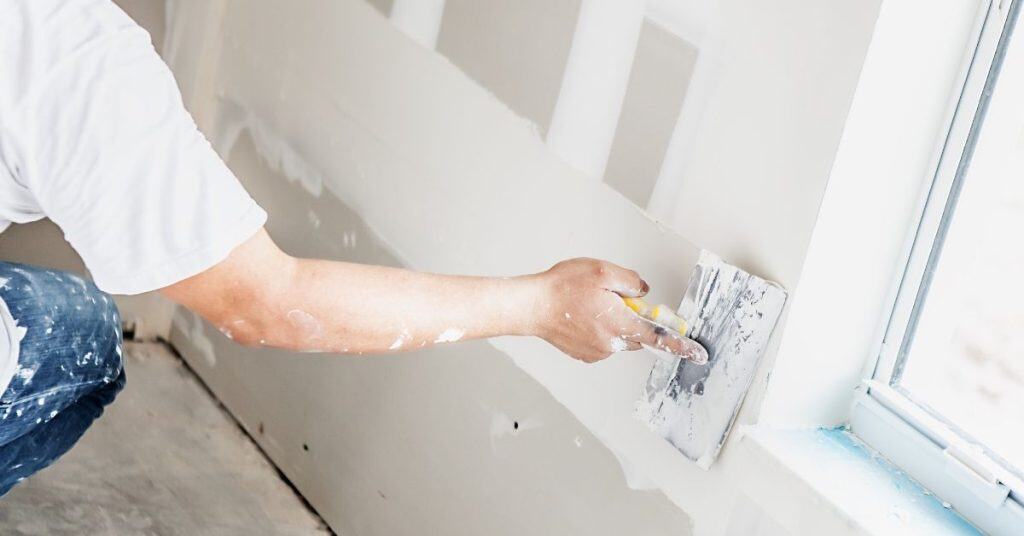
Person applying drywall joint compound near window

Choosing Plaster vs Joint Compound for Repairs: Durability, Sanding, and Paint Finish Differences

Introduction Plaster is a harder-setting wall finish made from cement- or gypsum-based mixes, while joint compound is a softer, gypsum-based product meant for taping and small repairs. For DIYers that means plaster will hold up better in high-traffic areas and where impact resistance matters, and joint compound is easier to apply and feather for small

Choosing Plaster vs Joint Compound for Repairs: Durability, Sanding, and Paint Finish Differences Read More »

Exterior stucco wall with scaffolding and windows

Stucco-to-Window Joint Leaks: Backer Rod Depth, Sealant Profiles, and Flashing Red Flags

Introduction Stucco-to-window joint leaks are failures where the seal between the stucco and the window lets water in, usually from improper backer rod depth, wrong sealant profile, or missing/incorrect flashing. Fixing them is about getting the joint depth right for the backer rod, choosing a compatible sealant, and making sure flashing directs water away from

Stucco-to-Window Joint Leaks: Backer Rod Depth, Sealant Profiles, and Flashing Red Flags Read More »

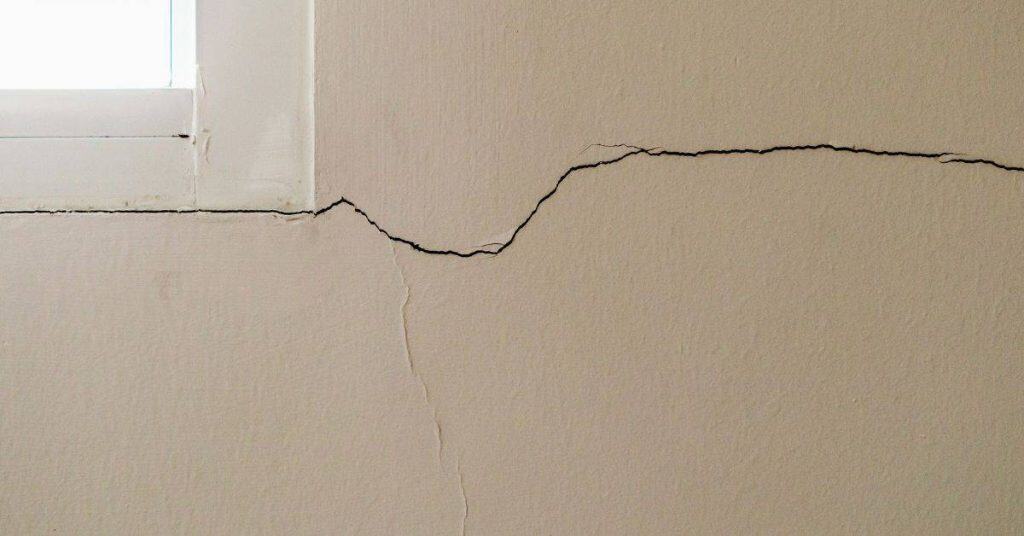
Wall with a long crack near a window frame

Plaster Cracks That Keep Coming Back: Movement Checks, Mesh Options, and Control-Joint Alternatives

Introduction Plaster cracks that keep coming back are usually signs of ongoing movement—either structural, thermal, or moisture-related—rather than a one-off surface failure. In plain terms: fix the movement first, then choose a flexible joint compound or mesh to bridge how much movement you expect and follow the product label for prep and cure times. Check

Plaster Cracks That Keep Coming Back: Movement Checks, Mesh Options, and Control-Joint Alternatives Read More »

Pressure washer cleaning wooden deck surface

Painting After Pressure Washing: How to Tell When Siding and Masonry Are Truly Dry Enough to Prime

Introduction “Dry enough” means the surface has lost visible and tactile moisture and any trapped dampness that would prevent primer from bonding; test by touch, absorbency checks, and following product label guidance. Look for no surface sheen, no dark patches, and no water beading when you flick or blot the material, and when in doubt,

Painting After Pressure Washing: How to Tell When Siding and Masonry Are Truly Dry Enough to Prime Read More »

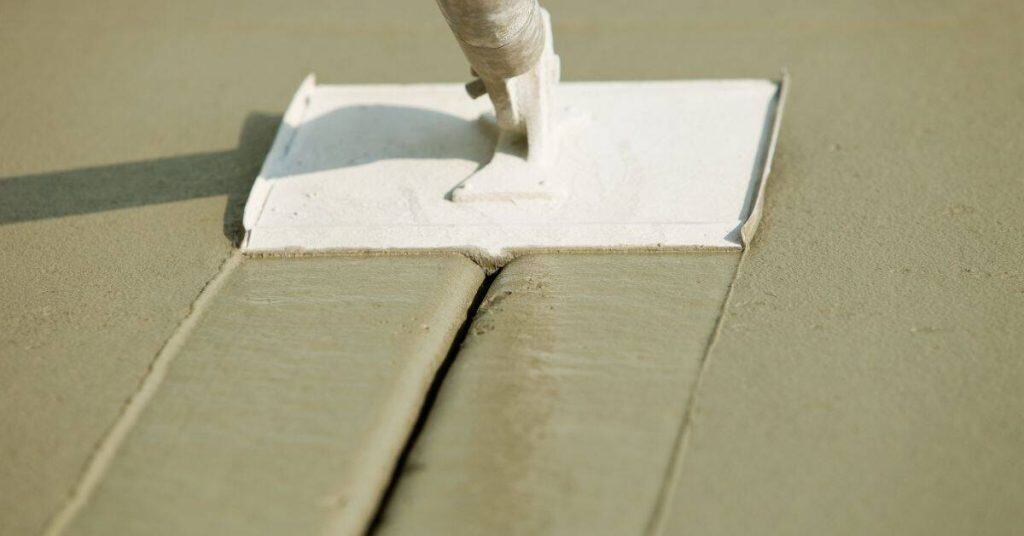
Concrete finishing tool smoothing joint line in wet concrete

Concrete Joint Failures Explained: What Goes Wrong When Control Joints Are Missing, Too Shallow, or Cut Too Late

Introduction Concrete joint failures happen when control joints are missing, too shallow, or cut too late, allowing random cracking and edge spalling instead of directing where the slab will split. In plain jobsite terms: if you don’t plan joint locations, don’t cut them deep enough, or wait too long, the slab will crack where it

Concrete Joint Failures Explained: What Goes Wrong When Control Joints Are Missing, Too Shallow, or Cut Too Late Read More »

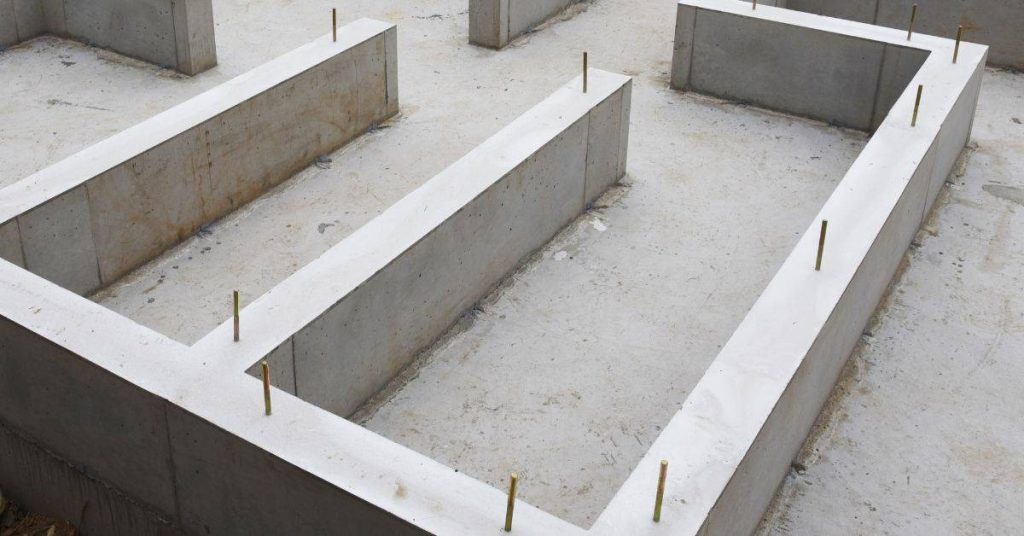
concrete foundation forms with metal rods embedded

How to Add a Concrete Splash Curb Along Siding: Forms, Expansion Joint, and Drainage

Introduction A concrete splash curb along siding is a small raised strip of concrete cast against the wall to deflect water away from the foundation and siding. It’s a hands-on job that involves forming a narrow curb, leaving a movement gap (expansion joint) where the curb meets the wall, and planning a path for water

How to Add a Concrete Splash Curb Along Siding: Forms, Expansion Joint, and Drainage Read More »

Wooden concrete formwork with soil inside and wooden braces

Concrete Formwork for Curves: Timeline and Steps by Time

Introduction The process of creating concrete formwork for curves involves careful planning, preparation, and execution. Understanding the timeline and steps involved can help you manage your project more efficiently. In this guide, we’ll break down the process into clear, time-specific stages to ensure you stay on track and complete your curved concrete forms successfully. For

Concrete Formwork for Curves: Timeline and Steps by Time Read More »

Brick chimney with metal flashing on shingled roof

How to Rebuild Stucco at a Chimney Cricket: Flashing Integration Without Leaks

Introduction Rebuilding stucco at a chimney cricket means removing damaged material, repairing the substrate, and re-flashing the cricket so water is directed away from the chimney without leaks. This is a hands-on DIY task that combines cutting back stucco, checking and repairing the underlying sheathing and metal flashing, and installing compatible stucco layers. Before you

How to Rebuild Stucco at a Chimney Cricket: Flashing Integration Without Leaks Read More »