Search Results for: heat resistant cement for high heat

Concrete beam and metal frame structure under clear blue sky

Concrete Anchor Selection for DIY Projects: Wedge vs Sleeve vs Drop-In vs Epoxy

Introduction Concrete anchor selection for DIY projects means matching the anchor type—wedge, sleeve, drop-in, or epoxy—to the load, base material, and environment so your fastener actually holds; pick by how the load is applied, whether the concrete is cracked or uncracked, and where moisture or chemicals are present. Think practical: wedges bite into solid, uncracked […]

Concrete Anchor Selection for DIY Projects: Wedge vs Sleeve vs Drop-In vs Epoxy Read More »
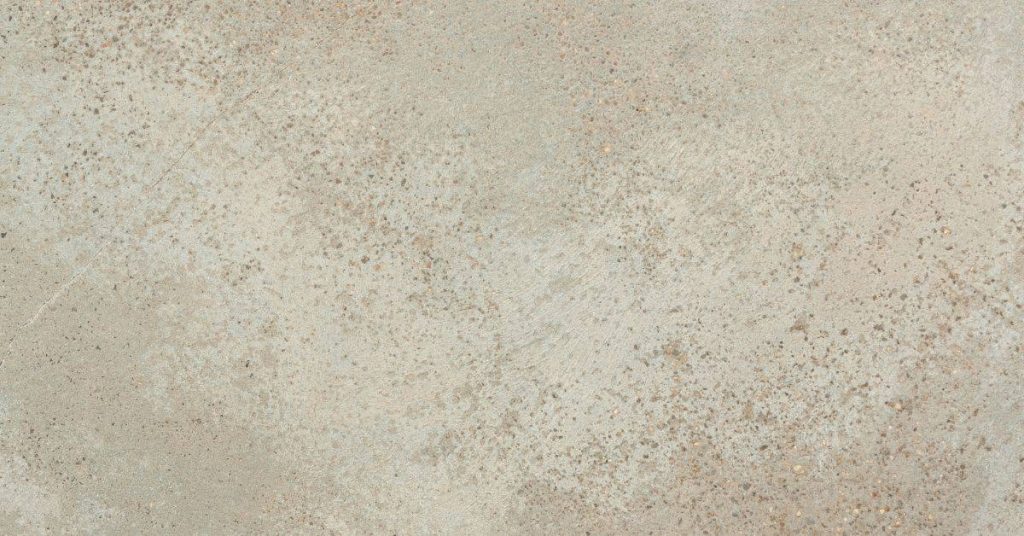
closeup of textured concrete surface with salt finish

Concrete Salt Finish Patching: How to Recreate the Texture Without Obvious Islands

Introduction Concrete salt finish patching is a way to match the coarse, pocked texture of an existing salt finish by embedding and removing salt or an aggregate substitute so the repair blends in. This job is hands-on: you clean and profile the old concrete, feather the repair edges, and match the mix and timing so

Concrete Salt Finish Patching: How to Recreate the Texture Without Obvious Islands Read More »

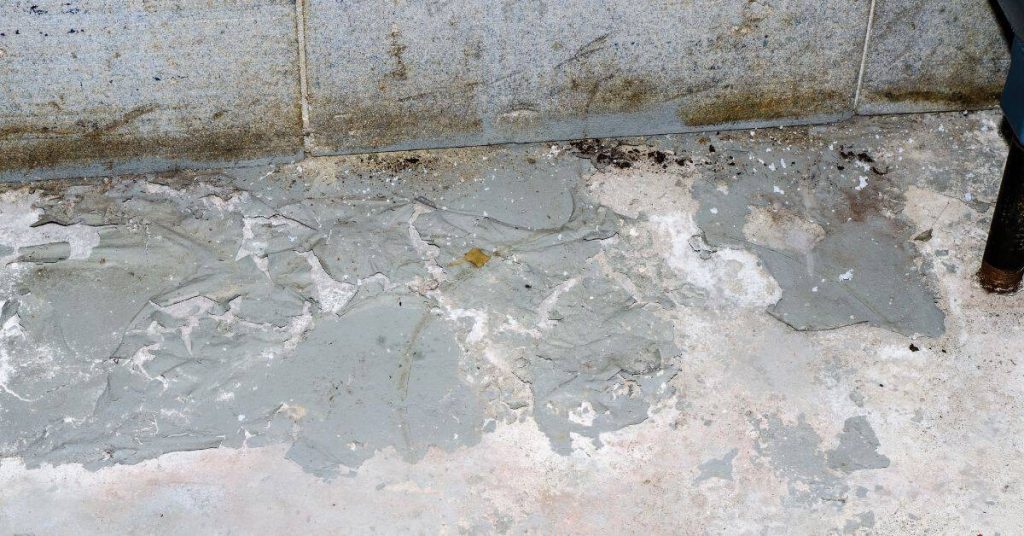
Concrete surface with peeling and scaling damage

Concrete Scaling From De-Icers: Diagnosing Salt Damage and Resetting the Surface

Introduction Concrete scaling from de-icers is surface flaking and loss of the concrete paste caused or accelerated by salt exposure and freeze-thaw action. I’ll walk you through how to spot salt damage, what causes it, and practical ways to reset the surface so your slab is safe and serviceable again. This is written for a

Concrete Scaling From De-Icers: Diagnosing Salt Damage and Resetting the Surface Read More »

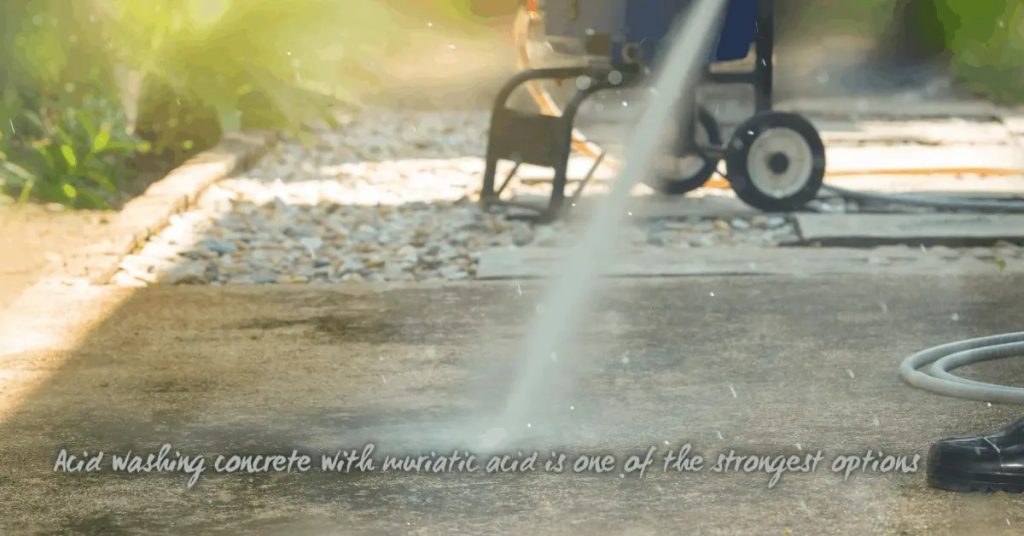
Pressure washing concrete surface with hose spray

How to Neutralize Acid Cleaners on Concrete: Rinse Strategy That Prevents Future Scaling

Introduction Neutralizing acid cleaners on concrete means thoroughly rinsing and neutralizing the acid so it stops etching or causing future scaling; start by flushing the surface with plenty of water and follow with a bicarbonate or other manufacturer-recommended neutralizer until pH tests indicate neutral. Use common tools—hose with spray nozzle, stiff push broom, bucket, pH

How to Neutralize Acid Cleaners on Concrete: Rinse Strategy That Prevents Future Scaling Read More »

Ceiling with large peeling white paint revealing gray surface

Concrete Efflorescence vs Lime Run: Spotting the Difference and Choosing the Right Cleaner

Introduction Efflorescence is a white, powdery salt deposit that forms when water carries soluble salts to the concrete surface, while lime run is a sticky, glossy white or pale film from excess lime or cement paste washing out during finishing or cleanup. Spotting which you have matters because one is salt left behind and the

Concrete Efflorescence vs Lime Run: Spotting the Difference and Choosing the Right Cleaner Read More »

Rows of concrete blocks arranged on racks for curing

How to Stop Concrete Patch Color Mismatch: Water Control, Curing, and Tint Options

Introduction Stopping concrete patch color mismatch means controlling water, curing, and surface tinting so the patched area dries and weathers like the surrounding slab. Focus first on water management at the mix and jobsite—too much or too little water changes color and texture, so check product labels and adjust by feel and small test patches.

How to Stop Concrete Patch Color Mismatch: Water Control, Curing, and Tint Options Read More »

Stacks of rough concrete stepping stones on wooden pallets

How to Cast Concrete With Built-In Drip Edges: Simple Form Tricks That Look Pro

Introduction Casting concrete with built-in drip edges means shaping the form so the concrete cures with a small overhang that sheds water away from the face — it’s simply a form trick, not a special concrete mix. This uses small blocks, chamfer strips, or notched forms that you set into the mold before the pour;

How to Cast Concrete With Built-In Drip Edges: Simple Form Tricks That Look Pro Read More »

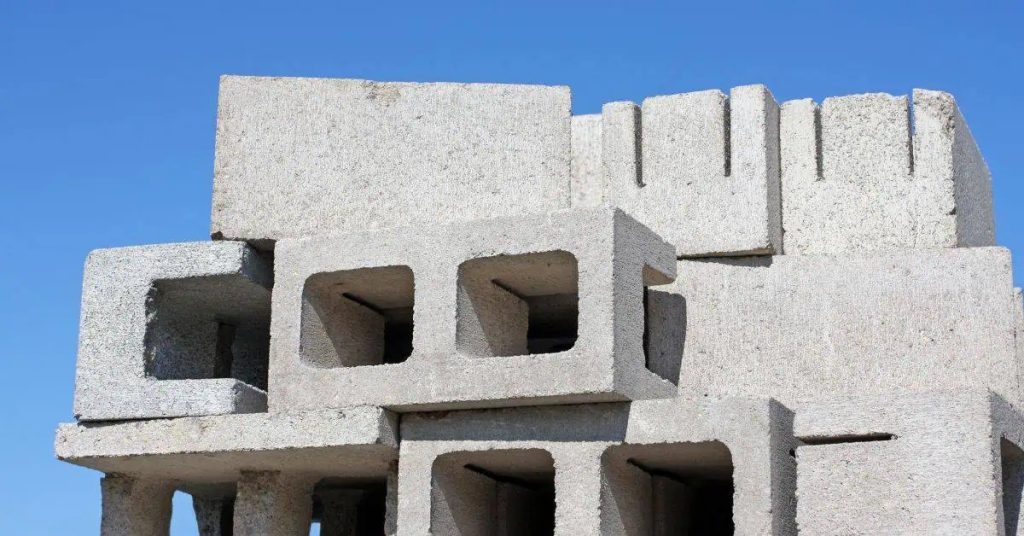
Stack of gray concrete cinder blocks against clear blue sky

Concrete Planter Waterproofing: Sealers, Liners, and Drain Details That Prevent Cracking

Introduction Concrete planter waterproofing means keeping moisture out of the concrete and away from the reinforcement so the planter holds up without cracking. Use breathable sealers or a physical liner and make sure water can drain—check product labels and local guidance for compatibility and cure times. This is a hands-on job: prep the surface, apply

Concrete Planter Waterproofing: Sealers, Liners, and Drain Details That Prevent Cracking Read More »

Stamped concrete patio with rectangular stone-pattern blocks beside a pool.

Repairing Faded Stamped Concrete: Recolor Options and Reseal Without Trapping Moisture

Introduction Repairing faded stamped concrete means bringing back color and protecting the surface without sealing in moisture that can cause further damage. It’s a hands-on job of cleaning, fixing small surface defects, choosing a recolor method that matches the existing look, and then applying a sealer chosen for breathability and surface conditions. Check product labels

Repairing Faded Stamped Concrete: Recolor Options and Reseal Without Trapping Moisture Read More »