Search Results for: heat resistant cement for high heat

cutting concrete board with small knife and yellow level

Concrete Joint Layout Around Columns and Corners: Cutting Random Cracks Off at the Pass

Introduction Concrete joint layout around columns and corners is the planned pattern of control joints and cuts that guide where concrete cracks, keeping them neat and out of the way of structural elements. In plain jobsite terms, it means thinking through where joints go before you pour so columns and corners aren’t left with random, […]

Concrete Joint Layout Around Columns and Corners: Cutting Random Cracks Off at the Pass Read More »

Smooth epoxy coated concrete garage floor with car

Setting Epoxy Anchors in Damp Concrete: When It Works and When It’s a Hard No

Introduction Epoxy anchors can work in damp concrete, but whether they do depends on the product and the site conditions. Some epoxies tolerate dampness or damp-to-wet surfaces, while others require dry holes—check the manufacturer instructions and product label before you start. On the jobsite that means choosing the right epoxy cartridge for moisture, cleaning and

Setting Epoxy Anchors in Damp Concrete: When It Works and When It’s a Hard No Read More »

Stacked precast concrete slabs outdoors on construction site

Vapor Barriers Under Slabs: Thickness, Seams, and How to Patch After Plumbing Cuts

Introduction A vapor barrier under a slab is a continuous layer of material placed on the subbase to limit moisture movement into the concrete. For DIY installs that means picking a durable sheet, checking the manufacturer label for thickness and puncture resistance, and planning how seams and penetrations will be sealed. Think practical: roll it

Vapor Barriers Under Slabs: Thickness, Seams, and How to Patch After Plumbing Cuts Read More »

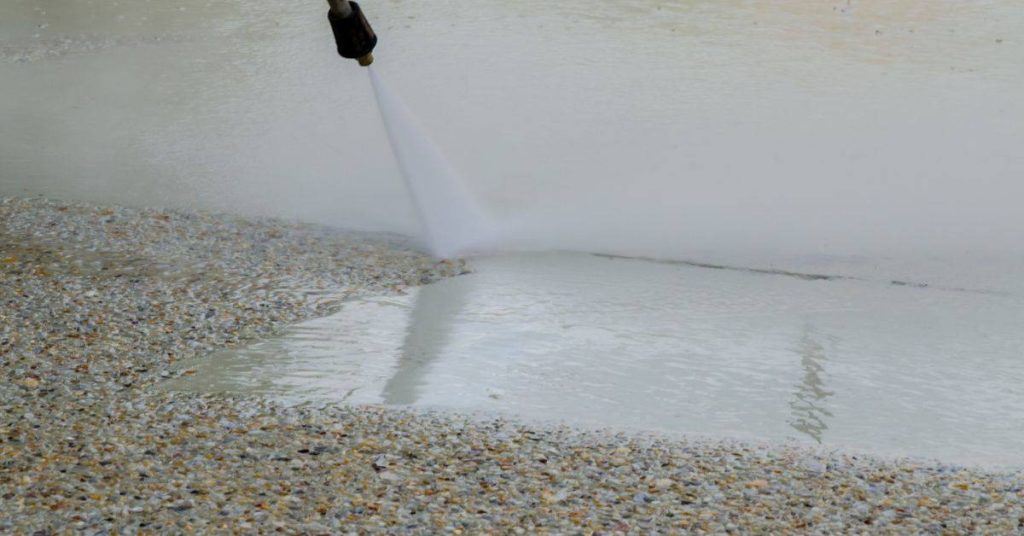
Pressure washing exposed aggregate concrete surface

Concrete Etch Alternatives: When Degreasing and Profiling Beat Acid Washing

Introduction Concrete etch alternatives are practical cleaning and mechanical methods—like degreasing and surface profiling—that replace acid washing when you need safer, more controlled prep. As a DIYer, think of degreasing to remove oils and contaminants and of profiling (grinding, shot blasting, or scarifying) to roughen the slab so coatings will stick; check product labels and

Concrete Etch Alternatives: When Degreasing and Profiling Beat Acid Washing Read More »

Modern living room with gray concrete floor and gray sofa

Concrete Dyes vs Stains: UV Fade Reality and Best Uses Indoors vs Out

Introduction Concrete dyes are colorants that penetrate or bind to the surface for vivid, often translucent color, while stains are chemical or pigment treatments that change color through a reaction or surface coating; pick the product by reading the label and manufacturer instructions for your exact material. In plain jobsite terms: dyes usually give brighter,

Concrete Dyes vs Stains: UV Fade Reality and Best Uses Indoors vs Out Read More »

Close-up of concrete floor grinding machine in use

Grinding vs Scarifying for Concrete Prep: Choosing the Right Texture for Coatings

Introduction Grinding means removing surface material with rotating diamond wheels to smooth or level concrete, while scarifying uses a drum of carbide cutters to aggressively cut grooves and remove heavy coatings; pick grinding for light profiling and scarifying for fast, deep removal. This is a practical, hands-on choice: think about how much material you must

Grinding vs Scarifying for Concrete Prep: Choosing the Right Texture for Coatings Read More »

Hand using float tool smoothing fresh concrete joint

Polyurethane Crack Sealants in Concrete: Joint Prep, Backer Rod, and Tooling Tips

Introduction Polyurethane crack sealant is a flexible caulk used to fill and seal concrete joints and cracks to keep water and debris out while allowing movement. For a good DIY result, clean the joint, set an appropriate backer rod if the crack is deep or wide, and follow the sealant manufacturer’s instructions for temperature, priming,

Polyurethane Crack Sealants in Concrete: Joint Prep, Backer Rod, and Tooling Tips Read More »

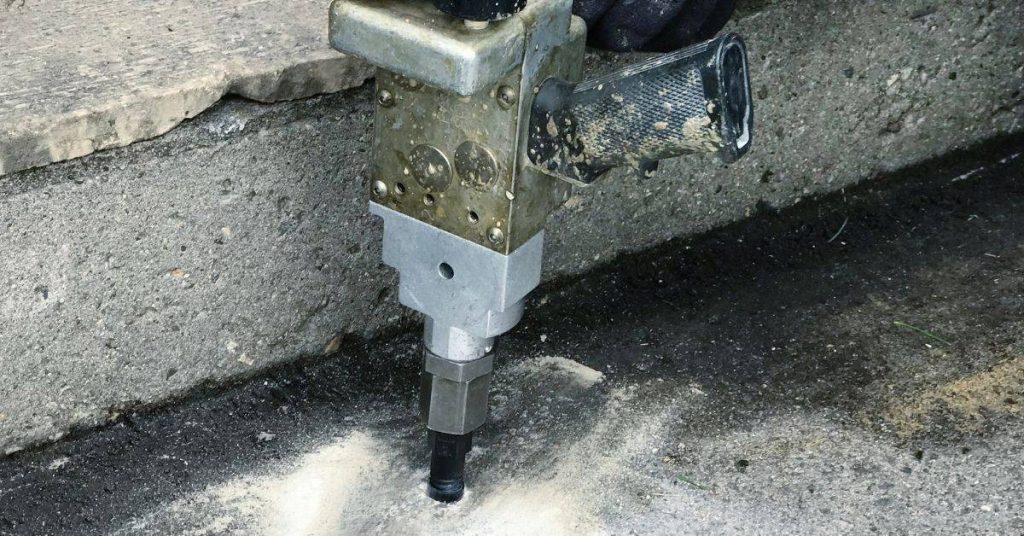
Close-up of concrete injection repair tool on cracked concrete

Epoxy Crack Injection Basics: When It’s Structural and When Flexible Sealants Are Better

Introduction Epoxy crack injection is a method that bonds and restores load-bearing concrete when a crack is clean, stable, and dry, while flexible sealants are better for cracks that move or need to keep out water without carrying structural loads. Think of epoxy like a hard glue for structural repair and polyurethane or silicone as

Epoxy Crack Injection Basics: When It’s Structural and When Flexible Sealants Are Better Read More »

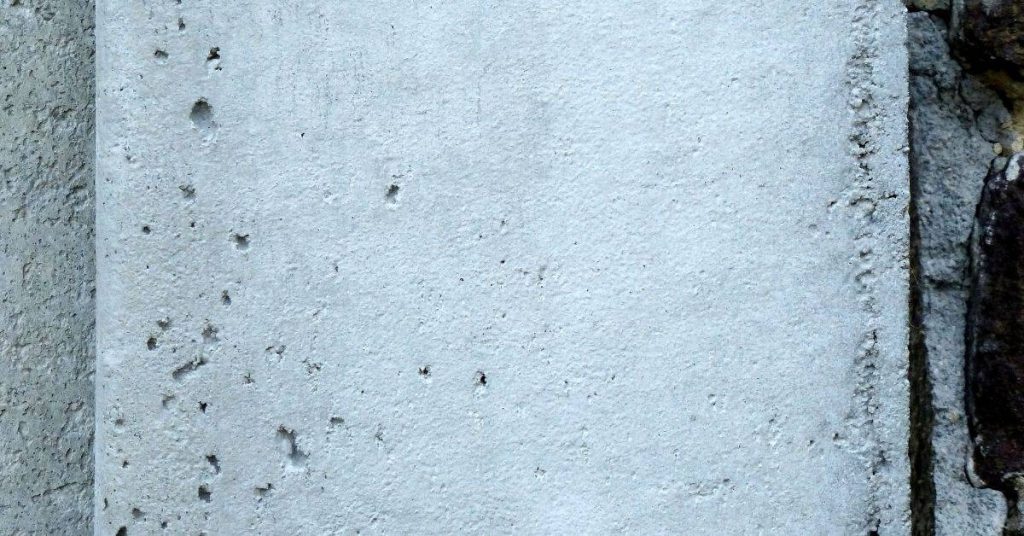
Close-up of concrete wall surface with small holes and rough texture

Form Tie Holes on Concrete Walls: Step-by-Step Clean Fill Techniques in Under 3 Hours

Introduction Tackling form tie holes on concrete walls doesn’t have to be a time-consuming project. With the right techniques and materials, you can clean, fill, and seal these pesky halos in under three hours. Let’s break down the process into manageable steps, ensuring you stay within your schedule without compromising quality. For the full guide,

Form Tie Holes on Concrete Walls: Step-by-Step Clean Fill Techniques in Under 3 Hours Read More »