Search Results for: grinding

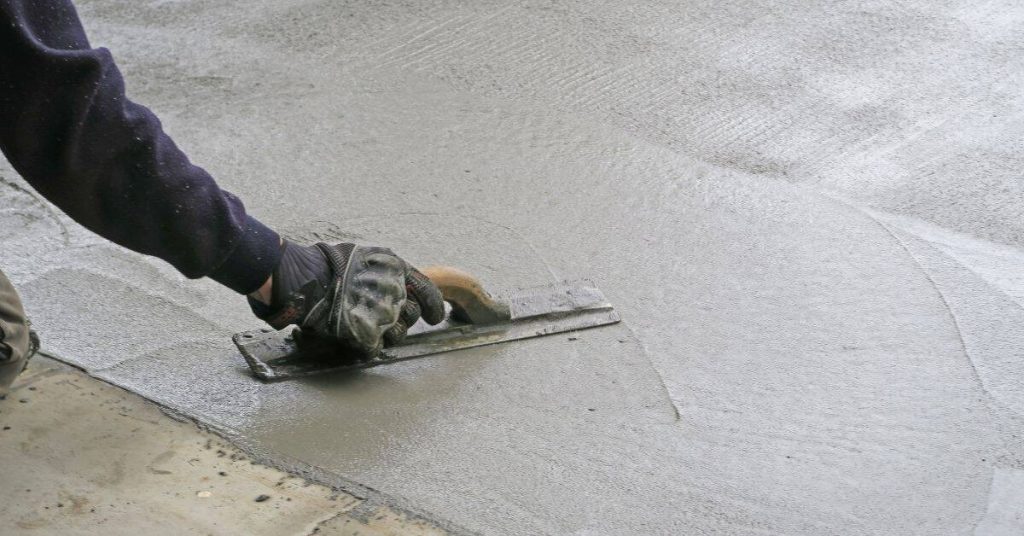
Person using power trowel on fresh concrete slab

Crazing and hairline map cracks in concrete: over-finishing clues and how to keep it subtle

Introduction Crazing and hairline map cracks are fine surface fractures that develop on concrete as it dries and cures. They often appear as delicate networks across countertops or floors and can be challenging to hide with finishing alone. Understanding why they form helps you decide when a subtle finish is appropriate and when to address […]
Crazing and hairline map cracks in concrete: over-finishing clues and how to keep it subtle Read More »

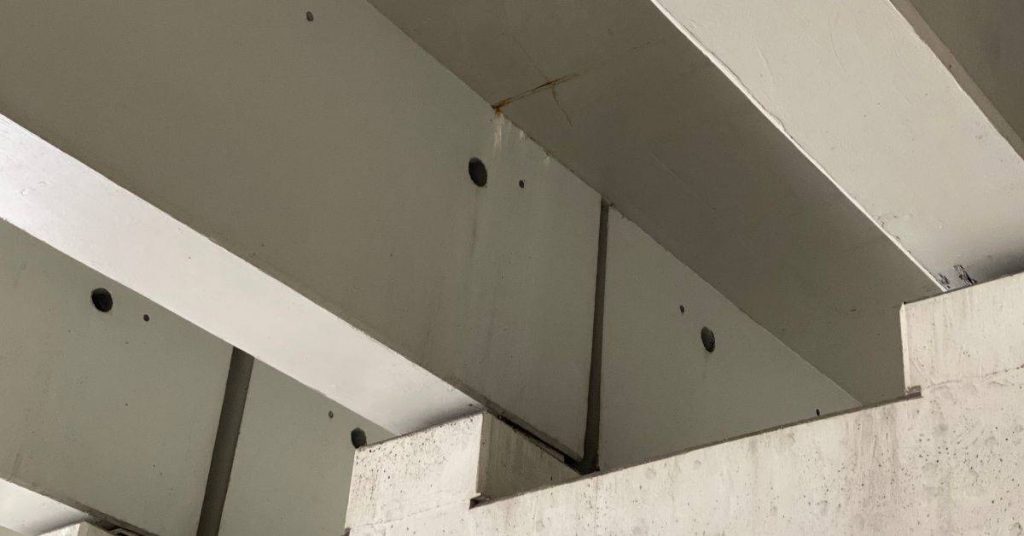
Concrete beam to column connection with visible dark stains

Form oil and release agents for concrete: the types that stain and how to avoid fish-eyes

Introduction Use a form release agent approved for your exact form surface, concrete finish, and any later sealer, stain, topping, coating, or adhesive. Apply a thin, even film; remove every visible puddle or run; and let it reach the product’s stated ready-to-use condition before placing concrete. The current technical data sheet (TDS) and safety data

Form oil and release agents for concrete: the types that stain and how to avoid fish-eyes Read More »

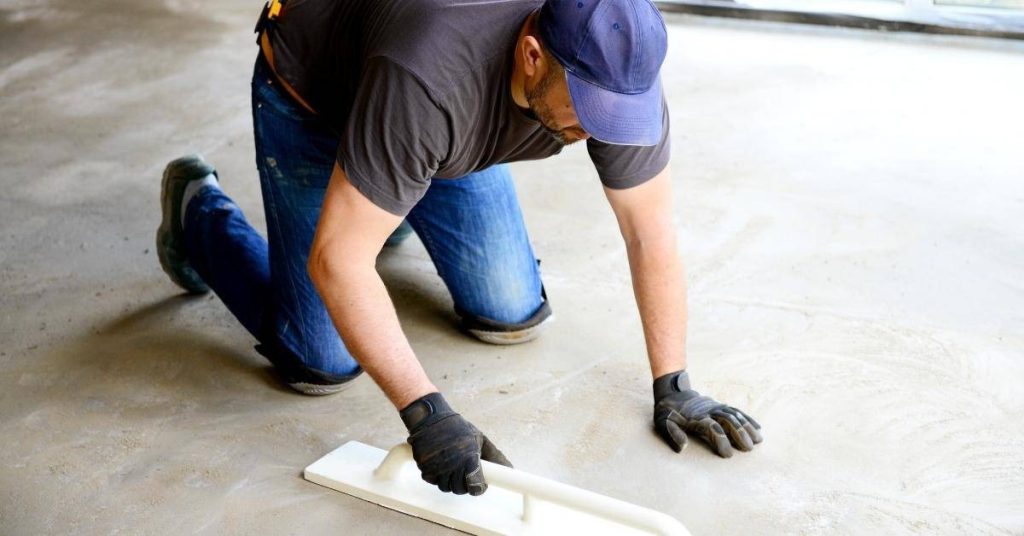
Worker smoothing fresh concrete slab with trowel

Laitance on fresh concrete pours: quick tests and the right removal method before coatings

Introduction Laitance is the thin, weak film of cement and fine particles that rises to the surface of freshly poured concrete. It forms when fines and moisture push to the top, leaving a smooth but poor bonding layer. Quick checks include a light skim with a dull tool or a damp wipe to feel for

Laitance on fresh concrete pours: quick tests and the right removal method before coatings Read More »

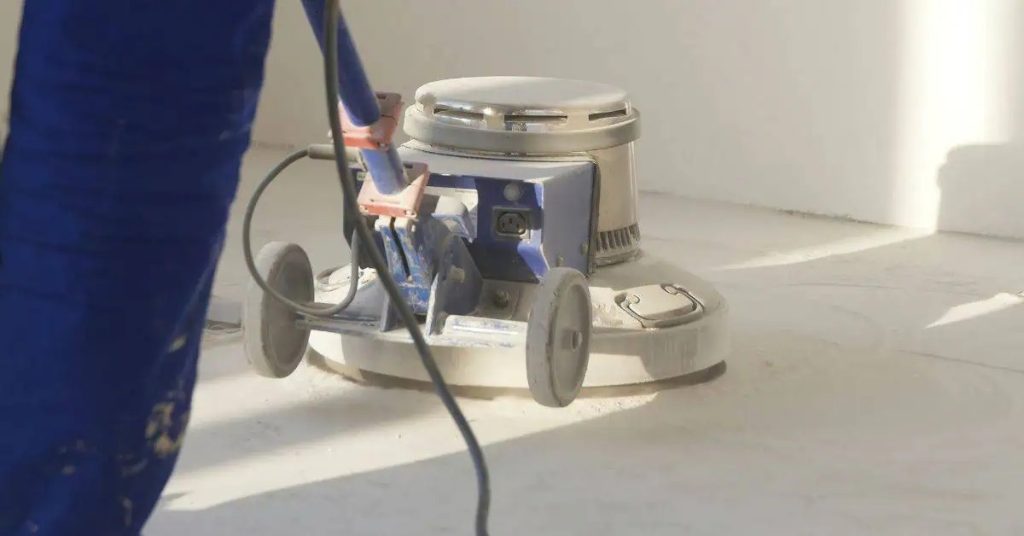
Concrete floor polishing machine on smooth concrete surface

Bonding new concrete to old work: scarify vs grind vs acid (and why acid often disappoints)

Introduction Scarify, grind, and acid are surface-prep methods used to promote bonding between new concrete and old work. Choosing the right method depends on the old surface condition and the project, and acid often disappoints if not applied carefully. This article explains practical choices in plain language and what to expect when you prep for

Bonding new concrete to old work: scarify vs grind vs acid (and why acid often disappoints) Read More »

Unfinished multi-story concrete building structure outdoors

Self-leveling overlays on concrete: dams, primers, and stopping pinholes and ripples

Introduction Self-leveling overlays are pourable surface toppings designed to flow into low spots and produce a flat, smooth concrete surface. They rely on proper surface preparation, containment dams at edges, and primer or bond agents to promote adhesion. Always follow the material manufacturer’s instructions for mixing, compatibility with the concrete, and cure requirements. Before you

Self-leveling overlays on concrete: dams, primers, and stopping pinholes and ripples Read More »

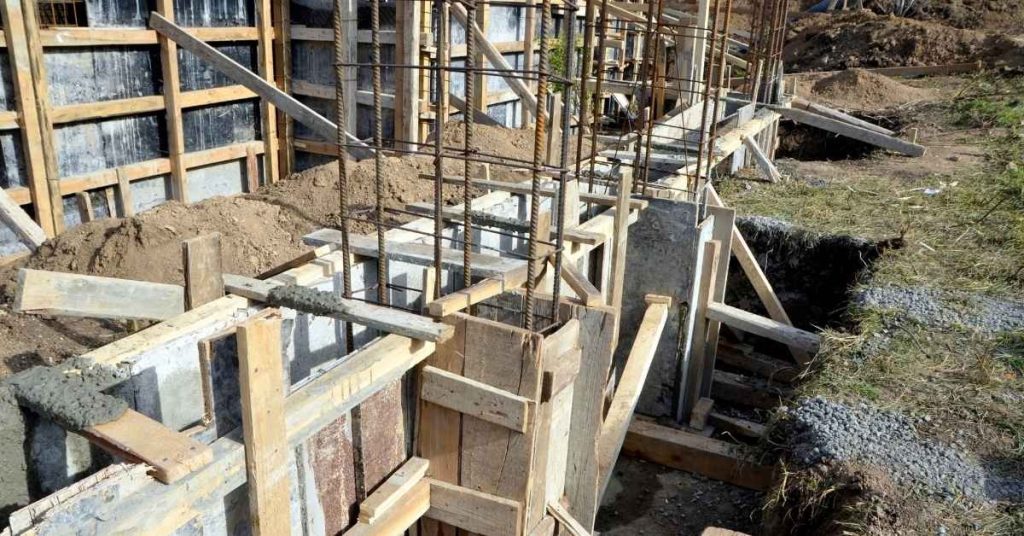
Concrete foundation formwork with exposed rebar and soil

Feather finish vs polymer patch on concrete: choosing a repair that won’t pop off in winter

Introduction Cement Skim Coat vs Polymer Patch for Winter Repairs Feather finish is a thin cement skim coat, ideal for smoothing surfaces. A polymer patch, on the other hand, is a patching compound used to fill small defects. This guide compares their winter performance and provides practical DIY repair steps. Assess damage extent, substrate condition,

Feather finish vs polymer patch on concrete: choosing a repair that won’t pop off in winter Read More »

Stone water well with bucket hanging on pulley system

Choosing the right concrete crack repair for your situation: movement, width, and water

Introduction Choosing the right concrete crack repair depends on movement, width, and water exposure. This article explains how these factors guide material choice and repair approach. It keeps the guidance practical and focused on real‑world DIY work. Cracks come from settlement, drying shrinkage, or load stress, and they vary from hairline to wider gaps. Prepare

Choosing the right concrete crack repair for your situation: movement, width, and water Read More »

Concrete being smoothed with a long-handled screed tool

Crazing and Hairline Map Cracks in Concrete: over-Finishing Clues and How to Keep It Subtle

Introduction Crazing and hairline map cracks are shallow surface cracks that occur when the concrete surface dries or finishes too aggressively. They often appear as a fine web across the countertop and can be subtle or noticeable. This article explains how to recognize them and what to check to keep finishes from looking overworked. Drying

Crazing and Hairline Map Cracks in Concrete: over-Finishing Clues and How to Keep It Subtle Read More »

Worker smoothing new concrete floor with hand float

Bonding New Concrete to Old Work: Scarify Vs Grind Vs Acid (and Why Acid Often Disappoints)

Introduction Bonding new concrete to old work means preparing the surface so fresh concrete will adhere to an existing slab. Scarify, grind, and acid-etch are common surface-prep options, each with its own trade‑offs. Understanding when to use each method helps you avoid weak bonds and failed pours. Scarifying provides a mechanical key by roughening the

Bonding New Concrete to Old Work: Scarify Vs Grind Vs Acid (and Why Acid Often Disappoints) Read More »

Empty indoor parking garage with smooth concrete floor and white lines

Dusty Concrete Garage Slabs: When Sweeping and Densifiers Help and When Resurfacing Is the Only Fix

Introduction Dusty concrete garage slabs are surfaces that shed loose concrete dust and fine particles, creating a chalky layer on the floor. Sweeping and densifying can help restore stability, while resurfacing may be needed for heavy or persistent dust. Use sweeping and densifying for light dust and in slabs that show wear but still have

Dusty Concrete Garage Slabs: When Sweeping and Densifiers Help and When Resurfacing Is the Only Fix Read More »