Search Results for: grinding

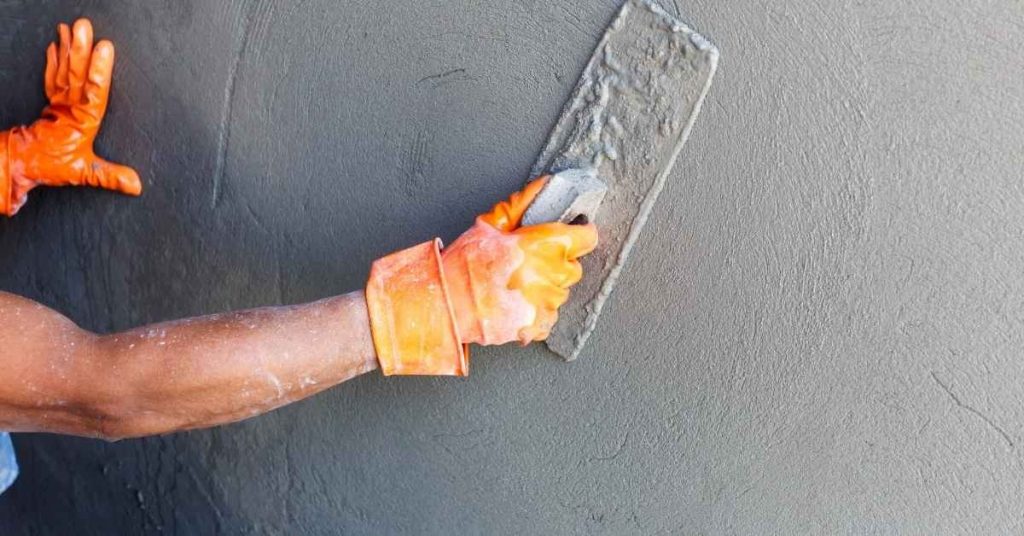
Person applying plaster on wall with trowel wearing orange gloves

Drywall Texture Matching: Orange Peel vs. Knockdown vs. Skip Trowel (DIY Spray vs. Hand)

Introduction Drywall texture matching is the process of reproducing a wall’s texture so new work blends with the old. It covers orange peel, knockdown, and skip trowel textures, whether you spray or hand‑apply. You’ll decide based on what you’re trying to reproduce and what tools you have on hand. Start by inspecting the existing surface […]

Drywall Texture Matching: Orange Peel vs. Knockdown vs. Skip Trowel (DIY Spray vs. Hand) Read More »
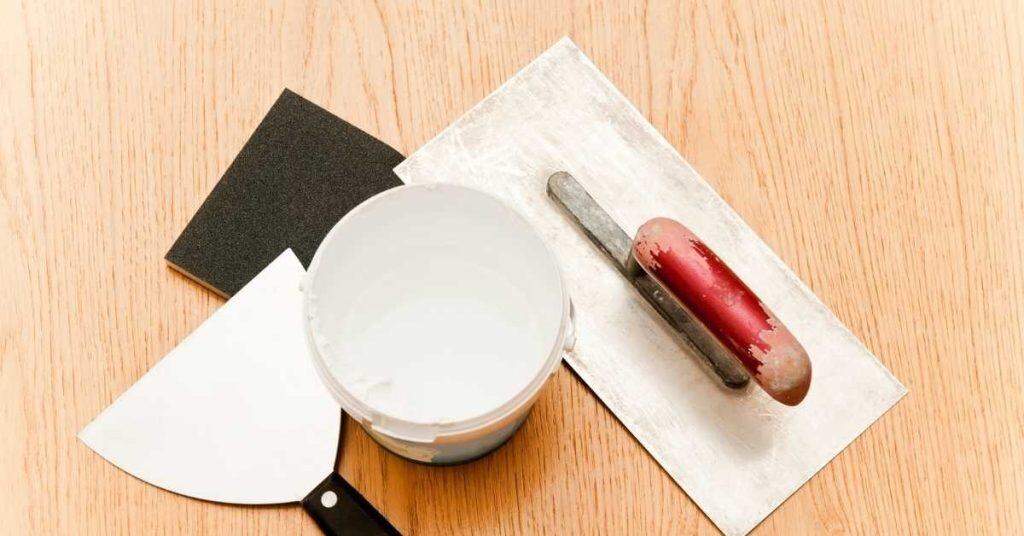
Plastering tools including float, putty knife, sanding sponge and bucket

DIY Level-5 Finish in Small Rooms: Skim Tools, Lighting Checks, and When to Stop

Introduction A DIY Level-5 finish is a near-perfect, impeccably smooth and flat wall or ceiling surface achieved with careful skim coats. This article walks you through skim tools, lighting checks, and the moment to stop before chasing perfection, in small rooms. Use the right skim blade or trowel, keep tools clean, and test with steady

DIY Level-5 Finish in Small Rooms: Skim Tools, Lighting Checks, and When to Stop Read More »

Modern gas fireplace with marble surround and striped bench nearby

How to Paint After Small Fire/Smoke Damage: Soot Removal, Odor Sealing, and Recoat Timing

Introduction This guide explains how to repaint after small fire and smoke damage. First, assess visible soot and smoke residue and clean the affected surfaces well. Use the right cleaners, wipe without rubbing, and remove loose debris before sealing. Odor sealing is used to lock in smells before a new coat. Check the product label

How to Paint After Small Fire/Smoke Damage: Soot Removal, Odor Sealing, and Recoat Timing Read More »

Person pressure washing concrete patio with hose nozzle

Uneven Concrete Color After Washing: How to Reset Without Making It Worse

Introduction Uneven color after washing means the surface shows inconsistent shade because cleaning or water exposure altered the finish. This happens when residue, detergents, or the top seal interact with the concrete and leave lighter or darker patches. The fix is practical and requires careful, in-place steps rather than a big overhaul. Start with a

Uneven Concrete Color After Washing: How to Reset Without Making It Worse Read More »

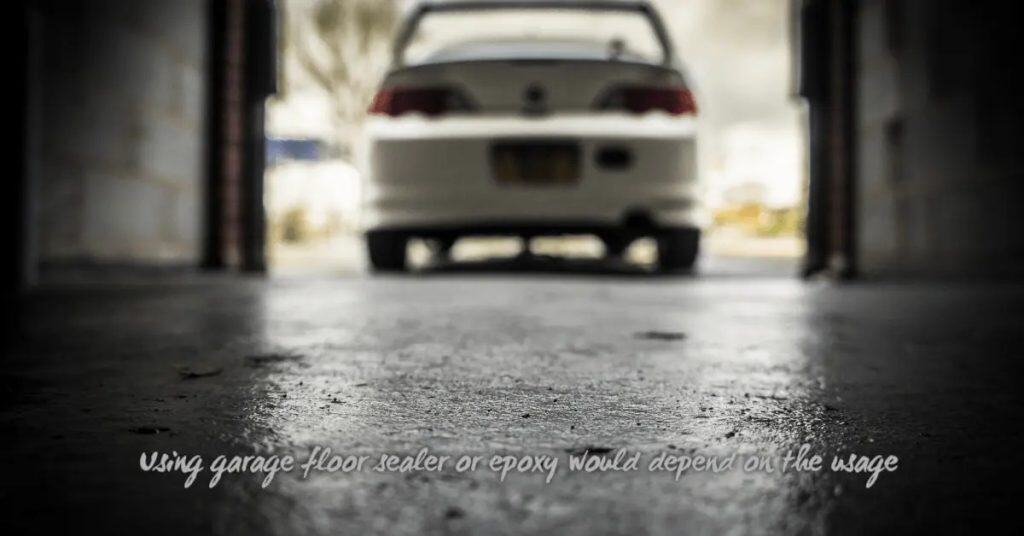
Close-up of textured concrete garage floor with white car in background

Moisture-Safe Concrete Coatings: What Works, What Doesn’t, and Why

Introduction Moisture-safe concrete coatings are sealers and finishes that slow or block water from the concrete surface. They help keep moisture from moving into basements, garages, or workshops. Choose options that fit your climate and surface, and always follow label directions. What doesn’t work for everyone can be a waste of time and money. In

Moisture-Safe Concrete Coatings: What Works, What Doesn’t, and Why Read More »

Pouring bonding slurry onto dry concrete surface

How to Patch Thin Concrete Repairs: Bonding Slurry and Edge Prep That Sticks

Introduction Patch thin concrete repairs with a bonding slurry to help the patch stick to the prepared edge. Start with clean, dust-free edges and roughen the surface for a solid key, then mix the slurry and patch material as instructed. If in doubt, check manufacturer guidance or local rules to ensure proper adhesion. Prepare the

How to Patch Thin Concrete Repairs: Bonding Slurry and Edge Prep That Sticks Read More »

Rows of concrete blocks stacked on curing racks indoors

Curing Plastic Marks on Concrete: How to Avoid Blotches and Patterns

Introduction Plastic marks on cured concrete are blotches and patterns left by plastic sheets or forms during curing. They form when moisture is trapped or imprints are picked up as the surface dries. To avoid them, plan your curing approach before you pour and keep the surface free of wrinkles or tacky plastics. Preventive measures

Curing Plastic Marks on Concrete: How to Avoid Blotches and Patterns Read More »