Search Results for: grinding

Empty wheelbarrow laying on wet concrete surface

Concrete Sealer Whitening: Moisture Trapping vs Application Errors

Introduction Concrete sealer whitening is when the finish looks cloudy or white after sealing. This can happen from moisture trapped beneath the film or from mistakes during application. Common symptoms are cloudy patches and a milky look that won’t cure clear. Fixes involve addressing moisture sources and correcting application errors. Make sure the surface is […]

Concrete Sealer Whitening: Moisture Trapping vs Application Errors Read More »

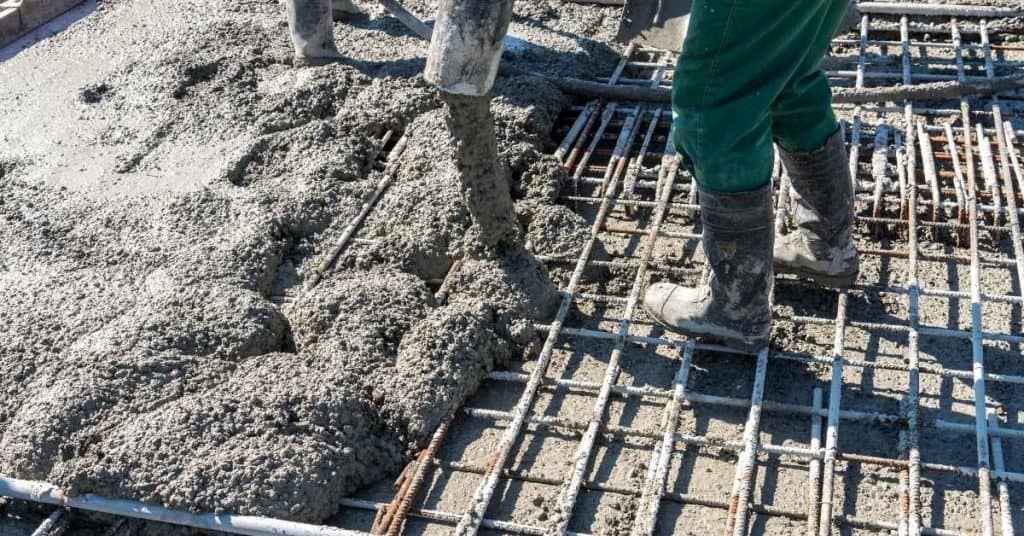
Workers pouring wet concrete over steel rebar grid

Concrete Rebar Shadowing: Why Lines Appear and What You Can Do

Introduction Concrete rebar shadowing is when the lines of embedded steel rebar show up as darker or lighter lines on the surface after curing. This happens as moisture, temperature, and the metal interact during the cure, with the surface sometimes mirroring the rebar pattern. Differences in finishing between forms or around the rebar can further

Concrete Rebar Shadowing: Why Lines Appear and What You Can Do Read More »

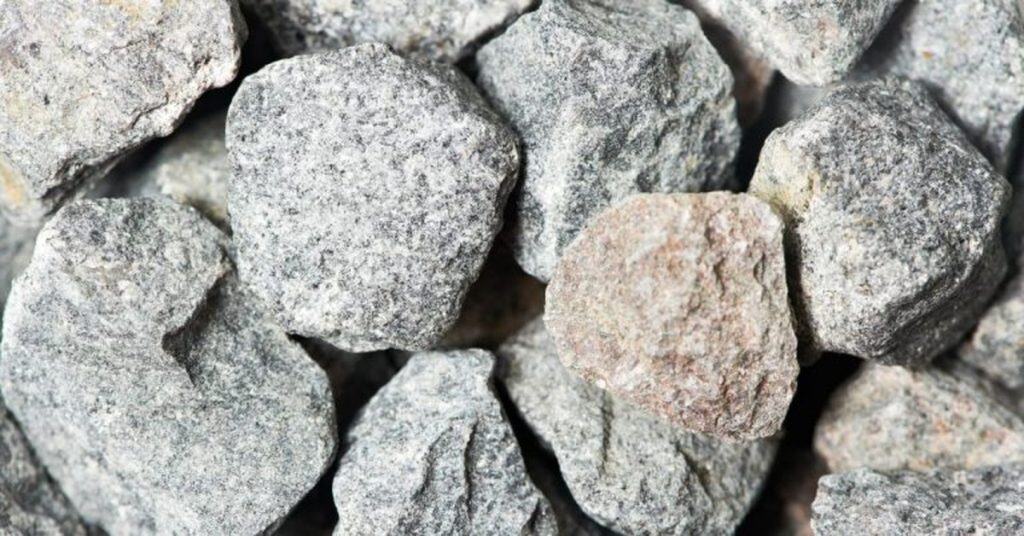
Closeup of crushed concrete aggregate stones

Concrete Popouts: Why Small Cones Blow Out and How to Repair Them

Introduction An isolated concrete popout is usually a cosmetic surface defect only after you remove loose material and confirm that the surrounding concrete is sound and the defect is not related to steel, cracking, a joint, or delamination. Do not patch a cavity associated with exposed steel, active cracking, a moving joint, hollow concrete beyond

Concrete Popouts: Why Small Cones Blow Out and How to Repair Them Read More »

Smooth concrete window sill under open window with shadows

Concrete Microcracks After Curing: Causes, Visibility, and When to Seal

Introduction Concrete microcracks after curing are tiny cracks that form as the slab gains strength and settles. They are usually hairline and may be visible on the surface or near joints. Causes include shrinkage, temperature changes, and normal settling, not necessarily a defect. Sealing timing and product choice depend on your climate and the sealer

Concrete Microcracks After Curing: Causes, Visibility, and When to Seal Read More »

polished concrete floor with large glass window and ocean view

Concrete Blisters and Delamination: How to Avoid a Weak Top Layer

Introduction Blisters and delamination are weak, separated patches on the top layer of cured concrete. They happen when moisture, trapped air, or improper finishing create gaps under the surface. As a DIYer, you want to catch the signs early and fix the surface before it gets worse. Signs include raised areas, hollow sounds when tapped,

Concrete Blisters and Delamination: How to Avoid a Weak Top Layer Read More »

White subway tile backsplash with bowl of citrus fruits

Master Subway Tile: Layout, Cuts, and Grout for a Pro Look

Introduction Subway tile layout, cuts, and grouting describe the steps to install a classic, clean-jointed tile look. This article walks you through planning a layout, making straight cuts, and sealing joints for a professional finish. It’s a hands-on, practical guide you can tackle on a weekend. Understanding the fundamentals helps you choose the right tile

Master Subway Tile: Layout, Cuts, and Grout for a Pro Look Read More »

Green and yellow concrete floor cleaning machine on concrete floor

Cleaning a Basement Concrete Floor: Stain Types, Methods, and Sealing Tips

Introduction Cleaning a basement concrete floor means removing dirt, grime, and stains to prepare the surface for sealing. It’s a practical, hands-on job you can tackle with common tools and basic cleaners. Check labels and manufacturer instructions for any cleaner you plan to use, and follow local moisture testing guidelines. Basement floors can show different

Cleaning a Basement Concrete Floor: Stain Types, Methods, and Sealing Tips Read More »