Search Results for: grinding

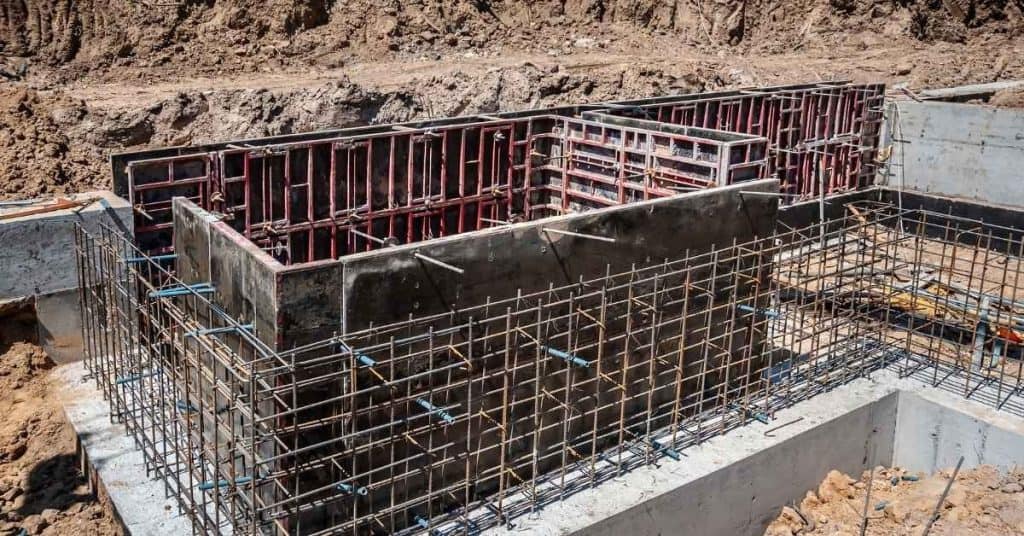
Steel rebar grid and metal formwork on concrete base

Concrete Pad for a Generator: Bolt Layout, Clearance, and Crack Control

Introduction A concrete pad for a generator is a level, reinforced slab designed to support the weight and vibration of a generator. This piece covers how to lay out bolts, keep proper clearance, and control cracks in a DIY-friendly way. Plan a clean, square pad with a solid base and verify level before you pour.

Concrete Pad for a Generator: Bolt Layout, Clearance, and Crack Control Read More »

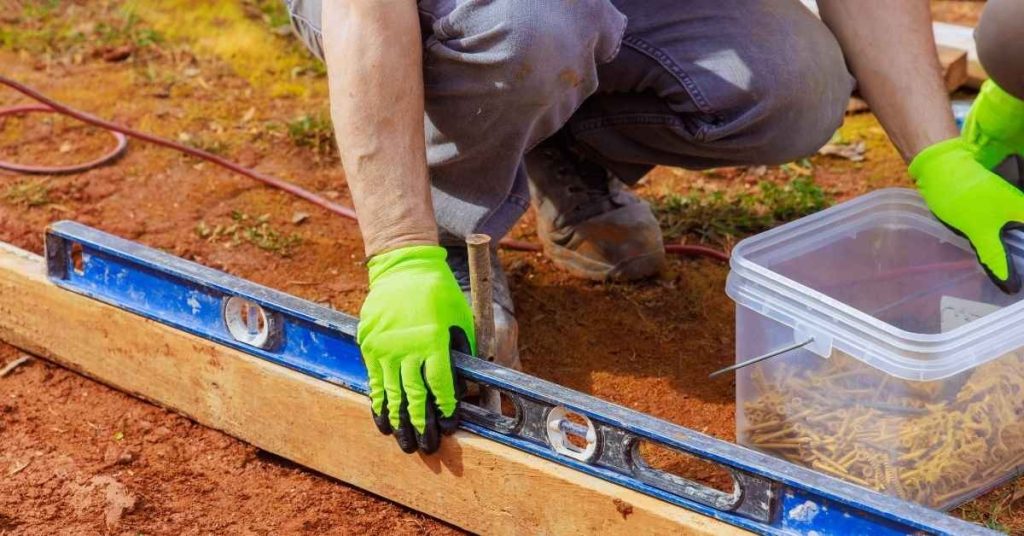
Person using level on wooden form with screws nearby

DIY Concrete ‘Rock Face’ Texture: Simple Form Liner Alternatives

Introduction Rock-face texture in concrete is a rough, split-look finish created with simple form liners. This article covers easy, affordable ways to get that look without heavy equipment. You’ll want to check the liner instructions and local rules before you start. If you don’t have ready-made liners, you can improvise with basic plywood or foam

DIY Concrete ‘Rock Face’ Texture: Simple Form Liner Alternatives Read More »

Old hammer and chisel on wood shavings covered surface

DIY Concrete Overlay Over Tile: When It’s Possible and the Bond-Breakers to Avoid

Introduction Yes, you can overlay concrete over tile if the tile is sound and properly prepared for bonding. Make sure the existing surface is firmly adhered and free of movement. If you’re unsure, check the manufacturer’s instructions or local rules before you start. Watch for bond-breakers like sealants, coatings, or residue that can prevent adhesion

DIY Concrete Overlay Over Tile: When It’s Possible and the Bond-Breakers to Avoid Read More »

Ants marching along a white kitchen countertop edge

Concrete Countertop ‘Ghosting’ From Rebar or Mesh: Prevention and Fix Options

Introduction Ghosting on concrete countertops means the imprint or shadow of rebar or mesh showing through the surface. It usually happens when the reinforcement sits too close to the surface or moves during the pour. To avoid it, confirm your reinforcement is properly located in the forms with enough cover and secured before the mix

Concrete Countertop ‘Ghosting’ From Rebar or Mesh: Prevention and Fix Options Read More »

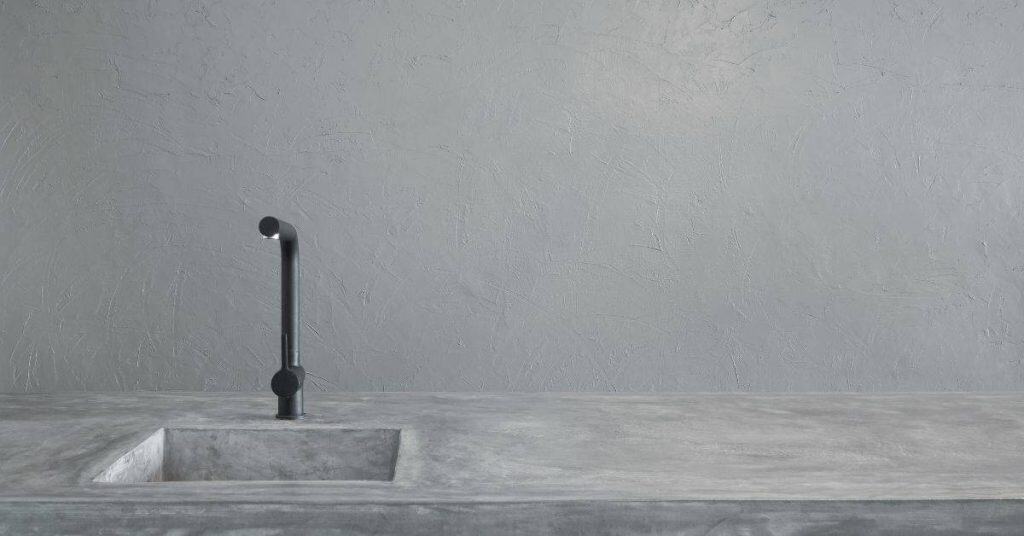
concrete countertop with integrated sink and black faucet

DIY Concrete Countertop Heat Damage: Trivets, Sealers, and Spot Repair Options

Introduction A heat mark on a concrete countertop may be a changed sealer, altered pigment, exposed or etched concrete, or a crack or bond failure. Diagnose the surface before cleaning, sanding, patching, or recoating: a cloudy or tacky film needs a different response from a smooth color change, a dull rough spot, or a crack.

DIY Concrete Countertop Heat Damage: Trivets, Sealers, and Spot Repair Options Read More »

Person applying stain to outdoor wooden table with brush

Integral Color vs. Stain vs. Dye: A Homeowner Decision Guide by Location

Introduction Integral color is color mixed into the concrete mix before it sets. Stain and dye sit on or in the surface rather than throughout the slab. This guide helps homeowners decide by location and conditions. Applications differ: integral color is mixed in, stain is applied to the surface, and dye is usually sprayed or

Integral Color vs. Stain vs. Dye: A Homeowner Decision Guide by Location Read More »

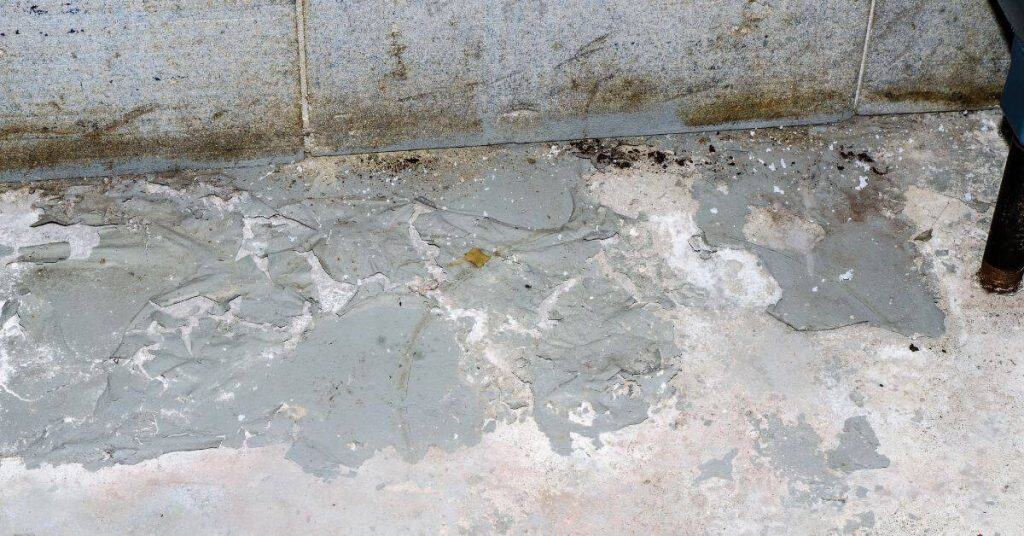
Peeling gray coating on concrete surface near wall

How to Recoat a Concrete Sealer Without Peeling: Adhesion Tests and Prep Steps

Introduction Recoating a concrete sealer means applying a fresh layer over a sealed concrete surface after confirming the old layer sticks well. Before you open a new can, inspect the old finish for peeling or staining and prepare to clean and roughen the surface as needed. Keep the goal simple: the new coat should bond

How to Recoat a Concrete Sealer Without Peeling: Adhesion Tests and Prep Steps Read More »

fresh self-leveling concrete poured on floor

Self-Leveling Underlayment Over Wood Subfloors: Prep, Lath, and Pour Thickness

Introduction Self-leveling underlayment over wood subfloors is a cementitious mix poured over prepared wood to create a flat, stable surface for new floors. It requires cleaning, securing loose boards, removing finishes, and flattening high spots so the surface is sound and ready to accept the leveling compound. Take it slow and work in small sections,

Self-Leveling Underlayment Over Wood Subfloors: Prep, Lath, and Pour Thickness Read More »

Packed cardboard boxes and household items in sunlit room

Engineered Hardwood Over Concrete: Glue-Down vs. Floating and Vapor Barrier Strategy

Introduction Engineered hardwood over concrete can be installed either glued down or floated, with a moisture plan in place. This is a practical, hands-on topic that matters for a stable floor and a smooth finish. You’ll see how pre-install steps set the stage and what to check before you start cutting or laying material. Choosing

Engineered Hardwood Over Concrete: Glue-Down vs. Floating and Vapor Barrier Strategy Read More »