Search Results for: grinding

Hands using scraper to remove blue paint from wall

Cratering in Paint: Contamination Tests and Fixes for Pitted Surfaces

Introduction Cratering in paint is when small pits or craters appear on the painted surface, leaving uneven spots. It usually happens when the surface is contaminated or the coating fails to bond properly. Pitted areas can also result from poor surface prep or moisture under the film. To detect it, start with a careful visual […]

Cratering in Paint: Contamination Tests and Fixes for Pitted Surfaces Read More »

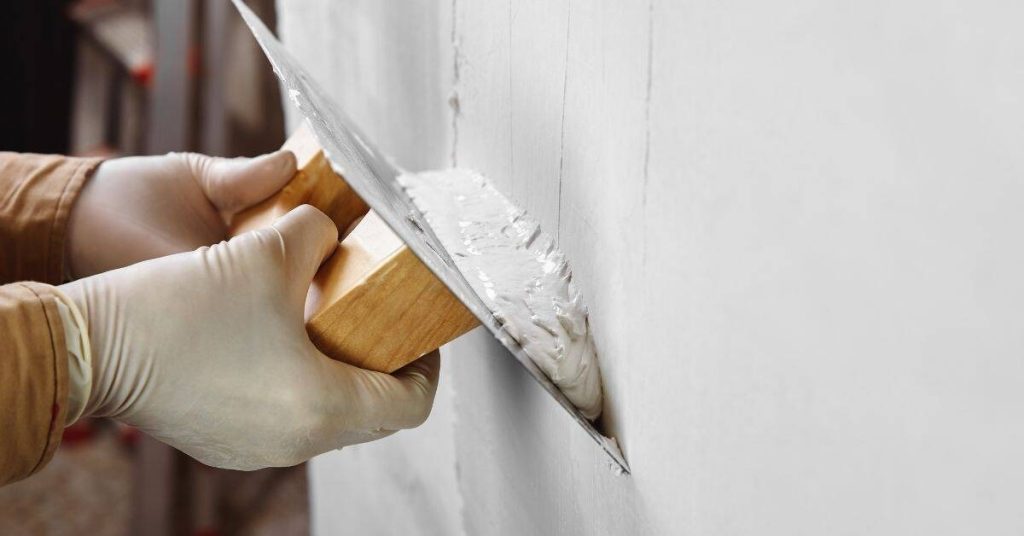
Worker applying plaster with trowel on wall corner

Plaster Over Painted Concrete Block: Bonding Agent Choices and Keying Techniques

Introduction Plaster over painted concrete block means applying plaster to a surface that has paint, using a bonding agent and surface keying to make the plaster stick. You’ll want a bonding agent that’s compatible with both the paint and the plaster mix you plan to use. Keying techniques involve scuffing or abrading the paint and

Plaster Over Painted Concrete Block: Bonding Agent Choices and Keying Techniques Read More »

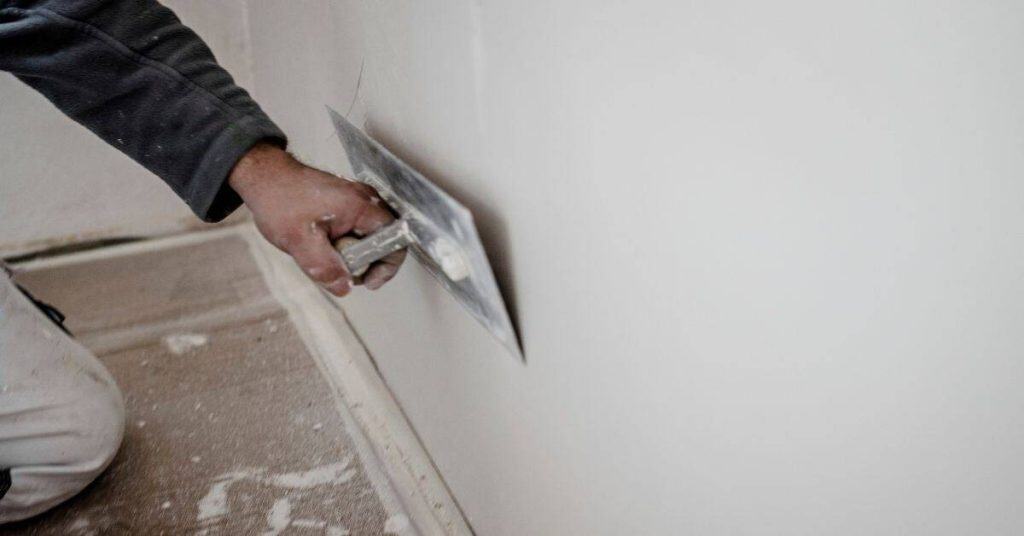
Hands applying plaster smoothly on interior wall

Plaster Soundproofing Add-Ons: When an Extra Coat Helps and When It’s Wishful Thinking

Introduction Extra plaster coats provide additional mass and seal to help reduce sound transmission when the first layer isn’t enough. A second coat can improve sound dampening by filling gaps and smoothing the surface. But it’s not a magic fix for loud environments or structural issues. Whether to add another coat depends on the room,

Plaster Soundproofing Add-Ons: When an Extra Coat Helps and When It’s Wishful Thinking Read More »

Person holding plaster on trowel and hawk

Feathering Plaster Into Painted Surfaces: Where to Sand, Where Not To, and Why

Introduction Feathering plaster into painted surfaces means blending the edge of new plaster into the existing paint so the transition is smooth. Keep the plaster slightly proud and wipe away excess as you work to avoid hard lines. Work in small, overlapping passes and check the edge from different angles. Be careful not to sand

Feathering Plaster Into Painted Surfaces: Where to Sand, Where Not To, and Why Read More »

Hand smoothing plaster on wall with trowel

Tadelakt for DIY Bathrooms: Surface Prep, Burnishing, and Waxing Without Failure

Introduction Tadelakt is a traditional lime plaster finish used on bathrooms, finished with burnishing and wax to create a smooth, water-resistant surface. This article walks you through surface prep, burnishing, and waxing with practical, hands-on steps. I’ll keep it plain-language and honest about what to check before you start. Prep the surface clean, sound, and

Tadelakt for DIY Bathrooms: Surface Prep, Burnishing, and Waxing Without Failure Read More »

Close up of blue painted stucco wall texture

Stucco Patches on Painted Surfaces: Bonding Agents, Scratch Keys, and When to Strip Paint

Introduction This article explains how to patch stucco on painted surfaces, including prep, bonding, and deciding when to strip paint. It covers bonding agents, scratch keys, and the little checks you need to avoid a failed patch. Keep it DIY-friendly with practical steps you can do on a weekend. Start by inspecting the painted area

Stucco Patches on Painted Surfaces: Bonding Agents, Scratch Keys, and When to Strip Paint Read More »

Close up of metal hose bib mounted on textured stucco wall

Mounting a Hose Reel on Stucco Without Cracking or Leaks (Fasteners, Spacers, Sealant)

Introduction Mounting a hose reel on stucco without cracking or leaks means securing the reel with proper fasteners, spacers, and sealant to protect the wall and keep water out. Use fasteners rated for masonry or stucco and add spacers to prevent screws from binding against the softer surface. Match the hardware to the wall substrate

Mounting a Hose Reel on Stucco Without Cracking or Leaks (Fasteners, Spacers, Sealant) Read More »

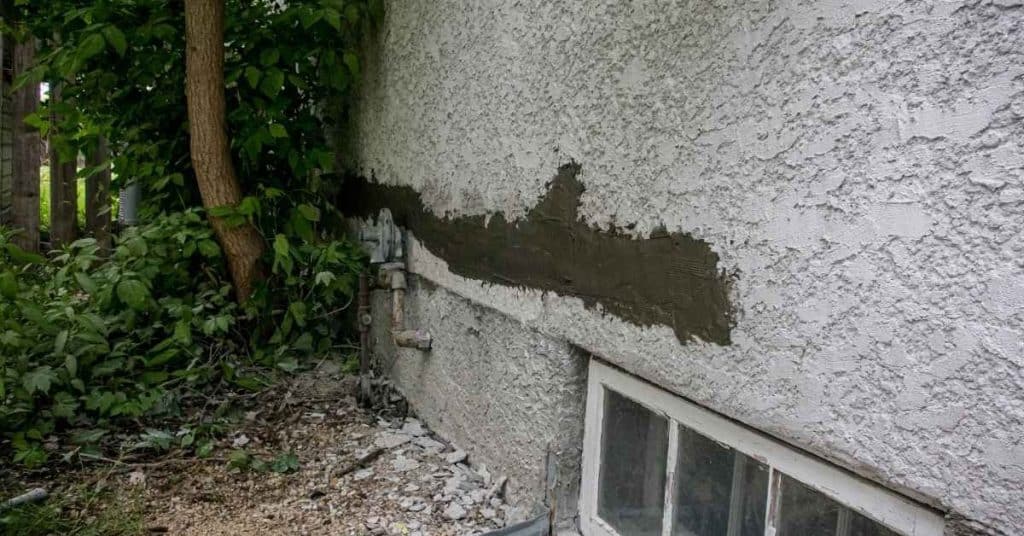
Exterior stucco wall with fresh dark patch above basement window

Stucco Too Close to Soil: When Regrading Is Enough and When the Wall Needs Repair

Introduction Stucco that meets soil should be corrected, but the least-invasive fix depends on what is behind the finish. If soil or mulch is simply covering an intact, open base termination, safely lowering and redirecting the grade may solve the contact problem without removing stucco. If the base is soft, cracked, hollow, wet, missing a

Stucco Too Close to Soil: When Regrading Is Enough and When the Wall Needs Repair Read More »

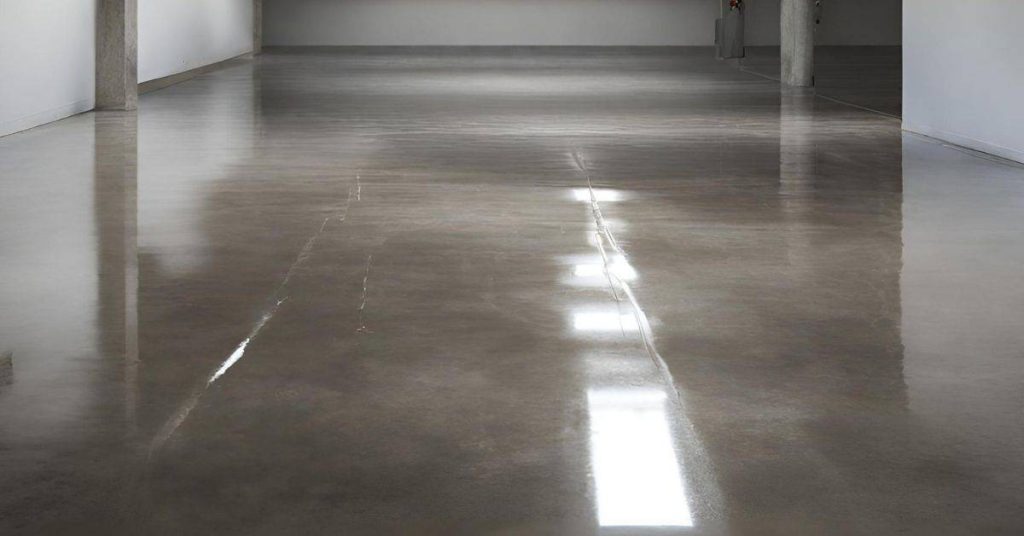
Highly polished concrete floor reflecting overhead lights

How to Make Concrete Look Like Limestone: Washes, Rubbed Finishes, and Sealers

Introduction This is a DIY technique to make concrete resemble limestone using washes, rubbed finishes, and sealers. You’ll work in stages from prepping the surface to applying color washes and texture. This approach aims for a natural, diffused look rather than a glossy finish. Start by cleaning the surface and addressing any rough spots, then

How to Make Concrete Look Like Limestone: Washes, Rubbed Finishes, and Sealers Read More »