Search Results for: grinding

curved stamped concrete patio next to garden bed

Cutting Control Joints in Stamped Concrete: Timing, Blade Choice, and Avoiding Ragged Edges

Introduction Cutting control joints in stamped concrete is about planning when to cut, choosing the right blade, and making clean edges to prevent cracks. Get your timing right by planning ahead before you stamp, so the concrete has the strength needed when joints are cut. Always check manufacturer instructions and local rules for any timing […]

Cutting Control Joints in Stamped Concrete: Timing, Blade Choice, and Avoiding Ragged Edges Read More »

gray concrete surface with visible cracks crossing joints

Routing Cracks for Sealant: Geometry Rules That Actually Improve Longevity

Introduction Routing cracks for sealant means creating clean, engineered gaps in concrete to receive sealant that can accommodate movement. This is a hands-on job where the cut shape and depth influence how well the sealant sticks and lasts. Keep the work plain and practical, focusing on a straight, uniform groove and clean edges. Understanding crack

Routing Cracks for Sealant: Geometry Rules That Actually Improve Longevity Read More »

Concrete pour with exposed rebar in metal formwork

How to Repair a Concrete Spall With Exposed Rebar—and When to Call a Pro

Introduction A spall with exposed rebar is not automatically a DIY patch. Stop and arrange professional assessment before removing concrete if the damage is in a beam, column, suspended slab, balcony, elevated deck, foundation, retaining wall, parking structure, prestressed or post-tensioned member, or any element carrying people, vehicles, soil, or building loads. The same applies

How to Repair a Concrete Spall With Exposed Rebar—and When to Call a Pro Read More »

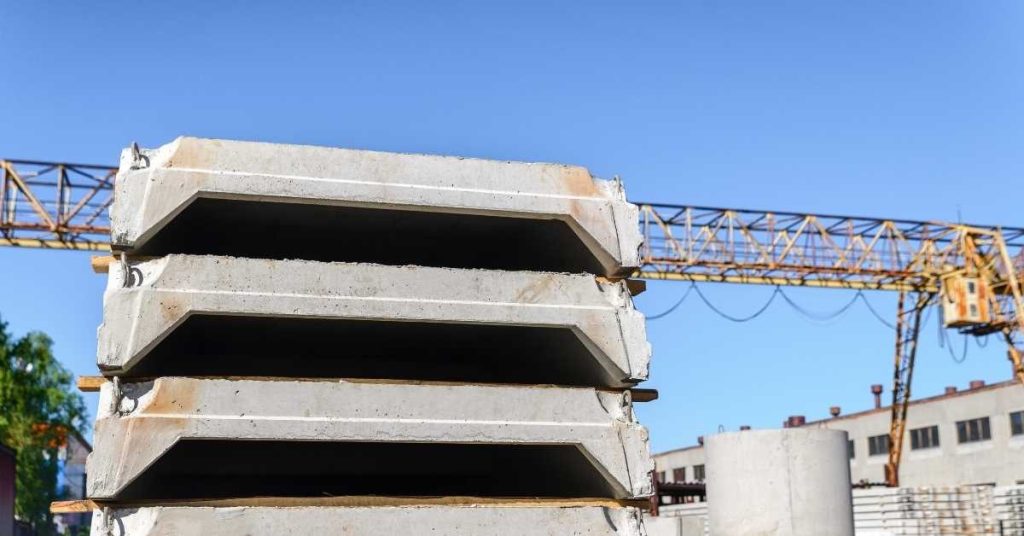
Stacked precast concrete slabs at a construction site

Migrating Corrosion Inhibitors: Realistic Expectations for Existing Slabs and Balconies

Introduction Migrating corrosion inhibitors are additives used to slow the spread of corrosion in reinforced concrete surfaces. For DIY homeowners, the goal is to assess whether applying inhibitors is a reasonable step and what to expect. Always check manufacturer instructions and local rules before proceeding. This topic applies to existing slabs and balconies of various

Migrating Corrosion Inhibitors: Realistic Expectations for Existing Slabs and Balconies Read More »

Concrete support columns under a waterfront bridge

Repairing Honeycombed Columns: Inject, Patch, or Rebuild? A Decision Tree

Introduction Repairing honeycombed columns means deciding whether to inject materials, patch the surface, or rebuild the column core. It’s a practical call based on how severe the damage looks and whether the structure still carries load safely. Always assess the condition with your eyes and a quick test, then check product labels and local rules

Repairing Honeycombed Columns: Inject, Patch, or Rebuild? A Decision Tree Read More »

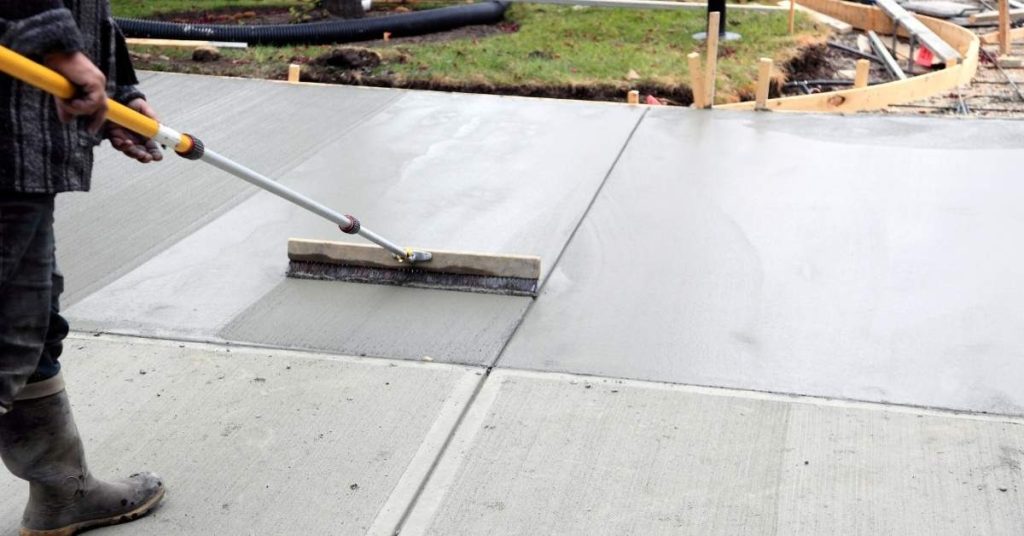
Person using concrete broom on wet concrete sidewalk

Reprofiling Worn Broom Finish: Thin Overlay vs Cut-and-Replace

Introduction Reprofiling worn broom finish means restoring a broom-textured concrete surface by either applying a thin overlay or replacing the affected slab. The approach you choose hinges on how deep the damage is, how flat you need it, and what your budget allows. Before you mix anything, focus on proper surface prep, crack clearing, and

Reprofiling Worn Broom Finish: Thin Overlay vs Cut-and-Replace Read More »

Concrete screed tool smoothing wet concrete surface

Choosing Aggregate Size for Small Forms: Fewer Voids, Fewer Bugholes, Easier Finishing

Introduction Smaller aggregate size reduces voids and bugholes and makes finishing easier. For DIY projects, pick an aggregate that fits the form and follow the bag label and manufacturer guidance. If in doubt, check local rules or guidance from the mix supplier before deciding. Consolidation and slump are about how well the concrete fills tight

Choosing Aggregate Size for Small Forms: Fewer Voids, Fewer Bugholes, Easier Finishing Read More »

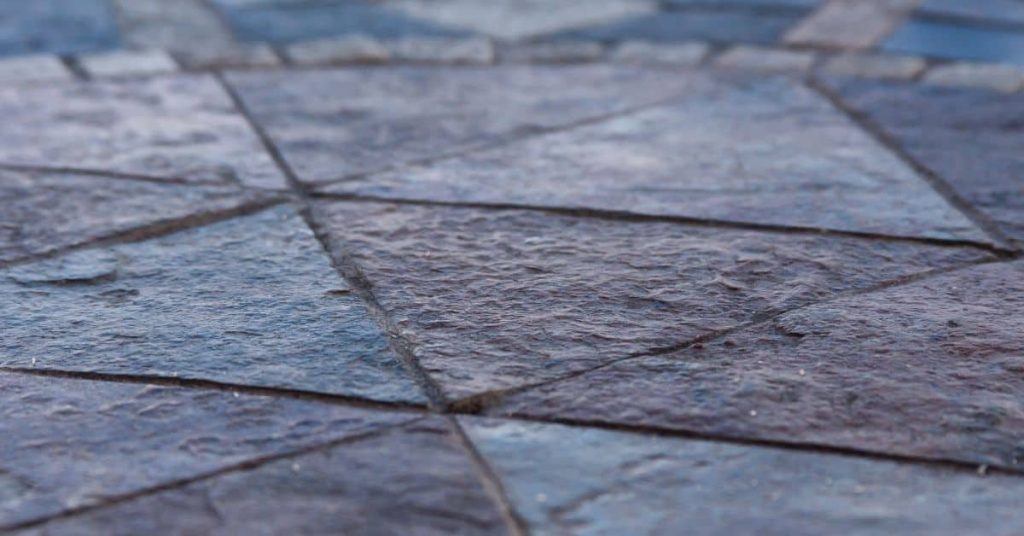
Close-up of textured and stamped concrete surface

Retarders in Decorative Concrete: Avoiding Cold Joints Without Soft Surfaces

Introduction Surface retarders are chemicals you apply to the top of fresh concrete to slow the surface set. They let you finish the body of the slab without creating a soft, uneven surface, helping you avoid cold joints. Different formulas work differently on color and texture, so understand what you’re using before you apply it.

Retarders in Decorative Concrete: Avoiding Cold Joints Without Soft Surfaces Read More »

Concrete driveway with brick border and grass lawn

Schmidt Rebound Hammer Test on Concrete: Calibration, Limits, and DIY Interpretation

Introduction A Schmidt rebound hammer test measures surface hardness to estimate concrete strength. For DIY projects, calibration matters and you should follow the tool’s manufacturer instructions and any local requirements when taking readings. Surface preparation and how you strike the test hammer affect results, and there are clear limits to what an in-place reading can

Schmidt Rebound Hammer Test on Concrete: Calibration, Limits, and DIY Interpretation Read More »

Blue paint can with roller and tray on dark surface

Pull-Off Adhesion Testing for Coatings and Overlays: Setup, Dollies, and Pass/Fail Thinking

Introduction Pull-off adhesion testing is a simple method to check how well a coating or overlay sticks to a concrete surface. This article walks you through the basic setup, dollies, and how to think about pass/fail decisions in practical terms. Keep in mind this is a hands-on check you perform before large jobs, not a

Pull-Off Adhesion Testing for Coatings and Overlays: Setup, Dollies, and Pass/Fail Thinking Read More »