Search Results for: floor sand paper

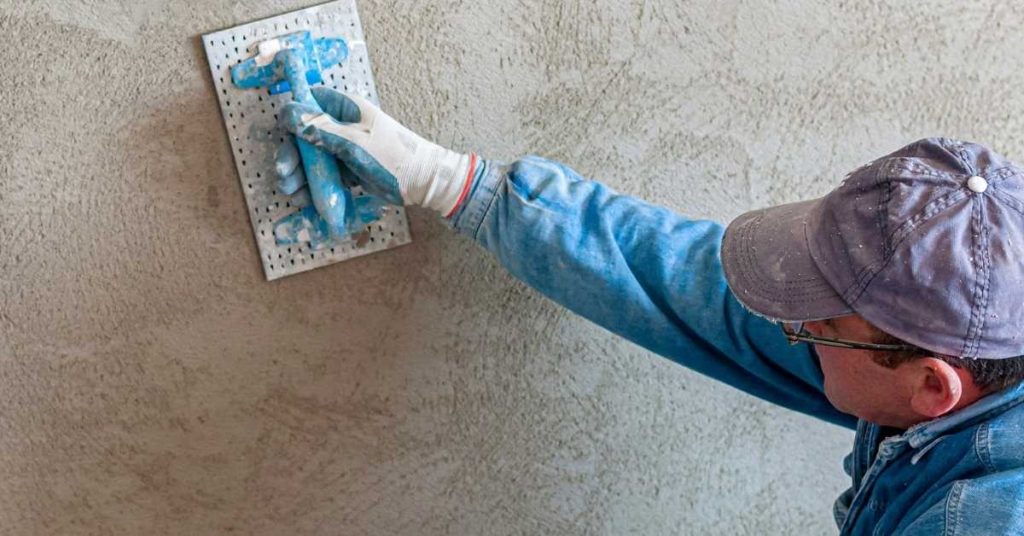
white plaster wall with uneven textured surface

Venetian Plaster Over Existing Texture: When to Skim, When to Sand, and When to Remove

Introduction Venetian plaster over existing textured walls means deciding whether to skim, sand, or remove that texture so the final finish looks smooth and bonds properly. In plain jobsite terms: skim if the texture is shallow and solid, sand if it’s flaky or slightly high, and remove if it’s loose, highly uneven, or has adhesion […]

Venetian Plaster Over Existing Texture: When to Skim, When to Sand, and When to Remove Read More »
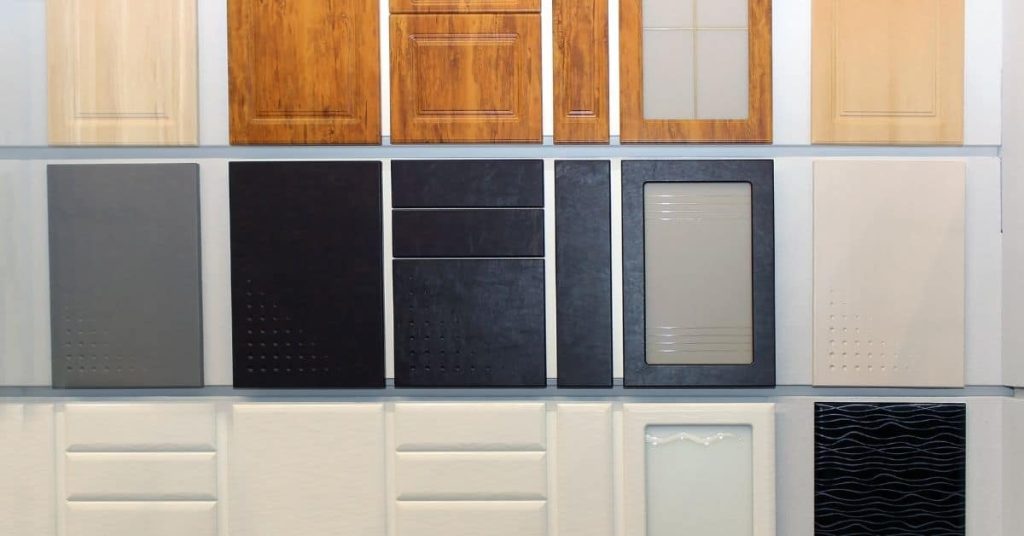
Various painted cabinet door samples in multiple colors and finishes

Furniture-Grade Painted Finishes: Grain Filling, Sanding, and Topcoat Choices

Introduction Furniture-grade painted finishes means getting a smooth, filled grain surface that takes paint like shop work so your piece looks professional; it’s done by filling open grain, sanding flat, and choosing the right topcoat. This is a hands-on sequence: pick a grain filler compatible with your paint, sand progressively to remove filler and level

Furniture-Grade Painted Finishes: Grain Filling, Sanding, and Topcoat Choices Read More »

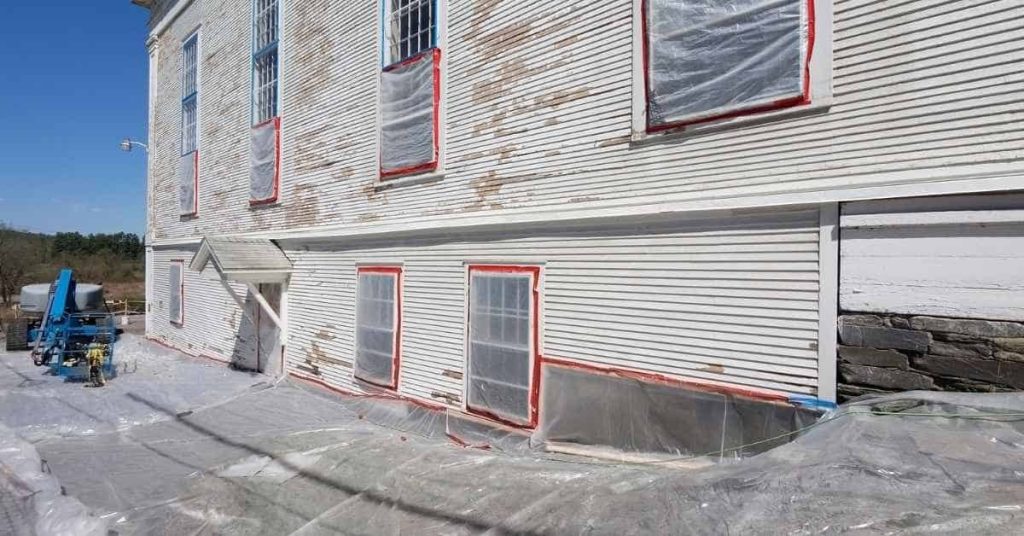
House exterior with windows covered in plastic sheeting and taped edges

Masking Plastic vs Paper: Overspray Control Without Static Dust Problems

Introduction Masking plastic vs paper is about choosing the right sheet for catching overspray while avoiding static-attracted dust — plastic resists moisture and makes a light, slippery barrier, while paper lays down with less static so dust won’t cling as much. Think of plastic for areas that need water resistance and containment, and paper for

Masking Plastic vs Paper: Overspray Control Without Static Dust Problems Read More »

smooth beige plaster wall texture

Venetian Plaster Over Existing Texture: Timeline & Duration for Skim, Sand, or Remove

Introduction Planning to apply Venetian plaster over existing texture? Understanding the timeline and duration of each preparation method—skim, sand, or remove—is crucial to set realistic expectations and ensure a smooth project. Let’s break down the time commitment for each approach so you can plan your project effectively. For the full guide, see Venetian Plaster Over

Venetian Plaster Over Existing Texture: Timeline & Duration for Skim, Sand, or Remove Read More »

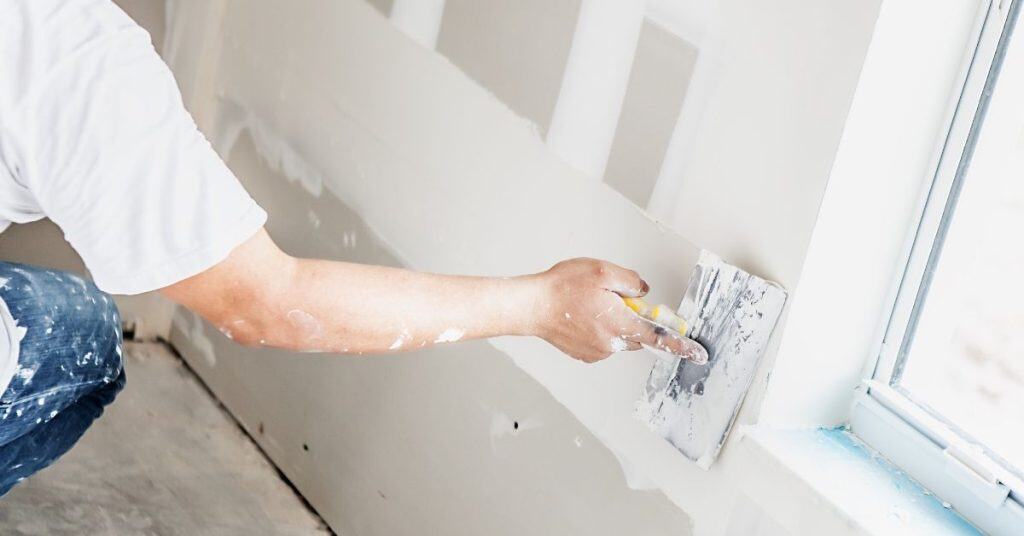
Person applying drywall joint compound near window

Choosing Plaster vs Joint Compound for Repairs: Durability, Sanding, and Paint Finish Differences

Introduction Plaster is a harder-setting wall finish made from cement- or gypsum-based mixes, while joint compound is a softer, gypsum-based product meant for taping and small repairs. For DIYers that means plaster will hold up better in high-traffic areas and where impact resistance matters, and joint compound is easier to apply and feather for small

Choosing Plaster vs Joint Compound for Repairs: Durability, Sanding, and Paint Finish Differences Read More »

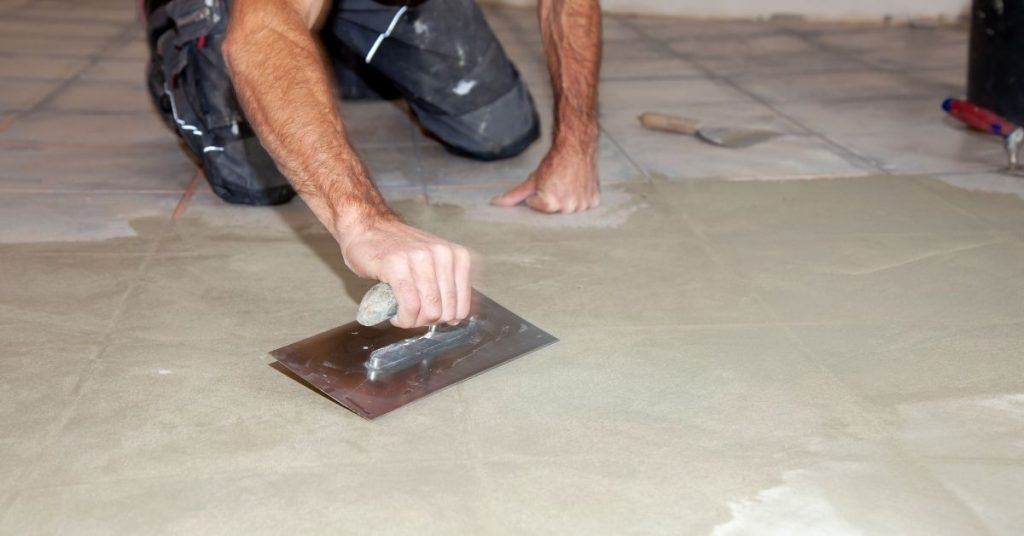
Trowel spreads leveling compound over floor during bathroom prep

Self-Leveling Compound Prep on “Problem Subfloors”: Primers, Seams, and Edge Dams That Stop Leaks

Introduction Self-leveling compound prep on problem subfloors means getting a board-backed surface ready so the liquid compound spreads and cures without running into gaps or flaking off. Think practical steps: pick a primer the compound maker recommends, seal seams and penetrations so water and dust won’t break the bond, and build temporary edge dams where

Self-Leveling Compound Prep on “Problem Subfloors”: Primers, Seams, and Edge Dams That Stop Leaks Read More »

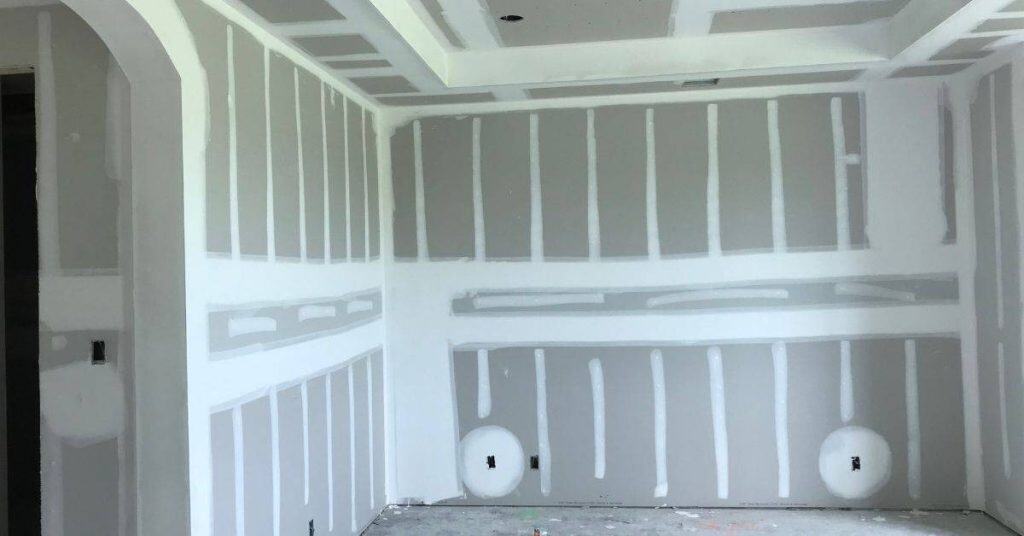
Interior walls with drywall joint tape and joint compound applied

Choosing Joint Tape: Paper vs. Fiberglass vs. FibaFuse (Use Cases and Failure Modes)

Introduction Joint tape is the thin strip that reinforces drywall joints when you compound them. Choosing between paper, fiberglass, and FibaFuse comes down to how you want the joint to behave and how much you’re willing to feather and sand. No matter which you pick, follow the product label and manufacturer instructions for application and

Choosing Joint Tape: Paper vs. Fiberglass vs. FibaFuse (Use Cases and Failure Modes) Read More »

Close-up of blue fiberglass mesh rolls

Paperless Drywall (Fiberglass-Faced): Where It Helps, How to Finish It, and Common Pitfalls

Introduction Paperless drywall with fiberglass facing is a gypsum board that uses a fiberglass mat instead of paper on the surface. It’s designed to resist moisture and mold better in damp spaces, though it still needs proper installation and sealing. This article covers where it helps, how to finish it, and common pitfalls. When finishing,

Paperless Drywall (Fiberglass-Faced): Where It Helps, How to Finish It, and Common Pitfalls Read More »

Person holding plaster on trowel and hawk

Feathering Plaster Into Painted Surfaces: Where to Sand, Where Not To, and Why

Introduction Feathering plaster into painted surfaces means blending the edge of new plaster into the existing paint so the transition is smooth. Keep the plaster slightly proud and wipe away excess as you work to avoid hard lines. Work in small, overlapping passes and check the edge from different angles. Be careful not to sand

Feathering Plaster Into Painted Surfaces: Where to Sand, Where Not To, and Why Read More »