Search Results for: floor sand paper

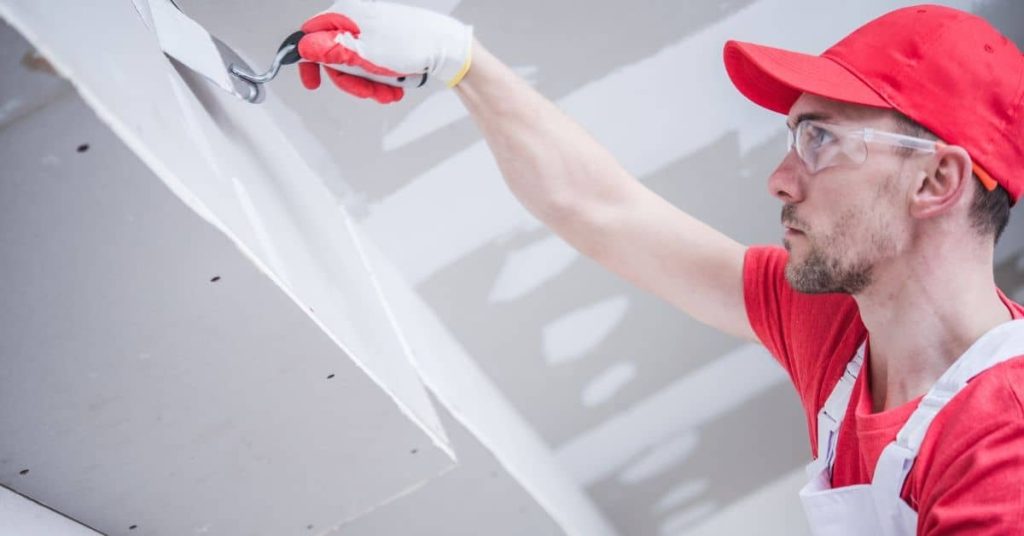
Man in red cap applying joint compound to drywall ceiling

Plaster vs Joint Compound for Repairs: Where Each Cracks and How to Combine Them

Introduction Plaster and joint compound are traditional wall repair options that serve different purposes. Plaster gives a hard, durable finish when applied over lath or backing, while joint compound is a softer patch material for seams and small repairs. Your choice depends on the location, the surface, and the level of patch you need. In […]

Plaster vs Joint Compound for Repairs: Where Each Cracks and How to Combine Them Read More »
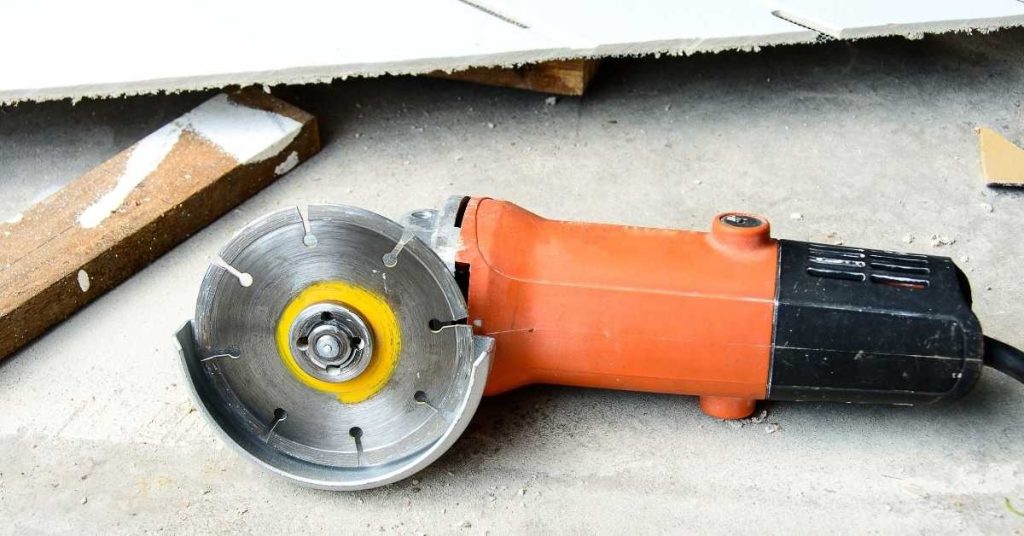
Corded angle grinder lying on dusty concrete floor

How to Avoid Grinder ‘Swirl Marks’: Technique, Tool Path, and When to Cross-Hatch

Introduction Grinder swirl marks are fine scratches left by abrasive motion, and you avoid them with the right technique. Choose the right grinder and disk for the wood task, keep the surface clean, and maintain steady, even pressure. Work in small, overlapping passes and check your progress often before moving to a finer abrasive. Use

How to Avoid Grinder ‘Swirl Marks’: Technique, Tool Path, and When to Cross-Hatch Read More »

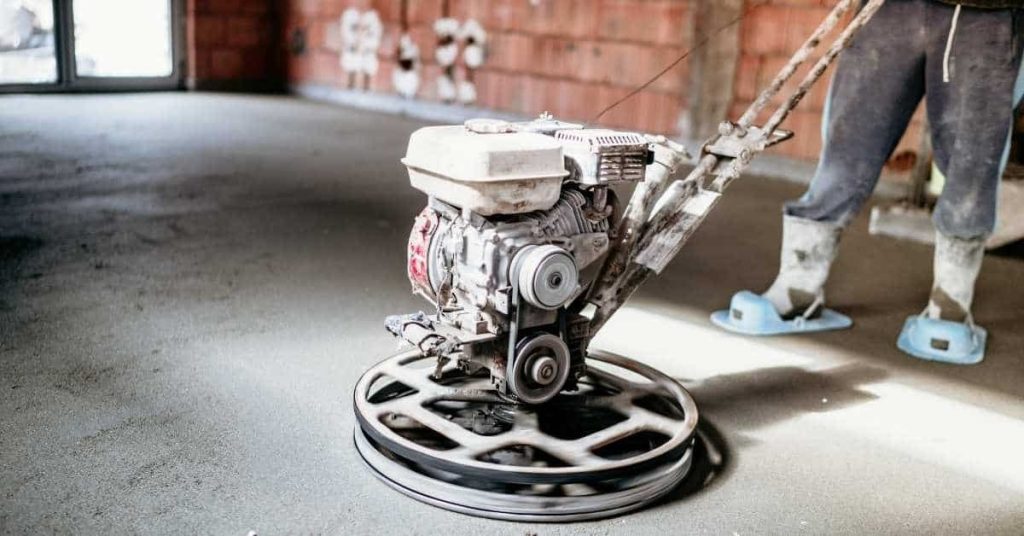
Concrete power trowel smoothing freshly poured floor

DIY Knee Board for Finishing: How to Spread Weight Without Leaving Marks

Introduction A knee board for finishing is a lightweight, portable surface that distributes your weight to prevent marks on finished floors while you work. It helps you keep your lines clean and your knees comfortable as you move along the job. Check the product label or manufacturer instructions for max load and surface grip, and

DIY Knee Board for Finishing: How to Spread Weight Without Leaving Marks Read More »

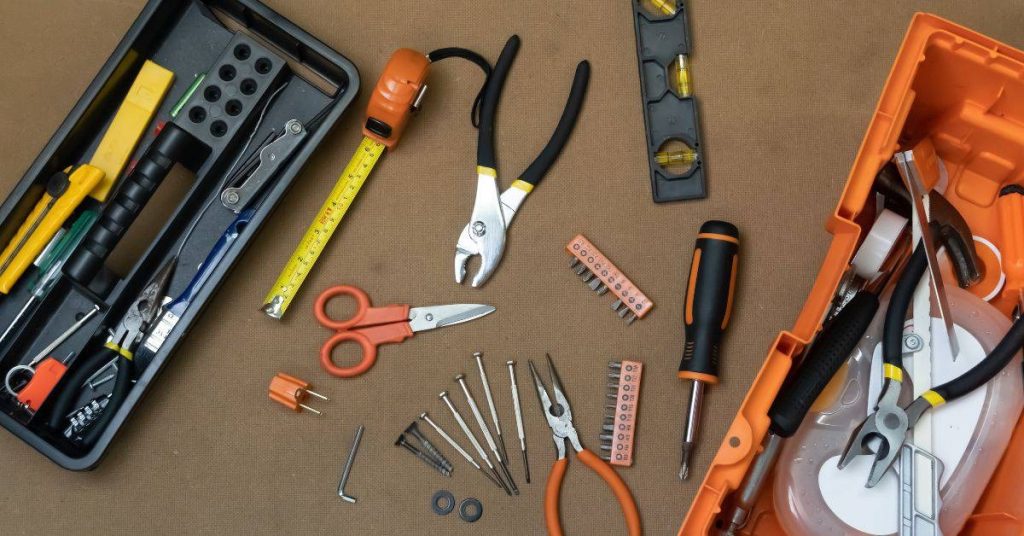
Hand tools including scissors pliers screwdrivers tape measure and level

Hand Edger Radius Guide: Picking 1/8″, 1/4″, 3/8″ Edges for Durability vs Looks

Introduction A hand edger radius guide helps you pick edge profiles around 1/8″, 1/4″, or 3/8″ to shape exposed concrete edges. The choice affects durability and how clean or decorative the edge will look. Always check the product label, manufacturer instructions, and local rules to confirm what radius is allowed for your project. To use

Hand Edger Radius Guide: Picking 1/8″, 1/4″, 3/8″ Edges for Durability vs Looks Read More »

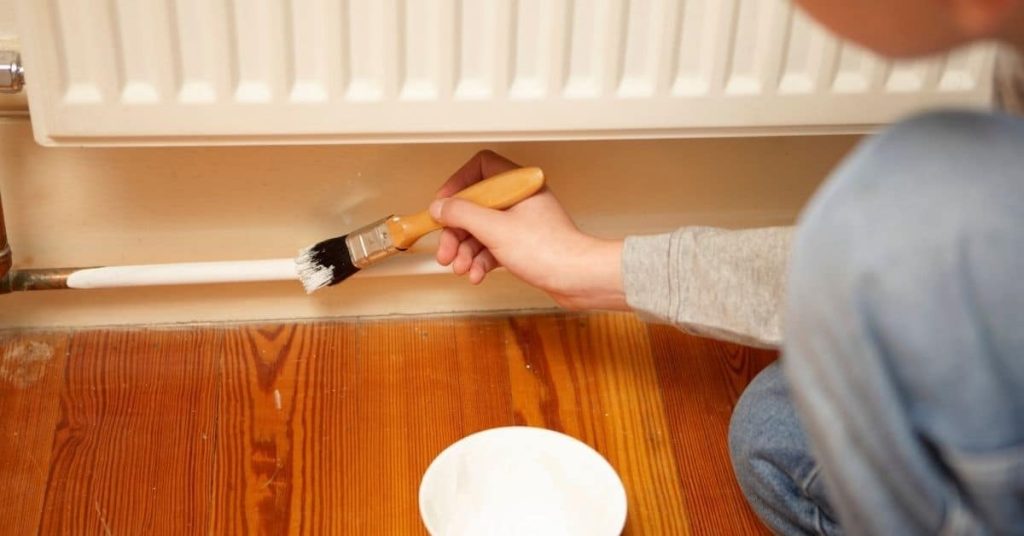
Person painting a metal pipe white near wooden floor and radiator

Painting Over Chalky Fiber Cement: Cleaning Thresholds and Primer Choices

Introduction Painting over chalky fiber cement means you must remove, neutralize, and prime a rough, powdery surface before any paint sticks. Rinse and scrub the surface to remove chalk, dust, and debris. Choose a primer that keys to the chalky layer and a weatherproof topcoat, and follow label directions. Watch for signs like flaking, chalking,

Painting Over Chalky Fiber Cement: Cleaning Thresholds and Primer Choices Read More »

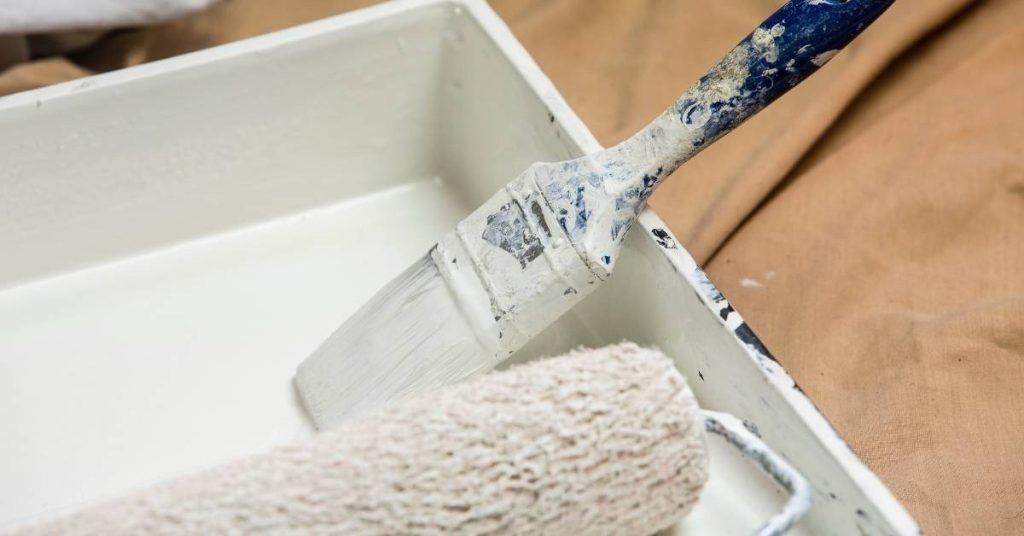
Paintbrush and roller in white paint tray on brown surface

Cutting In on Textured Walls: Brush Loading and Keeping Edges Sharp Without Tape

Introduction Cutting in on textured walls without tape means achieving a clean, sharp line where the wall and adjacent surface meet by careful brush loading and technique. Start with a small amount of paint on the brush and load along the edge, then steady your hand and work in short, controlled strokes. Keep your wrist

Cutting In on Textured Walls: Brush Loading and Keeping Edges Sharp Without Tape Read More »

Black plastic cable ties of various lengths on white surface

Spraying Paint in a Garage: Overspray Containment With Cheap Plastic and Filters

Introduction Overspray containment is the quick setup of cheap plastic barriers and filters to keep paint mist from drifting outside your garage. This approach is meant to be practical and affordable for a DIY project. You’ll learn how to tape plastic, hang it securely, and use simple filters to curb debris. Plan the work area,

Spraying Paint in a Garage: Overspray Containment With Cheap Plastic and Filters Read More »

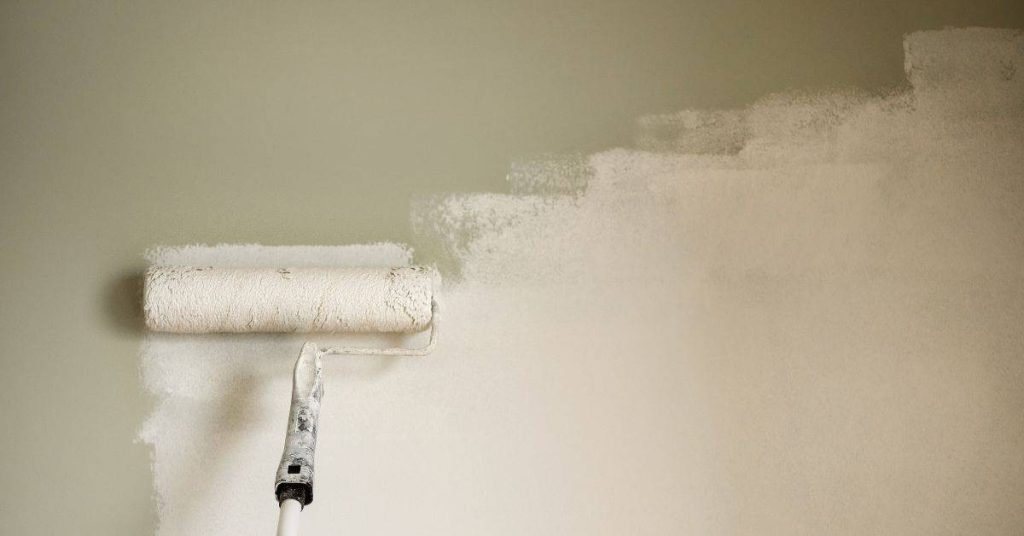
Paint roller applying white paint on beige wall

How to Prevent Roller Marks in Clear Sealers: Work Zones, Wet Edge, and Re-Roll Traps

Introduction Preventing roller marks in clear sealers is about keeping a smooth, wet edge and consistent roller motion. Set up your work zones so you move methodically and don’t drag a dry edge across the surface. Check the product label and local rules for timing, and re-roll small areas to blend before the edge starts

How to Prevent Roller Marks in Clear Sealers: Work Zones, Wet Edge, and Re-Roll Traps Read More »

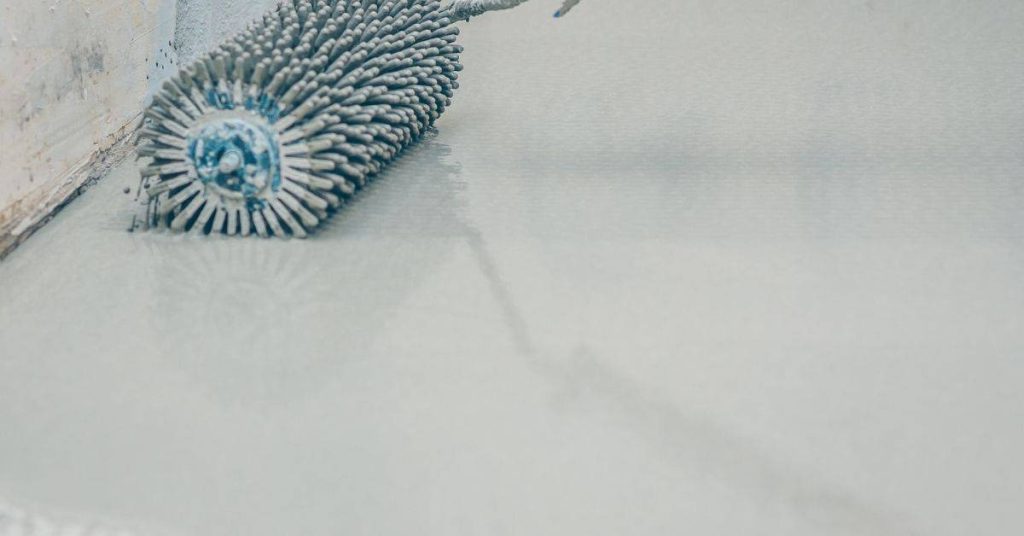
spiked roller laying on smooth wet epoxy floor coating

Why Epoxy Turns Waxy After Cure: Identifying Blush and Cleaning Without Smearing

Introduction Epoxy blush is a waxy, milky film that forms on the surface after curing. It happens when humidity and temperature during curing push oils to the top. This film isn’t cured epoxy and can be wiped away before recoating. To clean without smearing, wipe with a clean solvent or water with a little soap,

Why Epoxy Turns Waxy After Cure: Identifying Blush and Cleaning Without Smearing Read More »

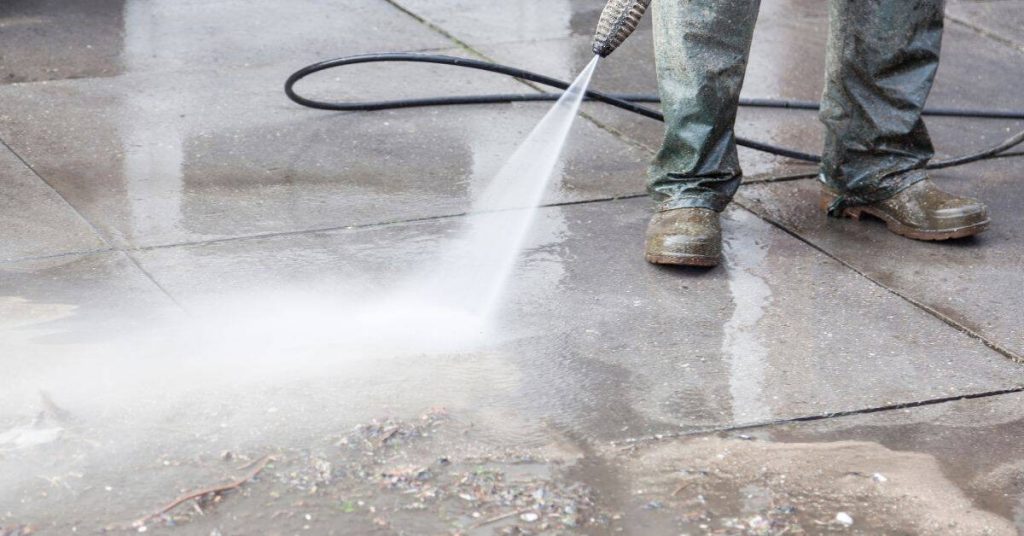
Person pressure washing smooth concrete patio surface

How to Tell If Concrete Is Too Smooth to Coat: Simple Adhesion Checks Before You Prime

Introduction Too smooth concrete resists adhesion and can fail after priming. This article shows simple checks to decide if the surface needs profiling. Roughening helps primers bite into the surface and create a lasting bond. Start with cleaning, then roughen the area using a grinder, wire brush, or sanding pad and clean away dust. Do

How to Tell If Concrete Is Too Smooth to Coat: Simple Adhesion Checks Before You Prime Read More »