Search Results for: fixing crack indoor concrete floor

close up of white textured hardwall plaster surface

Hairline Crazing in Hardwall Plaster: Surface Keying and Breathable Topcoats

Introduction Hairline crazing in hardwall plaster is fine cracks that form on the surface when the plaster dries and the finish isn’t keyed well enough for the next coat. It happens when the surface isn’t gripping the base layer, or small movements stress the top layers. The fix starts with proper surface keying and choosing […]

Hairline Crazing in Hardwall Plaster: Surface Keying and Breathable Topcoats Read More »

Close-up of blue painted stucco wall texture

Patch “Picture Framing” on Painted Stucco: Prime Zones and Feathered Coating Steps

Introduction Patch “Picture Framing” on painted stucco means touching up small areas so the patch blends with the surrounding paint while keeping the texture. This guide introduces how to spot the framing, choose basic tools, and apply a feathered coat with primer over patches. Keep it practical and straightforward, like a real hands-on repair. Before

Patch “Picture Framing” on Painted Stucco: Prime Zones and Feathered Coating Steps Read More »

close-up of rough textured coarse stucco surface

Stucco Terminations at Patios: Splashback Zones, Capillary Breaks, and Grade Fixes

Introduction Stucco terminations at patios are the edge details that stop water and keep finishes from failing. They cover splashback zones, capillary breaks, and grade-related fixes in practical terms. Look to manufacturer guidance for any specific installation steps or local rules. You may see alternate terms for these details like termination trims or kickouts. Make

Stucco Terminations at Patios: Splashback Zones, Capillary Breaks, and Grade Fixes Read More »

Pile of broken red bricks and rubble

Spalling Brick Diagnosis: Freeze-Thaw, Salts, and the “Stop the Water” Plan

Introduction Spalling brick diagnosis is identifying why bricks are flaking or crumbling due to freeze-thaw, salts, or moisture. This is a hands-on check to help you decide what needs repair and how to stop further damage. Look for cracking, hollow sounds, powdery surfaces, or powdery efflorescence as clues. Start by stopping water entry and planning

Spalling Brick Diagnosis: Freeze-Thaw, Salts, and the “Stop the Water” Plan Read More »

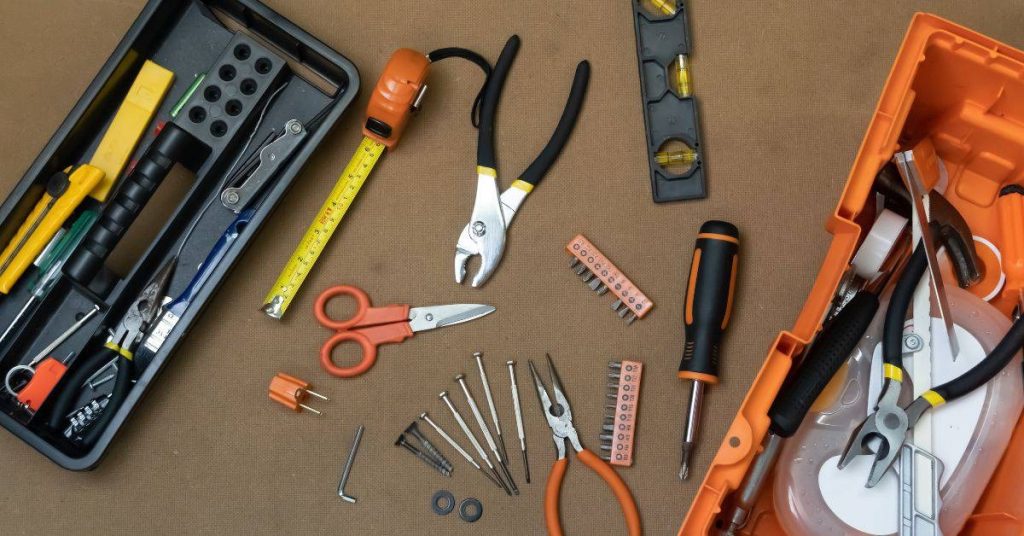
Hand tools including scissors pliers screwdrivers tape measure and level

Hand Edger Radius Guide: Picking 1/8″, 1/4″, 3/8″ Edges for Durability vs Looks

Introduction A hand edger radius guide helps you pick edge profiles around 1/8″, 1/4″, or 3/8″ to shape exposed concrete edges. The choice affects durability and how clean or decorative the edge will look. Always check the product label, manufacturer instructions, and local rules to confirm what radius is allowed for your project. To use

Hand Edger Radius Guide: Picking 1/8″, 1/4″, 3/8″ Edges for Durability vs Looks Read More »

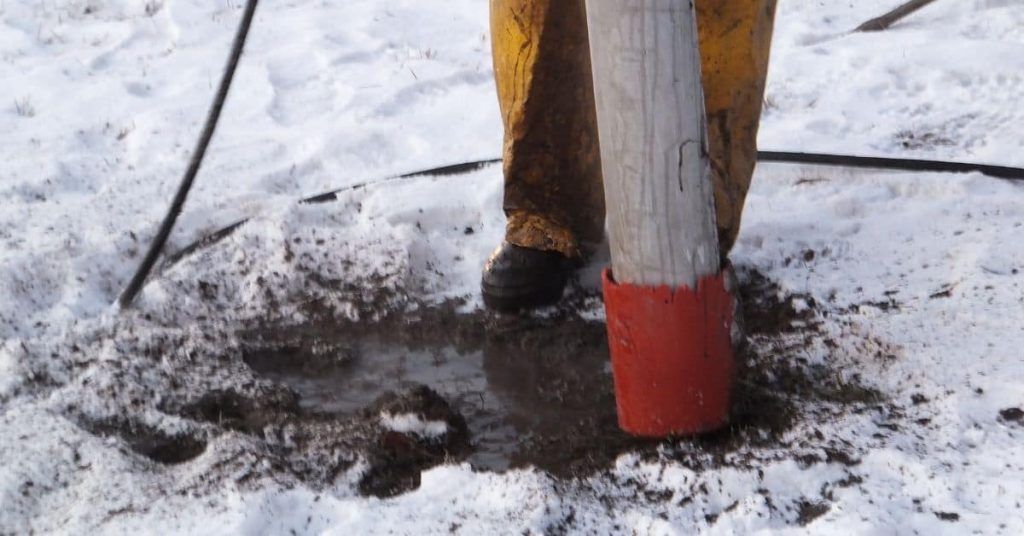
Worker standing in snowy ground with muddy water pooling

Cold Joints in Basement Walls: Waterstop Retrofits and ‘Outside Access’ vs ‘Inside Fix’ Reality

Introduction Cold joints in basement walls are weak seals where concrete layers meet that can leak if not treated. This article walks you through practical retrofit ideas and what to watch for on a DIY job. We keep it plain and achievable, not a blueprint. You’ll encounter several waterstop options, from flexible sleeves to sheet

Cold Joints in Basement Walls: Waterstop Retrofits and ‘Outside Access’ vs ‘Inside Fix’ Reality Read More »

Close-up of dusty white plaster wall texture

Priming Dusty Plaster: Sealing chalky walls so paint actually bonds

Introduction Priming dusty plaster means applying a compatible primer to seal chalky surfaces so paint can properly adhere. This helps the surface hold onto new paint and reduces peeling. Check the primer label for suitability with plaster and ensure the wall is clean and dust-free before applying. If in doubt, consult the product instructions and

Priming Dusty Plaster: Sealing chalky walls so paint actually bonds Read More »

Worker smoothing plaster on wall with trowel

Tadelakt Maintenance: Keeping water resistance without constant rework

Introduction Tadelakt maintenance is the ongoing care of a lime plaster finish to preserve water resistance. It relies on keeping the surface clean, timely repairs, and periodic re-waxing or sealing as needed. If you notice water infiltration or dull spots, check the product labels and follow the manufacturer guidance. In practice, you can spot-treat small

Tadelakt Maintenance: Keeping water resistance without constant rework Read More »

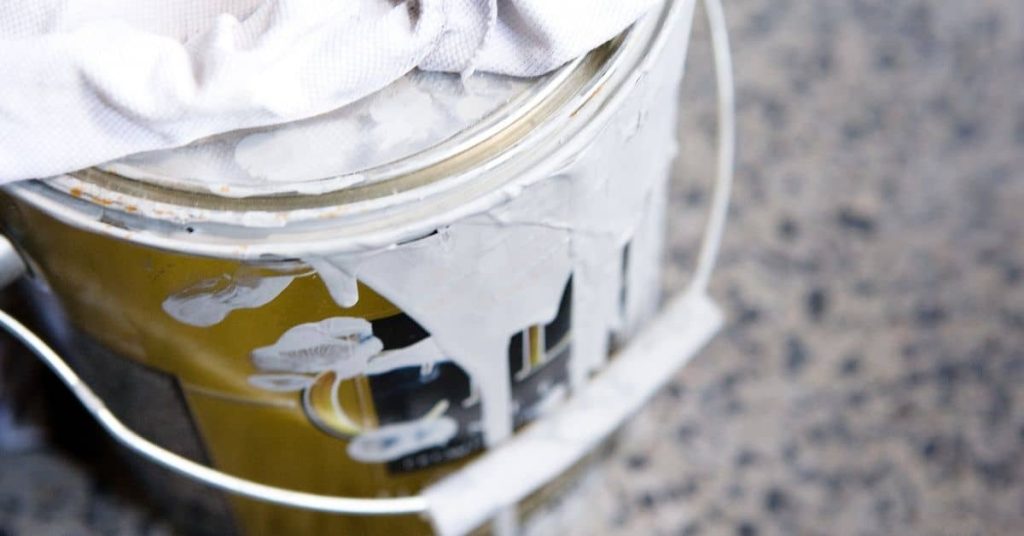
Close-up of paint can with white paint spilled on side

Why Paint Bubbles on Walls: Moisture vs Heat vs Dirt (How to Diagnose)

Introduction Paint bubbles occur when moisture, heat, or dirt get trapped under the paint. That trapped stuff lifts the coating and creates blisters you can see on walls. Check for damp spots, recent heat exposure, or dusty surfaces that weren’t cleaned before painting. To diagnose, inspect the area for moisture, heat exposure, or dirt. Try

Why Paint Bubbles on Walls: Moisture vs Heat vs Dirt (How to Diagnose) Read More »