Search Results for: finishing

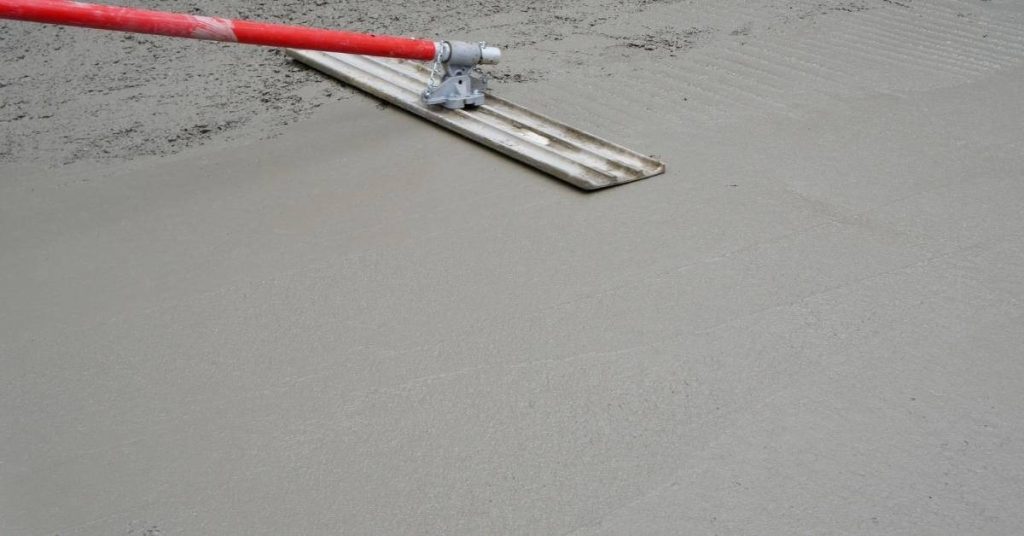
Concrete slab being smoothed with a long-handled screed tool

Scarifier vs grinder on concrete slabs: which tool makes a better overlay profile

Introduction Scarifier (floor planner) and grinder are two concrete tools that produce different overlay profiles. A scarifier removes material with rotating blades to flatten and roughen the surface for bonding. A grinder uses abrasive wheels to shave and finish the surface for a smoother edge. Understanding when each tool is appropriate helps avoid under- or […]

Scarifier vs grinder on concrete slabs: which tool makes a better overlay profile Read More »

Empty concrete multi-level parking garage with columns and ceiling beams

Diamond cup wheels for concrete and masonry: picking grit and segment style to avoid gouges

Introduction Diamond cup wheels for concrete and masonry are grinding tools that remove material with diamond-embedded segments. Choosing the right grit and segment style helps avoid gouges and yields a smoother edge. Test on a small area and adjust technique to balance speed, durability, and finish quality. Types of wheels include different grit ranges and

Diamond cup wheels for concrete and masonry: picking grit and segment style to avoid gouges Read More »

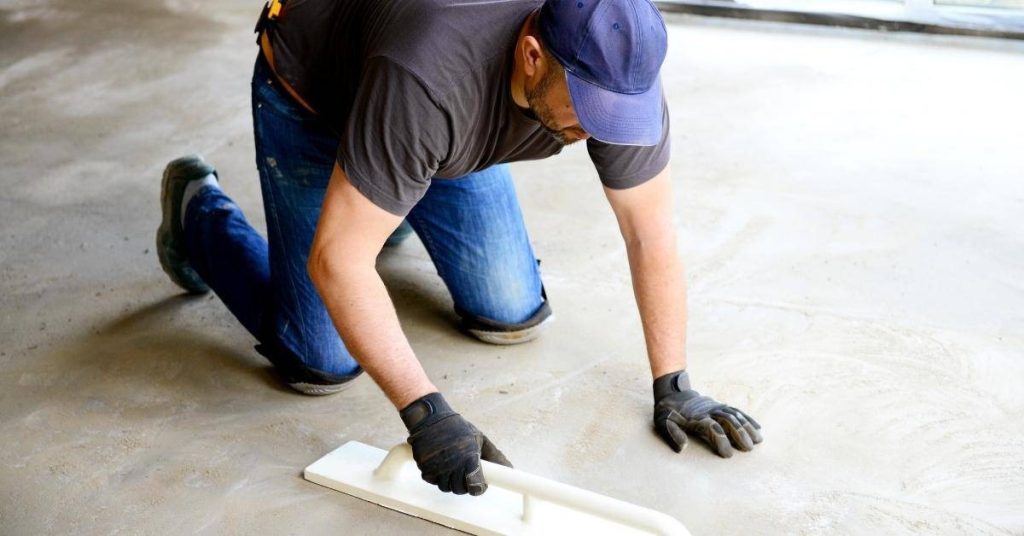
Worker kneeling smoothing wet concrete floor

Stringline vs laser for concrete and masonry layout: when old-school lines beat tech for accuracy

Introduction Stringlines are a traditional layout method using taut string and stakes to mark precise lines for concrete and masonry. Lasers introduce electronic sighting and can be faster, but stringlines can be more accurate in limited spaces or on uneven terrain when properly stretched and aligned. The choice depends on accuracy needs, site conditions, and

Stringline vs laser for concrete and masonry layout: when old-school lines beat tech for accuracy Read More »

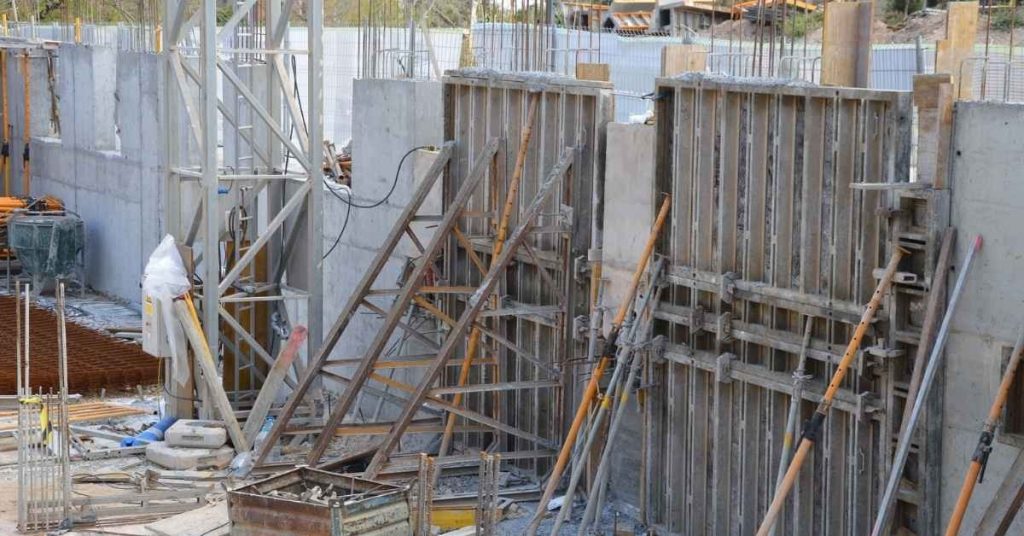
Concrete wall forms with multiple braces and supports at construction site

Concrete form bracing checklist: the quick pre-pour inspection that prevents disasters

Introduction A concrete form bracing checklist is a quick, practical pre-pour verify-before-you-commit guide to ensure form supports and braces are secure. Use it to confirm the setup is stable, true, and ready for concrete placement. It also helps you spot gaps in formwork setup, reinforcement placement, and material readiness before you mix and pour. Start

Concrete form bracing checklist: the quick pre-pour inspection that prevents disasters Read More »

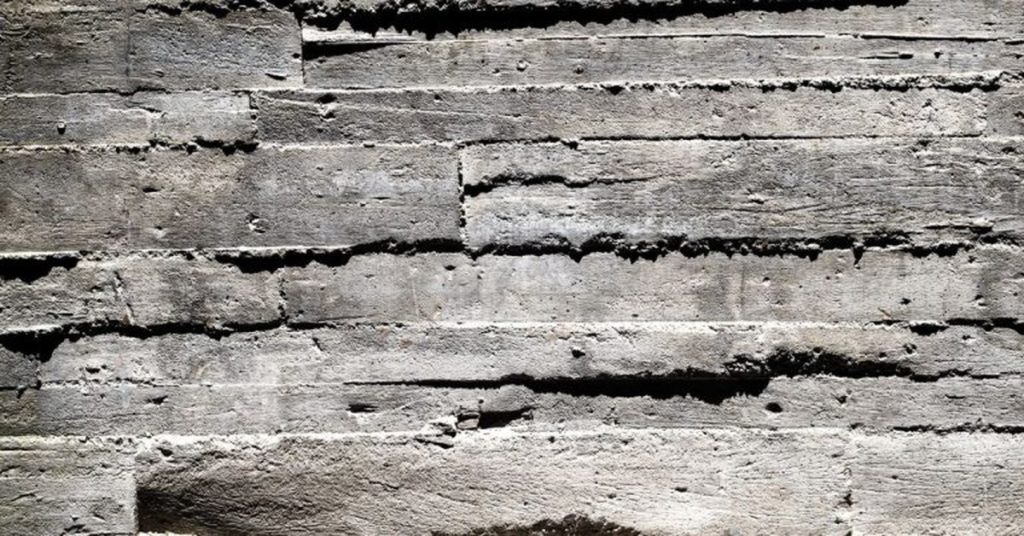
Close-up of rough concrete surface with wood grain texture

Concrete float comparison: mag, wood, resin—how each changes the finish

Introduction A concrete float comparison explains how magnesium, wood, and resin floats affect the surface finish. This article frames what each float type does as you work a concrete slab or patch, with plain, hands-on guidance. You’ll see what to expect in real-world use and how to judge the finish as you go. Magnesium floats

Concrete float comparison: mag, wood, resin—how each changes the finish Read More »

hand holding hand trowel smoothing wet concrete surface

Hand trowel sizing for concrete and plaster work: what beginners should buy first and what to skip

Introduction Hand trowel sizing means choosing the blade width and handle style to match the task, material, and user comfort, so beginners know what to buy first and what to skip. Start with a basic mid-size trowel suitable for both concrete and plaster, and avoid buying rare or specialty shapes until you’ve used a standard

Hand trowel sizing for concrete and plaster work: what beginners should buy first and what to skip Read More »

Hands smoothing wet concrete with trowels on outdoor slab

Breaking in a new concrete trowel: edge prep so you don’t leave tracks everywhere

Introduction Edge prep for a new concrete trowel means ensuring the blade edge is clean and true so your finish tracks are minimal. Keep metal free of nicks and burrs, and verify the edge sits straight against the handle. If the edge isn’t true, check the manufacturer’s guidance on bevels and sharpening before proceeding. Begin

Breaking in a new concrete trowel: edge prep so you don’t leave tracks everywhere Read More »

Concrete driveway ramp with horizontal saw-cut joints

Blending tooled and saw-cut concrete joints: making last-minute changes look intentional

Introduction Blending tooled and saw-cut concrete joints means intentionally combining hand-worked joints with later-cut joints to create a varied, cohesive joint pattern. This approach requires planning the joint locations and finishing texture so appearance looks deliberate. Keep in mind the different tools and methods affect edge quality, so confirm your plan before you cut. Before

Blending tooled and saw-cut concrete joints: making last-minute changes look intentional Read More »

Fresh concrete poured in wooden formwork at construction site

Concrete vibrator mistakes in DIY forms: honeycombing, blowouts, and how to avoid them

Introduction Honeycombing and blowouts are defects in concrete caused by improper compaction. This article explains how to spot these issues and why they happen in DIY pours. We’ll cover how to use a vibrator correctly and what to check to avoid problems. Identify honeycombing by looking for voids, exposed aggregate, and a rough, porous surface

Concrete vibrator mistakes in DIY forms: honeycombing, blowouts, and how to avoid them Read More »

Stacked precast concrete columns outdoors on grass

Choosing a concrete form-release agent: what stains, what doesn’t, and how to apply evenly

Introduction A concrete form-release agent is a coating applied to forms to prevent concrete from sticking. Common types include liquid sprays or pours and powder blends, and the right choice depends on the form material, project size, and local guidance. Apply evenly according to the product instructions and consider timing to avoid gaps or buildup.

Choosing a concrete form-release agent: what stains, what doesn’t, and how to apply evenly Read More »