Search Results for: finishing

Empty concrete parking garage with white pillars and ceiling

Sealing Concrete That’s Still Green: Safe Timing When You Can’t Wait 28 Days

Introduction Sealing concrete that’s still green means applying a sealer before the full curing time is finished. This can trap moisture and interfere with the concrete’s hardening. Always check the product label and local rules to know if sealing early is allowed and what risks to expect. If you can’t wait, use only sealers labeled […]

Sealing Concrete That’s Still Green: Safe Timing When You Can’t Wait 28 Days Read More »

Stone fireplace surrounded by plaster walls and large windows

Clay Plaster in Entryways: Scuff Resistance, Touch-Ups, and Protective Finishes

Introduction Clay plaster in entryways is a clay-based finish applied to walls to create a durable, breathable surface. In busy entry spots you’ll want to understand how it resists scuffs and how touch-ups go when scuffs happen. Check product labels and local rules for any limits on sealing or indoor use before you start. Touch-ups

Clay Plaster in Entryways: Scuff Resistance, Touch-Ups, and Protective Finishes Read More »

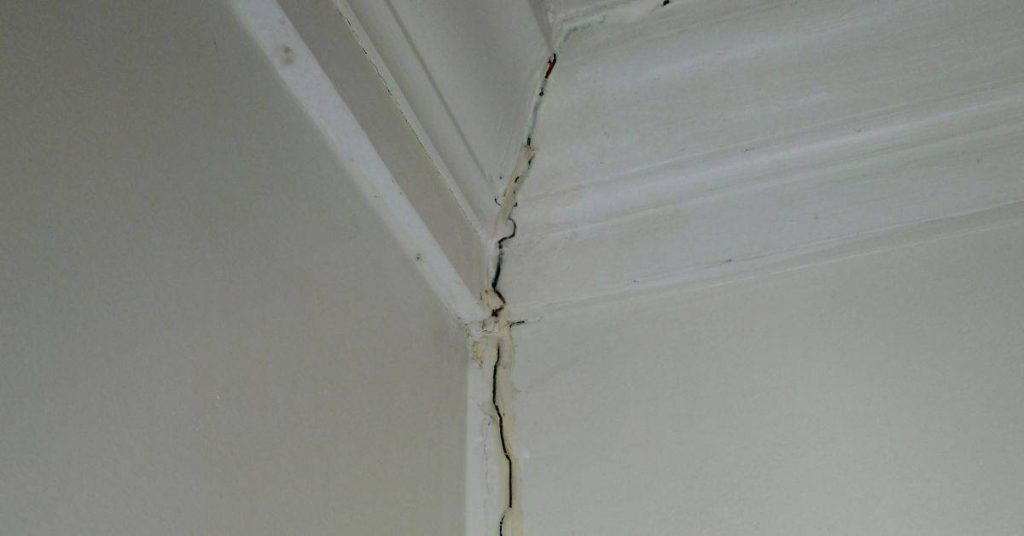
Hairline crack in plaster wall corner near ceiling trim

Hairline Crack Repairs That Don’t Show: Routing vs Injection vs Surface Fill

Introduction Hairline crack repairs that don’t show are methods that seal the crack and restore a smooth, uniform surface without visible seams. Routing, injection, and surface fill are common DIY options you can choose based on access and how the crack behaved. The goal is to blend the repair so it’s hard to notice after

Hairline Crack Repairs That Don’t Show: Routing vs Injection vs Surface Fill Read More »

Hand holding trowel with wet concrete inside container

Feather-Edge Patch Failures: Minimum Thickness Rules and Better Edge Details

Introduction Feather-edge patch failures occur when the thin edge of a patch is not thick or stable enough to grip the surrounding concrete. In plain terms, the edge can erode or chip and the patch pulls away. Make sure you follow the material’s directions and local rules for edge prep. To avoid failures, clean and

Feather-Edge Patch Failures: Minimum Thickness Rules and Better Edge Details Read More »

Hand smoothing plaster on white wall with trowel

Repair Mortar That Debonds: Surface Prep Mistakes and How to Reattach Correctly

Introduction Repairing mortar that debonds means reattaching loose mortar to the wall or joint using proper prep and bonding steps. Start by cleaning away loose bits and finding solid edges so the new mix has something solid to grab. Check the product label or manufacturer instructions for bond requirements and suitable mixes, and follow local

Repair Mortar That Debonds: Surface Prep Mistakes and How to Reattach Correctly Read More »

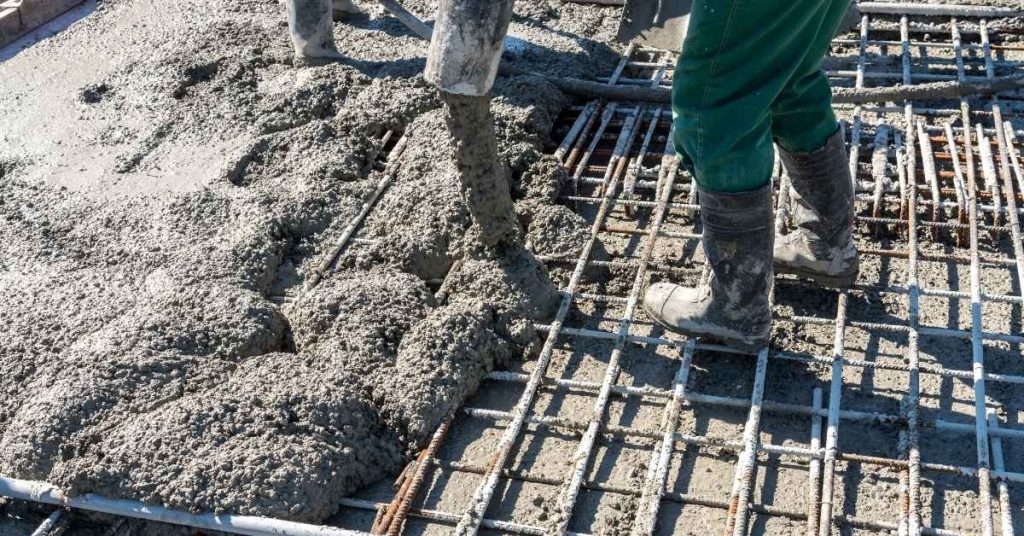
Worker pouring wet concrete over steel rebar grid

Repairing Concrete After Jackhammering Nearby: Microcracks, Prep, and Patch Adhesion

Introduction Repairing concrete after jackhammering nearby means fixing hairline cracks and damaged patches so the surface can take load again and look even. Microcracks form from vibration and shifts, and prep is needed to keep new material from pulling away. Start by cleaning dust and debris, then let the area dry. Roughen the surrounding concrete

Repairing Concrete After Jackhammering Nearby: Microcracks, Prep, and Patch Adhesion Read More »

Stone water well with bucket hanging from pulley system

How to Prevent Concrete ‘Mud Cracks’ in Patches: Water Control and Layer Thickness

Introduction Mud cracks in patches occur when water leaves the mix faster than the concrete sets and the patch is too thick. Keep forms tight and manage moisture so the surface cures evenly, not with a runny or dry edge. Always check the product label or local guidance for curing and thickness recommendations before you

How to Prevent Concrete ‘Mud Cracks’ in Patches: Water Control and Layer Thickness Read More »

Concrete beams with exposed rebar on construction site

Salt-Finish Concrete on Small Projects: Timing, Cleanup, and Sealing Without Haze

Introduction Salt-finish concrete is a decorative surface created by applying and later washing away salt to expose a textured layer. On small projects, it’s a practical way to add grip and character, but timing and technique matter for a clean look. Always check manufacturer guidelines for how long to work the surface, how to apply

Salt-Finish Concrete on Small Projects: Timing, Cleanup, and Sealing Without Haze Read More »

closeup of textured sand-finish concrete surface

DIY Sand-Finish Concrete: Getting a Fine Texture Without Weak Surface Paste

Introduction DIY Sand-Finish concrete is a surface texture created by applying a fine sand mix to the top to achieve a smooth, speckled look. It’s a hands-on technique that can hide light trowel marks and give the surface a gentle, gritty feel. It’s meant to be practical for a DIY project, not a showroom finish.

DIY Sand-Finish Concrete: Getting a Fine Texture Without Weak Surface Paste Read More »