Search Results for: finishing

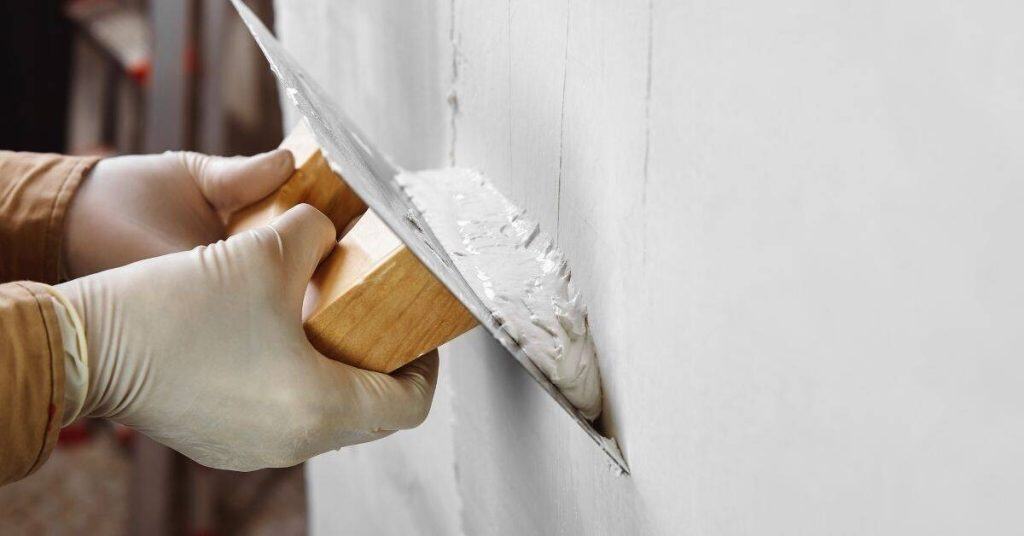
Hands applying wet plaster on wall with trowel

Creating a Smooth Plaster Finish: Trowel Pressure and Timing Basics

Introduction A smooth plaster finish comes from controlled trowel pressure and proper timing. That means pressing evenly as you float or skim, and watching the set so you don’t pull or push too much. You’ll get a better look if you keep strokes consistent and work in small, overlapping sections. Check the plaster’s working time […]

Creating a Smooth Plaster Finish: Trowel Pressure and Timing Basics Read More »

Close-up of white textured plaster surface

Casein Paint on Plaster: When It’s Useful and How to Avoid Flaking

Introduction Casein paint on plaster is a natural, milk-protein based paint that creates a matte, breathable finish on plaster walls. This approach is useful when you want a soft look, easy touch-ups, and a traditional feel. Before you start, test a small area and check the product label for compatibility with plaster and existing finishes.

Casein Paint on Plaster: When It’s Useful and How to Avoid Flaking Read More »

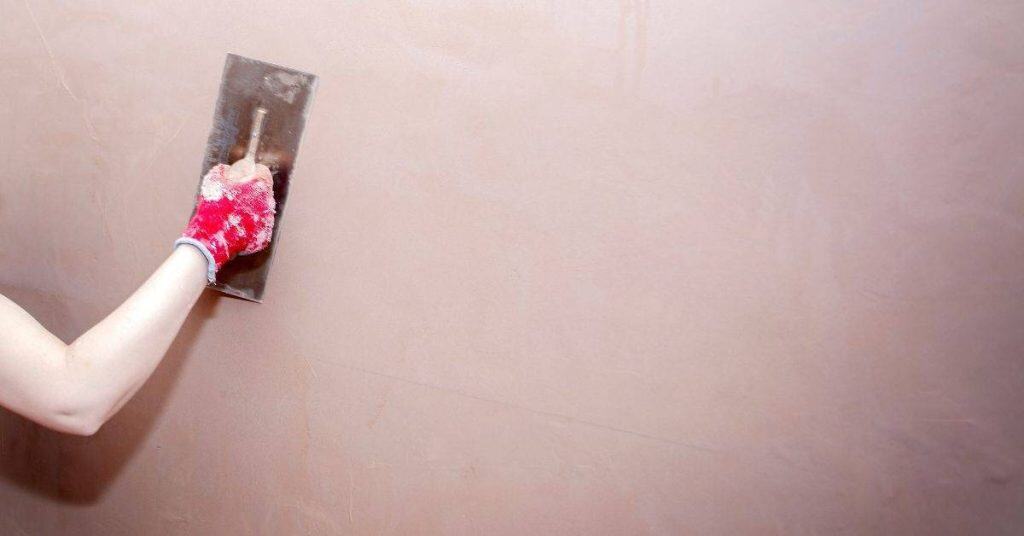
Hand wearing red glove smoothing plaster on wall with trowel

Breathable Finishes for Lime Plaster: What to Use and What to Avoid

Introduction Breathable finishes for lime plaster are coatings that let moisture pass through while protecting the wall. They’re chosen to prevent damp buildup and to keep the plaster performing over time. Check product labels and manufacturer instructions to confirm breathability and suitability for lime plaster. Use lime-putty-based finishes or mineral paints labeled breathable. Avoid latex-based

Breathable Finishes for Lime Plaster: What to Use and What to Avoid Read More »

Person pressure washing concrete patio with hose nozzle

Uneven Concrete Color After Washing: How to Reset Without Making It Worse

Introduction Uneven color after washing means the surface shows inconsistent shade because cleaning or water exposure altered the finish. This happens when residue, detergents, or the top seal interact with the concrete and leave lighter or darker patches. The fix is practical and requires careful, in-place steps rather than a big overhaul. Start with a

Uneven Concrete Color After Washing: How to Reset Without Making It Worse Read More »

Paint roller applying sealer on outdoor concrete pavers

Sealing Concrete Outdoors: Penetrating vs Film-Forming and When to Use Each

Introduction Penetrating sealers soak into the concrete to guard against moisture and stains, while film-forming sealers sit on the surface as a protective layer. That choice changes how you clean, maintain, and how it handles water. If you want a low-maintenance, breathable finish, penetrating is often better; if you want a slick surface or easier

Sealing Concrete Outdoors: Penetrating vs Film-Forming and When to Use Each Read More »

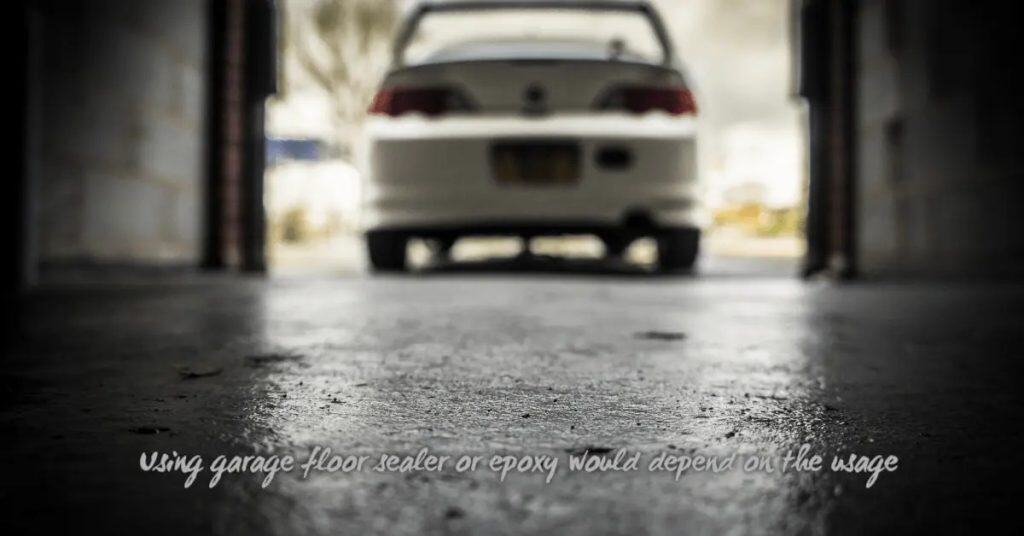
Close-up of textured concrete garage floor with white car in background

Moisture-Safe Concrete Coatings: What Works, What Doesn’t, and Why

Introduction Moisture-safe concrete coatings are sealers and finishes that slow or block water from the concrete surface. They help keep moisture from moving into basements, garages, or workshops. Choose options that fit your climate and surface, and always follow label directions. What doesn’t work for everyone can be a waste of time and money. In

Moisture-Safe Concrete Coatings: What Works, What Doesn’t, and Why Read More »

Pouring bonding slurry onto dry concrete surface

How to Patch Thin Concrete Repairs: Bonding Slurry and Edge Prep That Sticks

Introduction Patch thin concrete repairs with a bonding slurry to help the patch stick to the prepared edge. Start with clean, dust-free edges and roughen the surface for a solid key, then mix the slurry and patch material as instructed. If in doubt, check manufacturer guidance or local rules to ensure proper adhesion. Prepare the

How to Patch Thin Concrete Repairs: Bonding Slurry and Edge Prep That Sticks Read More »

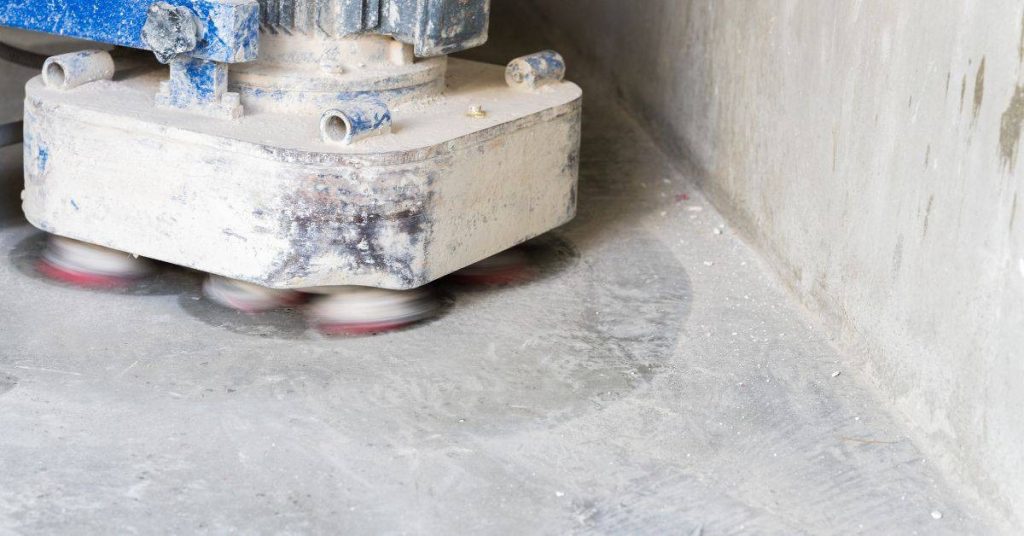
Close-up of concrete floor grinding machine on rough concrete surface

Fixing Form Lines on Exposed Concrete: Grinding, Skim Coats, and Texture Matching

Introduction Fixing form lines on exposed concrete means smoothing or concealing the raised lines left by the forms so the surface looks even. In this DIY approach, you’ll grind the lines down, skim-coat areas as needed, and texture-match the rest of the surface. Plan to work methodically, wear a dust mask, and always check the

Fixing Form Lines on Exposed Concrete: Grinding, Skim Coats, and Texture Matching Read More »

Concrete floor grinding machine smoothing surface

Fixing Birdbaths on Concrete: Grinding, Topping, and When to Re-Pour

Introduction Grinding, topping, and re-pouring are practical steps to repair and level a birdbath set in concrete. This DIY guide walks you through evaluating the damage, choosing a plan, and doing the work safely. You’ll learn what to check on materials and how to approach the job without fancy tools. Start by inspecting the existing

Fixing Birdbaths on Concrete: Grinding, Topping, and When to Re-Pour Read More »