Search Results for: finishing

Worker applying textured plaster to wall with roller

Soft Dusty Plaster Surfaces: Consolidants, Re-Skim Options, and Stop Rules

Introduction Soft dusty plaster surfaces are fragile, powdery walls that crumble when touched. That dustiness means you’re dealing with a coating that has lost binding and needs careful treatment. This article walks you through consolidants, re-skim options, and practical stop rules for a safe, workable repair. We’ll keep things practical with real-world steps you can

Soft Dusty Plaster Surfaces: Consolidants, Re-Skim Options, and Stop Rules Read More »

Hand sanding a plaster wall with a sanding sponge

Plaster Sanding Mistakes: When Sanding Ruins the Finish and What to Do Instead

Introduction Sanding plaster can ruin the finish if you over-sand or use the wrong grit for the surface. This article explains how to spot the signs and what to do instead. You’ll learn practical, hands-on steps you can take without turning a simple job into a bigger mess. Start by avoiding heavy, broad motions and

Plaster Sanding Mistakes: When Sanding Ruins the Finish and What to Do Instead Read More »

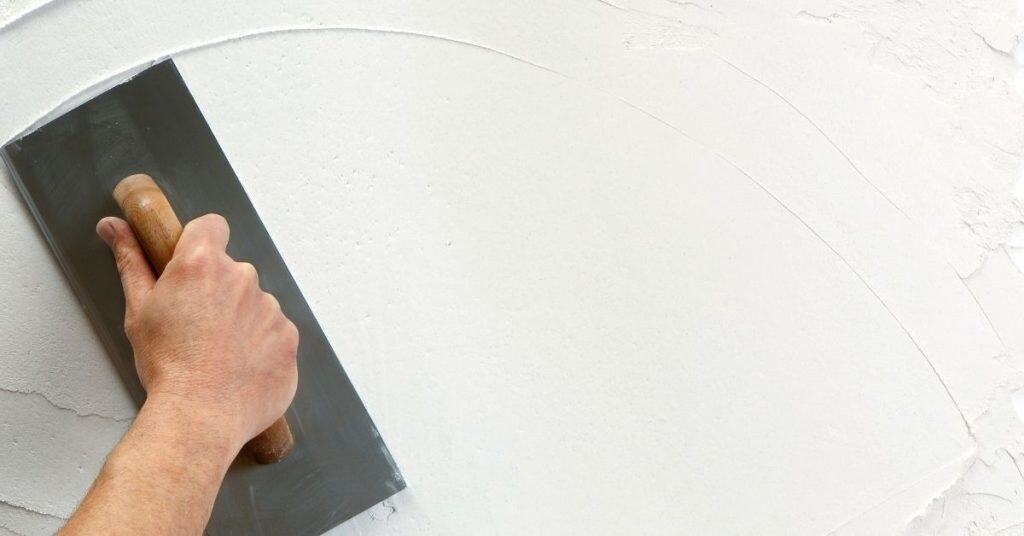
Hand holding trowel smoothing plaster on wall

Plaster Crack Repair That Lasts: Stabilize Movement Before You Patch

Introduction Stabilizing movement before patching means stopping the wall from shifting so the patch can stick. This is a hands-on job, not a quick cover-up. You’ll address the underlying cause first, then patch. Start by locating what’s moving in the wall and take steps to stop it. Secure loose framing with basic fixes and let

Plaster Crack Repair That Lasts: Stabilize Movement Before You Patch Read More »

Blue ladder in room with patched and primed drywall walls

Movement Control at Material Changes: Preventing Cracks Where Walls Meet

Introduction Movement control at material changes means allowing tiny shifts where different building materials meet to prevent cracks. Key takeaways Align movement joints at material change lines to control crack paths. Use proper backing and sealant systems suited to substrate movement. Follow manufacturer guidelines and local codes for joint spacing and materials. Backer rods prevent

Movement Control at Material Changes: Preventing Cracks Where Walls Meet Read More »

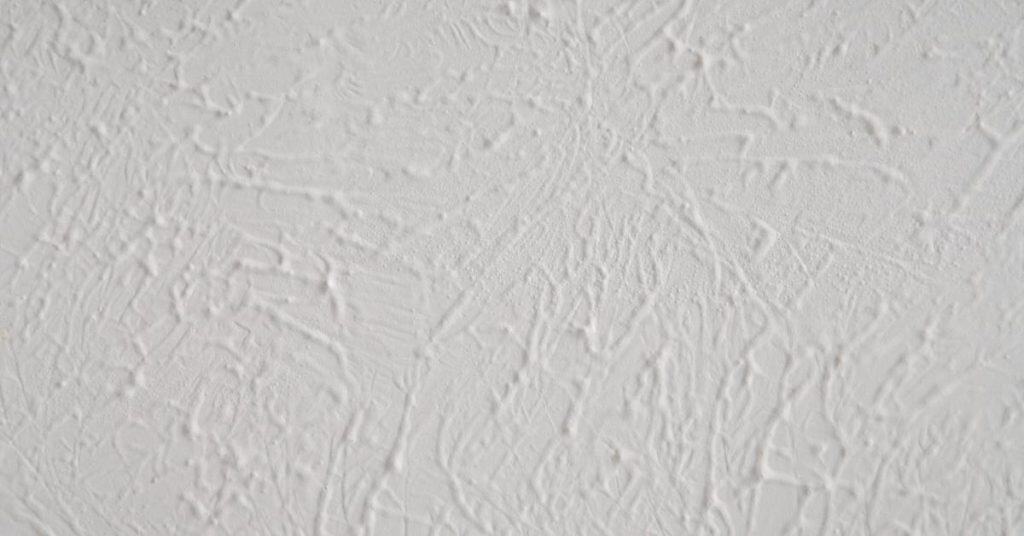
Close-up of white plaster wall with textured surface

Matching Old Plaster Texture: Brushing, Sponging, and Feathering Tricks

Introduction This guide explains how to match old plaster texture using brushing, sponging, and feathering techniques. You’ll learn simple, hands‑on steps to blend new patches with the surrounding wall. Keep in mind the look varies with light and the original finish. Start by inspecting the current texture to guide your brush, sponge, or feathering choice.

Matching Old Plaster Texture: Brushing, Sponging, and Feathering Tricks Read More »

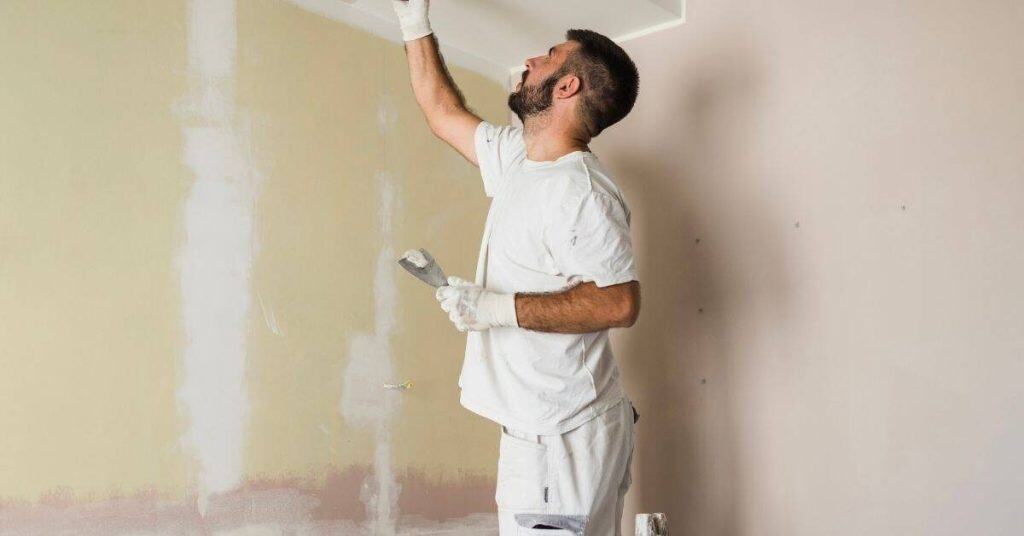
Man patching interior wall with plaster using putty knife

Lime Plaster Compatibility Rules: Patching Old Walls Without Future Failure

Introduction Lime plaster compatibility means using a mix that can bond to existing walls without trapping moisture. It requires considering the old wall material and ensuring the new plaster can move with it. Always check the wall for moisture or stability before patching. To patch, clean and roughen the surface, then apply a lime-based plaster

Lime Plaster Compatibility Rules: Patching Old Walls Without Future Failure Read More »