Search Results for: epoxy floor for home

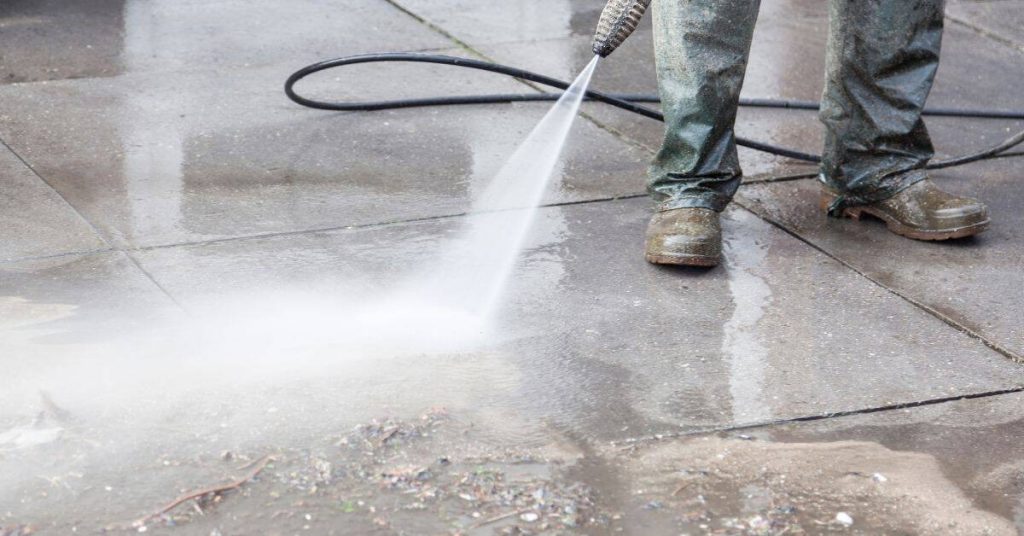
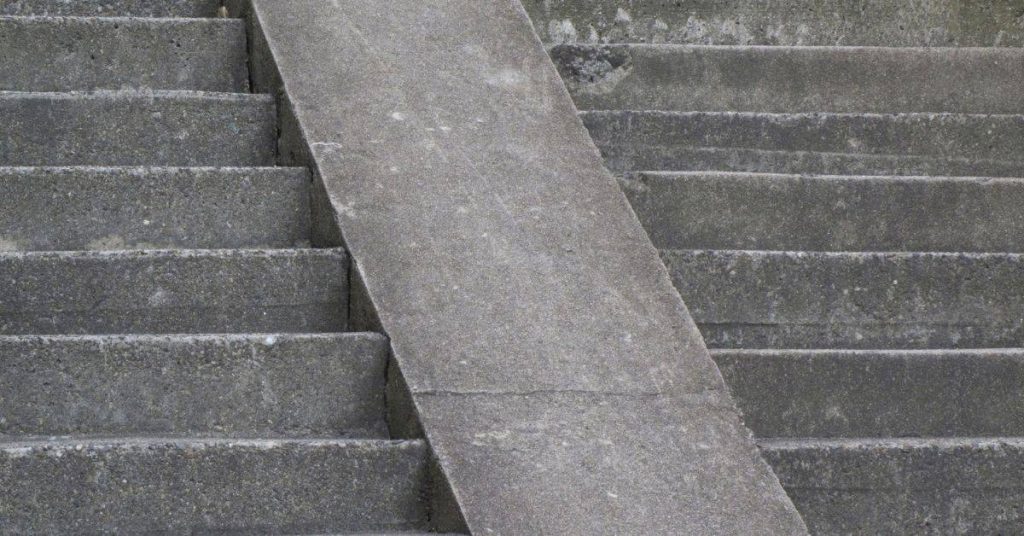
Concrete stairs with a smooth ramp in the middle

Concrete Scaling in Winter: Why the surface flakes and how to stop it

Introduction Concrete scaling in winter is when the top layer peels or flakes off because cold weather, moisture, and repeated freezing push water in and out. Cold temperatures slow curing and make water move through the surface, so you see scaling more on sidewalks, driveways, and slabs that get wet. Watch for slick, rough patches […]

Concrete Scaling in Winter: Why the surface flakes and how to stop it Read More »
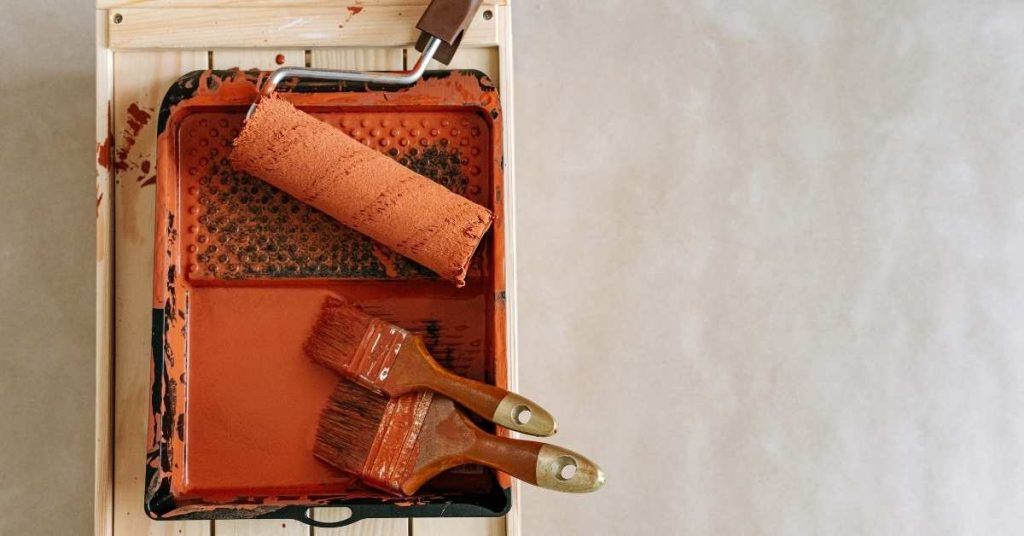
rust-colored paint roller and paintbrushes in tray on wooden surface

Painting Over Rust: Stopping bleed-through and preventing return rust

Introduction Painting over rust means sealing and coating metal surfaces to stop rust bleed-through and prevent future rust. You’ll assess the rust, clean the area, and choose a compatible primer and paint that sticks. Be sure to follow product labels and local rules. Plan to remove loose rust, neutralize corrosion as needed, and apply a

Painting Over Rust: Stopping bleed-through and preventing return rust Read More »

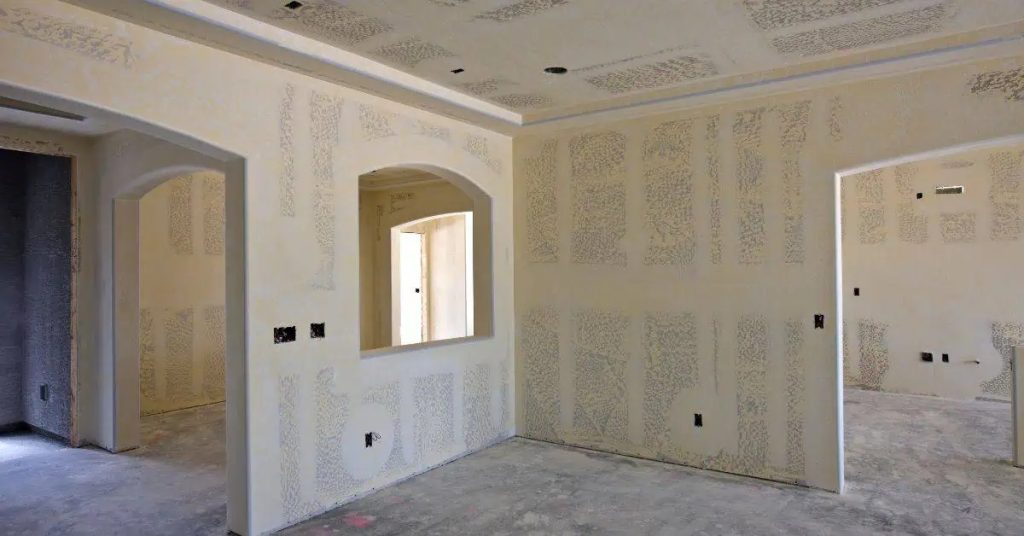
Room with drywall installed and joint compound patches visible

Repairing Raveled Joints: Rebuilding joint edges without creating a weak strip

Introduction Repairing raveled joints means rebuilding the edge of a concrete joint where the surface material has torn loose, without creating a weak, thin strip. Raveling happens when the joint edge flakes or spalls and exposes loose material that won’t hold up under movement. This is a hands-on job: you’ll remove the loose stuff, clean

Repairing Raveled Joints: Rebuilding joint edges without creating a weak strip Read More »

Close-up of asphalt shingle with visible impact damage

Stucco Damage Behind Downspouts: Repairs and water control improvements

Introduction Stucco damage behind downspouts is hidden water intrusion that weakens the wall where the downspout sits. Water running off the gutter can seep behind the stucco and cause cracking, bulging, or soft spots. This article shows practical steps you can do to inspect and start repairs without specialized equipment. Start by cleaning the area

Stucco Damage Behind Downspouts: Repairs and water control improvements Read More »

Worker applying plaster to ceiling with trowel

Plaster Ceiling Patches: Avoiding sagging spots and visible seams

Introduction Plaster ceiling patches are repairs that restore a smooth, level ceiling surface after damage. This quick, hands-on guide walks you through patching without creating sagging spots or visible seams. You’ll assess the damage, prep the surface, mix patch material to the right consistency, and feather the edges for a seamless look. Begin by removing

Plaster Ceiling Patches: Avoiding sagging spots and visible seams Read More »

Paint roller applying white paint on bathroom ceiling

Bathroom Ceiling Paint: Mold resistance without high gloss

Introduction Mold-resistant bathroom ceiling paint with a low-gloss finish resists mold without creating glare. Choose a product labeled for bathroom use and mold resistance, and prep the ceiling first. Always verify the manufacturer’s instructions and local rules for surface prep and drying times. Prepare the ceiling by cleaning, repairing cracks, and letting it dry before

Bathroom Ceiling Paint: Mold resistance without high gloss Read More »

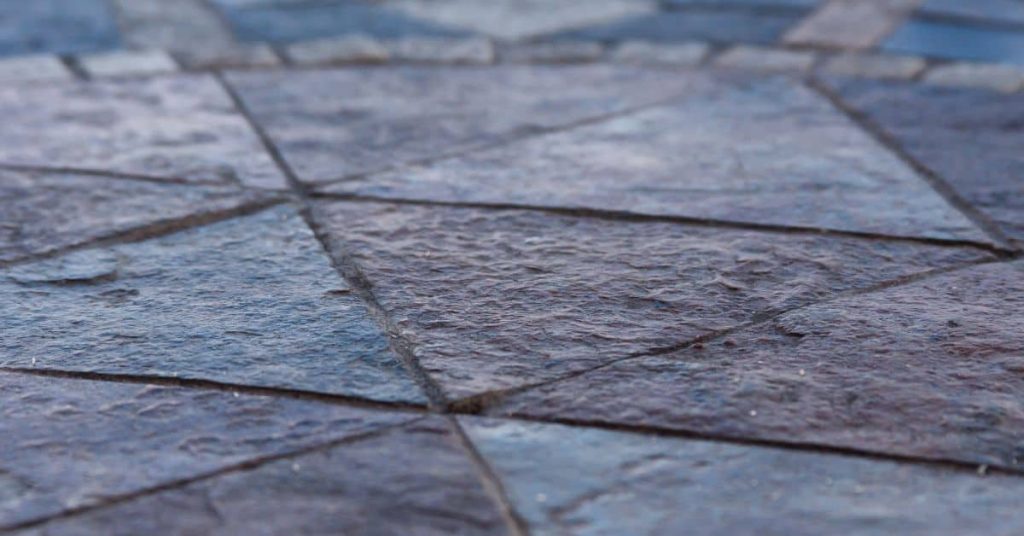
close up of textured stamped concrete floor surface

Concrete Stain Sealer Peeling: Why It Happens and How to Recoat Correctly

Introduction Peeling is when a previously applied stain sealer lifts, flakes, or dulls away from the concrete surface. This usually happens when the sealer didn’t bond well, or when the surface wasn’t prepared or conditioned properly. In DIY terms, you’ll often see peeling after weathering, moisture, or mismatched coatings. To recoat correctly, start with a

Concrete Stain Sealer Peeling: Why It Happens and How to Recoat Correctly Read More »