Search Results for: epoxy floor for home

Close-up of painted textured drywall surface

Polyaspartic Coatings: Cure Times, Surface Prep, and DIY Reality Check

Introduction Polyaspartic coatings are fast-curing concrete coatings used to seal and protect floors. This article cuts through hype and tells you what to expect in terms cure times, prep steps, and what DIY installers should plan for. We’ll cover the real-world steps, from surface prep to finishing touches, in plain language you can actually follow. […]

Polyaspartic Coatings: Cure Times, Surface Prep, and DIY Reality Check Read More »
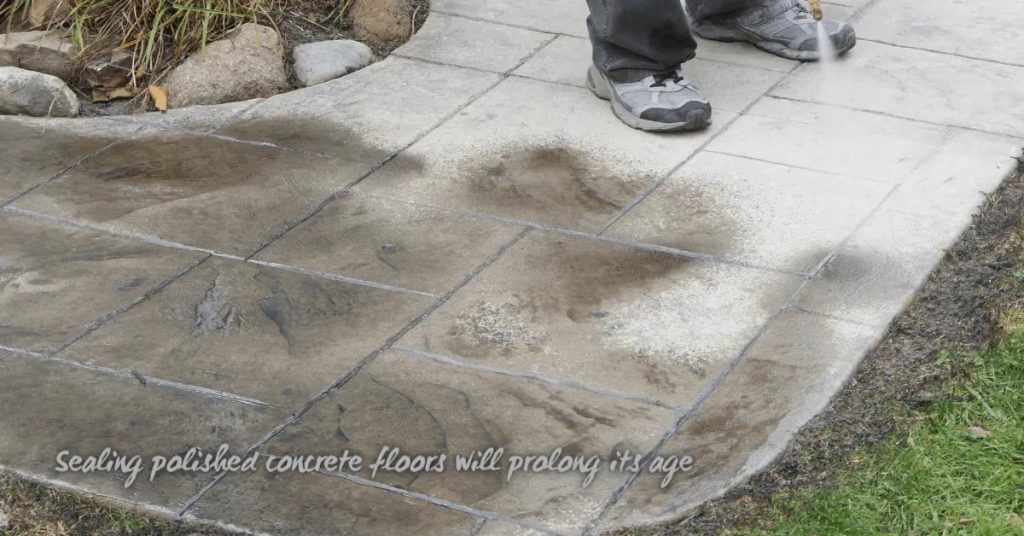
Person applying water to sealed concrete patio outdoors

Slip Resistance on Sealed Concrete: Testing Methods and Safer Additives

Introduction Slip resistance on sealed concrete is the degree to which a sealed surface grips underfoot to prevent slipping. This article covers how to test grip and how safe additives or coatings can help you achieve better traction. Practical testing ideas include simple walk-and-see checks and noting any slippery spots after cleaning and sealing. Consider

Slip Resistance on Sealed Concrete: Testing Methods and Safer Additives Read More »

Bucket with mortar mixing paddle and hand tools inside

Grout vs Mortar vs Thinset: Picking the Right Material for Each Job

Introduction Grout, mortar, and thinset are three distinct masonry materials used for different jobs: grout fills gaps between tiles, mortar binds bricks or blocks, and thinset is a cement-based adhesive for setting tiles. In DIY work, choose based on whether you need bonding, filling, or leveling, and adjust for indoor vs outdoor use. Standard blends

Grout vs Mortar vs Thinset: Picking the Right Material for Each Job Read More »

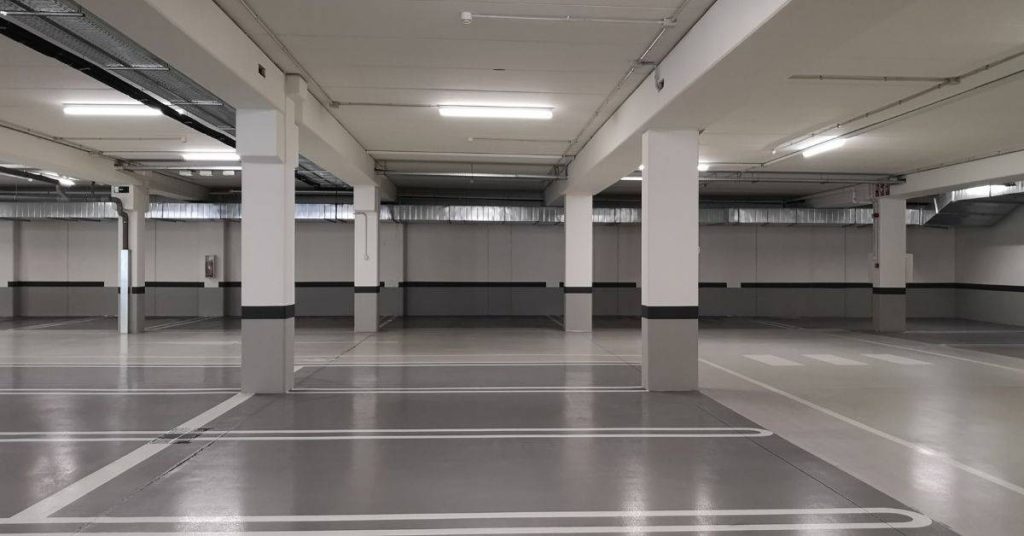
Empty concrete parking garage with support columns and painted lines

Concrete Creep: Why Countertops and Shelves Sag Over Time (and How to Prevent It)

Introduction Concrete creep is the slow, ongoing deformation that happens in hardened concrete under sustained load. It means the material slowly changes shape over time as it bears weight from countertops and shelves. In plain terms, the longer something sits on concrete, the more it can sag or shift a little bit. Common causes include

Concrete Creep: Why Countertops and Shelves Sag Over Time (and How to Prevent It) Read More »

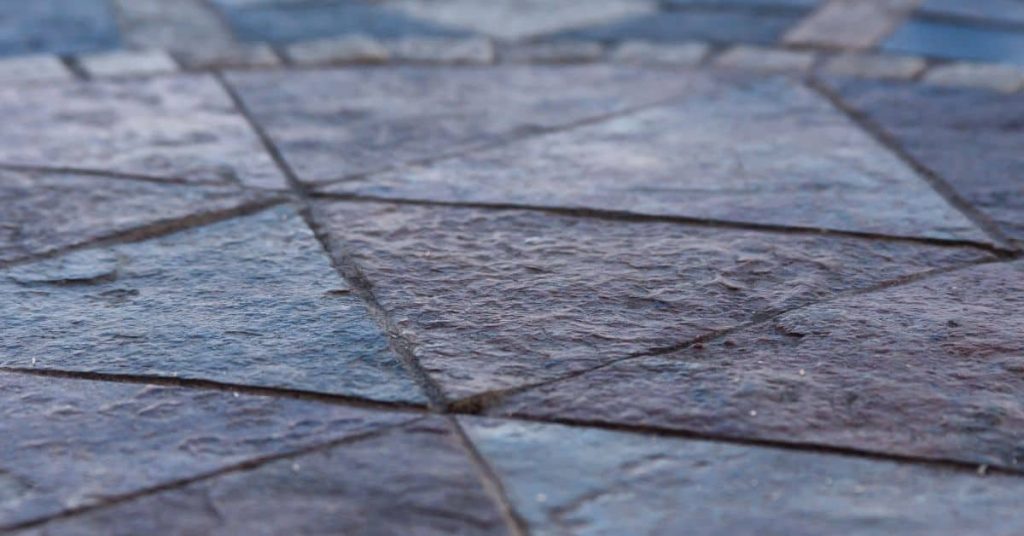
Close-up of textured stamped concrete floor tiles

Concrete Curing Compounds: When to Use Them (and When They Ruin Adhesion)

Introduction Concrete curing compounds are products applied to fresh concrete to retain moisture and control evaporation. They often come as liquid sprays or wipe-on films that form a moisture-retaining barrier as the concrete hardens. Check the label to see if it’s intended for curing only or for sealing and curing, and follow local guidance. Use

Concrete Curing Compounds: When to Use Them (and When They Ruin Adhesion) Read More »

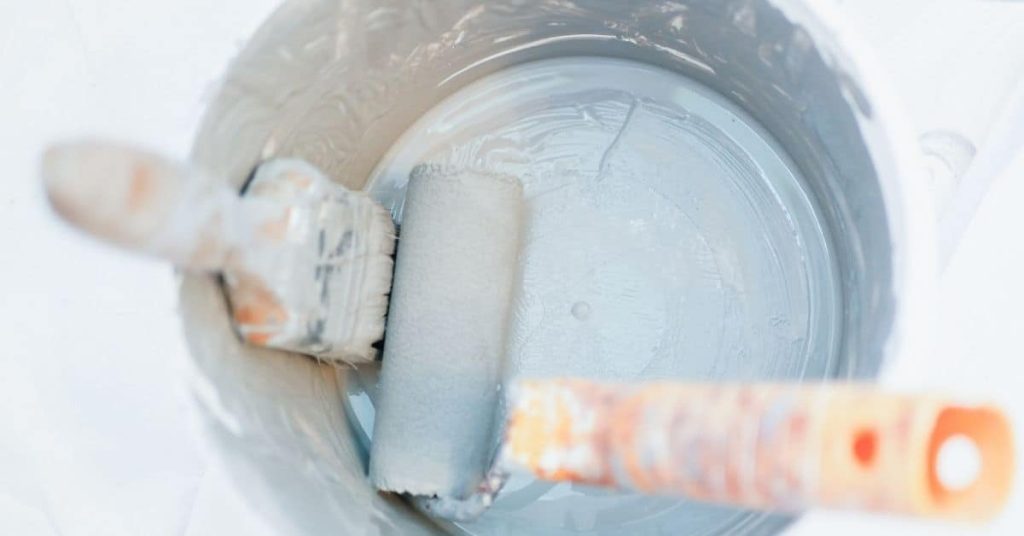
paint roller and brush in bucket of gray coating

Negative-Side Basement Waterproofing: Coatings That Actually Hold (and Why Others Don’t)

Introduction Negative-side basement waterproofing coatings are interior wall treatments applied to the inside surface to block water from seeping in. These coatings work by forming a barrier on the wall that resists moisture that pushes inward. Choose coatings that are rated for interior use and compatible with the wall material, and always follow product labels

Negative-Side Basement Waterproofing: Coatings That Actually Hold (and Why Others Don’t) Read More »

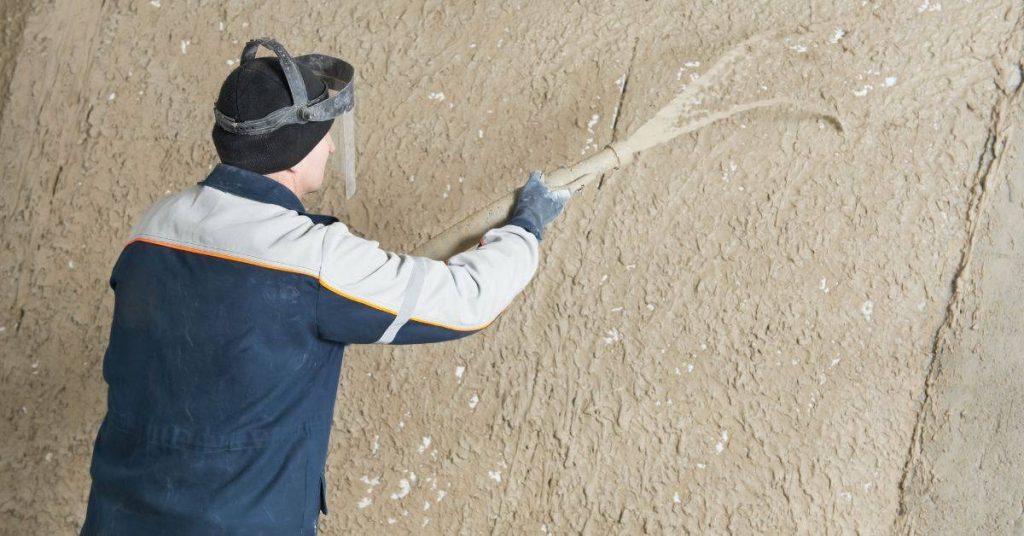
Worker spraying plaster onto wall wearing safety gear

Restoring Plaster Picture Rails: Patch Techniques That Preserve Shadow Lines

Introduction Restoring plaster picture rails means repairing damaged plaster while keeping the thin, shadowed groove where the rail meets the wall intact. This is a hands-on patch job that focuses on feathering new material into the old, matching texture, and protecting the shadow line during work. Expect to use basic plastering tools, patching compounds, and

Restoring Plaster Picture Rails: Patch Techniques That Preserve Shadow Lines Read More »