Search Results for: epoxy coating plant

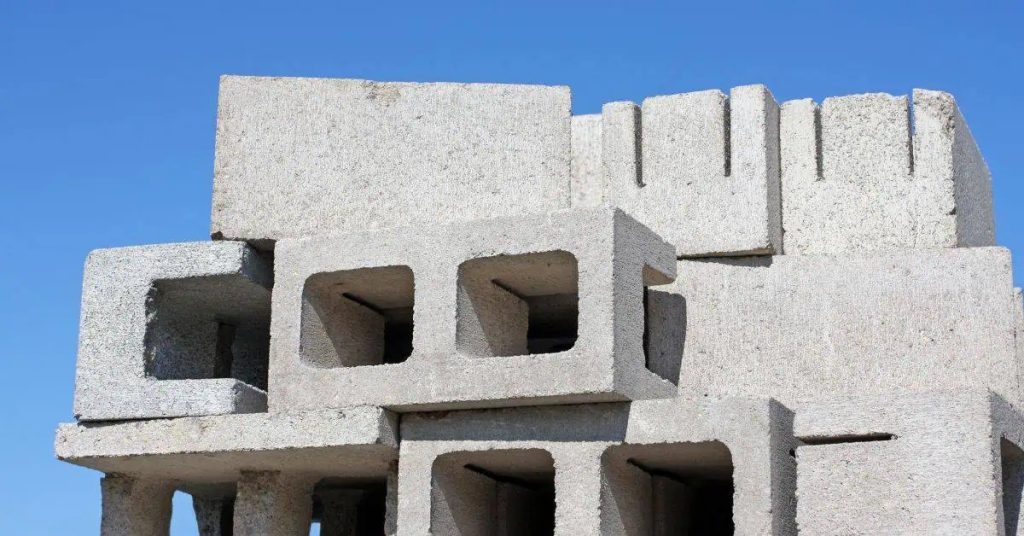
Stack of gray concrete cinder blocks under blue sky

Concrete Planter Drain Holes: Placement, Wicking Risk, and Waterproofing Details

Introduction Concrete planter drainage holes are openings made in the sides or bottom to let excess water escape and keep soil from becoming waterlogged. Place them where excess water can drain freely and where roots won’t be damaged, keeping an eye on their placement relative to the planter edge. Too little drainage can cause waterlogging […]

Concrete Planter Drain Holes: Placement, Wicking Risk, and Waterproofing Details Read More »
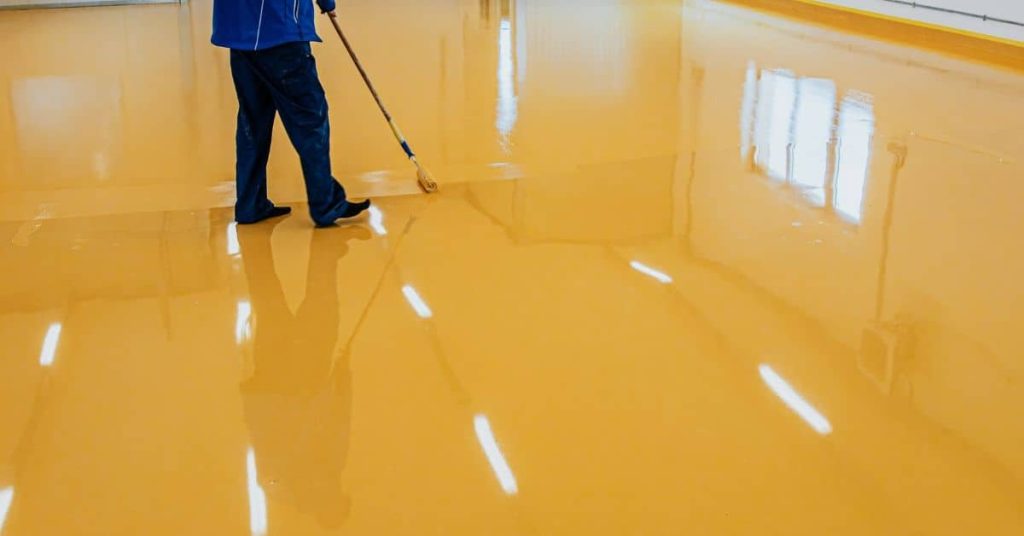
Person applying yellow epoxy coating on floor with roller

Anti-Static Floor Coatings: When They Matter in Workshops and DIY Limits

Introduction Anti-static floor coatings are coatings that reduce static electricity buildup on concrete floors. In a workshop or DIY space, they help prevent shocks and protect sensitive tools. Choose a coating that suits foot traffic and cleaning needs, and follow the label for surface prep. Before applying, test the concrete for moisture and cleanliness, and

Anti-Static Floor Coatings: When They Matter in Workshops and DIY Limits Read More »

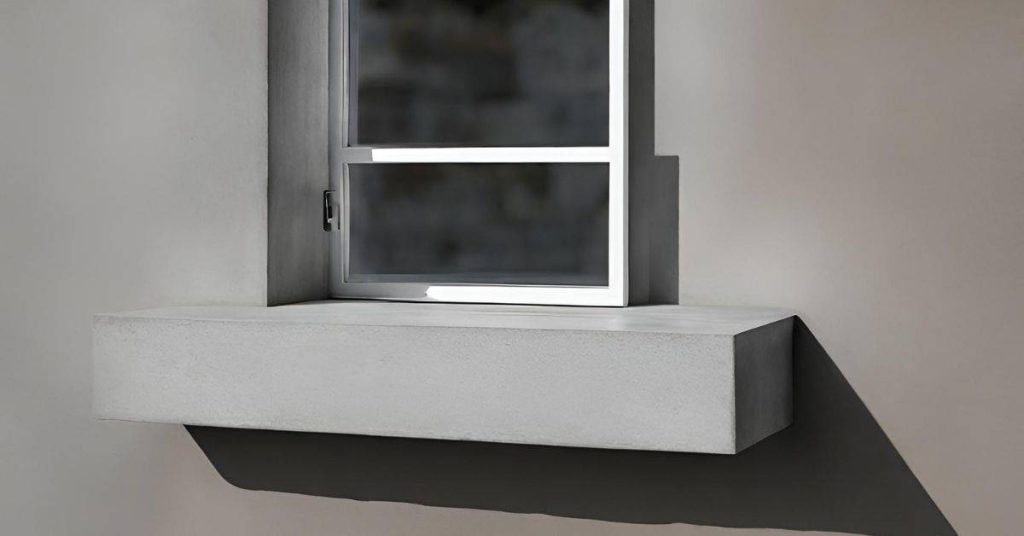
open window above wide concrete window sill casting shadow

Waterproofing Cast Concrete Fountains and Birdbaths: Coatings vs Liners and Maintenance

Introduction Waterproofing cast concrete fountains and birdbaths means choosing a method to keep water from leaking through the concrete. You can use coatings or liners, and each has its own pros for DIY setup and long-term maintenance. Check the product instructions and local rules to confirm compatibility with your concrete, climate, and any decorative finishes.

Waterproofing Cast Concrete Fountains and Birdbaths: Coatings vs Liners and Maintenance Read More »

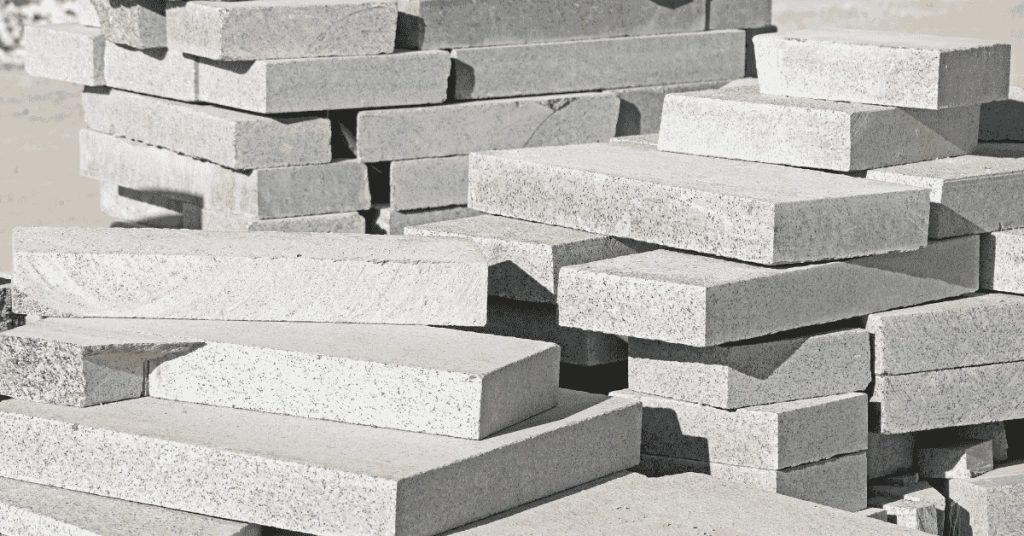
Stacked concrete bricks and blocks outdoors

Concrete Planters: Waterproofing details that don’t peel or trap moisture

Introduction Waterproofing concrete planters means using sealants or coatings that block moisture from entering the concrete and from leaching out. Choose products labeled for concrete and exterior use, and follow the label for surface prep and drying times. Check the manufacturer instructions and local rules for any specific requirements. Apply the sealant with even coverage

Concrete Planters: Waterproofing details that don’t peel or trap moisture Read More »

Glossy shiny black epoxy coated floor reflecting light

Polyurea vs Epoxy Floor Coatings: Where Fast Cure Helps and Where It Causes Failure

Introduction Polyurea and epoxy are two different floor coatings: polyurea cures very fast and stays flexible, while epoxy cures slower and tends to be harder and more rigid. For a DIYer that means polyurea can get you back on the floor quickly, but the fast cure also makes surface prep and application less forgiving. Check

Polyurea vs Epoxy Floor Coatings: Where Fast Cure Helps and Where It Causes Failure Read More »

Stack of gray concrete cinder blocks against clear blue sky

Concrete Planter Waterproofing: Sealers, Liners, and Drain Details That Prevent Cracking

Introduction Concrete planter waterproofing means keeping moisture out of the concrete and away from the reinforcement so the planter holds up without cracking. Use breathable sealers or a physical liner and make sure water can drain—check product labels and local guidance for compatibility and cure times. This is a hands-on job: prep the surface, apply

Concrete Planter Waterproofing: Sealers, Liners, and Drain Details That Prevent Cracking Read More »

Concrete mixer truck delivering concrete at construction site

Removing Curing Compounds Before Coatings: How to Test and Strip the Film

Introduction Remove curing compounds before coatings to ensure proper adhesion and a clean, durable finish. The guide walks through how to test for residual film, choose practical stripping methods, and apply steps that balance effectiveness with surface safety, so you’ll know what to check and how to proceed in real-world applications. Key takeaways Test cure

Removing Curing Compounds Before Coatings: How to Test and Strip the Film Read More »

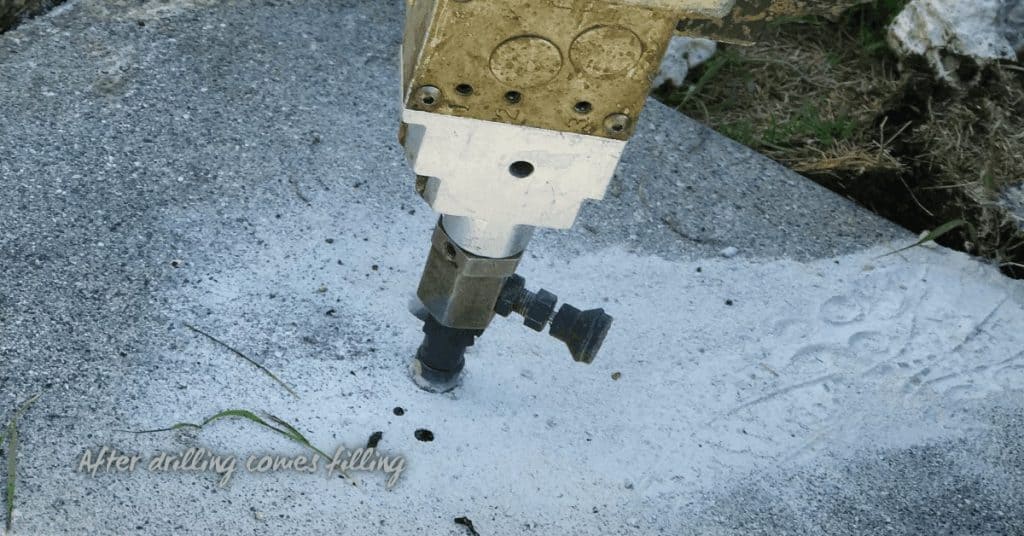
Drilling and Epoxying Dowels: Hole Cleaning Steps That Actually Make It Hold

Drilling and Epoxying Dowels: Hole Cleaning Steps That Actually Make It Hold

Introduction Before diving into dowel and epoxy repairs, you need to understand the basics. This method is ideal for fixing damaged concrete where strength and load-bearing capacity are essential. Proper preparation and execution can make all the difference between a lasting repair and a quick failure. Key takeaways Clean hole debris thoroughly to maximize epoxy

Drilling and Epoxying Dowels: Hole Cleaning Steps That Actually Make It Hold Read More »

Can Epoxy Be Used Outside: Applications, Solutions, and Benefits

Can Epoxy Be Used Outside: Applications, Solutions, and Benefits

Table of Contents Introduction Exploring the Challenges of Outdoor Epoxy Applications What Environmental Factors Impact the Durability of Epoxy? Effective Solutions for Using Epoxy Outdoors Why These Solutions Work for Outdoor Epoxy Applications Conclusion FAQ Introduction Epoxy is known for its strength and versatility. However, using it outdoors comes with its own set of challenges

Can Epoxy Be Used Outside: Applications, Solutions, and Benefits Read More »

Why Epoxy a Garage Floor: Benefits and Solutions

Why Epoxy a Garage Floor: Benefits and Solutions

Table of Contents Introduction The Challenges of Conventional Garage Floors Why Do Traditional Garage Floors Crack? Steps to Epoxy a Garage Floor Benefits of Epoxy Flooring Conclusion FAQ Introduction Garage floors often face many challenges, especially when made from standard concrete. Stains and cracks can make your space look less appealing and affect its functionality.

Why Epoxy a Garage Floor: Benefits and Solutions Read More »