Search Results for: epoxy floor

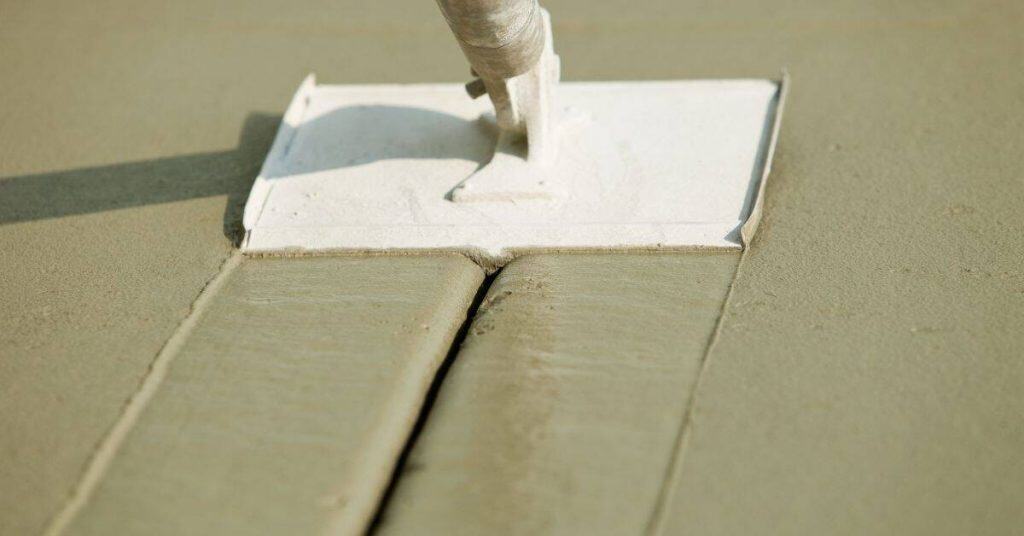
Expansion/Movement Joints: Where to Leave Gaps and How to Finish Them Cleanly

Expansion/Movement Joints: Where to Leave Gaps and How to Finish Them Cleanly

Introduction Leave proper gaps at expansion and movement joints to accommodate building movement and prevent cracking. This introduction explains how to choose appropriate gap sizes, where joints belong, and how to finish them cleanly with durable sealants and proper detailing. You’ll learn practical tips, common mistakes to avoid, and a straightforward approach to creating joints […]

Expansion/Movement Joints: Where to Leave Gaps and How to Finish Them Cleanly Read More »
How Humid Summers Reveal Weaknesses in Diy Concrete Coatings

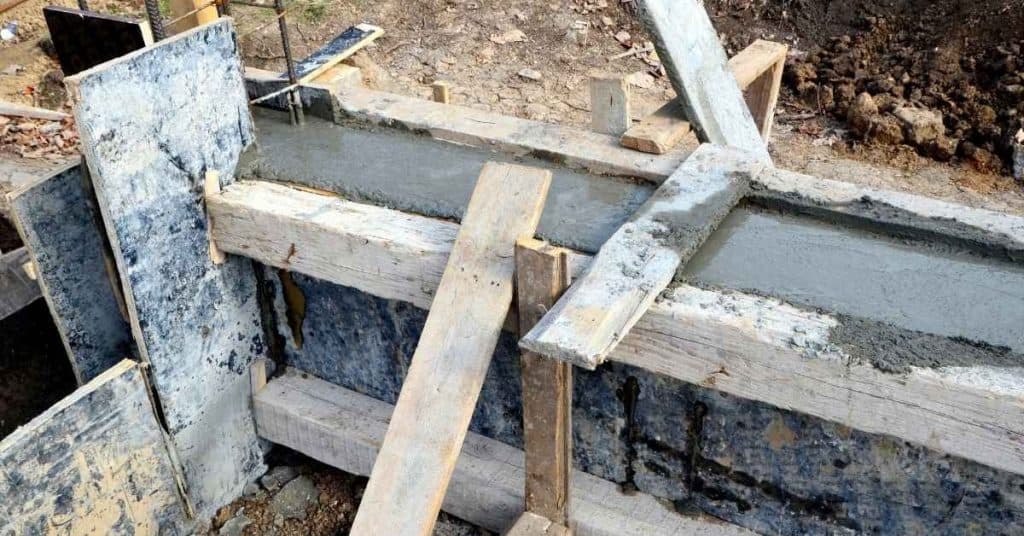
How Humid Summers Reveal Weaknesses in Diy Concrete Coatings

Introduction Humidity exposes the weaknesses of DIY concrete coatings. You’ll learn how moisture affects adhesion and curing, and walk through practical steps for assessing conditions, prepping surfaces, choosing suitable coatings, and applying them for lasting protection. Key takeaways Humidity slows cure; keep substrate above 60°F and ensure good ventilation during application. Epoxy and polyurea performance

How Humid Summers Reveal Weaknesses in Diy Concrete Coatings Read More »

When Paint Sealers Backfire: the Moisture Problem Most Diyers Don’t Anticipate

When Paint Sealers Backfire: the Moisture Problem Most Diyers Don’t Anticipate

Introduction Paint sealers can backfire by trapping moisture, leading to issues most DIYers don’t anticipate. In this guide, you’ll learn how moisture interacts with sealers, how to spot warning signs, and practical steps, tips, and rules of thumb to prevent moisture-related failures. Key takeaways Assess moisture sources first: leaks, condensation, hydrostatic pressure before painting Basement

When Paint Sealers Backfire: the Moisture Problem Most Diyers Don’t Anticipate Read More »

Why Concrete Spalling Is Often Caused by More Than Freeze-Thaw Cycles Alone

Why Concrete Spalling Is Often Caused by More Than Freeze-Thaw Cycles Alone

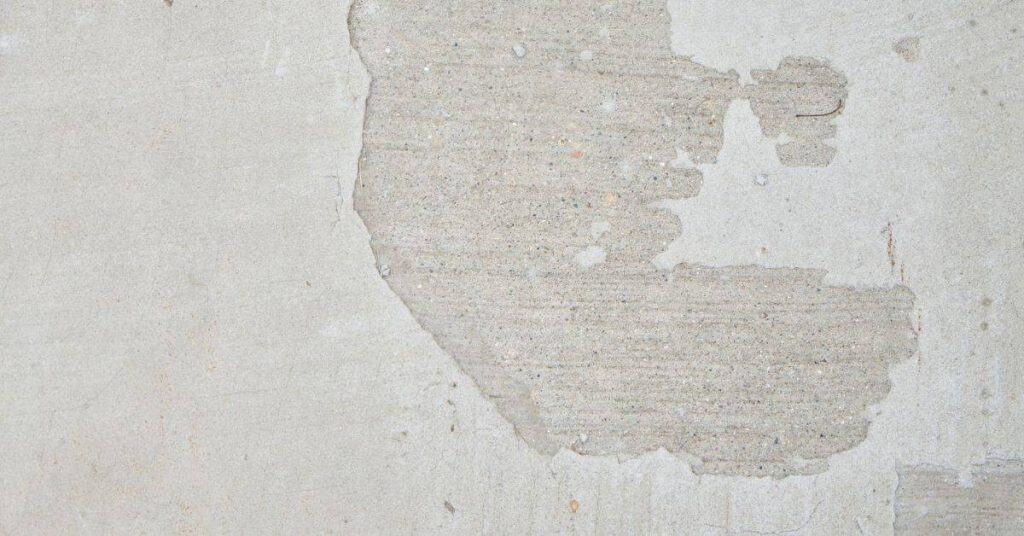
Introduction Concrete spalling is not caused by freeze-thaw cycles alone; moisture, reinforcement, and quality of materials also influence damage. You’ll learn how to assess the other contributing factors, recognize the signs early, and apply practical steps to reduce spalling and extend the life of concrete structures. Back to top ↑ Key takeaways Freeze-thaw is often

Why Concrete Spalling Is Often Caused by More Than Freeze-Thaw Cycles Alone Read More »

Stucco Cracks: the Myth of ‘just Cosmetic’ Damage That Can Cost You Thousands

Stucco Cracks: the Myth of ‘just Cosmetic’ Damage That Can Cost You Thousands

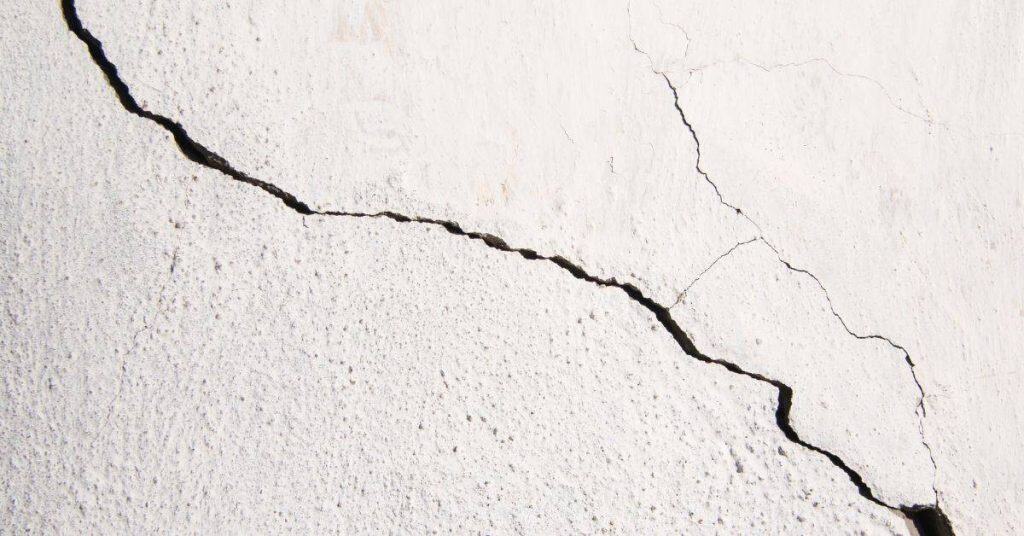
Introduction Stucco cracks are rarely cosmetic and can signal costly structural or moisture issues. This guide explains why cracks matter, how to assess severity, and what steps you can take to prevent further damage. You’ll learn practical tips for inspection, signs to watch for, and the kind of expert advice to seek before repairs. Back

Stucco Cracks: the Myth of ‘just Cosmetic’ Damage That Can Cost You Thousands Read More »

The Simple Test Every DIYer Misses That Saves Time on Concrete Crack Repairs

The Simple Test Every DIYer Misses That Saves Time on Concrete Crack Repairs

Introduction A quick surface moisture test tells you when to fix concrete cracks rather than guessing. This guide walks you through practical steps and simple tips for assessing moisture, timing repairs, and applying durable fixes that reduce future cracking. Back to top ↑ Key takeaways Diagnosis beats sealer choice: moisture and movement reveal repair priorities.

The Simple Test Every DIYer Misses That Saves Time on Concrete Crack Repairs Read More »

The Hidden Moisture Culprit Behind Stucco Cracks (it’s Not What You Think)

The Hidden Moisture Culprit Behind Stucco Cracks (It’s Not What You Think)

Introduction Hidden moisture intrusion behind stucco is the primary cause of cracks, not normal settling. Understanding this shifts how you diagnose problems, prevent further damage, and choose safer repair methods. The guide walks you through simple checks, practical tips for moisture control, and common-sense rules of thumb to protect your stucco walls. Back to top

The Hidden Moisture Culprit Behind Stucco Cracks (It’s Not What You Think) Read More »

A Diyer’s Guide to Recognizing When Cracks Signal Foundation Problems Vs. Surface Issues

A Diyer’s Guide to Recognizing When Cracks Signal Foundation Problems Vs. Surface Issues

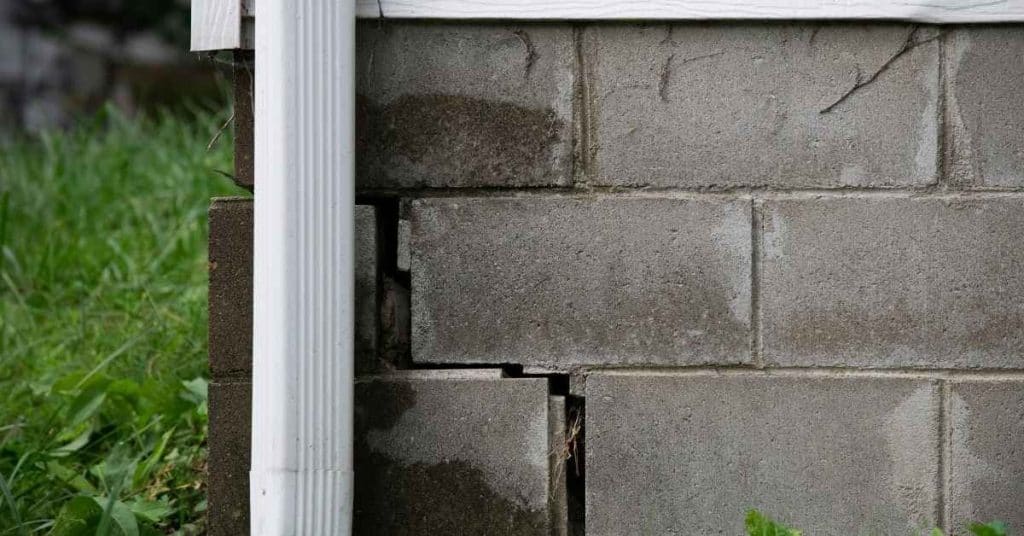
Introduction Cracks in a home can indicate serious foundation problems or simply surface issues, and this guide helps you tell the difference. You’ll learn practical ways to assess crack type and progression, so you can decide what actions are necessary. The guide walks through common crack patterns, simple observations you can make, and when it’s

A Diyer’s Guide to Recognizing When Cracks Signal Foundation Problems Vs. Surface Issues Read More »

The Freeze-Thaw Pattern That Makes Concrete Repairs Fail in Low-Temperature Zones

The Freeze-Thaw Pattern That Makes Concrete Repairs Fail in Low-Temperature Zones

Introduction Freeze-thaw cycles cause concrete repairs to fail in low-temperature zones. The guide explains how repeated freezing and thawing weakens repair bonds and highlights practical steps—such as material choices, protective measures, and maintenance routines—you can apply in cold climates to improve durability. Key takeaways Choose cold‑climate mixes with low water-cement ratio and air entrainment for

The Freeze-Thaw Pattern That Makes Concrete Repairs Fail in Low-Temperature Zones Read More »