Search Results for: epoxy floor

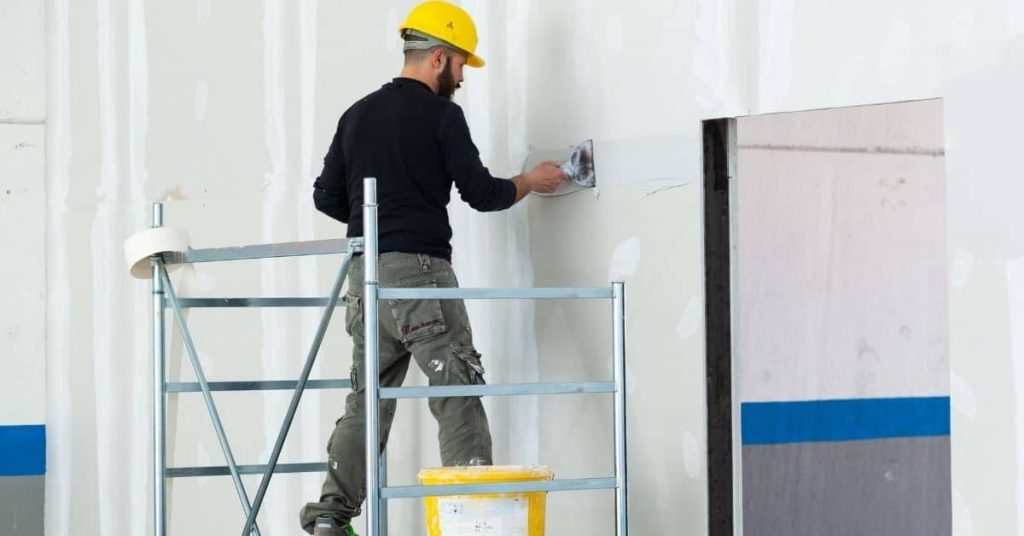
Worker applying plaster to drywall wearing yellow hard hat

Mold-Resistant Drywall in Basements: Moisture Testing Before You Hang Anything

Introduction Mold-resistant drywall is dry wall designed to resist moisture and mold growth in basements. It’s a practical upgrade when you’re finishing a damp space. I’ll walk you through how to tell if it’s a good fit and what to expect on the job. Before hanging anything, do moisture testing and air checks. Use a […]

Mold-Resistant Drywall in Basements: Moisture Testing Before You Hang Anything Read More »

Close-up of blue fiberglass mesh rolls

Paperless Drywall (Fiberglass-Faced): Where It Helps, How to Finish It, and Common Pitfalls

Introduction Paperless drywall with fiberglass facing is a gypsum board that uses a fiberglass mat instead of paper on the surface. It’s designed to resist moisture and mold better in damp spaces, though it still needs proper installation and sealing. This article covers where it helps, how to finish it, and common pitfalls. When finishing,

Paperless Drywall (Fiberglass-Faced): Where It Helps, How to Finish It, and Common Pitfalls Read More »

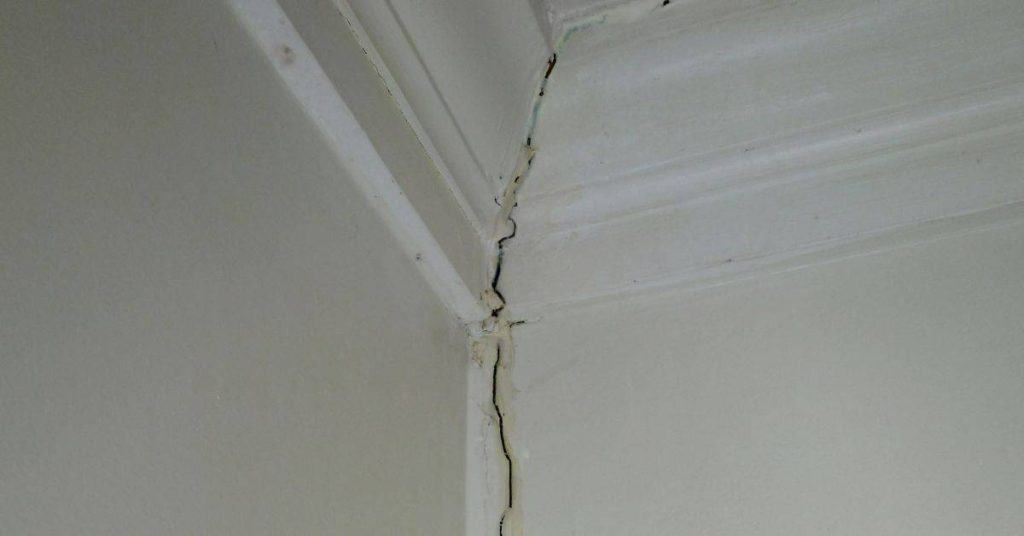
Crack running along wall and ceiling corner

Plaster Crack Monitoring: Simple Marking and Timing So You Don’t Patch Moving Cracks

Introduction Plaster crack monitoring is watching cracks to see if they move over time before deciding to patch. Mark the crack and check it again after a short period to see if the gap changed. Keep the marks simple and document any movement by noting the crack’s location and new markings, then compare to prior

Plaster Crack Monitoring: Simple Marking and Timing So You Don’t Patch Moving Cracks Read More »

Worker spraying cement plaster on concrete wall

Plaster in Shower Areas: When Cement Plaster Is Safer Than Gypsum (and Why)

Introduction Cement plaster is typically safer in shower areas because it resists moisture better than gypsum. It dries hard and handles moisture and humidity in wet zones better. Choose cement plaster for areas that get a lot of splash, and always follow the product label and local building guidance. Check that the substrate is sound,

Plaster in Shower Areas: When Cement Plaster Is Safer Than Gypsum (and Why) Read More »

Close up of blue painted stucco wall texture

Stucco Patches on Painted Surfaces: Bonding Agents, Scratch Keys, and When to Strip Paint

Introduction This article explains how to patch stucco on painted surfaces, including prep, bonding, and deciding when to strip paint. It covers bonding agents, scratch keys, and the little checks you need to avoid a failed patch. Keep it DIY-friendly with practical steps you can do on a weekend. Start by inspecting the painted area

Stucco Patches on Painted Surfaces: Bonding Agents, Scratch Keys, and When to Strip Paint Read More »

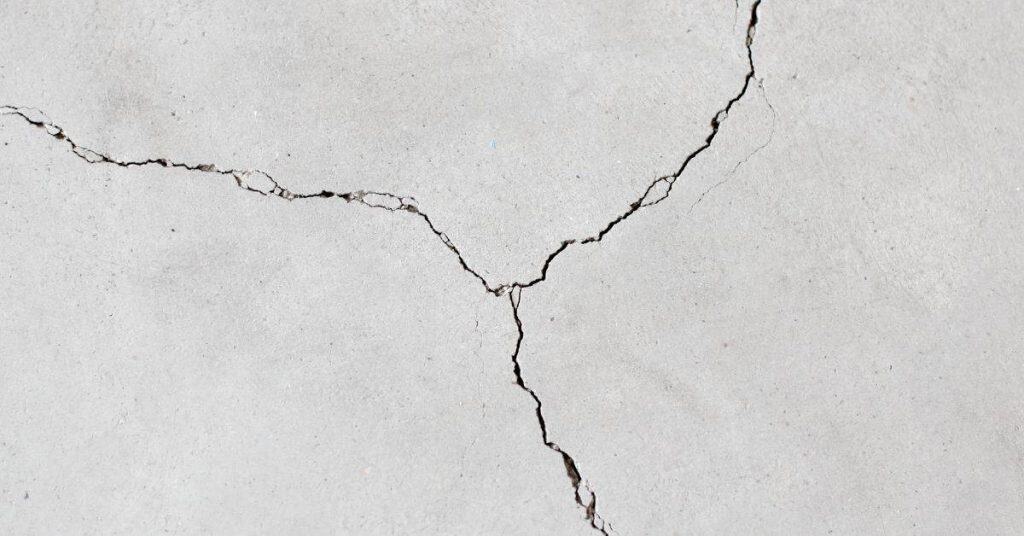
Closeup of spider crack on rough concrete surface

DIY Concrete Waterproofing on the Inside: When It Works and When It’s a Trap

Introduction DIY concrete waterproofing on the inside is applying moisture barriers and sealants to interior concrete surfaces to keep dampness at bay. It helps when intrusion comes through cracks, porous walls, or hydrostatic pressure, but it isn’t a substitute for good exterior drainage. We’ll walk through identifying water sources and choosing practical interior steps for

DIY Concrete Waterproofing on the Inside: When It Works and When It’s a Trap Read More »

Close-up of a concrete surface with multiple cracks

How to Reinforce a Thin Concrete Overlay Over Plywood (So It Won’t Crack)

Introduction A thin concrete overlay over plywood is a lightweight concrete layer applied on a plywood subfloor to smooth and level the surface while staying thin enough to avoid excessive buildup. It must be prepared and reinforced properly to resist cracking in normal use. Check manufacturer instructions and local rules for feasibility and any limits.

How to Reinforce a Thin Concrete Overlay Over Plywood (So It Won’t Crack) Read More »

Hand holding grout float applying grout on mosaic tiles

Regrouting vs. Grout Refresh vs. Grout Stain: Which Fix Fits Which Problem

Introduction Regrouting, grout refresh, and grout stain are three ways to fix failing grout, each serving different needs. Regrouting means removing the old grout and putting in new grout where the joints have deteriorated. Grout refresh is a surface cleaning and sealing approach for grout that’s not structurally broken but looks dingy, while grout stain

Regrouting vs. Grout Refresh vs. Grout Stain: Which Fix Fits Which Problem Read More »

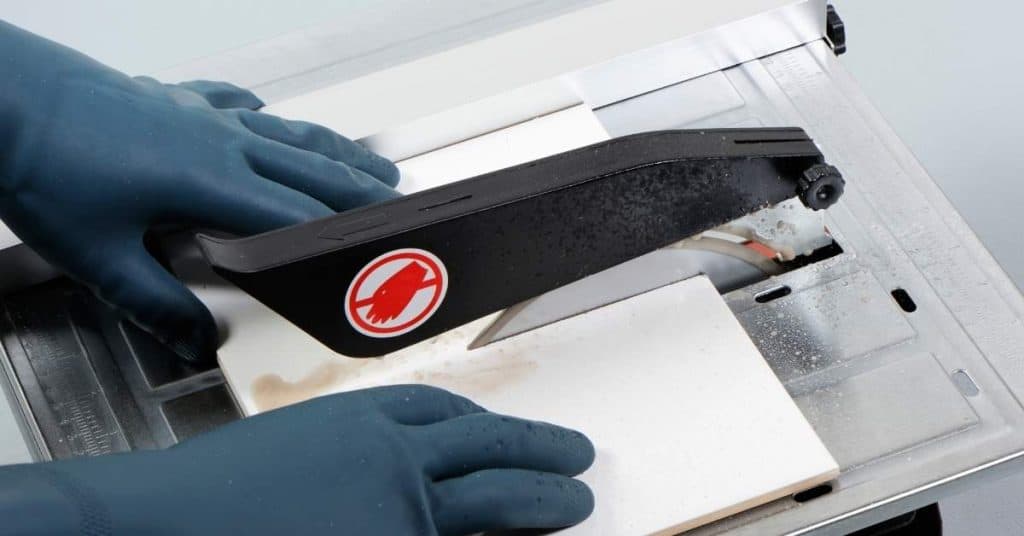
Hands in gloves cutting tile on a wet tile saw

Cutting Tiny Tile Slivers Safely: Jigs and Alternatives That Look Better

Introduction Cutting tiny tile slivers safely means trimming small tile offcuts with stable guides to avoid breakage. This article covers practical jigs and simple alternatives that help you keep the edge clean. It stays hands-on and avoids guessing, with tips you can verify on the job. You’ll find options that pair a steady fence with

Cutting Tiny Tile Slivers Safely: Jigs and Alternatives That Look Better Read More »