Search Results for: efflorescence

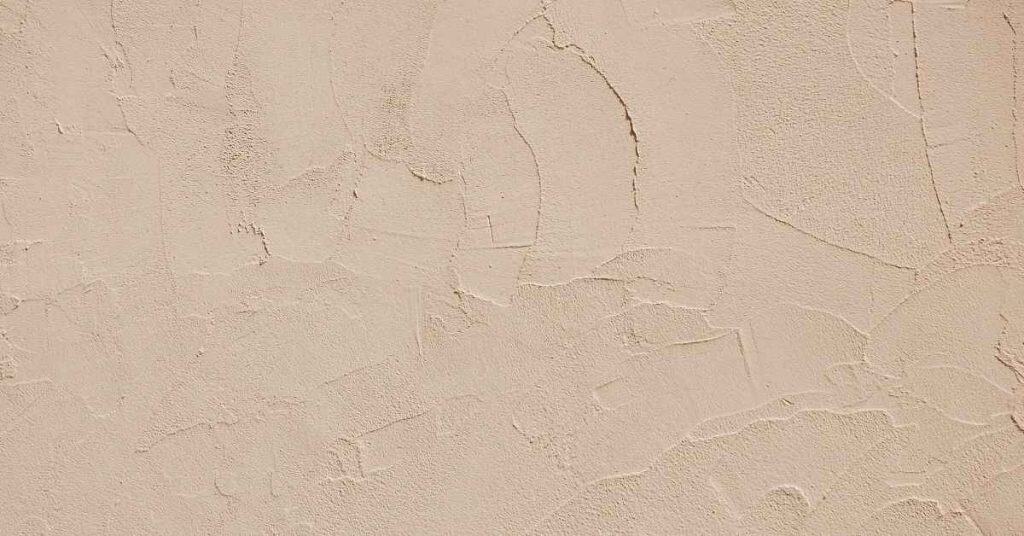
Close-up of textured beige stucco wall surface

Surfactant Damage on Stucco Coatings: What to Check Before You Repaint

Introduction Surfactant damage on stucco coatings happens when cleaners leave residues that affect adhesion and finish. In plain terms, you might see streaks, halos, or softness where the coating meets the wall. Before repainting, check for residue depth, film buildup, and any moisture issues that could be aggravated by detergents. Then do a simple test […]

Surfactant Damage on Stucco Coatings: What to Check Before You Repaint Read More »
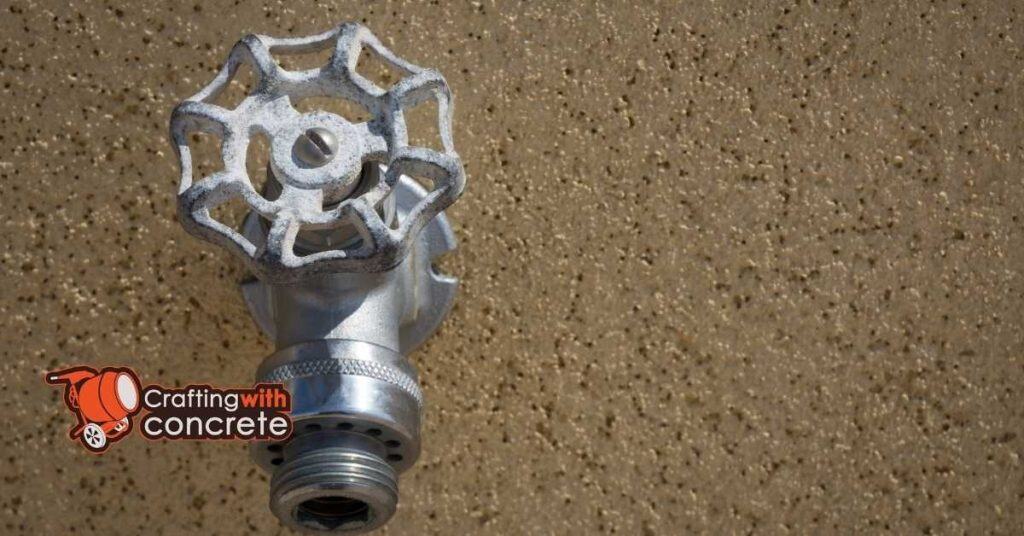
Outdoor metal hose bib mounted on brown stucco wall

Repairing Stucco Around Pipes and Hose Bibs: Patch Details That Don’t Leak

Introduction Repairing stucco around pipes and hose bibs means sealing cracks and gaps so water can’t leak into the wall where pipes and faucets pass through. This is a hands-on fix you can do with basic tools, mindful preparation, and flush paint-matched patches. Check that you’re using the right patch material for your climate and

Repairing Stucco Around Pipes and Hose Bibs: Patch Details That Don’t Leak Read More »

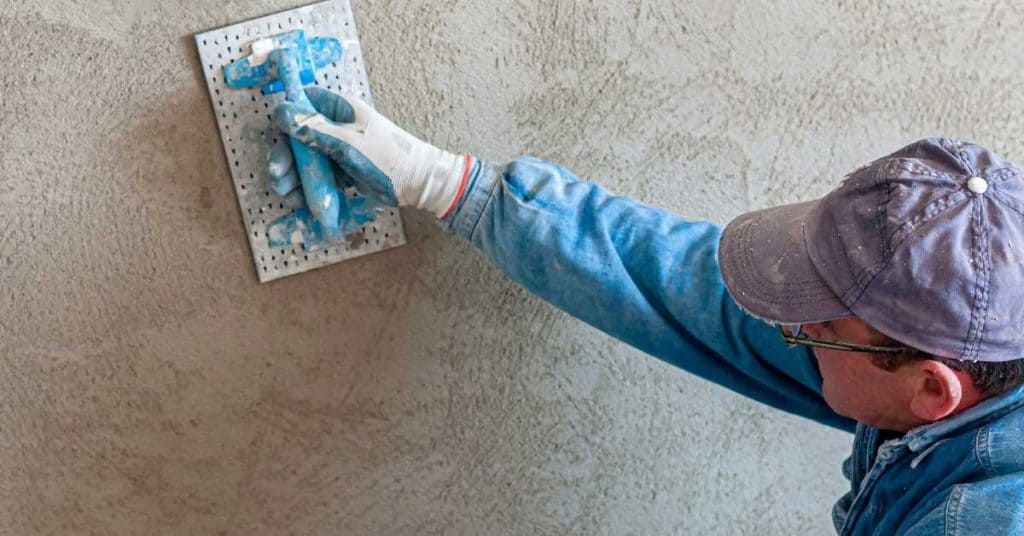
Worker applying textured stucco with a blue trowel

Stucco Texture Options That Hide Repairs: Sand Float, Dash, and Skip Trowel

Introduction Sand float, dash, and skip trowel are stucco textures that help hide repairs. They each use different hand angles and apply techniques to create patterns that blend in with the existing wall. You’ll pick based on the surface and how rough you want the finish, and you should check product labels or manufacturer guidance

Stucco Texture Options That Hide Repairs: Sand Float, Dash, and Skip Trowel Read More »

Partially removed tan stucco revealing brick wall underneath

Stucco Soft Spots at the Base: Diagnosing Capillary Wicking vs Leaks

Introduction Soft spots at the base of stucco usually indicate moisture intrusion, most commonly capillary wicking or a leak. Capillary wicking pulls moisture up from the ground through tiny openings in the stucco and underlying plaster. Leaks come from gaps, cracks, or failed flashings letting water in. To tell them apart, look for wetness patterns,

Stucco Soft Spots at the Base: Diagnosing Capillary Wicking vs Leaks Read More »

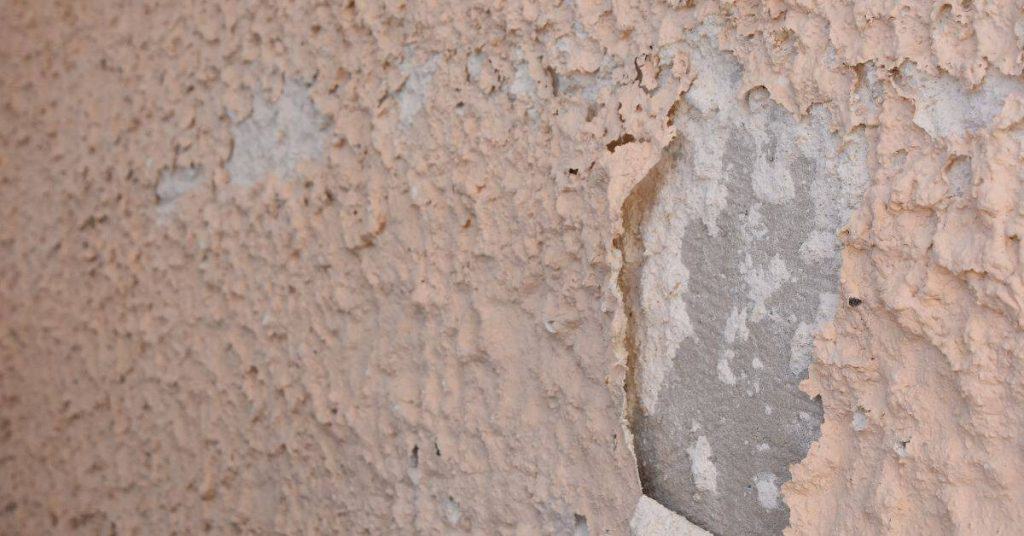
Close up of stucco wall with peeling and damaged surface

Stucco Delamination: Tap Testing, Causes, and Repair Options

Introduction Stucco delamination is when the outer stucco layer separates from the wall underneath. This can show up as hollow spots or peeling under the surface. It’s a sign you should inspect and plan before doing more work. Common causes include poor adhesion, moisture intrusion, or cracks that let the plaster pull away. Repair options

Stucco Delamination: Tap Testing, Causes, and Repair Options Read More »

Person cutting cinder block with angle grinder creating dust

Stucco Clearance to Soil: How Much Gap You Need and Why It Prevents Wicking

Introduction Clearance between stucco and soil is the gap that prevents moisture from wicking into the wall. Keep the stucco edge above grade and away from soil or mulch. If soil comes close, there’s a higher chance water can creep behind the finish. Check the product label and local rules to know the recommended clearance

Stucco Clearance to Soil: How Much Gap You Need and Why It Prevents Wicking Read More »

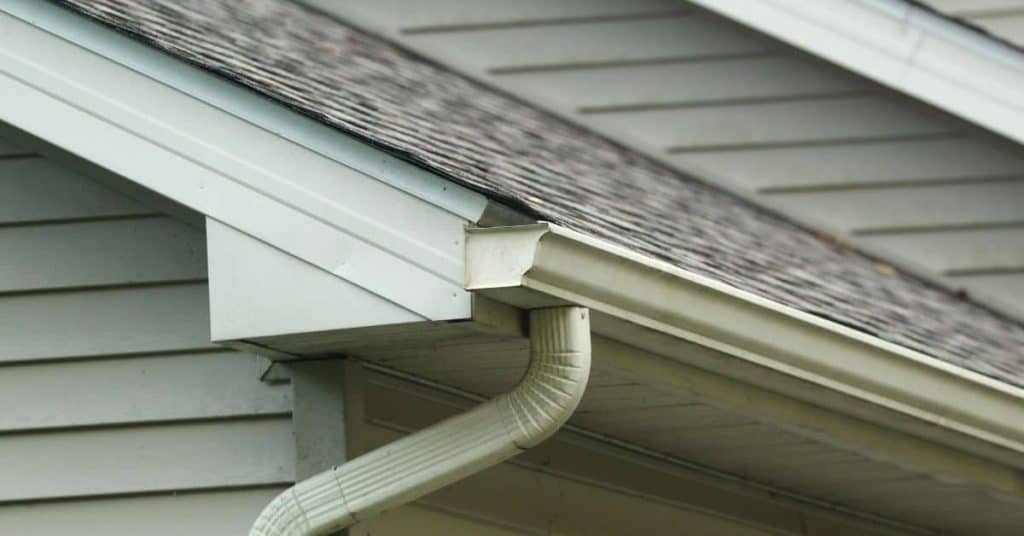
Roof edge with gutter downspout attached to house siding

Roof-to-Wall Clearances: When Stucco Is Too Close and What to Fix

Introduction Roof-to-wall clearances refer to the gap between the roof edge and the adjacent stucco wall. If the space is too tight, moisture and wind can cause problems and costly repairs later. This article keeps things practical and hands-on for a DIY approach. Start by checking the actual gap at the critical spots, then look

Roof-to-Wall Clearances: When Stucco Is Too Close and What to Fix Read More »