Search Results for: efflorescence

Close-up of peeling white paint on a brown wall surface

Latex Over Oil: Adhesion Steps That Prevent Future Peeling

Introduction Latex over oil means applying latex paint on top of an oil-based paint layer to achieve a fresh, durable finish. Peeling tends to happen when the glossy oil surface isn’t properly prepared for a latex bond. A practical, hands-on approach is to clean, roughen the surface, and prime before painting. Preparation starts with washing […]

Latex Over Oil: Adhesion Steps That Prevent Future Peeling Read More »
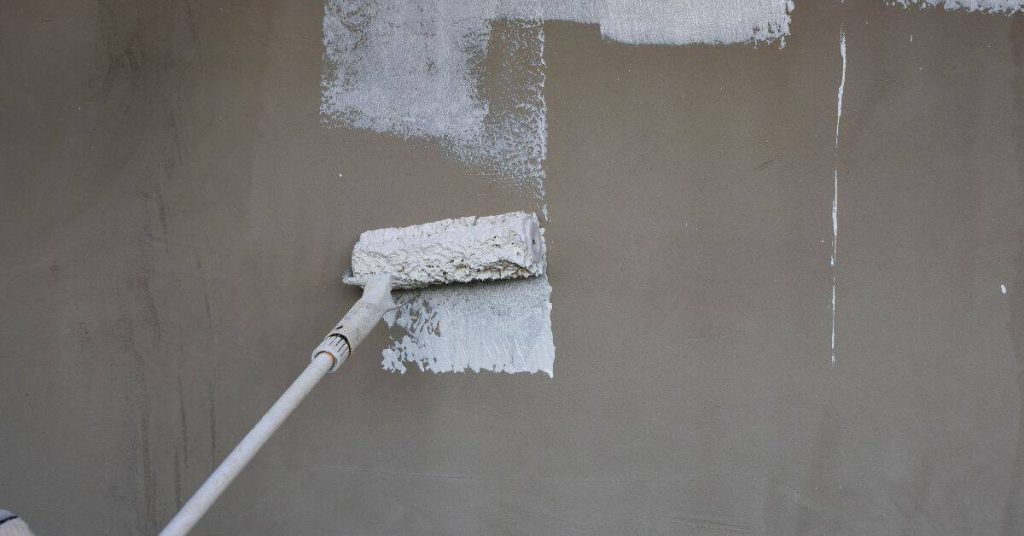
Paint roller applying white paint on gray masonry wall

Mineral Silicate Paint for Masonry: When It’s Worth It and How to Apply

Introduction Mineral silicate paint is a breathable masonry coating that bonds to mineral surfaces. It’s often worth it for exterior or historic masonry where you want a lasting, matte finish that can weather damp conditions. It resists peeling when applied correctly, but effectiveness depends on clean, sound substrate and proper surface prep. Applying it starts

Mineral Silicate Paint for Masonry: When It’s Worth It and How to Apply Read More »

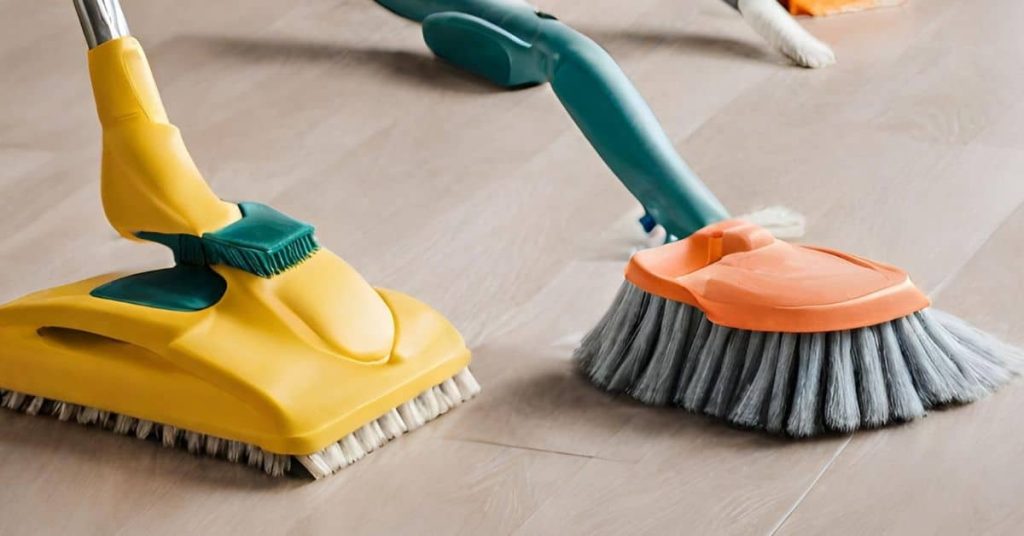
Two cleaning brushes with handles on floor surface

Cleaning Grout with Household Products: What Works, What Doesn’t, and Why

Introduction Cleaning grout with household products is using common items to remove grime from the grout lines between tiles. The goal is to lift dirt without damaging the grout or tiles. This article covers prep, common cleaners (commercial and homemade), and simple test methods so you know what works. Start with basic prep like sweeping,

Cleaning Grout with Household Products: What Works, What Doesn’t, and Why Read More »

Hand using paint roller applying blue paint on wall

10 Tips for a Near-Perfect Paint Job: Prep, Technique, and Touch-Ups

Introduction This article explains how to prep, apply, and touch up paint for a near-perfect finish. It covers clearing the space, evaluating wall condition, and selecting the right tools and materials. You’ll get straight, hands-on steps you can follow without getting lost in theory. Wall prep matters most, from patching small dents to scuffing surfaces

10 Tips for a Near-Perfect Paint Job: Prep, Technique, and Touch-Ups Read More »

Hand spraying paint from spray gun onto surface

Before You Spray Paint: Surface Prep, Overspray Control, and Dry Times

Introduction Spray painting is best controlled by solid surface prep, clean surfaces, and proper wait times between coats. Clean the surface, remove dust, grease, and peeling paint, and repair any imperfections before you start. Mask off doors, outlets, and neighboring areas, and protect floors to keep overspray away. Masking techniques for walls, floors, and ceilings

Before You Spray Paint: Surface Prep, Overspray Control, and Dry Times Read More »

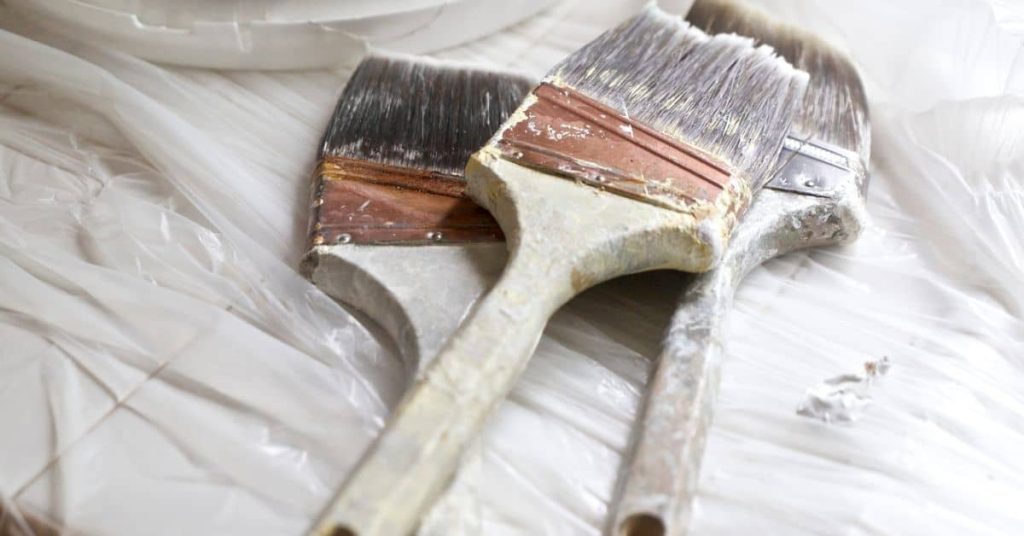
Three paintbrushes with dried paint on plastic sheet

Painting and Wallpapering Faster: Workflow Tips Without Cutting Corners

Introduction Painting and wallpapering faster means finishing cleanly with smart prep and steady workflow, not rushing. This article speaks in plain terms about real, practical steps you can take on a DIY job site. It’s written for homeowners who want solid results without cutting corners. Start by preparing the workspace: protect floors, remove obstacles, and

Painting and Wallpapering Faster: Workflow Tips Without Cutting Corners Read More »

paint roller applying white paint on textured wall

Alligatoring Paint: What It Means and When You Need to Strip

Introduction Alligatoring paint is a surface condition where the film cracks into finger-like ridges that resemble alligator skin. This happens when the old coating becomes brittle or loses adhesion to the substrate. The result is a rough, uneven finish that often signals it’s time to address the finish before repainting. Deciding whether to strip depends

Alligatoring Paint: What It Means and When You Need to Strip Read More »

Close-up of smooth blue painted masonry wall surface

Alkali Burn on Painted Masonry: Why New Concrete Eats Paint and How to Stop It

Introduction Alkali burn on painted masonry is when fresh concrete releases alkaline moisture that blisters or strips paint. It often happens when the surface dries too fast or the paint isn’t compatible with the concrete’s chemistry. To stop it, protect the surface during curing and follow proper painting and cleaning steps per the product labels.

Alkali Burn on Painted Masonry: Why New Concrete Eats Paint and How to Stop It Read More »