Search Results for: efflorescence

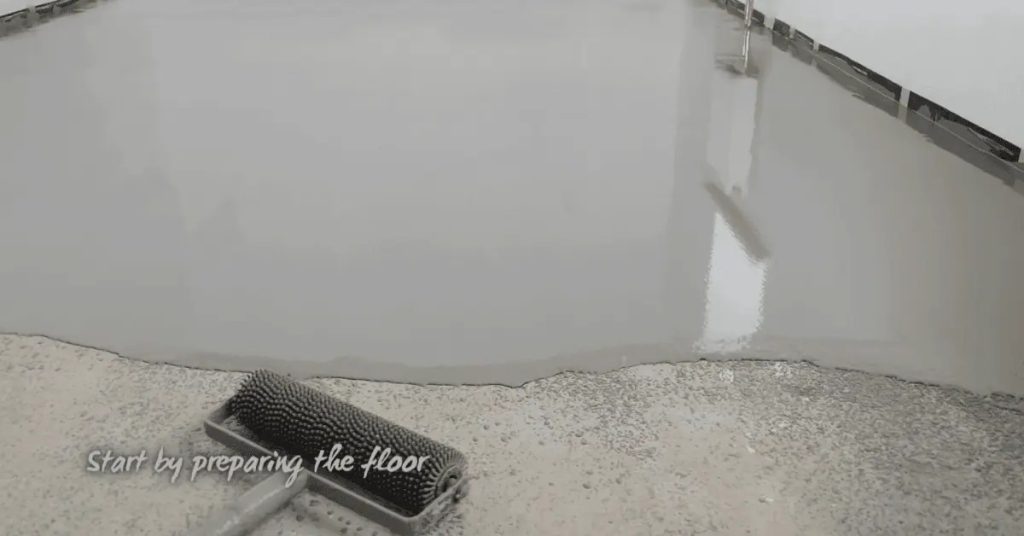
Freshly poured wet concrete floor inside a room

Concrete Bleeding vs Segregation: How to Spot Each and What to Do

Introduction Concrete bleeding is water rising to the surface of fresh concrete as the mix sets. Segregation is when heavier components separate, causing uneven texture or coverage. Both can affect finish and long‑term durability if not spotted and managed early. Bleeding shows as a wet sheen on the surface and may leave a thin film […]

Concrete Bleeding vs Segregation: How to Spot Each and What to Do Read More »
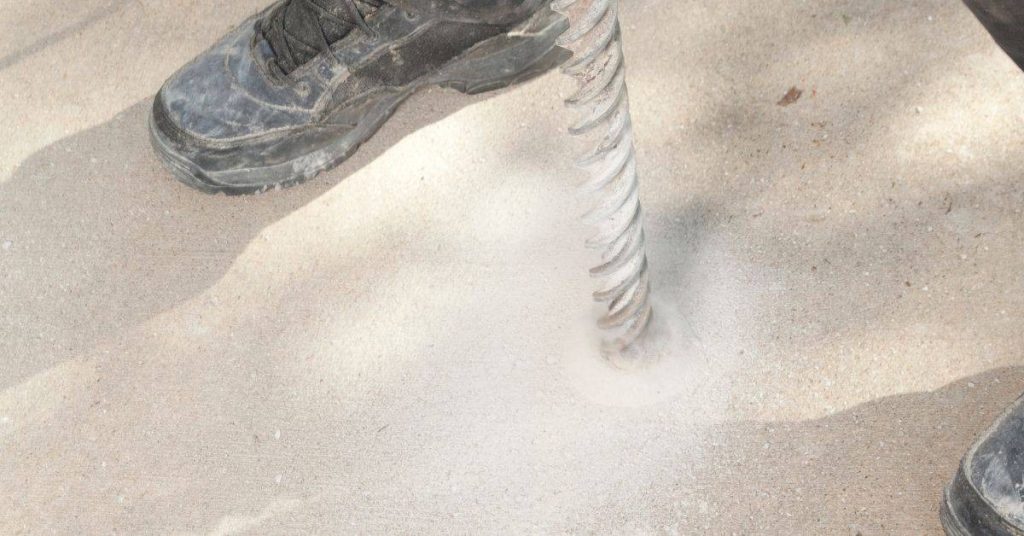
Spiral drill bit penetrating concrete surface with dust

Magnesium Phosphate Concrete Repair: Best Uses, Limits, and Failure Modes

Introduction Magnesium phosphate concrete repair is the use of magnesium phosphate cement to fix or patch concrete joints and damaged areas. It is presented here as a practical option for small repairs and fast-setting projects. In this guide you’ll also see notes about who contributed to the writing and a publisher’s note to set the

Magnesium Phosphate Concrete Repair: Best Uses, Limits, and Failure Modes Read More »

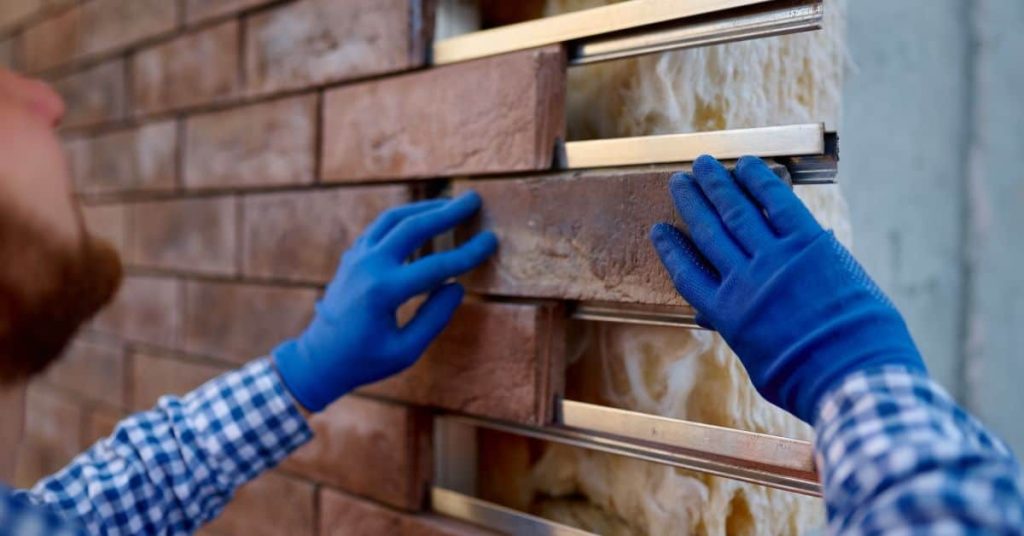
Person installing faux brick GFRC panels with blue gloves

GFRC Panels for DIY Projects: Mix Basics, Fiber Dosage, and Common Failures

Introduction GFRC panels are lightweight, fiber-reinforced cement panels that you can cast for DIY projects. They mix cement, fine aggregates, water, plus short glass fibers to add strength. Proper mixing and curing matter to avoid cracks. Getting the mix right means watching the ratio of cement to aggregate and ensuring the fiber dosage is even.

GFRC Panels for DIY Projects: Mix Basics, Fiber Dosage, and Common Failures Read More »

Fresh epoxy coating being rolled onto garage floor

Choosing a Garage Floor Topcoat: Durability, gloss, and recoat windows

Introduction Choosing a garage floor topcoat means selecting a durable, glossy protective finish and planning how and when you can recoat. Think about how much traffic, spills, and chemical exposure your space sees, and match that to a finish type and cure time. Consider how soon you’d like to apply another coat and how comfortable

Choosing a Garage Floor Topcoat: Durability, gloss, and recoat windows Read More »

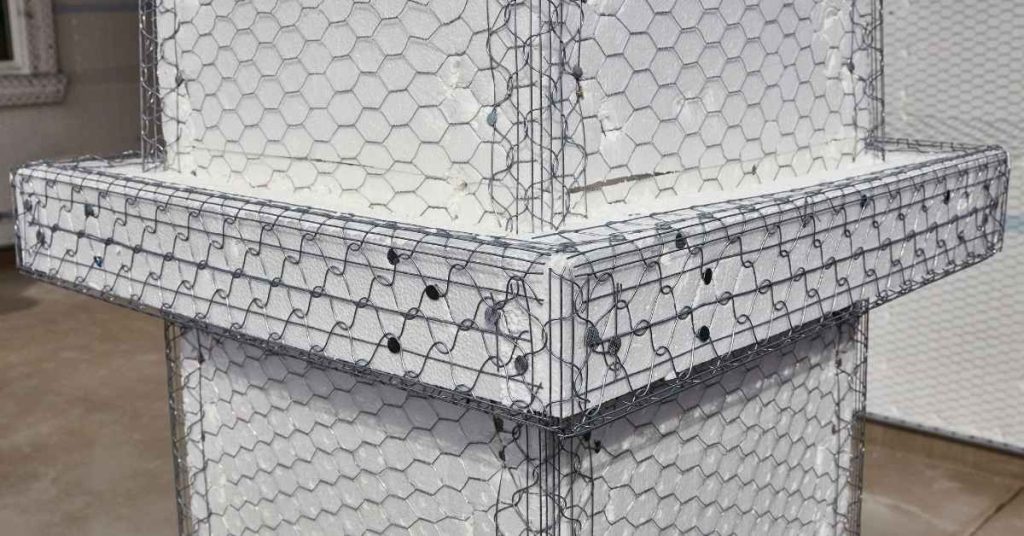
Corner of foam insulation covered with metal wire lath for stucco

Inside Corner Stucco Cracks: Reinforcement details that reduce repeat cracking

Introduction Reinforcement details inside a corner of stucco help prevent cracks from redeveloping. This article gives practical, home-friendly ways to strengthen the joint as you repair. Think of it as a light rebuilding of the corner so movement from framing or temperature doesn’t keep tearing at the surface. Start by inspecting the crack and removing

Inside Corner Stucco Cracks: Reinforcement details that reduce repeat cracking Read More »

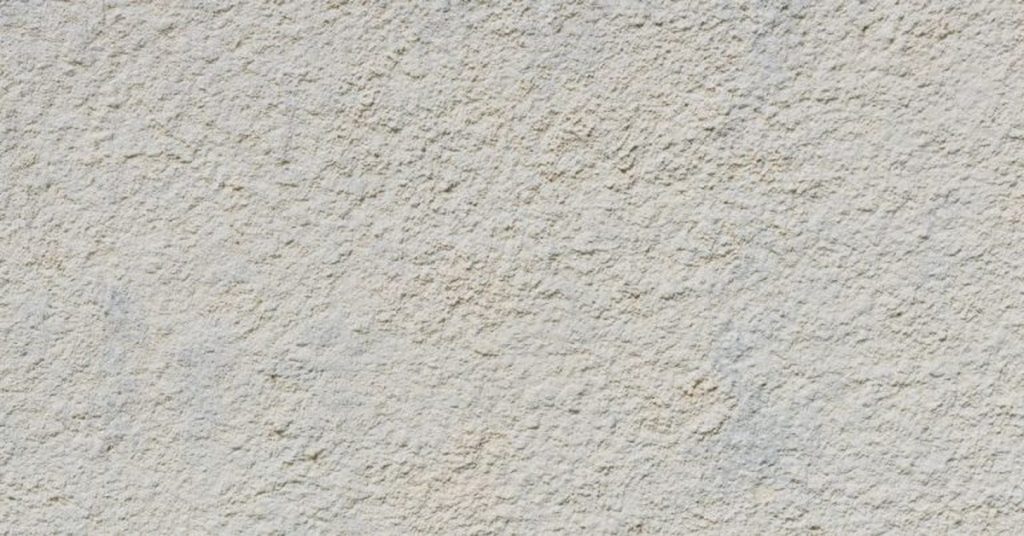
Close-up of rough light gray stucco wall texture

Stopping Mold Regrowth on Stucco: Fixing moisture sources, not just the surface

Introduction Stopping mold regrowth on stucco means addressing the moisture that feeds it, not just cleaning the surface. Mold on stucco tends to come back if you don’t fix leaks, condensation, or improper drainage. Look for obvious sources like roof or gutter leaks, cracked stucco, and flashing issues, and note what you can realistically repair

Stopping Mold Regrowth on Stucco: Fixing moisture sources, not just the surface Read More »

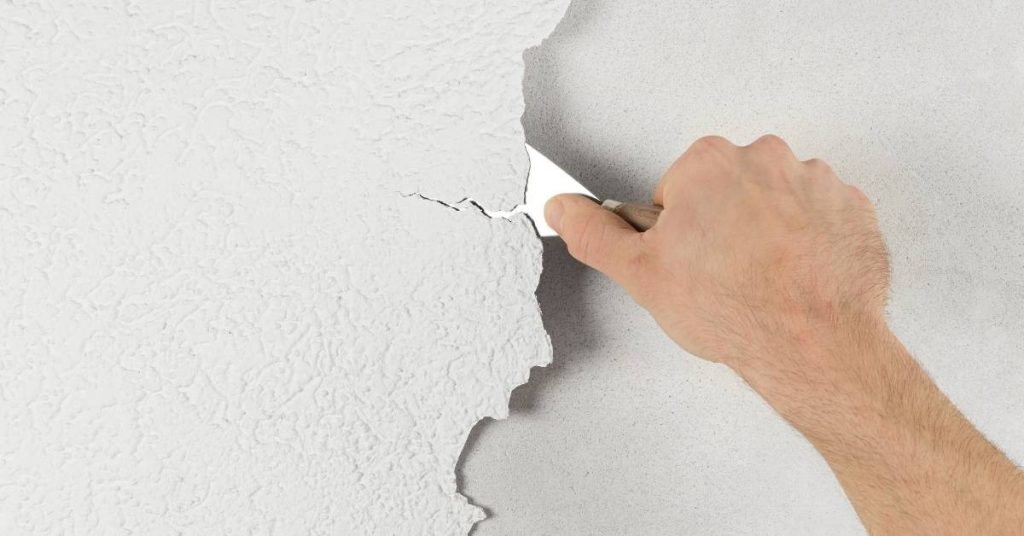
Hand scraping white stucco wall with metal scraper

Removing Algae on Stucco: Cleaning without bleaching or etching the color

Introduction Removing algae from stucco means cleaning the surface without bleaching or etching the color. You can do this with common household supplies and careful scrubbing. The goal is to lift algae without damaging texture or color. Start with a gentle cleaning solution and a soft brush, then rinse with clean water. Work in small

Removing Algae on Stucco: Cleaning without bleaching or etching the color Read More »

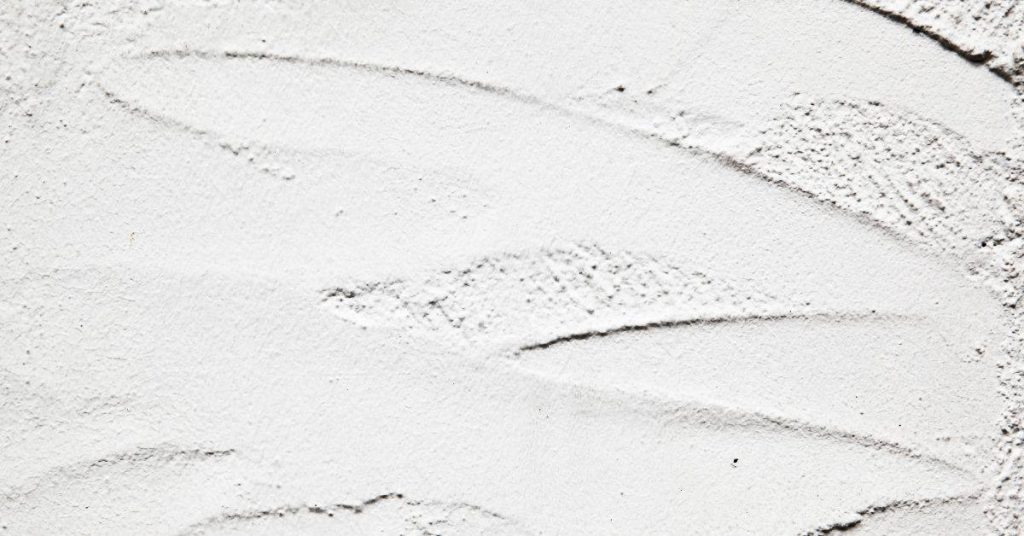
Closeup of white stucco wall texture with various trowel marks

Cleaning Stucco Safely: Pressure, detergents, and methods that don’t scar the finish

Introduction Cleaning stucco safely means removing dirt without damaging the finish. This article breaks down when to use pressure, what detergents fit, and safer techniques. It stays practical and hands-on, not a classroom lesson. Begin with a gentle approach and test a small, inconspicuous spot first. Use a mild detergent approved for stucco and a

Cleaning Stucco Safely: Pressure, detergents, and methods that don’t scar the finish Read More »

Hand applying green paint with roller on taped surface

Why Stucco Paint Peels: Coating compatibility and moisture red flags

Introduction Paint on stucco peels mainly because the coating loses adhesion from moisture or from incompatibility with the surface. That means the top layer isn’t gripping the stucco or is being pushed loose by moisture behind it. A proper diagnosis starts with checking the surface for signs of moisture and poor bonding. Before repainting, inspect

Why Stucco Paint Peels: Coating compatibility and moisture red flags Read More »