Search Results for: efflorescence

Hand painting metal frame with orange paint roller

Sealing Cracks Before Painting Concrete: Fillers That Don’t Telegraph Through Topcoats

Introduction Sealing cracks before painting concrete means filling and sealing gaps so the finished surface looks uniform and the cracks don’t telegraph through the topcoat. It’s a practical, hands-on step you can tackle with basic fillers and simple tools. Always check the product label for curing time and application temperature before you start. Choose a […]

Sealing Cracks Before Painting Concrete: Fillers That Don’t Telegraph Through Topcoats Read More »

Hand painting interior wall corner with roller

Painting Over Powdery Masonry: Consolidants vs Primers and When to Repoint First

Introduction Consolidants and primers are coatings used on powdery masonry to stop dusting and ready the wall for paint. Consolidants penetrate and bind loose material, while primers create a sealed, paint-ready surface. Choose based on the condition of the masonry and follow manufacturer instructions. If the masonry is badly eroded or the joints crumble, repointing

Painting Over Powdery Masonry: Consolidants vs Primers and When to Repoint First Read More »

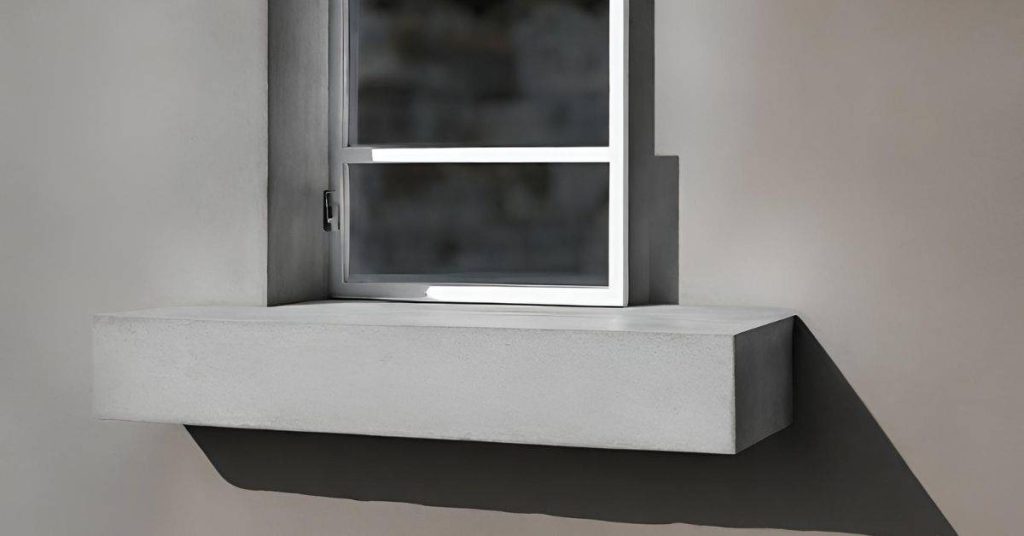
Concrete window sill beneath an open window

Removing Silicone Smears From Concrete: Why Sealers Fish-Eye and How to Fix It

Introduction Silicone smears on concrete are leftover sealant residues that can ruin a finish. They create spots where new coatings won’t adhere properly. That adhesion gap is what we mean by fish-eye and it shows up as specks or craters. Plan a careful cleanup: choose a remover that matches the sealant and the concrete, and

Removing Silicone Smears From Concrete: Why Sealers Fish-Eye and How to Fix It Read More »

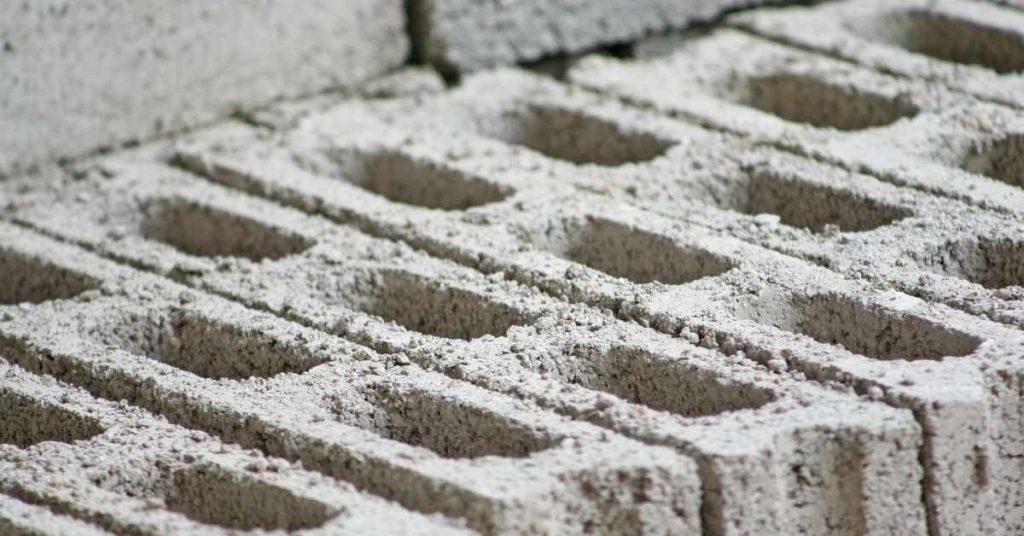
Closeup of stacked gray concrete cinder blocks

Removing Mulch Dye Stains on Concrete: Why They Stick and How to Lift Them

Introduction Mulch dye stains are color residues left on concrete after mulch pigments dry. Key takeaways Act quickly on fresh dye stains; blot, rinse, and avoid spreading. Identify stain type before treatment: dye stain, discoloration, or finish film. Test cleaner on a small area first to prevent damage. Use least-aggressive methods in sequence; wear eye/skin

Removing Mulch Dye Stains on Concrete: Why They Stick and How to Lift Them Read More »

Empty residential garage with concrete floor and closed garage door

Cleaning Concrete After Fertilizer Spills: Salts, Staining, and Rinse Rules

Introduction Cleaning concrete after fertilizer spills involves removing salts and stains while rinsing away residue. Fertilizers can leave mineral salts that pull water from the surface and leave pale or dark spots. This guide keeps it practical for DIY work and warns you to follow product labels and local rules. Start by rinsing the area

Cleaning Concrete After Fertilizer Spills: Salts, Staining, and Rinse Rules Read More »

modern multi-story apartment building with concrete surfaces and balconies

Concrete Surface Densifying on Vertical Faces: When It’s Worth It and Application Tricks

Introduction Concrete surface densifying on vertical faces is a treatment that hardens and seals the outer layer of the concrete. It aims to improve abrasion resistance and make vertical surfaces easier to keep clean. Before you start, read the product label and follow the manufacturer’s instructions for temps, application method, and cure time. It’s worth

Concrete Surface Densifying on Vertical Faces: When It’s Worth It and Application Tricks Read More »

Close-up of white textured plaster wall surface

Blending Broom Finish Patches: Matching Texture Without Creating a ‘Patch Rectangle’

Introduction Blending broom finish patches means you extend the texture so the repair doesn’t look like a clean, rectangular patch. Aim for a seamless transition by aligning the finish direction with the surrounding concrete and feathering the edges. This is a practical, hands-on approach you can try on a weekend. Prepare the patch by cleaning

Blending Broom Finish Patches: Matching Texture Without Creating a ‘Patch Rectangle’ Read More »

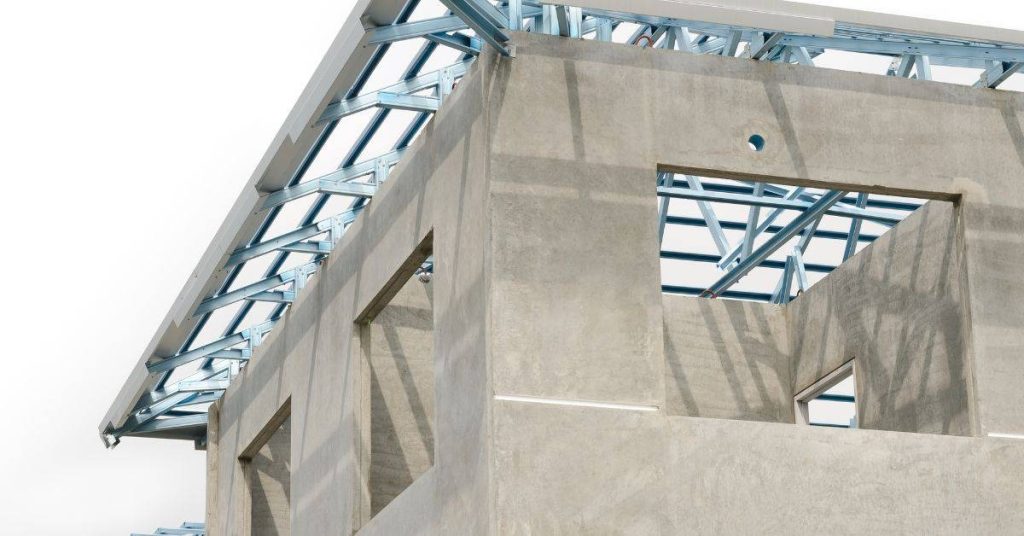
Precast concrete wall panels and steel roof framing

Repairing Honeycombed Concrete: When to Patch, When to Inject, and When to Rebuild

Introduction Repairing honeycombed concrete means fixing voids and loose pockets in the surface by choosing patching, injecting, or rebuilding. You evaluate how severe the honeycombing is and start with the simplest, most straightforward method. If the concrete has hollow spots you can reach, patching is usually the first option; deeper voids may need injecting, and

Repairing Honeycombed Concrete: When to Patch, When to Inject, and When to Rebuild Read More »

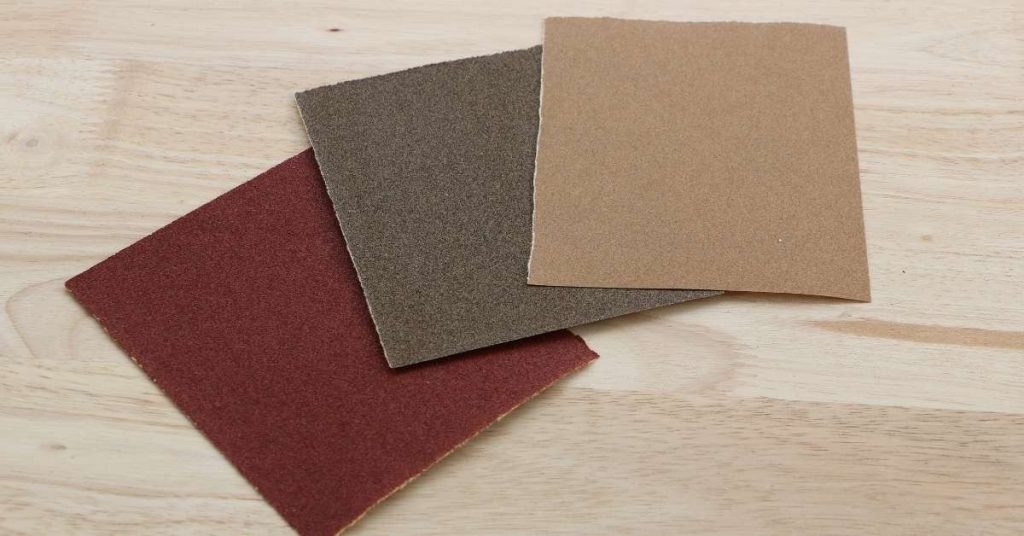
Three sheets of sandpaper in red brown and beige on wood

Venetian Plaster Touch-Ups: Avoiding Shiny Spots and Burnish Lines

Introduction Venetian plaster touch-ups are about repairing shine and burnish lines to restore an even, mirror-like finish. This hands-on guide walks you through practical steps and what to watch for on a DIY job. Check the product label and manufacturer instructions for any limitations and recommended mixing or application notes. There are several finishes you

Venetian Plaster Touch-Ups: Avoiding Shiny Spots and Burnish Lines Read More »

Closeup of white paint roller applying paint on wall

Feathering Plaster Repairs: Avoiding a ‘Picture Frame’ Ridge Under Paint

Introduction Feathering plaster repairs means blending new patch material into the surrounding plaster so there’s no raised ridge under paint. It’s a hands-on fix that helps avoid a visible edge where paint can lift. The goal is a smooth transition that you can sand and feather with basic tools. Start by assessing cracks and holes

Feathering Plaster Repairs: Avoiding a ‘Picture Frame’ Ridge Under Paint Read More »