Search Results for: efflorescence

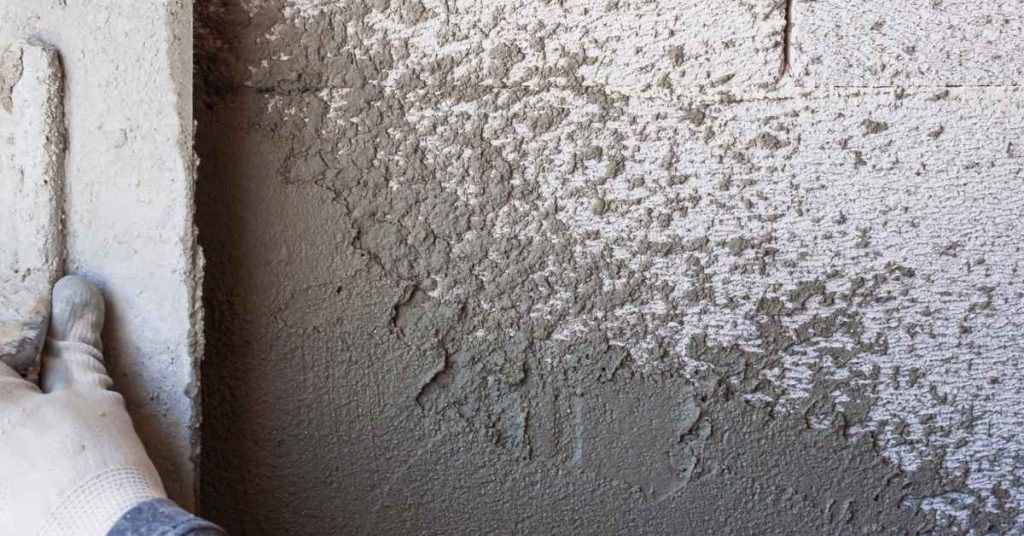
Gloved hand applying stucco scratch coat on lath

Stucco scratch coat keying: getting bite on lath without overworking the mix

Introduction Keying the scratch coat means creating a rough, gripping surface on the lath so the plaster adheres without excessive manipulation. It gives the base a bite that helps the next layer hold. Start with thorough surface preparation: clean and dampen the lath so dust is removed and the surface isn’t drawing moisture too quickly. […]

Stucco scratch coat keying: getting bite on lath without overworking the mix Read More »
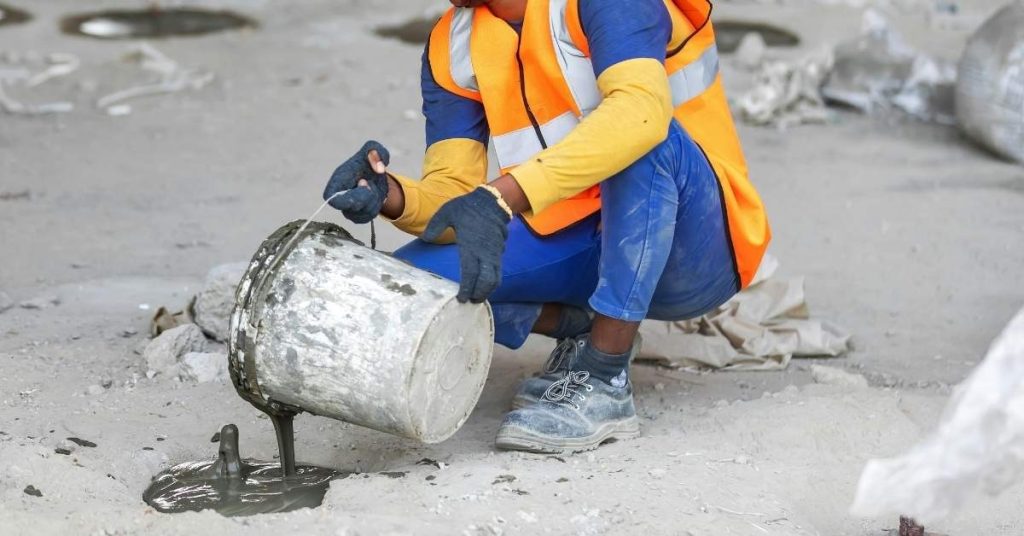
Worker pouring liquid concrete on ground wearing safety vest and gloves

Rain during concrete finishing: rescue steps that avoid permanent scaling and streaks

Introduction Rain during concrete finishing is when rain hits the surface while concrete is still finishing, risking a poor surface. This article shares practical steps to limit damage and keep the finish looking even. It covers how weather affects curing and what to check before you proceed. If rain arrives, assess the surface and consider

Rain during concrete finishing: rescue steps that avoid permanent scaling and streaks Read More »

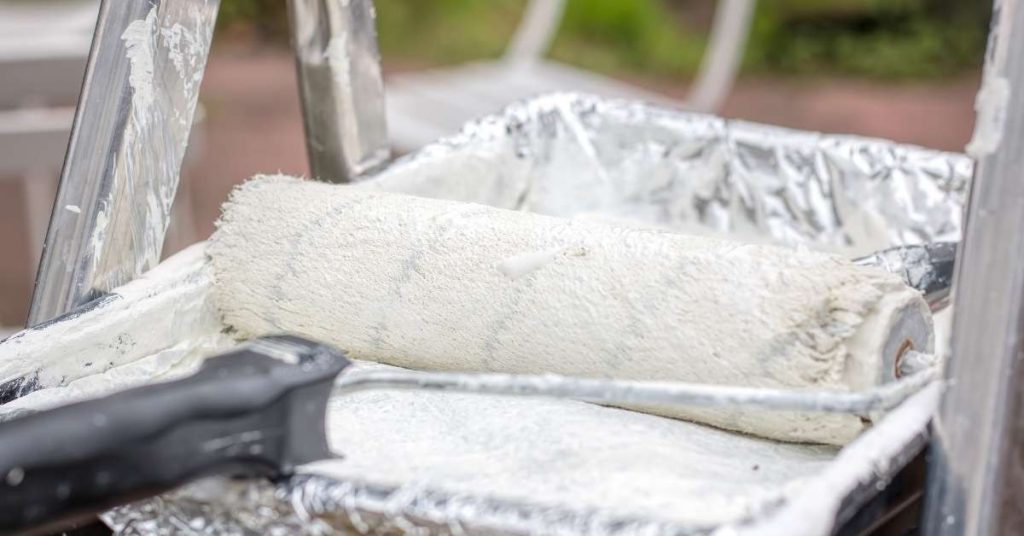
White paint roller resting in paint tray on ladder

Budget moisture tests for concrete coatings: what homeowners can trust without pro meters

Introduction Budget moisture tests for concrete coatings are simple, low-cost checks homeowners can use to gauge whether a floor is dry enough for coating. Be aware surface-based tests, like calcium chloride tests, only measure surface moisture and can mislead if conditions aren’t right. Always check manufacturer guidance and consider timing relative to temperature and humidity

Budget moisture tests for concrete coatings: what homeowners can trust without pro meters Read More »

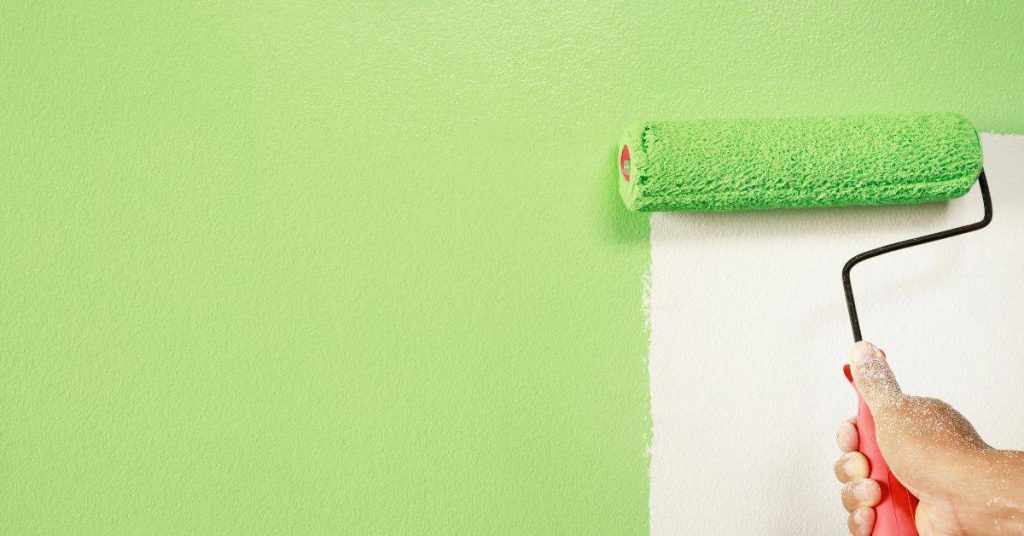
Hand using green paint roller on white textured wall

Testing concrete pH before you paint: simple strip tests and what the numbers really mean

Introduction Testing concrete pH before you paint tells you how acidic or basic the surface is. This helps you choose the right prep steps and paint compatibility. A simple strip test can give you a quick read and reduce guesswork. There are a few common types of pH test strips that you can use on

Testing concrete pH before you paint: simple strip tests and what the numbers really mean Read More »

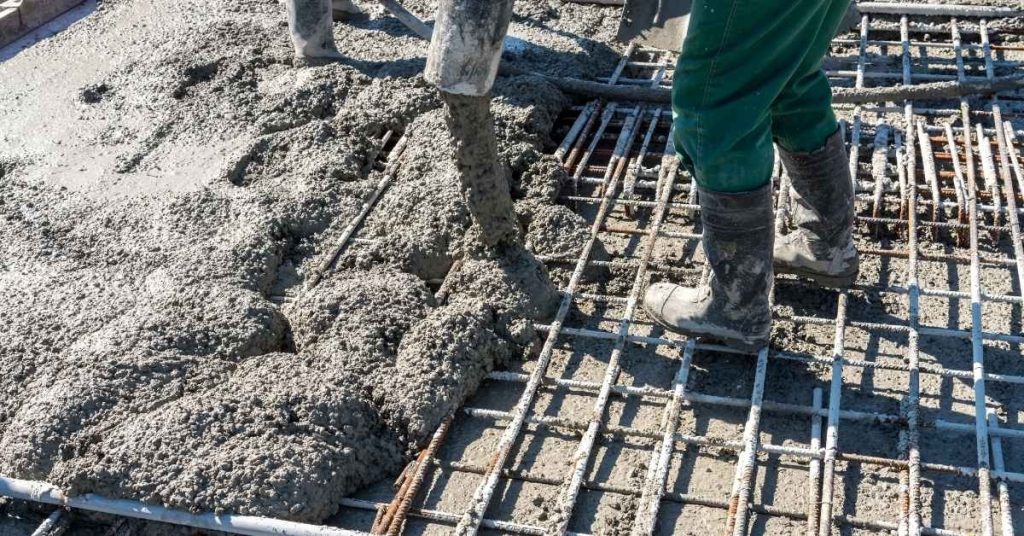
Worker pouring concrete over steel rebar grid

Rebar lap splice failures in DIY concrete work: real-world examples and how to avoid them

Introduction A rebar lap splice failure happens when the overlap between reinforcing bars does not transfer load effectively, weakening the concrete. This article explains real-world examples and practical checks you can perform to avoid it in DIY work. You’ll learn how to spot common mistakes and fix them before the concrete sets. Key factors to

Rebar lap splice failures in DIY concrete work: real-world examples and how to avoid them Read More »

Person using power trowel on fresh concrete slab

Crazing and hairline map cracks in concrete: over-finishing clues and how to keep it subtle

Introduction Crazing and hairline map cracks are fine surface fractures that develop on concrete as it dries and cures. They often appear as delicate networks across countertops or floors and can be challenging to hide with finishing alone. Understanding why they form helps you decide when a subtle finish is appropriate and when to address

Crazing and hairline map cracks in concrete: over-finishing clues and how to keep it subtle Read More »

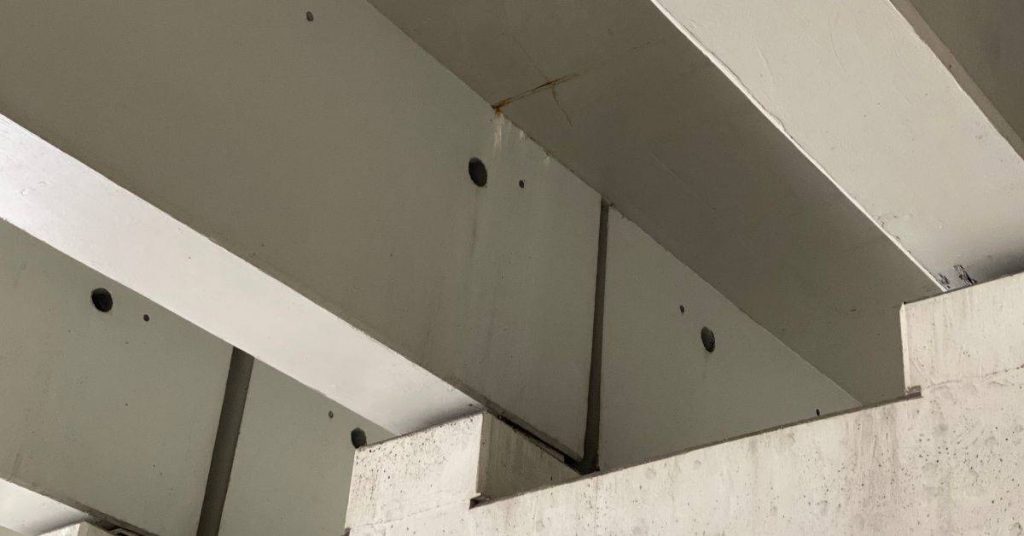
Concrete beam to column connection with visible dark stains

Form oil and release agents for concrete: the types that stain and how to avoid fish-eyes

Introduction Form oils and release agents are substances applied to formwork to prevent concrete from sticking and to aid removal. Different types exist, including simple mineral oil-based products and water-based releases. Choose the type based on finish goals and compatibility with the form materials and concrete. Some agents can stain the surface if residues remain

Form oil and release agents for concrete: the types that stain and how to avoid fish-eyes Read More »

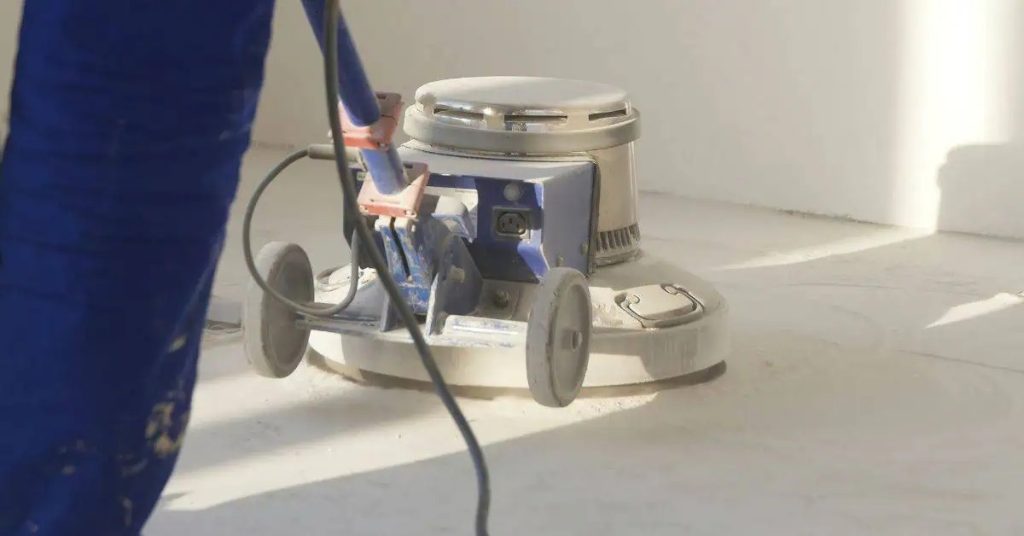
Concrete floor polishing machine on smooth concrete surface

Bonding new concrete to old work: scarify vs grind vs acid (and why acid often disappoints)

Introduction Scarify, grind, and acid are surface-prep methods used to promote bonding between new concrete and old work. Choosing the right method depends on the old surface condition and the project, and acid often disappoints if not applied carefully. This article explains practical choices in plain language and what to expect when you prep for

Bonding new concrete to old work: scarify vs grind vs acid (and why acid often disappoints) Read More »

Unfinished multi-story concrete building structure outdoors

Self-leveling overlays on concrete: dams, primers, and stopping pinholes and ripples

Introduction Self-leveling overlays are pourable surface toppings designed to flow into low spots and produce a flat, smooth concrete surface. They rely on proper surface preparation, containment dams at edges, and primer or bond agents to promote adhesion. Always follow the material manufacturer’s instructions for mixing, compatibility with the concrete, and cure requirements. Before you

Self-leveling overlays on concrete: dams, primers, and stopping pinholes and ripples Read More »

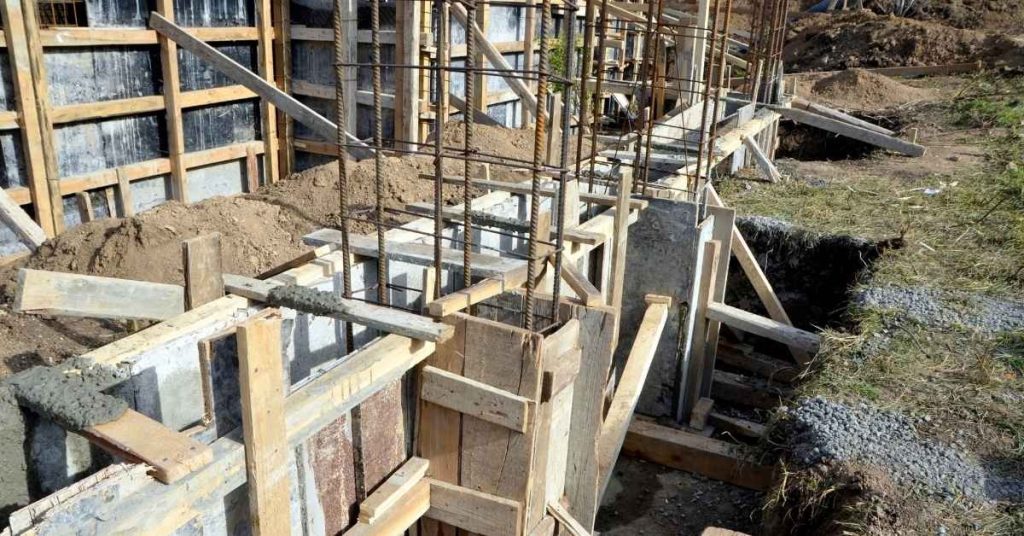
Concrete foundation formwork with exposed rebar and soil

Feather finish vs polymer patch on concrete: choosing a repair that won’t pop off in winter

Introduction Cement Skim Coat vs Polymer Patch for Winter Repairs Feather finish is a thin cement skim coat, ideal for smoothing surfaces. A polymer patch, on the other hand, is a patching compound used to fill small defects. This guide compares their winter performance and provides practical DIY repair steps. Assess damage extent, substrate condition,

Feather finish vs polymer patch on concrete: choosing a repair that won’t pop off in winter Read More »