Search Results for: dust mop for concrete floor

White painted horizontal wooden shiplap planks

Clear Coating Painted Surfaces: When It Helps, When It Yellows, and What to Use Instead

Introduction Clear coating painted surfaces means applying a transparent protective finish over existing paint to protect it and change the sheen; it helps when the paint is sound and you want extra durability or a uniform look. Use a clear product compatible with the paint type and follow the manufacturer’s instructions; if you’re unsure about […]

Clear Coating Painted Surfaces: When It Helps, When It Yellows, and What to Use Instead Read More »
Three paintbrushes and one paint roller on yellow background

How to Paint Stairs for Grip: Additives, Abrasion Resistance, and Maintenance

Introduction Painting stairs for grip means using paint and additives that improve traction and hold up to foot traffic while keeping the surface safe and durable. This is a hands-on job: pick the right paint for the stair material, choose a compatible anti-slip additive or aggregate, and follow the product directions and local rules for

How to Paint Stairs for Grip: Additives, Abrasion Resistance, and Maintenance Read More »

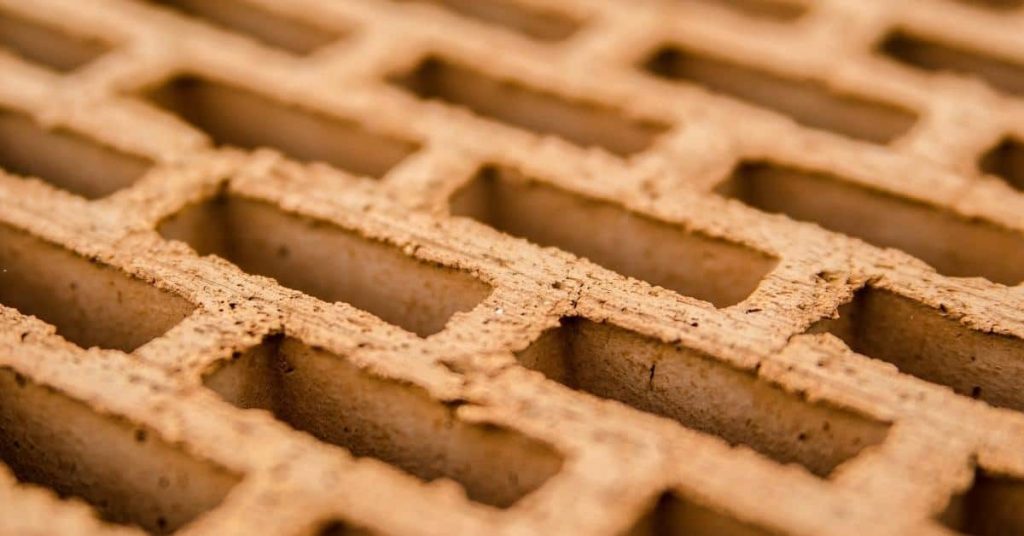
closeup of hollow clay blocks stacked together

Roman Clay Maintenance: Spot Repair & Re-Seal Timeline – Step-by-Step in Under 3 Hours

Introduction Tackling Roman clay maintenance doesn’t have to be a time-consuming chore. With the right approach, you can complete spot repairs and re-sealing in under three hours. Let’s break down the process into manageable steps, ensuring you stay on schedule without compromising quality. For the full guide, see Roman Clay Maintenance: Spot Repair, Re-Seal, and

Roman Clay Maintenance: Spot Repair & Re-Seal Timeline – Step-by-Step in Under 3 Hours Read More »

Close-up of a paint roller with textured surface against white wall

Painting Textured Ceilings: Roller Nap, Loading, and How to Avoid ‘Holidays’

Introduction Painting textured ceilings means using the right roller nap and loading technique so the paint covers peaks and valleys without leaving unpainted spots called “holidays.” Think in practical terms: pick a nap length suited to your texture and follow the product label for compatible paints and thinning, and check manufacturer instructions if unsure. A

Painting Textured Ceilings: Roller Nap, Loading, and How to Avoid ‘Holidays’ Read More »

Hand with roller applying green coating over taped surface

Reducing Hot-Tire Pickup on Garage Coatings: A Step-by-Step Timeline

Introduction Applying garage coatings and preventing hot-tire pickup requires careful timing. From surface preparation to final cure, each step takes time, and rushing through them can lead to premature failure. This guide walks you through the process, breaking down each stage with estimated durations to help you plan your project effectively. For the full guide,

Reducing Hot-Tire Pickup on Garage Coatings: A Step-by-Step Timeline Read More »

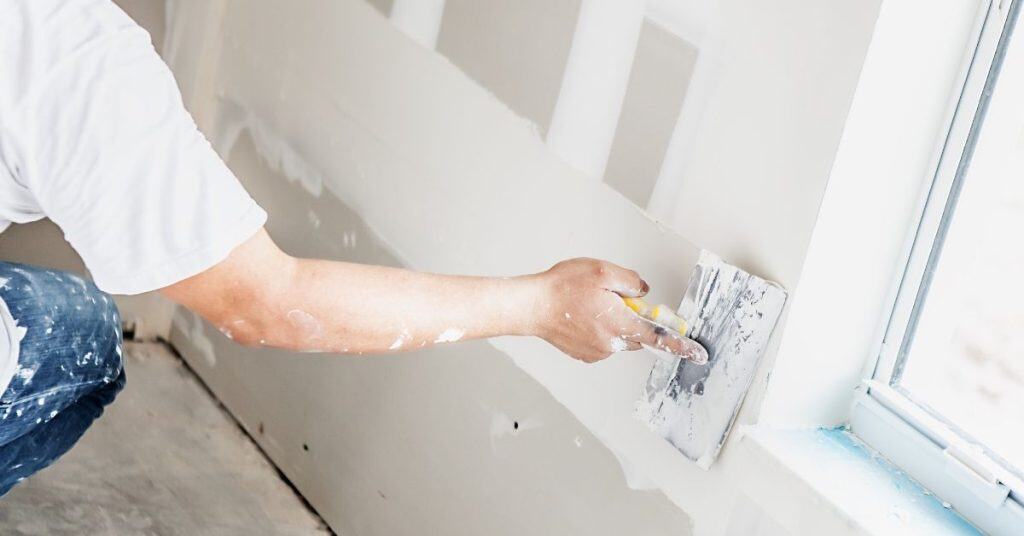
Person applying drywall joint compound near window

Choosing Plaster vs Joint Compound for Repairs: Durability, Sanding, and Paint Finish Differences

Introduction Plaster is a harder-setting wall finish made from cement- or gypsum-based mixes, while joint compound is a softer, gypsum-based product meant for taping and small repairs. For DIYers that means plaster will hold up better in high-traffic areas and where impact resistance matters, and joint compound is easier to apply and feather for small

Choosing Plaster vs Joint Compound for Repairs: Durability, Sanding, and Paint Finish Differences Read More »

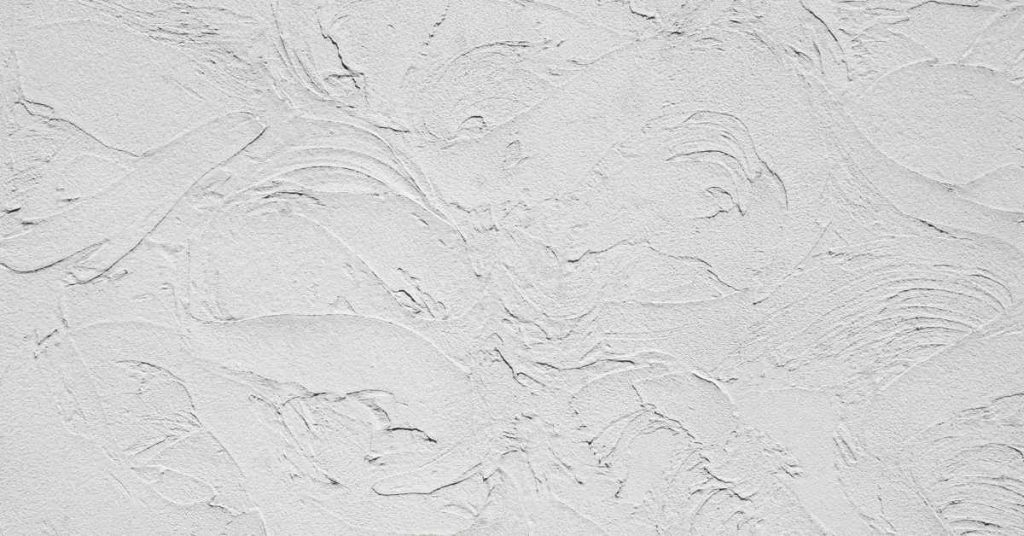
White textured plaster wall surface with swirl patterns

Skim Coating Over Textured Plaster: High-Spot Knockdown and Flatness Checks

Introduction Skim coating over textured plaster is applying a thin, smooth layer to even out high spots and create a flat surface. You’ll knock down the high spots, then skim with lightweight compound to blend the texture. Start by inspecting for obvious ridges and plan where you’ll feather edges. Before you start, confirm you have

Skim Coating Over Textured Plaster: High-Spot Knockdown and Flatness Checks Read More »

Person applying stain to outdoor wooden table with brush

Integral Color vs. Stain vs. Dye: A Homeowner Decision Guide by Location

Introduction Integral color is color mixed into the concrete mix before it sets. Stain and dye sit on or in the surface rather than throughout the slab. This guide helps homeowners decide by location and conditions. Applications differ: integral color is mixed in, stain is applied to the surface, and dye is usually sprayed or

Integral Color vs. Stain vs. Dye: A Homeowner Decision Guide by Location Read More »

Hand holding grout float applying grout on mosaic tiles

Regrouting vs. Grout Refresh vs. Grout Stain: Which Fix Fits Which Problem

Introduction Regrouting, grout refresh, and grout stain are three ways to fix failing grout, each serving different needs. Regrouting means removing the old grout and putting in new grout where the joints have deteriorated. Grout refresh is a surface cleaning and sealing approach for grout that’s not structurally broken but looks dingy, while grout stain

Regrouting vs. Grout Refresh vs. Grout Stain: Which Fix Fits Which Problem Read More »