Search Results for: dry silicone sand

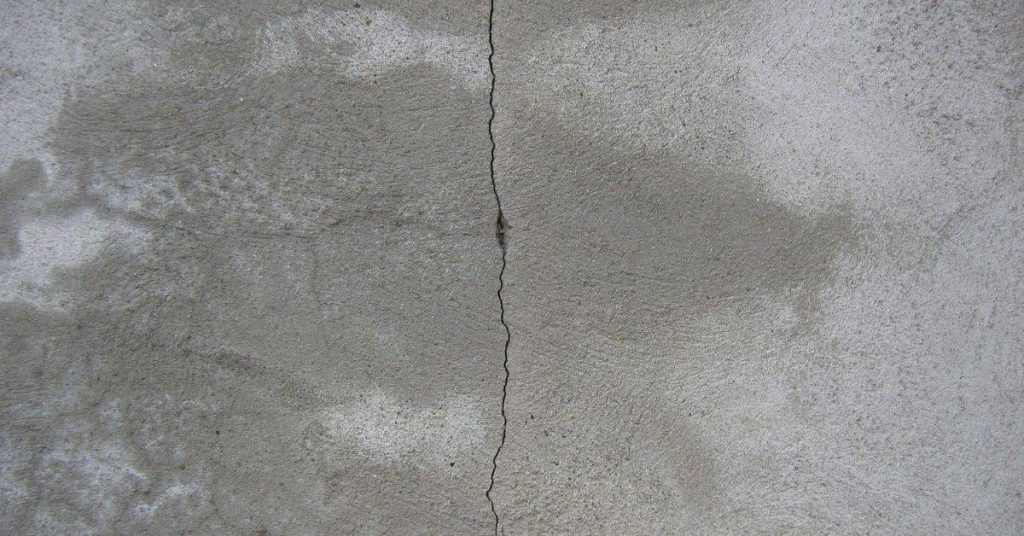
Close-up of concrete surface with fine vertical crack

DIY Concrete Stepping Stones That Don’t Crack: Reinforcement, Curing, and Freeze–Thaw Design

Introduction These stepping stones are reinforced concrete pieces designed to resist cracking through proper reinforcement, curing, and freeze–thaw considerations. Cracks typically come from shrinkage, settling, or temperature shifts, so controlling moisture and movement helps. When choosing materials, check labels and manufacturer instructions for suitability in outdoor, mid-stain conditions and for any local rules that apply […]
DIY Concrete Stepping Stones That Don’t Crack: Reinforcement, Curing, and Freeze–Thaw Design Read More »

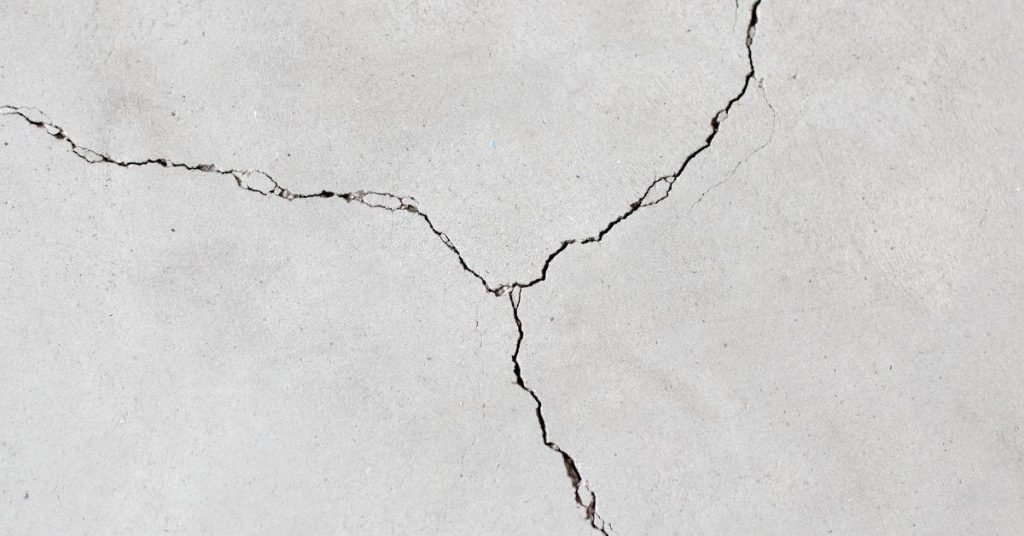
Close-up of cracked concrete surface with visible fissures

Waterproofing a Concrete Balcony: Slope Correction, Crack Bridging, and Edge Metal Details

Introduction Waterproofing a concrete balcony means protecting it from water intrusion by addressing slope, cracks, and edge details. Think of it as building a tiny water barrier that lasts through daily use. Check local rules and manufacturer instructions to choose the right materials and methods. For slope correction, ensure the balcony has a gentle outward

Waterproofing a Concrete Balcony: Slope Correction, Crack Bridging, and Edge Metal Details Read More »

Freshly poured wet concrete slab inside an unfinished room

Preventing Efflorescence From New Concrete: Water Sources, Curing, and Breathable Protection

Introduction Efflorescence is the white, powdery or crusty mineral deposit that appears on concrete when water moves minerals to the surface. It happens when moisture inside the slab or plaster carries soluble salts to the surface as it evaporates. Identify sources of moisture—wet curing, rain exposure, groundwater, or humid environments—and understand that surface coatings can

Preventing Efflorescence From New Concrete: Water Sources, Curing, and Breathable Protection Read More »

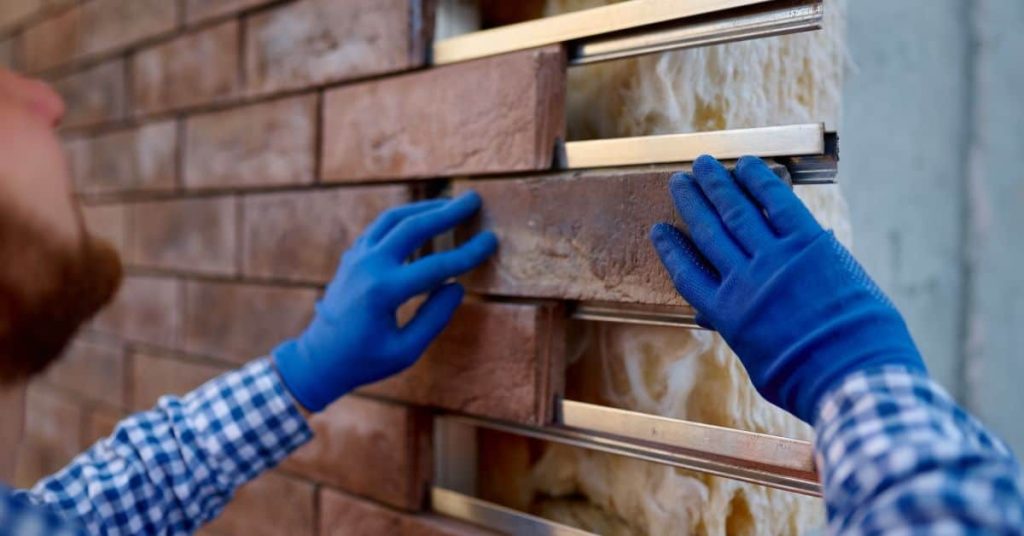
Person installing faux brick GFRC panels with blue gloves

GFRC Panels for DIY Projects: Mix Basics, Fiber Dosage, and Common Failures

Introduction GFRC panels are lightweight, fiber-reinforced cement panels that you can cast for DIY projects. They mix cement, fine aggregates, water, plus short glass fibers to add strength. Proper mixing and curing matter to avoid cracks. Getting the mix right means watching the ratio of cement to aggregate and ensuring the fiber dosage is even.

GFRC Panels for DIY Projects: Mix Basics, Fiber Dosage, and Common Failures Read More »

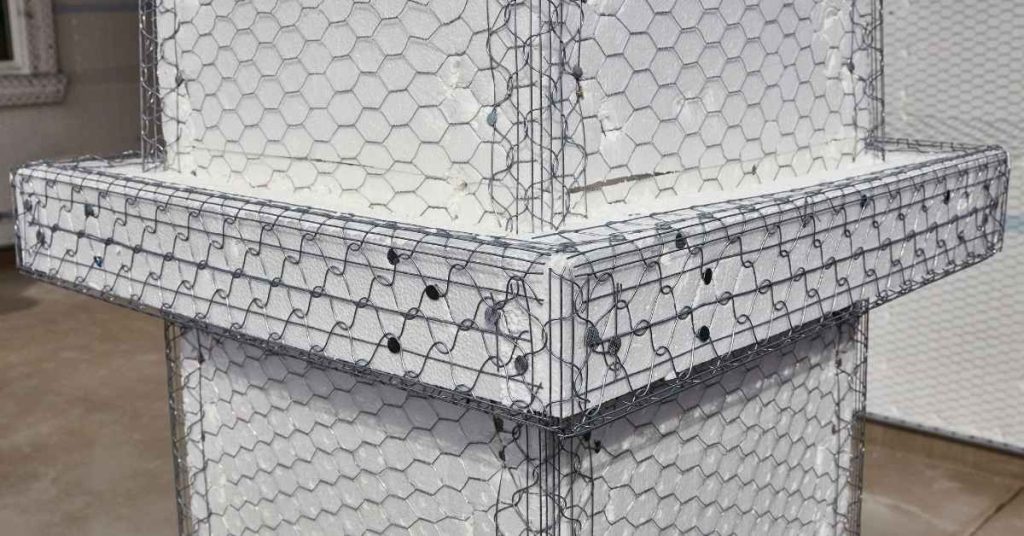
Corner of foam insulation covered with metal wire lath for stucco

Inside Corner Stucco Cracks: Reinforcement details that reduce repeat cracking

Introduction Reinforcement details inside a corner of stucco help prevent cracks from redeveloping. This article gives practical, home-friendly ways to strengthen the joint as you repair. Think of it as a light rebuilding of the corner so movement from framing or temperature doesn’t keep tearing at the surface. Start by inspecting the crack and removing

Inside Corner Stucco Cracks: Reinforcement details that reduce repeat cracking Read More »

Window with white horizontal blinds and green plants outside

Sealing Window-to-Stucco Joints: Backer rod depth and tooling that lasts

Introduction Backer rod depth and proper tooling create a durable seal between a window and stucco. The depth you choose should be guided by the joint width and the sealant you plan to use, and you must check the manufacturer’s guidelines. Using the right tooling helps the sealant lay smooth and stay in place as

Sealing Window-to-Stucco Joints: Backer rod depth and tooling that lasts Read More »

Hand applying green paint with roller on taped surface

Why Stucco Paint Peels: Coating compatibility and moisture red flags

Introduction Paint on stucco peels mainly because the coating loses adhesion from moisture or from incompatibility with the surface. That means the top layer isn’t gripping the stucco or is being pushed loose by moisture behind it. A proper diagnosis starts with checking the surface for signs of moisture and poor bonding. Before repainting, inspect

Why Stucco Paint Peels: Coating compatibility and moisture red flags Read More »

Concrete slab construction with wooden formwork and steel rebar

Concrete Drainage Without Demo: Small slope fixes that actually move water

Introduction Concrete drainage without demo means guiding water away from the area by tweaking existing surfaces, not tearing out concrete. It’s a practical, hands-on approach that relies on small slope tweaks, edge shaping, and surface detailing. Check local rules and the product labels to ensure your method is allowed. Map out a simple plan for

Concrete Drainage Without Demo: Small slope fixes that actually move water Read More »

Fresh asphalt driveway in front of garage door

Concrete at Garage Doors: Fixing ponding and preventing water intrusion

Introduction Concrete at garage doors refers to the slab at the door opening where improper drainage or settling can cause ponding. This condition signals potential water intrusion if left unaddressed. Start by noting slopes, cracks, and joints that may let water pool near the threshold. Common causes are poor drainage, foundation issues, or slab settling

Concrete at Garage Doors: Fixing ponding and preventing water intrusion Read More »

Concrete slab being smoothed with a long-handled float

Control Joints That Look Bad: Making sawcuts straighter and less noticeable

Introduction Control joints that look bad are joints in concrete that are crooked or wavy and draw the eye. They’re not meeting the surface cleanly, and that makes the floor look unfinished. A straight, neat sawcut can dramatically improve the overall look with less crowding around the joints. Your best bet is to use proper

Control Joints That Look Bad: Making sawcuts straighter and less noticeable Read More »