Search Results for: dry silicone sand

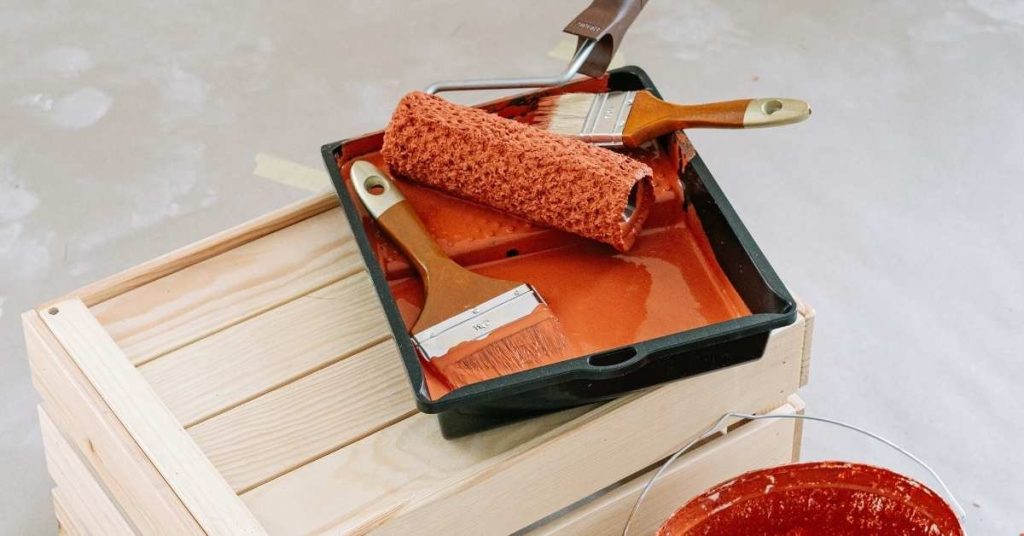
Paint brushes and roller on paint tray with orange paint

Paint Cratering: Oils, cleaners, and residue that cause defects

Introduction Paint cratering is the appearance of crater-like defects on a painted surface caused by oils, cleaners, or residue left on the material before painting. These contaminants disrupt how the paint film bonds, leaving dull spots and pinholes as it dries. In DIY work, it often happens after rushed cleaning or using unsuitable cleaners. To

Paint Cratering: Oils, cleaners, and residue that cause defects Read More »

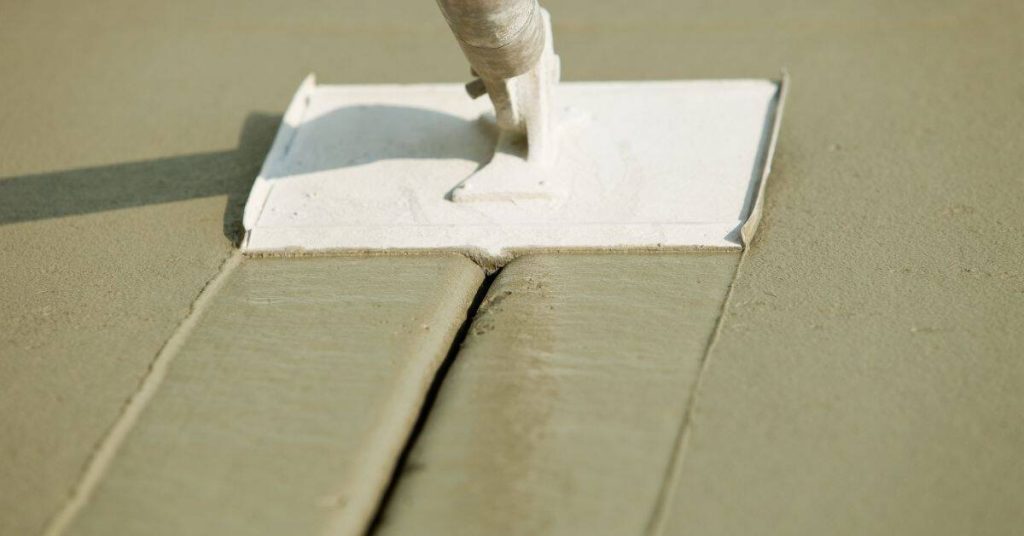
Tool smoothing fresh concrete expansion joint surface

Concrete Joint Sealant Depth: Backer rod sizing and tooling that stops peel-back

Introduction Backer rod sizing and proper tooling determine how deep the sealant sits and how well it resists peel-back. For DIY projects, match the rod to the joint width and choose tools that help you shape and cut the sealant cleanly. Check the joint surfaces and the manufacturer’s instructions for any minimums or recommendations. Weather

Concrete Joint Sealant Depth: Backer rod sizing and tooling that stops peel-back Read More »

Concrete slab being smoothed with a long-handled float

Concrete Tool Cleanup: Keeping floats flat, trowels smooth, and handles solid

Introduction Concrete tool cleanup means removing concrete residue and debris from floats, trowels, and handles so they stay flat and true. Do it soon after use while the slab is still workable, and focus on each tool as you walk off the job. This keeps your finishes consistent and your gear ready for the next

Concrete Tool Cleanup: Keeping floats flat, trowels smooth, and handles solid Read More »

Hand holding spray paint gun near peeling painted wooden siding

Fixing Cracked Elastomeric Coatings: Prep and recoats that stop peeling

Introduction Fixing cracked elastomeric coatings means repairing and reapplying a flexible protective layer so cracks stop growing and peeling ends. Cracking often comes from substrate movement, UV exposure, or poor initial prep, so surface prep and proper adhesion are key. In this hands-on guide, you’ll learn how to clean, repair, and re-coat using the right

Fixing Cracked Elastomeric Coatings: Prep and recoats that stop peeling Read More »

Closeup of red brick and mortar joints in wall

Caulk Pulling Away From Stucco: Why joints fail and how to rebuild them

Introduction Caulk pulling away from stucco happens when the seal between the joint and surface fails, allowing the caulk to separate from the wall. Common causes include movement in the building, sun and weather wear, improper surface prep, and using the wrong type of caulk. These gaps can trap moisture and worsen cracking, so addressing

Caulk Pulling Away From Stucco: Why joints fail and how to rebuild them Read More »

Rain falling on sloped rooftops with chimneys steaming

Adding Drip Edges to Stucco Trim: Small details that cut streaking

Introduction A drip edge on stucco trim redirects water away from the wall to prevent streaking. By guiding where the water flows, it helps keep the surface dry and reduces staining. Check that the edge is properly installed and overlaps the underlying material according to the manufacturer instructions. To DIY this, work from the top

Adding Drip Edges to Stucco Trim: Small details that cut streaking Read More »

Closeup of painted wooden siding in gray color

Breathable Paint for Stucco: Choosing coatings that don’t trap moisture

Introduction Breathable paint for stucco lets moisture escape from the wall while protecting it from rain. As a DIYer, you want a coating that pins water to the surface but doesn’t trap it inside. Apply it with the right surface prep and follow the label for best results. When choosing coatings, look for breathable or

Breathable Paint for Stucco: Choosing coatings that don’t trap moisture Read More »