Search Results for: dry silicone sand

White electrical outlet on a painted white wall

Limewash Over Previously Painted Walls: What Prep Makes It Stick (and What Doesn’t)

Introduction Limewash can be applied over previously painted walls with proper prep to let it stick. Start by cleaning and inspecting the surface, scraping off loose paint, and washing until it’s clean and dry. Then follow the product label directions and any local rules for bonding or priming as needed. In practice, the beginners’ approach […]

Limewash Over Previously Painted Walls: What Prep Makes It Stick (and What Doesn’t) Read More »
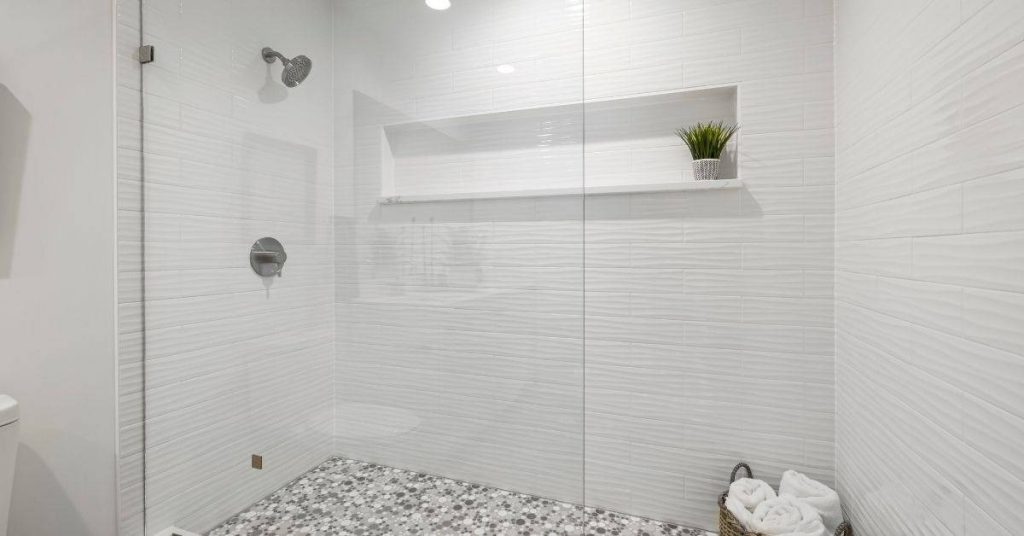
white textured tile shower with niche and glass door

Tadelakt on Shower Niches: Edge Details That Keep Water Out of Transitions

Introduction Tadelakt on shower niches is applying a polished lime-plaster finish to the niche with well-planned edge details to keep water from leaking into transitions. This is a hands-on DIY job, so you’ll be shaping and sealing the edges as you plaster and tile. Focus on edge trim profiles and how they meet the wall

Tadelakt on Shower Niches: Edge Details That Keep Water Out of Transitions Read More »

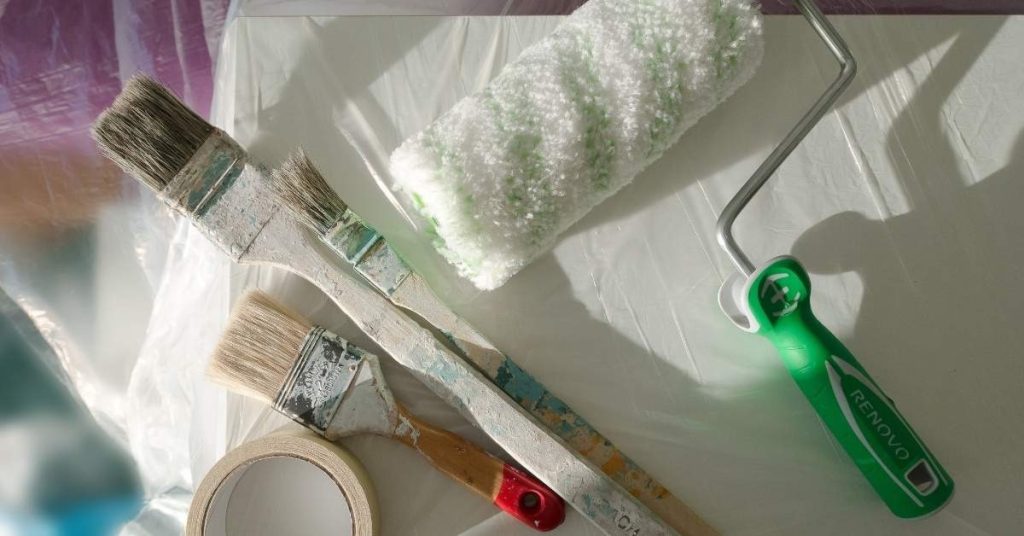
Three paintbrushes paint roller and roll of masking tape

How to Keep Sealant Joints Clean: Masking, Tooling, and Cleanup Without Smearing

Introduction Keep sealant joints clean by masking, tooling, and cleanup without smearing. This intro covers how to prep surfaces, mask off areas, and finish joints so you don’t drag old sealant or create ridges. It’s a practical, hands-on guide you can follow on a DIY project from masking to cleanup. We’ll walk through masking off

How to Keep Sealant Joints Clean: Masking, Tooling, and Cleanup Without Smearing Read More »

Hand applying white plaster with metal putty knife

Scagliola Basics: Making Faux-Marble Plaster Panels and Sealing Them for Real Use

Introduction Scagliola is a plaster technique used to imitate marble. Key takeaways Choose faux-marble panels when you want durable, low-maintenance decorative plaster. Prepare substrate with clean, sound surface and proper moisture management. Use sharp tools and steady mixing with PPE to avoid texture inconsistencies. Marbling requires even color distribution; test small panels before full cast.

Scagliola Basics: Making Faux-Marble Plaster Panels and Sealing Them for Real Use Read More »

Weathered pink stucco wall with discoloration and patches

Acrylic Finish Coats (Synthetic Stucco): When They’re Appropriate and How to Avoid Plastic-Looking Patches

Introduction Acrylic finish coats are a synthetic stucco layer applied to exterior walls for a hard, weather-resistant surface. They’re appropriate when you want a durable, low-maintenance outer coat that can flex with shifting framing. Choose a system that matches your substrate and climate, and verify guidance from the manufacturer or local rules. The installation steps

Acrylic Finish Coats (Synthetic Stucco): When They’re Appropriate and How to Avoid Plastic-Looking Patches Read More »

Concrete slab form with rebar grid and wood panels

Concrete ‘Cool Deck’ Coatings: Heat Reduction Claims and What Prep Actually Controls Delamination

Introduction Cool deck coatings are heat-reflective surface finishes applied to concrete to reduce surface temperatures and glare. But whether they last depends mainly on how the base concrete is prepared and bonded. This article cuts through the hype and tells you what prep actually controls delamination. Delamination happens when the coating separates from the concrete

Concrete ‘Cool Deck’ Coatings: Heat Reduction Claims and What Prep Actually Controls Delamination Read More »

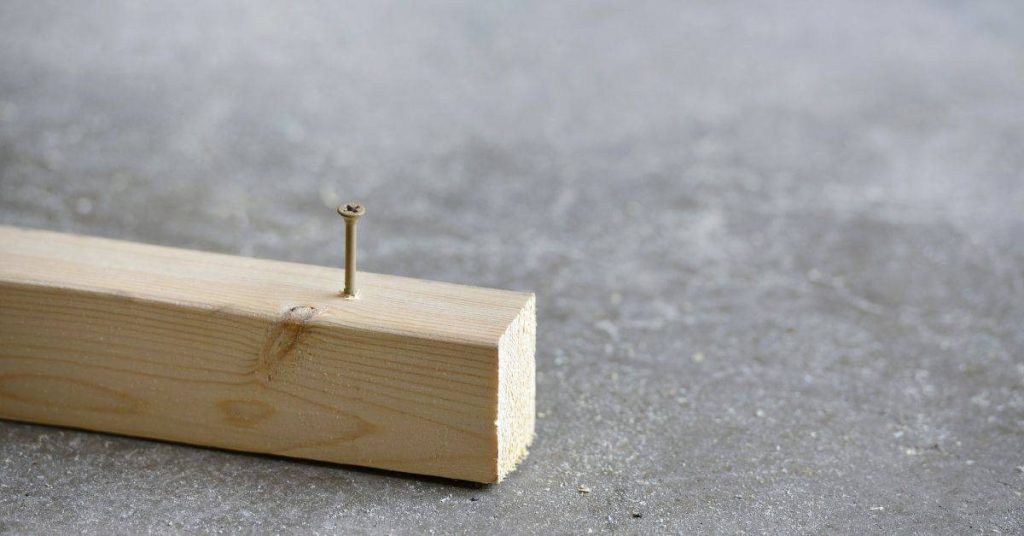
Wood block with nail inserted standing on concrete surface

Concrete Countertops With Inlays: Brass, Glass, Wood—Bonding and Differential Movement

Introduction Concrete countertops with inlays are countertops that embed brass, glass, or wood accents into the concrete surface. This article gives a practical, hands-on look at how to plan, mix, and place those inlays so they stay put. The goal is a durable, smooth surface you can live with, not a museum piece. We cover

Concrete Countertops With Inlays: Brass, Glass, Wood—Bonding and Differential Movement Read More »

Closeup of dark wooden floorboards with knots

Cast Concrete Sinks: Drain Reinforcement, Sealing Choices, and Stain-Proofing Reality

Introduction Cast concrete sinks are sinks formed by pouring concrete into a mold and letting it cure into a finished bowl. They require drain area reinforcement and careful form work to avoid cracking around the outlet. Sealing choices vary, and the reality is that stain resistance depends on the finish and maintenance. GRC, traditional concrete,

Cast Concrete Sinks: Drain Reinforcement, Sealing Choices, and Stain-Proofing Reality Read More »

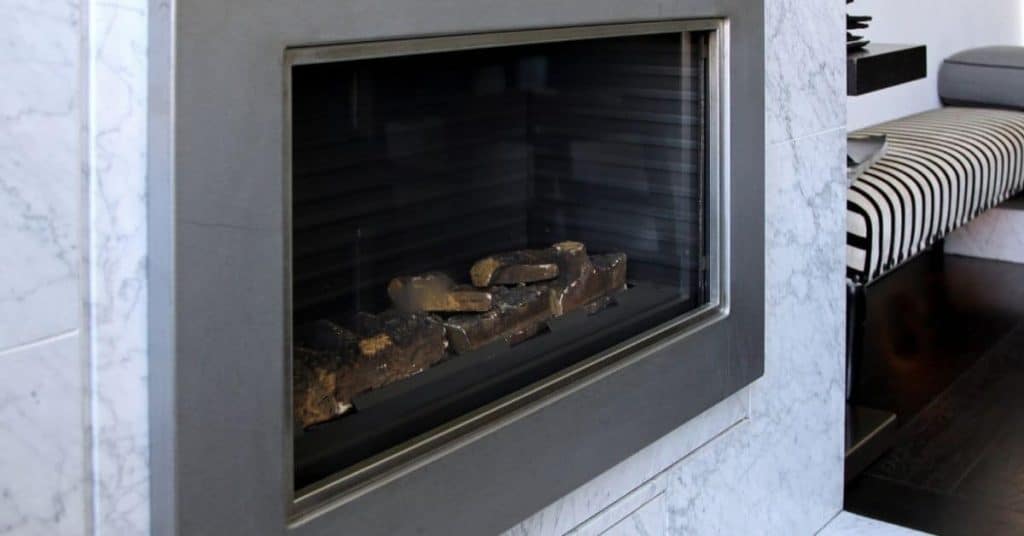
Modern gas fireplace with marble surround and striped bench nearby

Concrete Fireplace Surrounds: Heat Cycling, Crack Control, and Safe Clear-Coat Options

Introduction Concrete fireplace surrounds are finished concrete frames around a fireplace that can handle heat cycling with proper care. They need attention to how heat shifts and ages the surface, especially where the surround meets the hearth and mantel. The goal is a durable, even finish that resists cracking and looks good for years. Crack

Concrete Fireplace Surrounds: Heat Cycling, Crack Control, and Safe Clear-Coat Options Read More »

Wooden form with rebar grid on concrete and dirt surface

Board-Formed Patch Blending: How to Hide Repairs Inside an ‘Intentional’ Texture

Introduction Board-formed patch blending is a technique for concealing repairs by matching a surface texture to look like the surrounding board pattern. It works by shaping filler and using tools to mimic the grain and lines of the wood. This keeps repairs discreet in an intentionally textured wall or paneling. In practice, you start by

Board-Formed Patch Blending: How to Hide Repairs Inside an ‘Intentional’ Texture Read More »