Search Results for: drill bit for concrete

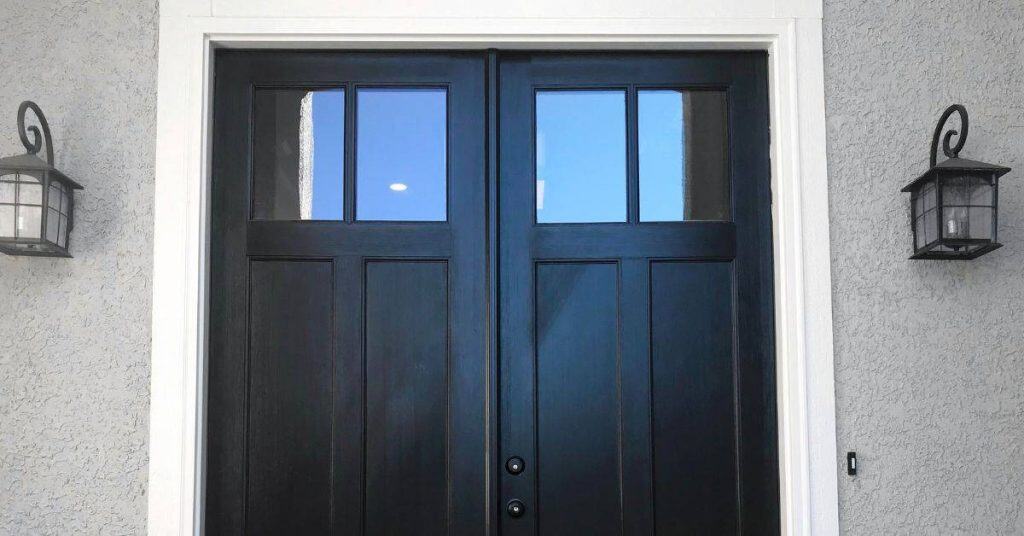
Black wooden double entry doors with glass panels and exterior wall lights

Backwrapping EIFS at Windows and Doors: What It Is and Why DIY Patches Fail Without It

Introduction Backwrapping EIFS at windows and doors means wrapping the exterior foam, weather barrier, and flashing around the rough opening to protect and seal it. It helps prevent water intrusion and wind-driven leaks where the openings meet the wall. DIY patches often fail when the edge around the opening isn’t wrapped and flashed properly. Without […]

Backwrapping EIFS at Windows and Doors: What It Is and Why DIY Patches Fail Without It Read More »

fresh self-leveling concrete poured on floor

Self-Leveling Underlayment Over Wood Subfloors: Prep, Lath, and Pour Thickness

Introduction Self-leveling underlayment over wood subfloors is a cementitious mix poured over prepared wood to create a flat, stable surface for new floors. It requires cleaning, securing loose boards, removing finishes, and flattening high spots so the surface is sound and ready to accept the leveling compound. Take it slow and work in small sections,

Self-Leveling Underlayment Over Wood Subfloors: Prep, Lath, and Pour Thickness Read More »

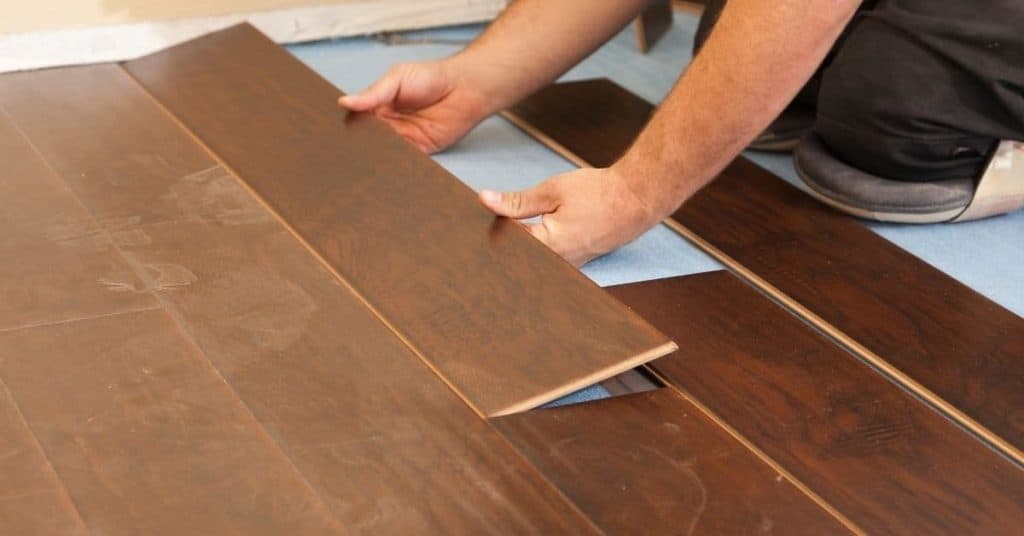
Person kneeling installing laminate flooring planks

Fixing Squeaky Subfloors Before New Flooring: Screw Patterns and When to Add Blocking

Introduction Squeaky subfloors happen when the subfloor boards move or lack solid support, and fixing them requires securing boards and sometimes adding blocking. Using the right screw patterns helps pull the boards tight and stop movement. Before laying new flooring, you may need to identify problem areas and decide if blocking should be added. You’ll

Fixing Squeaky Subfloors Before New Flooring: Screw Patterns and When to Add Blocking Read More »

Person installing dark laminate flooring indoors

Acclimating Flooring the Right Way: Temperature, Humidity, and the ‘False Acclimation’ Trap

Introduction Acclimating flooring means letting the material adjust to the room conditions before installation. This isn’t a one-size-fits-all rule; temperature and humidity matter, but accuracy comes from checking the product labels and your actual home conditions. Rushed or misreading the room can lead to gaps, warping, or squeaks after install. To avoid the “False Acclimation”

Acclimating Flooring the Right Way: Temperature, Humidity, and the ‘False Acclimation’ Trap Read More »

Various large tile samples displayed upright in a store

Tile Ledger Boards in Showers: How to Mount Them Without Puncturing Waterproofing

Introduction A tile ledger board is a horizontal support mounted to the shower wall to hold tile while it sets, without puncturing the waterproofing. Before you start, locate studs and check the waterproofing membrane behind the tile area. This guide walks you through a practical, hands-on approach you can do with common tools. Plan your

Tile Ledger Boards in Showers: How to Mount Them Without Puncturing Waterproofing Read More »

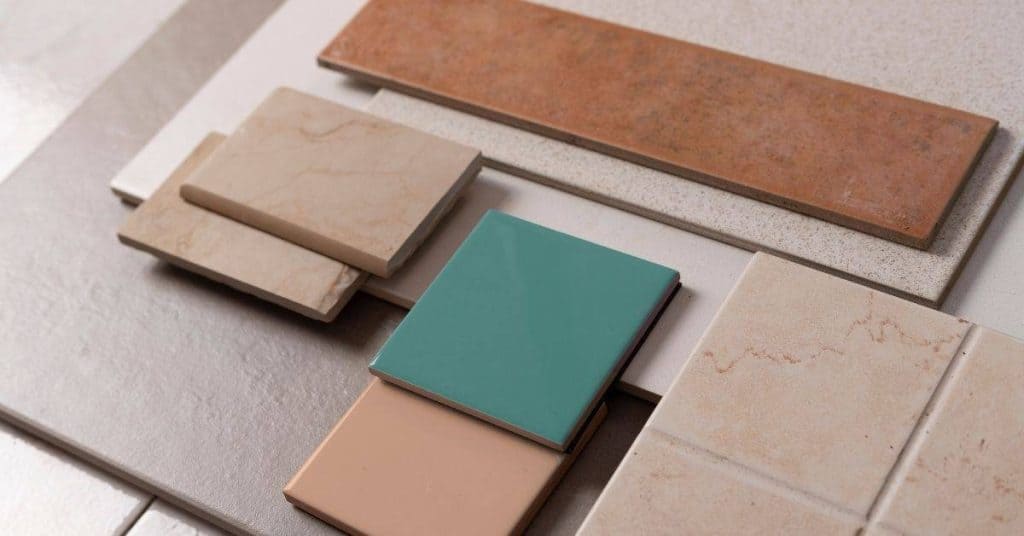
Various ceramic and porcelain tile samples arranged on a surface

Pool Waterline Tile Repairs: Bonding to Old Substrates and Avoiding Hollow Spots

Introduction Bonding old pool waterline tile to aged substrates requires thorough prep and the right adhesives to prevent hollow spots. This is a hands-on, DIY task that starts with cleaning, roughing the surface, and choosing compatible materials. Check product labels and manufacturer guidance for substrate compatibility, cure times, and any moisture considerations. Dust control during

Pool Waterline Tile Repairs: Bonding to Old Substrates and Avoiding Hollow Spots Read More »

spiked roller on freshly applied epoxy floor coating

Epoxy Thinset vs. Cement Thinset: Where Epoxy Is Worth It (and where it’s trouble)

Introduction Epoxy thinset is a two‑part adhesive that uses epoxy as the binder, offering a tougher, more chemical‑resistant bond than plain cement thinset. In DIY terms, it sets slower and can be trickier to mix and apply, so it’s not always the best choice for every job. Check manufacturer instructions for mixing ratios, pot life,

Epoxy Thinset vs. Cement Thinset: Where Epoxy Is Worth It (and where it’s trouble) Read More »

paint tray with paint roller covers and a paintbrush covered in dried paint

How to Store Partially Used Paint for Years: Skin Prevention and Remix Steps

Introduction Long-term storage of partially used paint means keeping the can sealed, preventing skin from forming, and preserving it for future remix. Keep containers tightly closed, label clearly, and store upright in a cool, stable spot away from direct heat or freezing conditions. Check the product label and manufacturer instructions for any shelf-life notes or

How to Store Partially Used Paint for Years: Skin Prevention and Remix Steps Read More »

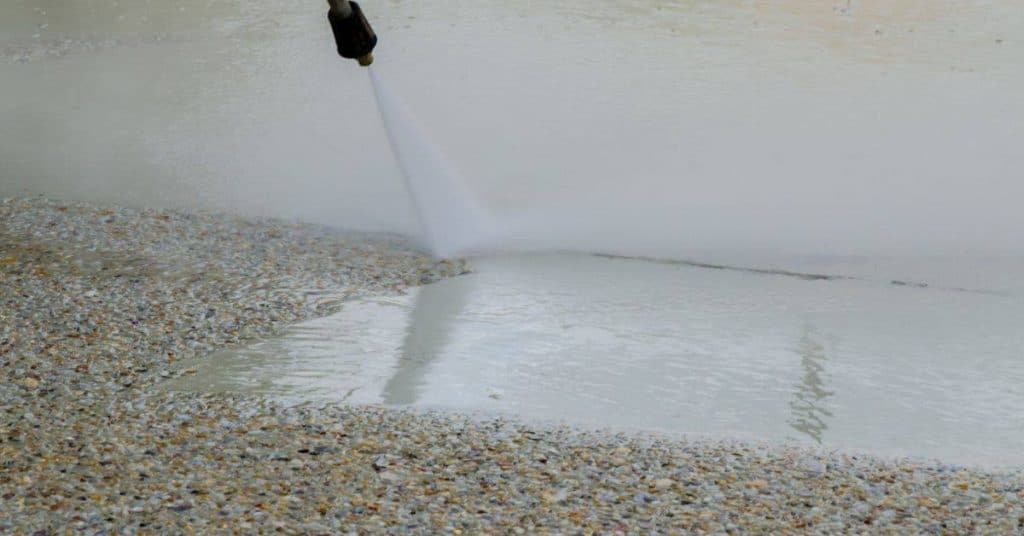
Pressure washing exposed aggregate concrete surface

Creating an Exposed Aggregate ‘Window’ in a Small Repair (Matching Existing Finish)

Introduction An exposed aggregate window is a small patch that reveals decorative stones after removing a portion of concrete to match the surrounding finish. Plan to cut a window in the existing slab, clean and dampen the area, and set up a simple form to keep edges neat. Check local rules and the patch will

Creating an Exposed Aggregate ‘Window’ in a Small Repair (Matching Existing Finish) Read More »

Worker drilling into drywall panel indoors

Drywall Anchors in Hollow Walls: Choosing by Load and Avoiding Blowout Repairs

Introduction Drywall anchors in hollow walls are devices that hold fasteners securely when the wall is thin or backed by empty space. They work by gripping inside the gypsum and spreading load to prevent pullout. Choose anchors based on the weight you plan to support and the wall thickness you’re dealing with. To avoid blowout,

Drywall Anchors in Hollow Walls: Choosing by Load and Avoiding Blowout Repairs Read More »