Search Results for: drill bit for concrete

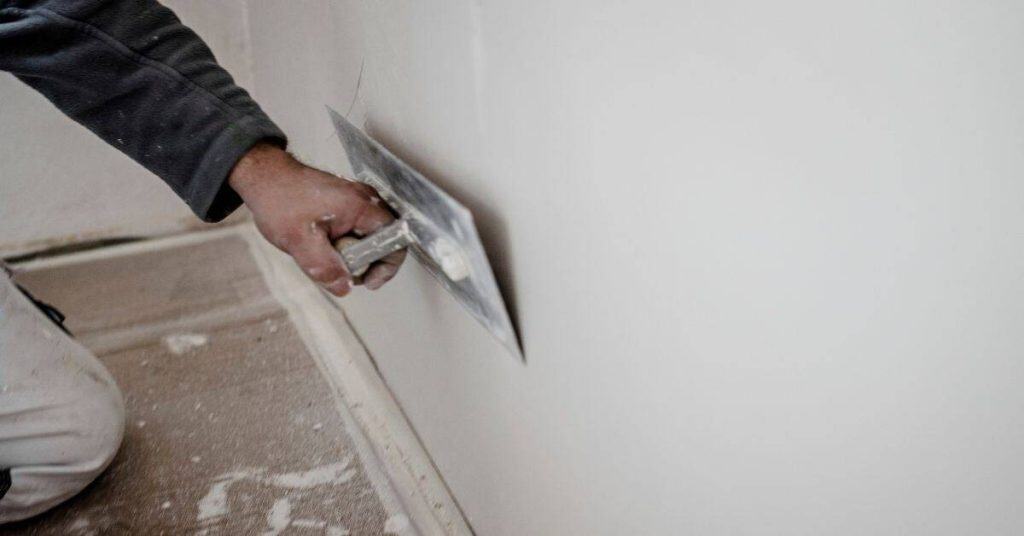
Hand smoothing plaster on wall with trowel

Tadelakt for DIY Bathrooms: Surface Prep, Burnishing, and Waxing Without Failure

Introduction Tadelakt is a traditional lime plaster finish used on bathrooms, finished with burnishing and wax to create a smooth, water-resistant surface. This article walks you through surface prep, burnishing, and waxing with practical, hands-on steps. I’ll keep it plain-language and honest about what to check before you start. Prep the surface clean, sound, and […]

Tadelakt for DIY Bathrooms: Surface Prep, Burnishing, and Waxing Without Failure Read More »
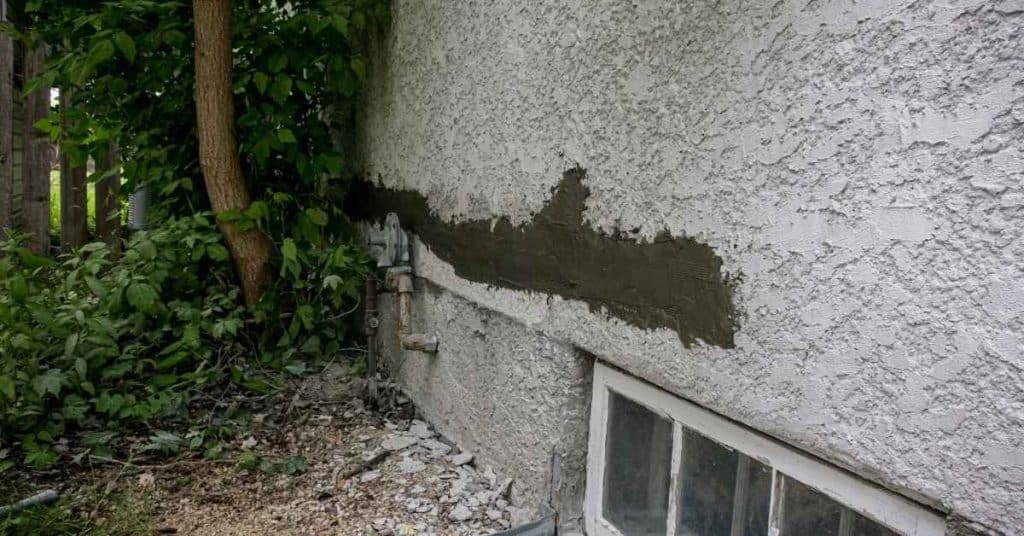
Stucco wall with fresh patch above basement window

How to Patch Stucco Where Lath Is Rusting: Cutback Limits, Fastener Choices, and Rebuild

Introduction This guide shows how to patch stucco when the metal lath under it is rusting. You’ll assess the damage, remove deteriorated material, and prepare the surface for repair. Keep the work conservative and follow safety and building guidance as you go. Cutback limits depend on the substrate and structure, so check manufacturer instructions and

How to Patch Stucco Where Lath Is Rusting: Cutback Limits, Fastener Choices, and Rebuild Read More »

Close up of blue painted stucco wall texture

Stucco Patches on Painted Surfaces: Bonding Agents, Scratch Keys, and When to Strip Paint

Introduction This article explains how to patch stucco on painted surfaces, including prep, bonding, and deciding when to strip paint. It covers bonding agents, scratch keys, and the little checks you need to avoid a failed patch. Keep it DIY-friendly with practical steps you can do on a weekend. Start by inspecting the painted area

Stucco Patches on Painted Surfaces: Bonding Agents, Scratch Keys, and When to Strip Paint Read More »

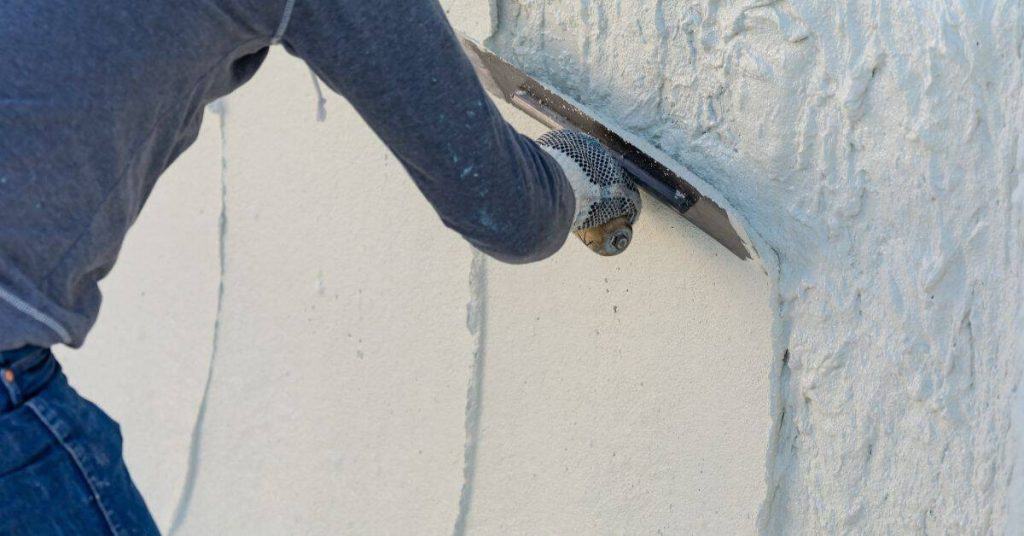
Worker applying stucco texture to exterior wall with trowel

Repairing Stucco Around Exterior Electrical Boxes: Rebuild Steps That Keep the Gasket Dry

Introduction Repairing stucco around exterior electrical boxes is about sealing the gap and protecting the gasket from moisture. This job is hands-on and requires careful prep, clean surfaces, and proper patching to keep water out. Work slowly and check the seal around the box after each step. Start by cleaning the area around the box

Repairing Stucco Around Exterior Electrical Boxes: Rebuild Steps That Keep the Gasket Dry Read More »

Worker spraying stucco onto a brick wall

Stucco Screed Beads and Termination Beads: Which Profile Goes Where (and Why It Matters)

Introduction Screed beads and termination beads are edge profiles used to shape and finish stucco at joints and edges. They help keep the finish straight and seal transitions where the stucco meets other surfaces. Check the product label and manufacturer guidance to ensure you’re matching the profile to your job and local rules. Plan where

Stucco Screed Beads and Termination Beads: Which Profile Goes Where (and Why It Matters) Read More »

Close up of foam insulation and stucco edge

How to Repair a Missing Stucco ‘Drip Edge’ at Horizontal Bands (So Water Stops Tracking Back)

Introduction A missing stucco drip edge is the built‑in edge of the stucco that directs moisture away and stops water from tracking back into the wall. Without it, water can wend its way behind the band and cause staining or leaks. To fix it, plan to add proper edging or flashing where the horizontal band

How to Repair a Missing Stucco ‘Drip Edge’ at Horizontal Bands (So Water Stops Tracking Back) Read More »

Exterior stucco wall with scaffolding and windows

Hairline Stucco Cracks Over Framing: When It’s Normal Movement vs. a Missing Joint

Introduction Hairline stucco cracks over framing are small, common movement cracks at the edges where the wall framing meets the exterior skin. They happen as the house settles, dries, or seasons change. Usually they’re cosmetic, but it helps to keep an eye on them and assess what caused them. If a crack follows a straight

Hairline Stucco Cracks Over Framing: When It’s Normal Movement vs. a Missing Joint Read More »

Close-up of rough stucco dash finish texture surface

Stucco Texture Blending 101: How to Hide a Patch in Sand Float, Dash, and Lace Finishes

Introduction Stucco texture blending is the art of disguising a repair by matching texture and sheen under common finishes like sand float, dash, and lace. Treat the patch as a small project inside the bigger wall, plan to feather edges and adjust trowel pressure. Start by inspecting the surrounding texture and choosing a blending technique

Stucco Texture Blending 101: How to Hide a Patch in Sand Float, Dash, and Lace Finishes Read More »

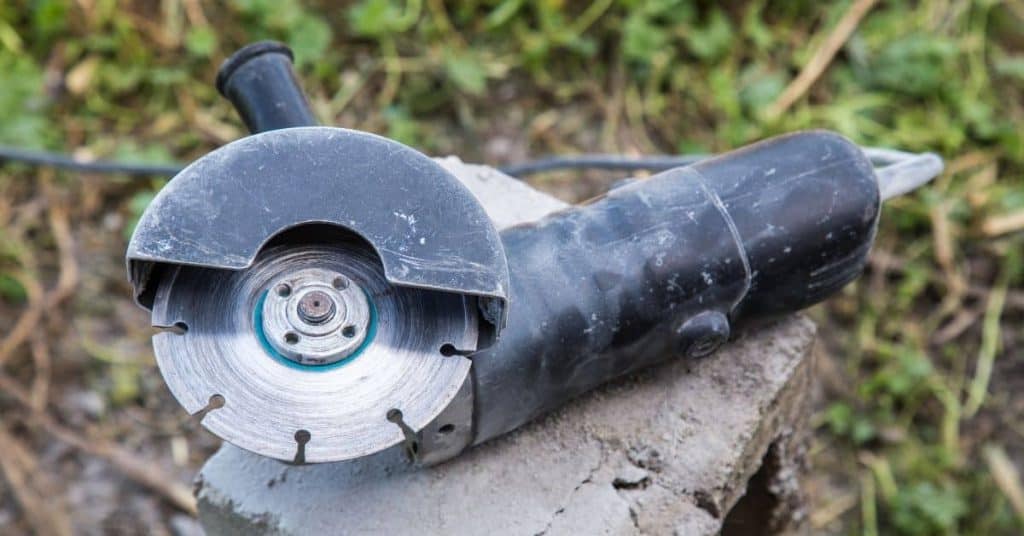
Angle grinder resting on concrete block outdoors

Repairing Stucco Behind Downspouts: Rebuilding the WRB and Getting the Termination Right

Introduction Repairing stucco behind downspouts means fixing the weather-resistant barrier and ensuring proper edge termination to prevent water intrusion. This is a hands-on DIY task that focuses on reestablishing a continuous moisture barrier and a clean transfer of water away from the wall. You’ll need to work behind the downspout area, where access and flashing

Repairing Stucco Behind Downspouts: Rebuilding the WRB and Getting the Termination Right Read More »

Close up of metal hose bib mounted on textured stucco wall

Mounting a Hose Reel on Stucco Without Cracking or Leaks (Fasteners, Spacers, Sealant)

Introduction Mounting a hose reel on stucco without cracking or leaks means securing the reel with proper fasteners, spacers, and sealant to protect the wall and keep water out. Use fasteners rated for masonry or stucco and add spacers to prevent screws from binding against the softer surface. Match the hardware to the wall substrate

Mounting a Hose Reel on Stucco Without Cracking or Leaks (Fasteners, Spacers, Sealant) Read More »