Search Results for: disposal of cement waste

Hand with glove inserting tool into brown plastic fastener on foam board

Epoxy anchor guns: cartridge care, purge steps, and nozzle reuse reality

Introduction Epoxy anchor guns rely on careful cartridge care, proper purge steps, and mindful nozzle reuse to stay reliable. Keeping cartridges clean, stored, and upright helps prevent jams and inconsistent mixing. Purge steps before use remove air and unmixed material, reducing the risk of cured epoxy affecting the next shot. Nozzle reuse requires attention to […]

Epoxy anchor guns: cartridge care, purge steps, and nozzle reuse reality Read More »

Corded orange and black angle grinder on concrete floor

Wet saw vs grinder for brick and block: cut quality, dust, and speed tradeoffs

Introduction Wet saws cut brick and block with water cooling and a fixed blade, offering dust control and different cut quality than grinders. A grinder can cut faster on rough brick or block but tends to produce more dust and less precise edges unless a careful technique and guard are used. Check the blade type,

Wet saw vs grinder for brick and block: cut quality, dust, and speed tradeoffs Read More »

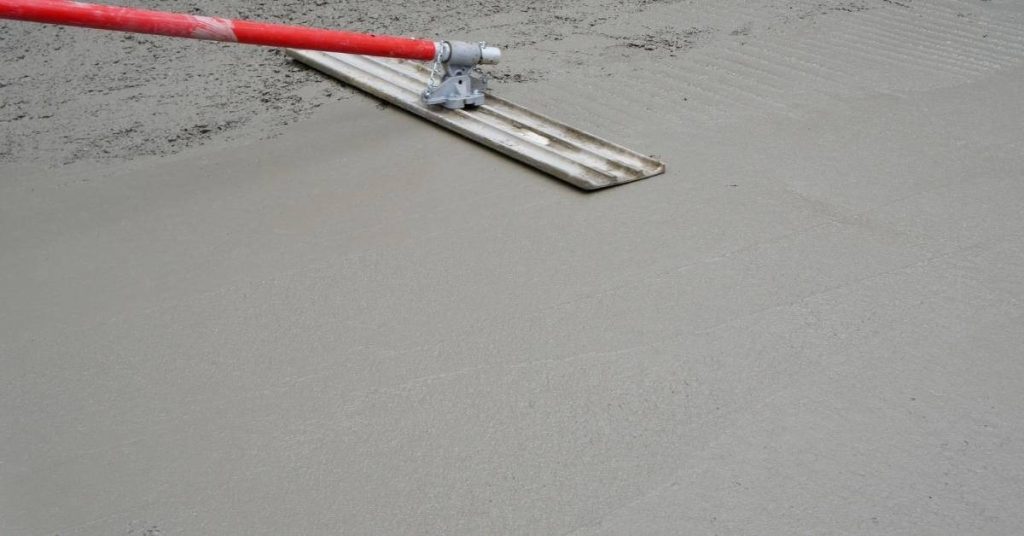
Concrete slab being smoothed with a long-handled screed tool

Scarifier vs grinder on concrete slabs: which tool makes a better overlay profile

Introduction Scarifier (floor planner) and grinder are two concrete tools that produce different overlay profiles. A scarifier removes material with rotating blades to flatten and roughen the surface for bonding. A grinder uses abrasive wheels to shave and finish the surface for a smoother edge. Understanding when each tool is appropriate helps avoid under- or

Scarifier vs grinder on concrete slabs: which tool makes a better overlay profile Read More »

Concrete wall forms with multiple braces and supports at construction site

Concrete form bracing checklist: the quick pre-pour inspection that prevents disasters

Introduction A concrete form bracing checklist is a quick, practical pre-pour verify-before-you-commit guide to ensure form supports and braces are secure. Use it to confirm the setup is stable, true, and ready for concrete placement. It also helps you spot gaps in formwork setup, reinforcement placement, and material readiness before you mix and pour. Start

Concrete form bracing checklist: the quick pre-pour inspection that prevents disasters Read More »

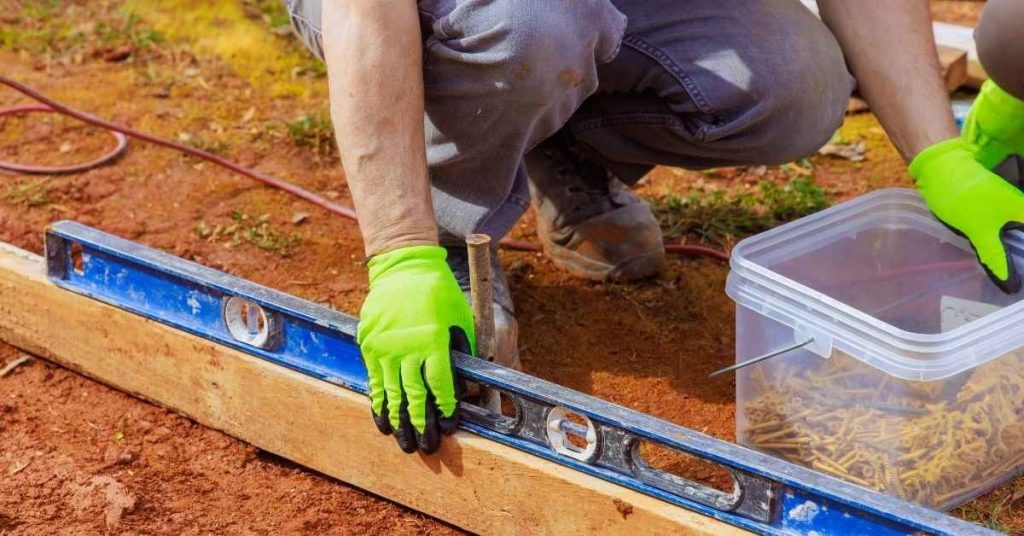
Person using level on wooden concrete form

Concrete form ties and snap ties: spacing rules and avoiding form blowouts

Introduction Form ties and snap ties are fasteners that hold concrete forms in place during pouring. They help keep the formwork tight and resist outward pressure. Use them according to manufacturer instructions and local rules to avoid failures. They come in several types and sizes, and selection depends on the project. Place and space them

Concrete form ties and snap ties: spacing rules and avoiding form blowouts Read More »

Close-up of drill bit drilling into concrete wall

Choosing a mixer for concrete and mortar: drill paddle vs mortar mixer vs tow-behind for your batch size

Introduction Choosing a mixer for concrete and mortar comes down to batch size and material, with drill paddles, stand-alone mortar mixers, and tow-behind units as common options. Drill paddles attach to a drill and work best for small jobs or light mixes, while dedicated mortar mixers and tow-behind models handle larger or tougher batches. Each

Choosing a mixer for concrete and mortar: drill paddle vs mortar mixer vs tow-behind for your batch size Read More »

Old mixing tub with concrete mixer paddle and tools inside

Mixing barrels and tubs for concrete and mortar: what lasts, what cracks, and the easiest cleanup routine

Introduction Mixing barrels and tubs refers to using sturdy containers to blend concrete or mortar on site. Different container materials wear differently under load and abrasion. This article outlines what tends to hold up, what can crack, and how to keep cleanup quick and straightforward. For cleanup, rinse and scrub while material is still soft,

Mixing barrels and tubs for concrete and mortar: what lasts, what cracks, and the easiest cleanup routine Read More »

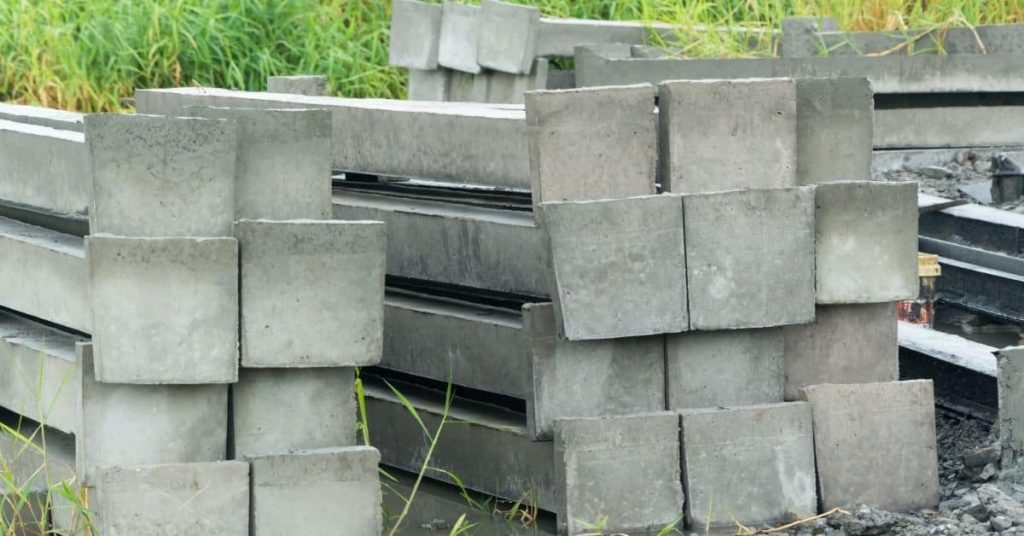
Stacked precast concrete columns outdoors on grass

Choosing a concrete form-release agent: what stains, what doesn’t, and how to apply evenly

Introduction A concrete form-release agent is a coating applied to forms to prevent concrete from sticking. Common types include liquid sprays or pours and powder blends, and the right choice depends on the form material, project size, and local guidance. Apply evenly according to the product instructions and consider timing to avoid gaps or buildup.

Choosing a concrete form-release agent: what stains, what doesn’t, and how to apply evenly Read More »

Electrical tools and measuring tape on circuit blueprint

Running electrical conduit through block: neat chases and patching that blends

Introduction Running electrical conduit through block is the process of routing conduit inside masonry walls and creating clean chases to hide it. Plan the route to minimise visible repairs and maintain wall strength. Check for hidden obstacles and follow safety and building guidelines when shaping the chase. After routing, patch the chase with material that

Running electrical conduit through block: neat chases and patching that blends Read More »

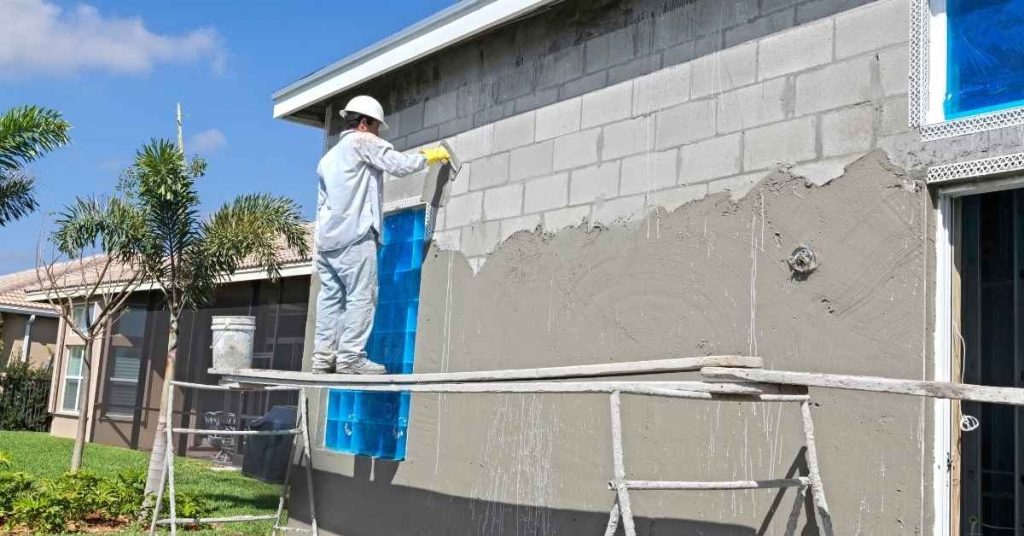
Worker applying stucco on cinder block wall outdoors

Parging vs stucco on block: prep, bonding, and avoiding delamination

Introduction Parging and stucco are two surface finishes for block walls, with parging being a thin cement-based coating and stucco a thicker, textured layer. Both aim to prevent moisture intrusion and create a smooth or textured exterior. The article compares prep, bonding, and how to avoid delamination in each method. Surface prep should start with

Parging vs stucco on block: prep, bonding, and avoiding delamination Read More »