Search Results for: disposal of cement waste

Close-up of a large crack in concrete slab surface

Concrete Crack Stitching With Staples: When It Works and How to Detail It

Introduction Concrete crack stitching with staples is a method that uses staples and epoxy to bridge and reinforce cracks in concrete. It’s most practical for non-structural cracks where movement is limited and the surface is accessible. Check product labels and local rules for epoxy and staple kit compatibility before starting. Typical materials to have on […]

Concrete Crack Stitching With Staples: When It Works and How to Detail It Read More »

Worker pouring concrete mix over steel rebar grid

DIY Grout-Style Mixes vs True Concrete: When High Sand Content Is Actually Stronger

Introduction Grout-style mixes with high sand content differ from true concrete in composition and how they cure. In some cases, more sand can bulk up the mix and feel stronger, but that doesn’t mean it works the same as real concrete in every situation. Always check the product label and manufacturer guidance to confirm sand

DIY Grout-Style Mixes vs True Concrete: When High Sand Content Is Actually Stronger Read More »

Close-up of fibrous gray insulation material texture

Perlite and Vermiculite Concretes: Lightweight Fills, Insulation Value, and Crush Limits

Introduction Perlite and vermiculite concretes are lightweight mixes made with expanded mineral fillers that increase porosity in cement. They can help reduce weight and add some insulation value for fills, beds, or non-structural applications. Check the product label for how they’re intended to be used and what the mix recommends for your project. In DIY

Perlite and Vermiculite Concretes: Lightweight Fills, Insulation Value, and Crush Limits Read More »

Cracked white mortar on red brick wall in sunlight

Latex (SBR) Modifiers in Repair Mortars: Strength Gains vs Breathability Losses

Introduction Latex (SBR) modifiers are synthetic rubber additives used in repair mortars to improve flexibility and adhesion. They help the mortar resist cracking as concrete moves, but they can reduce breathability if overused. Always check the product label and manufacturer instructions for recommended usage and cure expectations. In textile-reinforced mortars (TRMs), SBR modifiers can boost

Latex (SBR) Modifiers in Repair Mortars: Strength Gains vs Breathability Losses Read More »

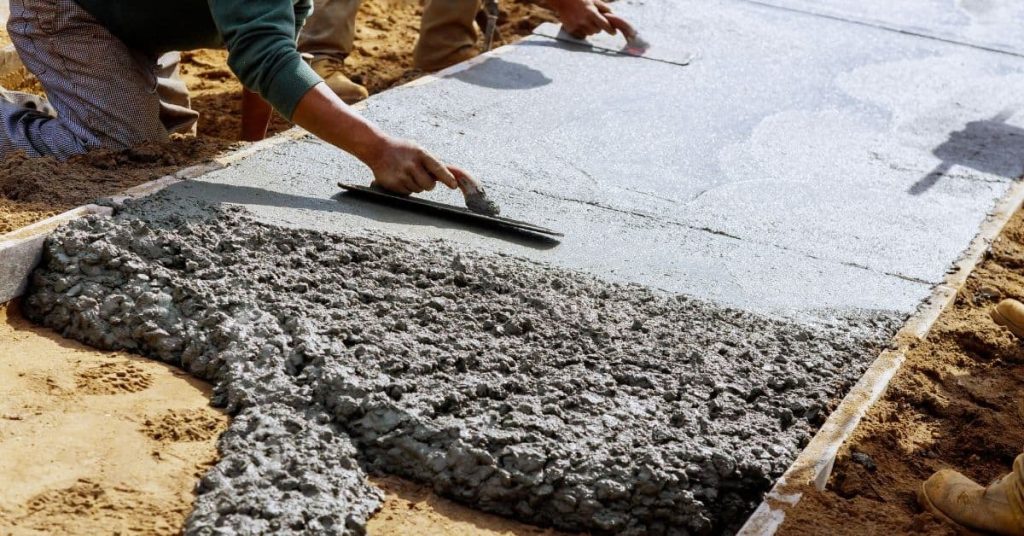
Hands smoothing wet concrete with trowels on a slab

Basalt Fibers vs Polypropylene Fibers: Crack Control, Finishing, and Cost Tradeoffs

Introduction Basalt fibers and polypropylene fibers are two concrete add-ons that help crack control and finishing, with different costs and handling requirements. In practice, the choice comes down to how you mix, place, and finish the concrete, plus how much you’re willing to pay for long-term durability. Always check the manufacturer instructions and local rules

Basalt Fibers vs Polypropylene Fibers: Crack Control, Finishing, and Cost Tradeoffs Read More »

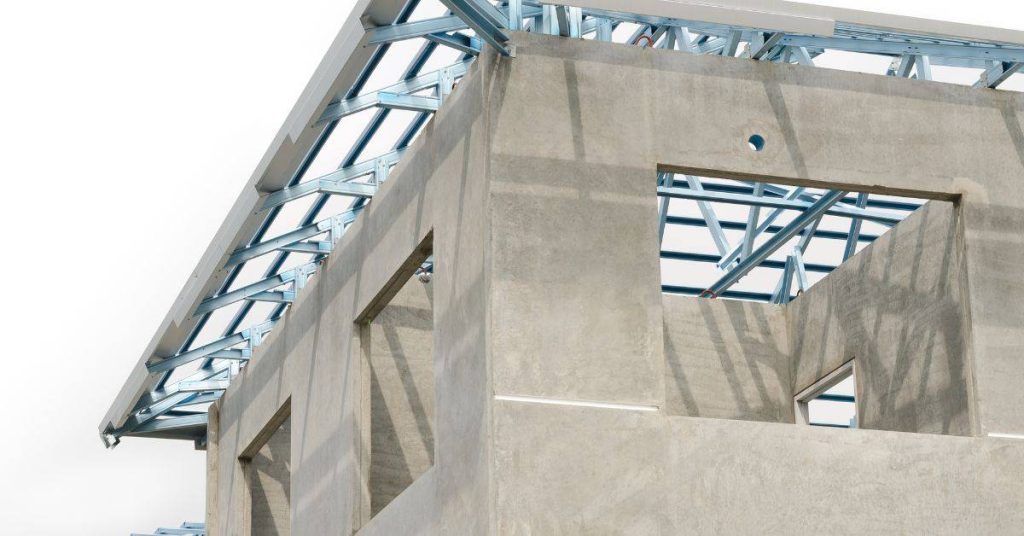
Concrete precast wall under metal roof framework construction site

Water Quality for Concrete: Chlorides, Sulfates, and Why ‘Clean’ Isn’t Always Safe

Introduction Water quality for concrete means using water free of contaminants that can weaken or damage the mix. Chlorides and sulfates in water can affect set, strength, and durability, so test or check labels and manufacturer guidance. In DIY terms, treat water like part of the recipe you must verify before mixing. There are standards

Water Quality for Concrete: Chlorides, Sulfates, and Why ‘Clean’ Isn’t Always Safe Read More »

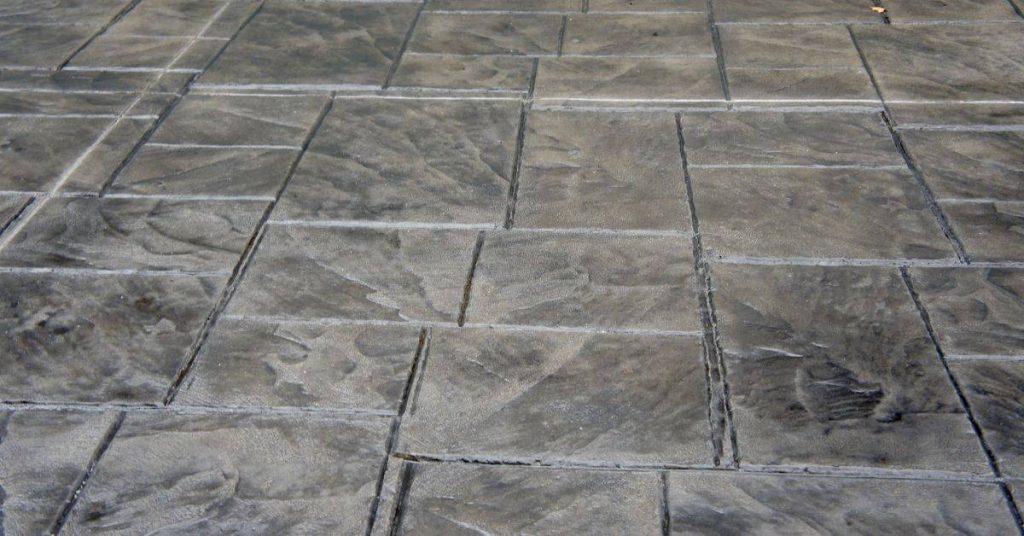
Stamped concrete patio surface with rectangular patterns

Dye Penetrant for Hairline Cracks in Concrete: Finding What You Can’t See

Introduction Dye penetrant testing is a simple non-destructive method to reveal hairline cracks in concrete that you can’t see with the naked eye. This article explains what it is, how it works at a DIY level, and what you can safely check yourself. You’ll get a plain, hands-on look at when to consider this method

Dye Penetrant for Hairline Cracks in Concrete: Finding What You Can’t See Read More »

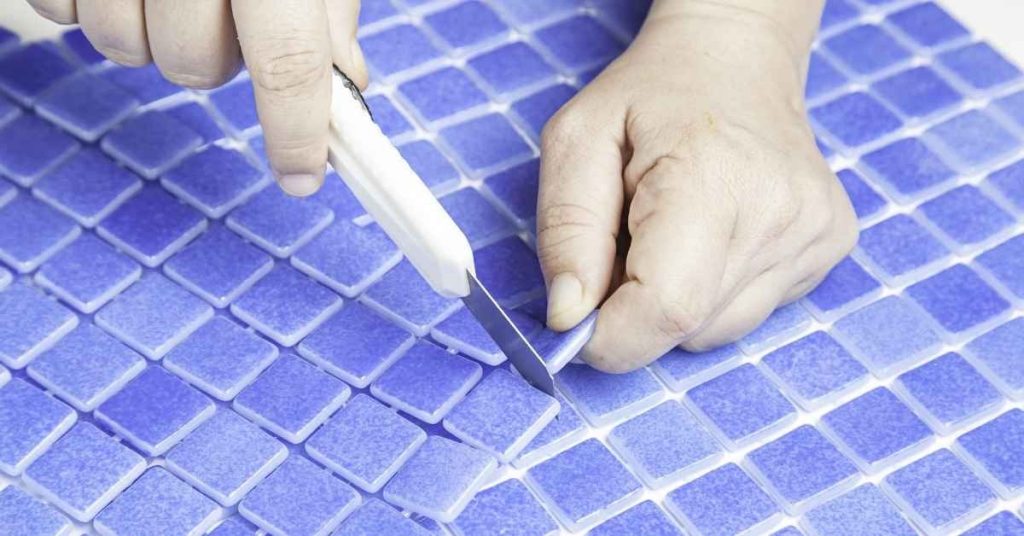
Hands cutting small blue glass mosaic tiles with a knife

Using Crushed Glass as Aggregate: ASR Risk, Mitigation, and Surface Finish

Introduction Crushed glass as aggregate is using recycled glass pieces as the rock substitute in concrete. There is an alkali-silica reaction risk with crushed glass, which varies with glass type, particle size, and the concrete mix. Always check product labels, supplier instructions, and local rules for ASR guidance and suitability. Mitigation strategies include choosing less

Using Crushed Glass as Aggregate: ASR Risk, Mitigation, and Surface Finish Read More »

Stacked hollow core concrete slabs outdoors

Recycled Concrete Aggregate (RCA) for Slabs: Gradation, Water Demand, and Pop-Out Risk

Introduction RCA for slabs is crushed concrete from demolished pavement or structures that you reuse as aggregate. You’ll typically screen and wash it to remove fines before it finds a place in a slab mix. Use it where the mix and compaction are appropriate and check local rules. Gradation and water demand depend on how

Recycled Concrete Aggregate (RCA) for Slabs: Gradation, Water Demand, and Pop-Out Risk Read More »