Search Results for: disposal of cement waste

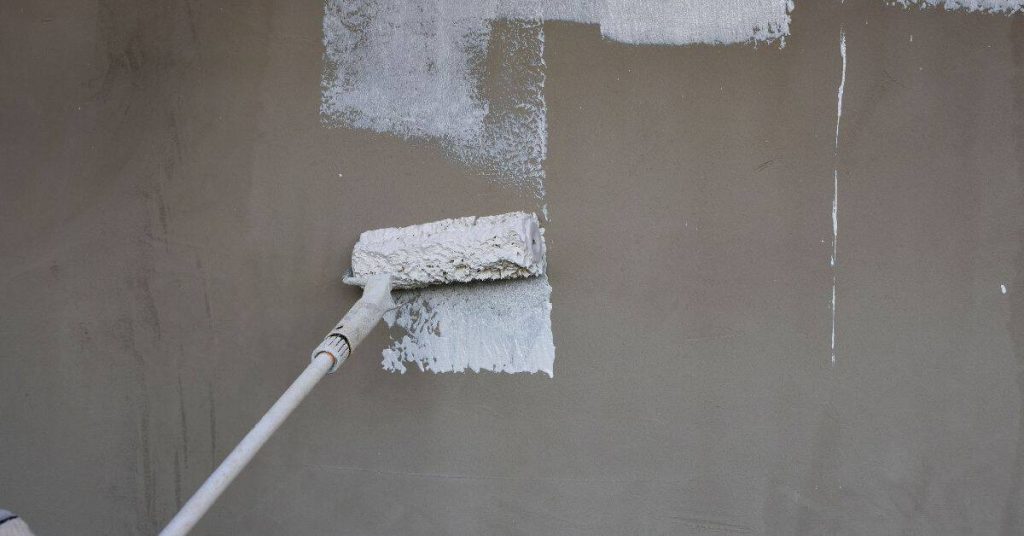
Paint roller applying white paint on brown stucco wall

Elastomeric Paint Over Hard Coat Stucco: When It Bridges Cracks and When It Blisters

Introduction Elastomeric paint over hard coat stucco is a flexible coating designed to bridge small cracks in the surface. It can improve weather resistance but may blister if the surface is dirty, damp, or improperly prepped. Proper prep and careful application are essential to a durable coat. Preparation and proper application are key to avoiding […]

Elastomeric Paint Over Hard Coat Stucco: When It Bridges Cracks and When It Blisters Read More »

Black freestanding bathtub on dark floor with faucet stool and plant

Concrete Birdbath Waterproofing: Coatings vs Liners and Maintenance Reality

Introduction Waterproofing a concrete birdbath involves choosing between coatings and liners to keep water in and debris out. Coatings seal the surface, while liners create a separate interior barrier—each has pros and cons you can verify on product labels. You’ll want to compare how durable, easy to install, and repairable each option is for your

Concrete Birdbath Waterproofing: Coatings vs Liners and Maintenance Reality Read More »

Corded angle grinder lying on dusty concrete floor

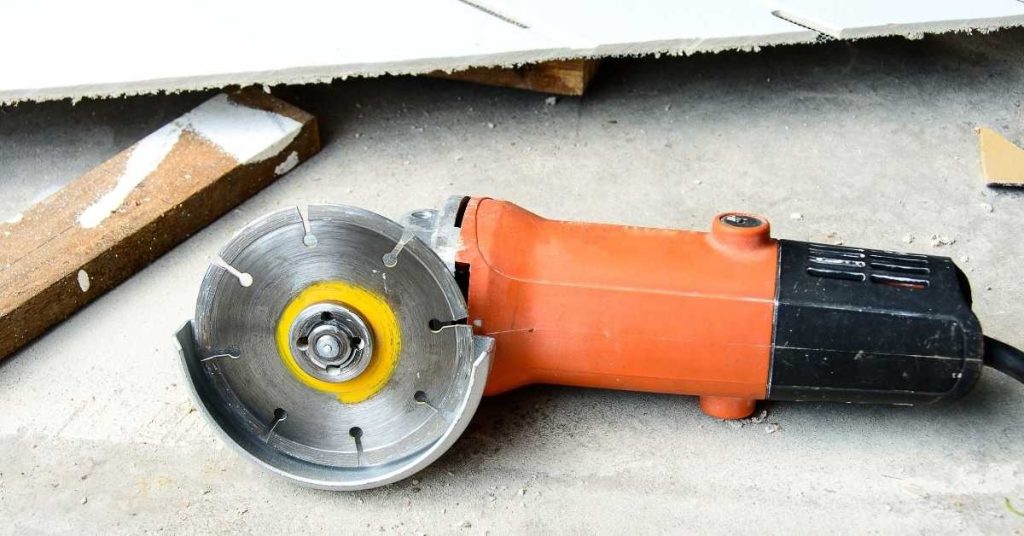
How to Avoid Grinder ‘Swirl Marks’: Technique, Tool Path, and When to Cross-Hatch

Introduction Grinder swirl marks are fine scratches left by abrasive motion, and you avoid them with the right technique. Choose the right grinder and disk for the wood task, keep the surface clean, and maintain steady, even pressure. Work in small, overlapping passes and check your progress often before moving to a finer abrasive. Use

How to Avoid Grinder ‘Swirl Marks’: Technique, Tool Path, and When to Cross-Hatch Read More »

Electric concrete cutting angle grinder resting on curb

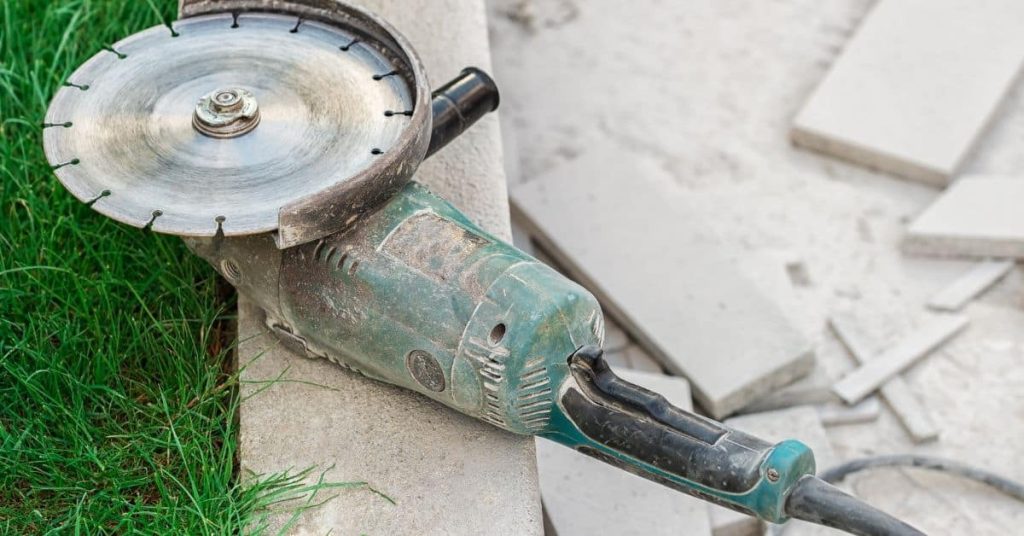
Concrete Sawcut Dust Control: Dry vs Wet Cutting and How to Protect Indoor Spaces

Introduction Dry cutting creates concrete dust that must be controlled, while wet cutting uses water to suppress dust. This article gives a practical, hands-on look at how each method works in real spots around the house. You’ll see what to check on equipment and what to expect when cutting indoors vs outdoors. We’ll cover how

Concrete Sawcut Dust Control: Dry vs Wet Cutting and How to Protect Indoor Spaces Read More »

Concrete formwork with steel rebar reinforcement at construction site

Concrete Accelerator for DIY: Picking Non-Chloride Types and Avoiding Soft Surfaces

Introduction A concrete accelerator is an additive that speeds up the setting and hardening of concrete without relying on chlorides. For DIY use, look for non-chloride formulations and read the label to confirm compatibility with your mix and any additives you plan to use. Always follow manufacturer instructions and check local rules if you plan

Concrete Accelerator for DIY: Picking Non-Chloride Types and Avoiding Soft Surfaces Read More »

Concrete floor with large water puddle near wall

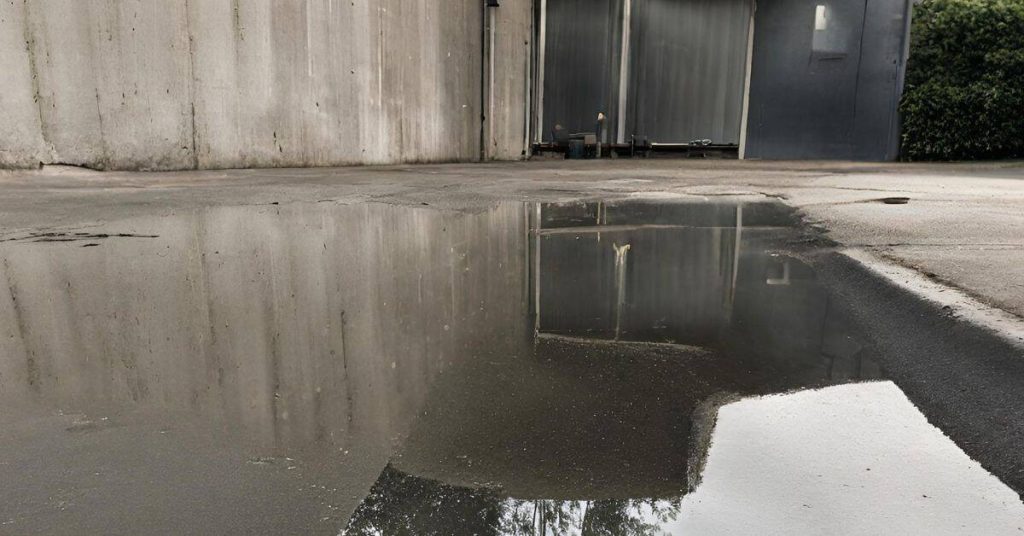
Concrete Dark Spots After Cure: Water, Curing Plastic, or Contamination—How to Tell

Introduction Dark spots on cured concrete usually indicate moisture issues, improper curing, or contamination. This article will help you tell which cause is at play and what to check on a DIY jobsite. We’ll cover practical signs to look for and simple checks you can do with common tools. Curing methods include keeping moisture with

Concrete Dark Spots After Cure: Water, Curing Plastic, or Contamination—How to Tell Read More »

Concrete wall formwork with bracing supports at construction site

How to Fix Concrete That Starts Dusting Early: Curing Mistakes and Densifier Options

Introduction Dusting concrete early means the surface is wearing away, leaving a chalky film. It often comes from curing mistakes that kept the slab too dry or too wet during early hardening. This basic guide covers how to spot it and what you can do next. Densifiers and similar surface hardeners can help bind the

How to Fix Concrete That Starts Dusting Early: Curing Mistakes and Densifier Options Read More »

Gloved hand smoothing fresh concrete slab with trowel

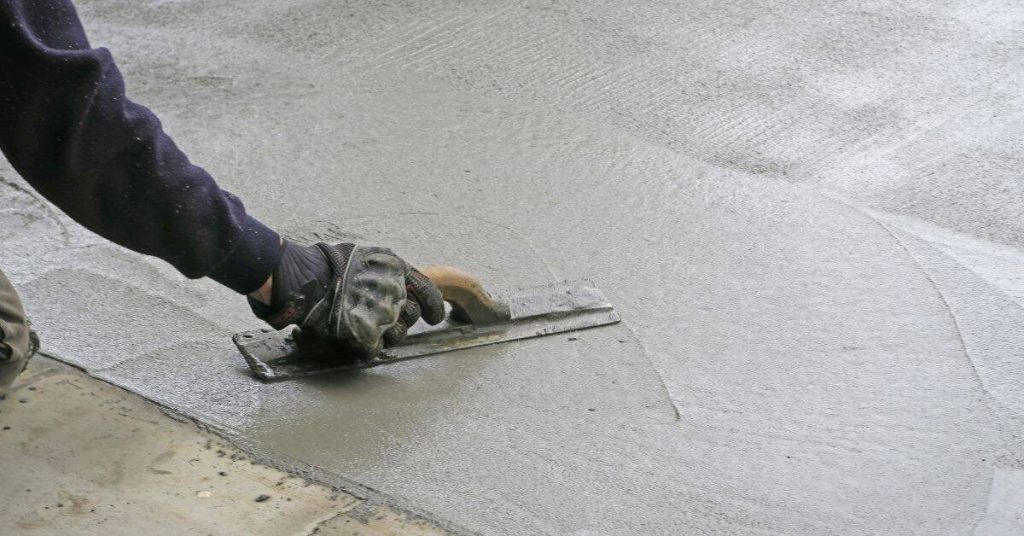
How to Prevent Pigment Streaks in Concrete: Mixing Order and Shear Time That Matters

Introduction Pigment streaks come from how you mix the pigment and how long you keep the mix moving. The mixing order and the amount of shear time you use matter a lot for a uniform color. Keep it practical and observe what the product instructions and local rules say to check for your mix. Start

How to Prevent Pigment Streaks in Concrete: Mixing Order and Shear Time That Matters Read More »

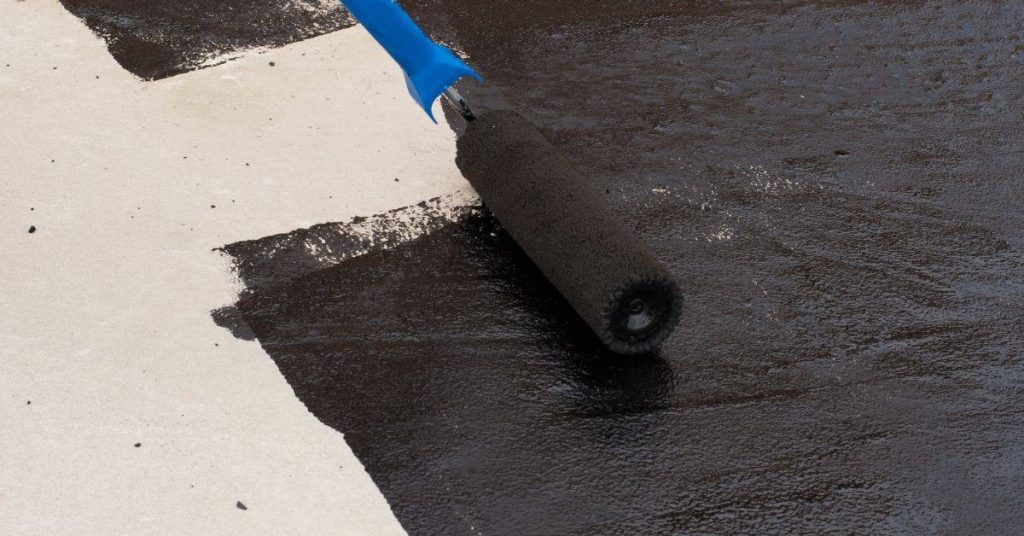
Paint roller applying black sealer on concrete surface

Sealer Whitening After Rain: Why It Happens and How to Restore Clarity

Introduction Sealer whitening after rain is when moisture causes a cured sealant to look milky or cloudy. This happens as water interacts with the film, surface textures, and how the sealant set. If whitening sticks around, check the product instructions and local rules for guidance. To restore clarity, start by letting the area dry completely

Sealer Whitening After Rain: Why It Happens and How to Restore Clarity Read More »