Search Results for: disposal of cement waste

closeup of textured light gray stucco wall surface

Sprinkler Damage on Stucco: Salt, Staining, and Long-Term Protection

Introduction Sprinkler damage on stucco is the salt and water-related staining and surface effects caused by sprinkler spray. Sprinkler spray can leave salty deposits, efflorescence, and moisture issues on stucco. This article covers how to spot salt staining, what causes it, and why sealing can help protect the surface. Look for white, powdery deposits, dark […]

Sprinkler Damage on Stucco: Salt, Staining, and Long-Term Protection Read More »
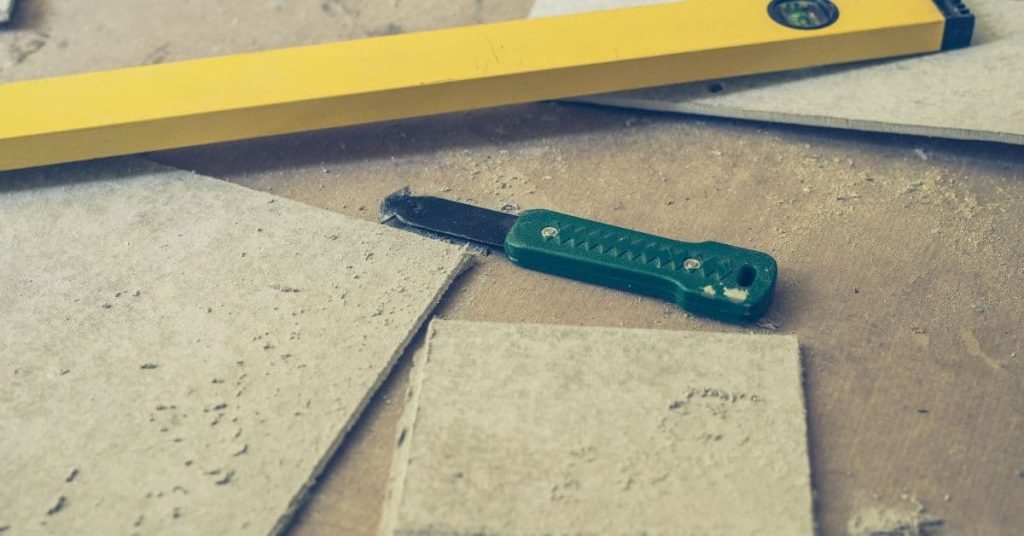
utility knife and level on concrete board pieces

Cutting a Utility Trench Through Concrete: Sawcut, Demo, and Patching Back to Flat

Introduction A utility trench through concrete is a narrowed channel cut into concrete to install or access services. Do this with care by planning the path, selecting the right tools, and sizing expectations for the demo and patch. You’ll be cutting, removing, and cleaning as you go, keeping safety and local rules in mind. Start

Cutting a Utility Trench Through Concrete: Sawcut, Demo, and Patching Back to Flat Read More »

Polished concrete floor reflecting overhead lights and columns

Concrete Densifiers for DIY: Lithium vs Sodium Silicate and What Can Go Wrong

Introduction Lithium and sodium silicate densifiers are concrete surface treatments that harden the top layer by penetrating and sealing the pores. They can help reduce dust, improve spill resistance, and give a subtle finish, but the best choice depends on your concrete and environment. Always check the product label and follow the manufacturer instructions, and

Concrete Densifiers for DIY: Lithium vs Sodium Silicate and What Can Go Wrong Read More »

Two melting ice cubes on white surface with water pool

Slip-Resistant Sealed Concrete: Additives, Etch Profiles, and Easy Traction Tests

Introduction Slip-Resistant Sealed Concrete means using a sealant combined with additives and surface treatment to reduce slipping. Key takeaways Choose slip-resistant additives compatible with your sealer and traffic level. Etch profiles improve adhesion; follow manufacturer instructions and test patch first. Conduct simple traction checks after cure using deliberate dragging and toe-walking tests. Protect cured surfaces

Slip-Resistant Sealed Concrete: Additives, Etch Profiles, and Easy Traction Tests Read More »

Mortar mixing bucket with drill mixer attachment and tools inside

Brick Mortar Mixing in Small Batches: Consistent Water, Consistent Results

Introduction Small-batch brick mortar mixing means keeping the same amount of water in each mix so the mortar behaves the same every time. That consistency helps you get uniform workability and a solid mortar bed. Work in clean buckets, keep tools handy, and adjust only as needed to maintain that consistent texture. To keep batches

Brick Mortar Mixing in Small Batches: Consistent Water, Consistent Results Read More »

Worker smoothing fresh plaster wall wearing helmet and mask

Fresco vs Limewash on Fresh Plaster: What’s Possible and What Isn’t

Introduction Fresco involves pigments mixed into plaster as it cures, while limewash is pigment suspended in lime that you apply to the surface. On fresh plaster, the timing and technique you use will influence how well each method sticks and how the final look develops. This article gives a plain‑spoken DIY overview of what each

Fresco vs Limewash on Fresh Plaster: What’s Possible and What Isn’t Read More »

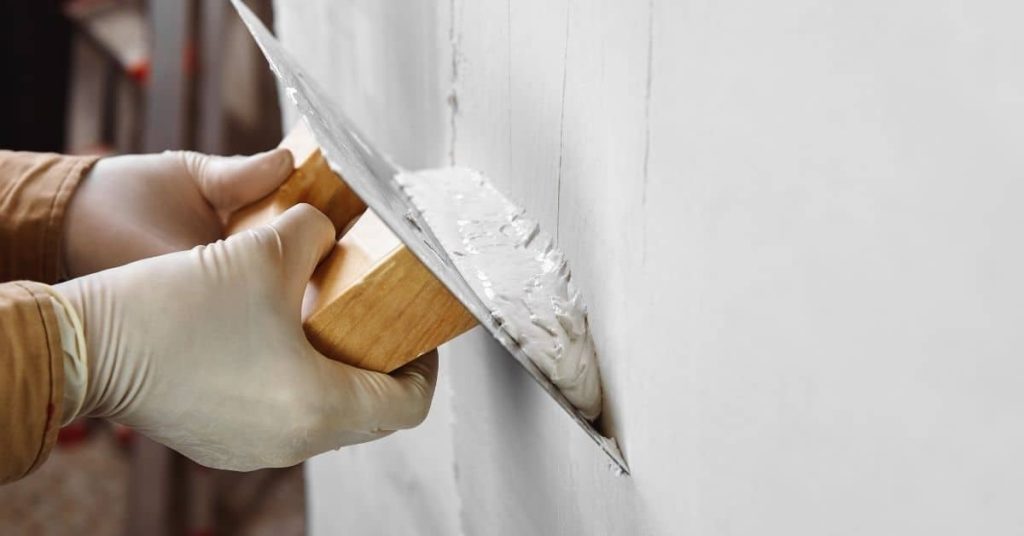
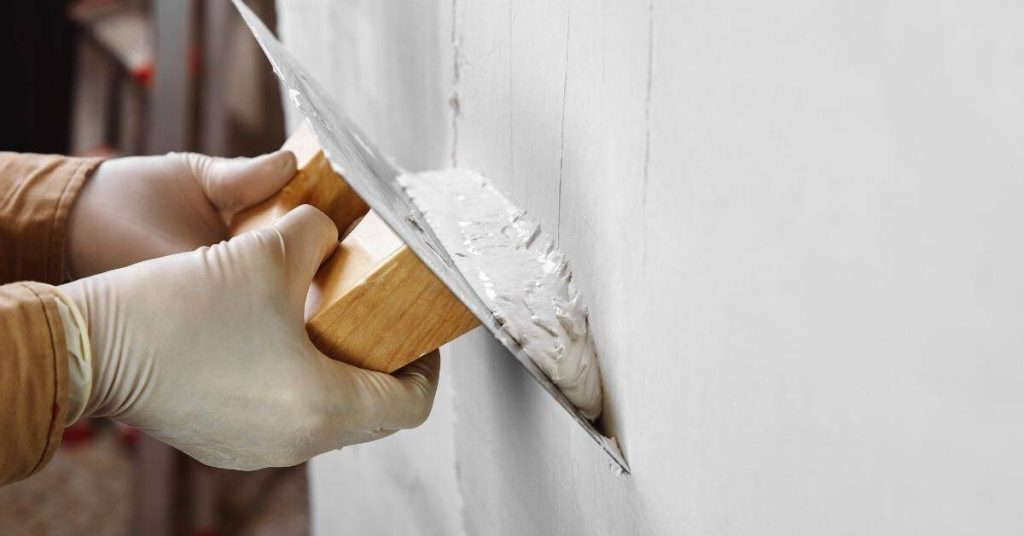
Gloved hands applying plaster on wall with trowel

Gypsum Over Lime Plaster: Compatibility Traps and Smart Primers

Introduction Gypsum over lime plaster is when you apply gypsum-based finish over a lime plaster substrate, which calls for checking compatibility first. Lime and gypsum cure differently, so mismatches can cause peeling or cracking, and a proper primer or bond coat helps. Plan your prep and follow manufacturer or product guidance for the exact steps.

Gypsum Over Lime Plaster: Compatibility Traps and Smart Primers Read More »

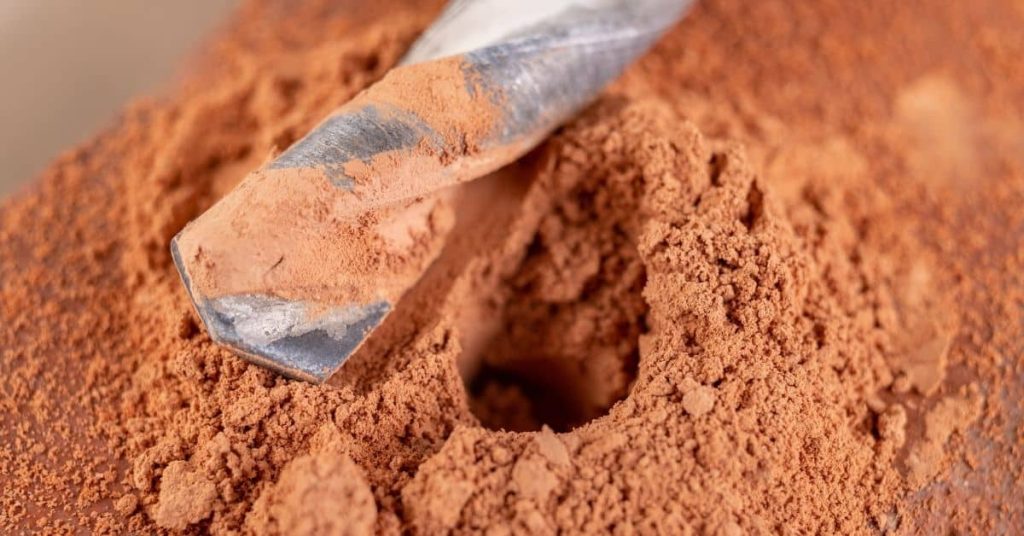
Close up of drill bit covered in red dust powder

Plaster Dust Control for Small Jobs: Containment, Venting, and Cleanup That’s Livable

Introduction Plaster dust control means keeping dust confined, vented, and cleaned so a small job stays livable. Set up a defined work area with barriers or plastic, cover floors, and contain the dust to the room you’re working in. Wear appropriate PPE like a dust mask, eye protection, and gloves, and remove loose clothing to

Plaster Dust Control for Small Jobs: Containment, Venting, and Cleanup That’s Livable Read More »

Hands wearing gloves applying plaster with a trowel on wall

Interior Limewash on Plaster: Prep, Multi-Coat Technique, and Blotch Fixes

Introduction Interior limewash on plaster is a breathable, traditional finish applied in thin coats to even color and texture. Prep steps include cleaning the wall, dampening the surface, repairing cracks, and applying a compatible breathable primer. Always check the primer and limewash compatibility on the product label or with the manufacturer instructions. Apply multiple thin

Interior Limewash on Plaster: Prep, Multi-Coat Technique, and Blotch Fixes Read More »

Exterior building wall with scaffolding and stucco application in progress

Stucco Lath Fasteners That Last: Corrosion, Length, and Avoiding Loose Walls

Introduction Stucco lath fasteners are the hardware that attach exterior stucco lath to the framing and keep the wall solid. They come in several styles for different substrates, so you should pick ones that fit your lath and backing material. Check the label or manufacturer guidance to ensure corrosion resistance and proper compatibility with your

Stucco Lath Fasteners That Last: Corrosion, Length, and Avoiding Loose Walls Read More »