Search Results for: disposal of cement waste

Empty room with smooth polished concrete floor and large windows

Fixing a Bad Concrete Broom Finish: Rescue Tricks for Chatter Marks, Streaks, and Overworked Slabs

Introduction A bad concrete broom finish is an uneven, rough texture on a broom-finished slab with chatter marks and streaks. This article offers practical, hands-on techniques to smooth out the look while preserving the surface integrity. For DIY fixes, assess the surface and plan a remediation approach with simple tools and safe methods. Check guidelines […]

Fixing a Bad Concrete Broom Finish: Rescue Tricks for Chatter Marks, Streaks, and Overworked Slabs Read More »

Concrete columns with exposed rebar against sky

Matching Old Exposed Aggregate Concrete: Patching, Extensions, and Blending Stone Mixes

Introduction Matching old exposed aggregate concrete means repairing and extending the surface so new material blends with the existing exposed aggregate. This hands-on approach focuses on color, texture, and the way stones recess with the surrounding mix. Take time to assess the current finish and plan how patching or extensions will align with the original

Matching Old Exposed Aggregate Concrete: Patching, Extensions, and Blending Stone Mixes Read More »

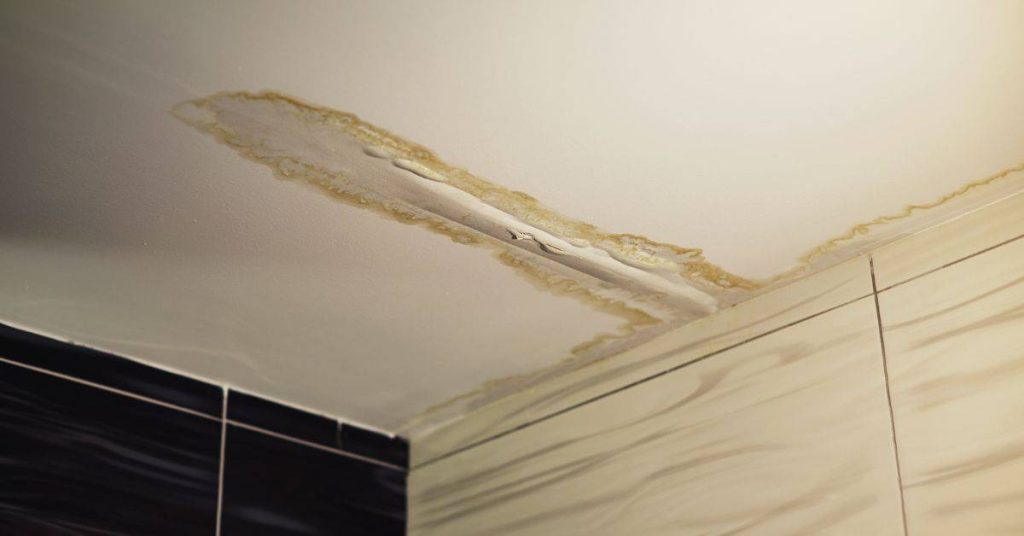
Ceiling with water stains and peeling paint near tiles

Choosing the right concrete crack repair for your situation: movement, width, and water

Introduction The right repair depends on how the crack moves, how wide it is, and whether water is getting through. Key takeaways Assess movement versus static cracks to guide repair method choices and timing. Measure crack width approximately and note tolerance to determine suitable filler and injection. Address water infiltration first: seal active leaks before

Choosing the right concrete crack repair for your situation: movement, width, and water Read More »

earmuffs safety glasses and work gloves on white background

Bonding to old work: scarify vs grind vs acid (and why acid often disappoints)

Introduction Scarify, grind, or acid etch are methods to roughen old concrete to improve bonding for new toppings. Scarifying uses a rotating drum or blade to chip away the surface and create a rough profile, while grinding removes material with a diamond blade to level the surface. Acid etching chemically bites into the surface but

Bonding to old work: scarify vs grind vs acid (and why acid often disappoints) Read More »

Empty garage with concrete floor and closed metal door

Dusty garage slabs: when sweeping and densifiers help and when resurfacing is the only fix

Introduction Dusty garage slabs are concrete floors that shed fine dust from the surface as you walk on them. Causes include worn surface, moisture, and exposure to chemicals or abrasion from vehicles and tools. Keeping the area swept and free of grit helps you see how bad the dust problem is and what needs doing

Dusty garage slabs: when sweeping and densifiers help and when resurfacing is the only fix Read More »

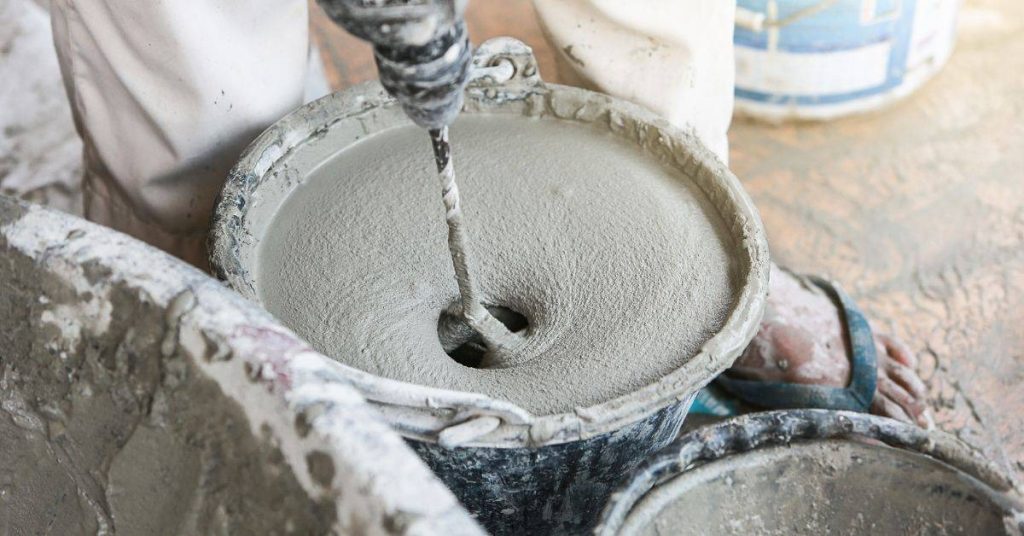
electric drill mixing cement in a bucket on dusty floor

Small-batch mixing: keeping ratios honest with buckets and a cheap scale

  Introduction Small-batch mixing means measuring everything in tiny, consistent portions so ratios stay true when you mix in buckets with a cheap scale. Keep it simple: use one bucket per component, tare the scale, and double-check labels before you start. Plan a batch size you can manage, and write down your target ratios in

Small-batch mixing: keeping ratios honest with buckets and a cheap scale Read More »

Concrete wall formwork supported by braces at construction site

Form oil and release agents: the types that stain and how to avoid fish-eyes

Introduction Form oils and release agents are coatings applied to forms to prevent concrete from sticking. They can stain if the wrong type is used or if the application is uneven. Check the label and follow the manufacturer’s instructions to choose the right option for your form material. To avoid fish-eyes, test a small area

Form oil and release agents: the types that stain and how to avoid fish-eyes Read More »

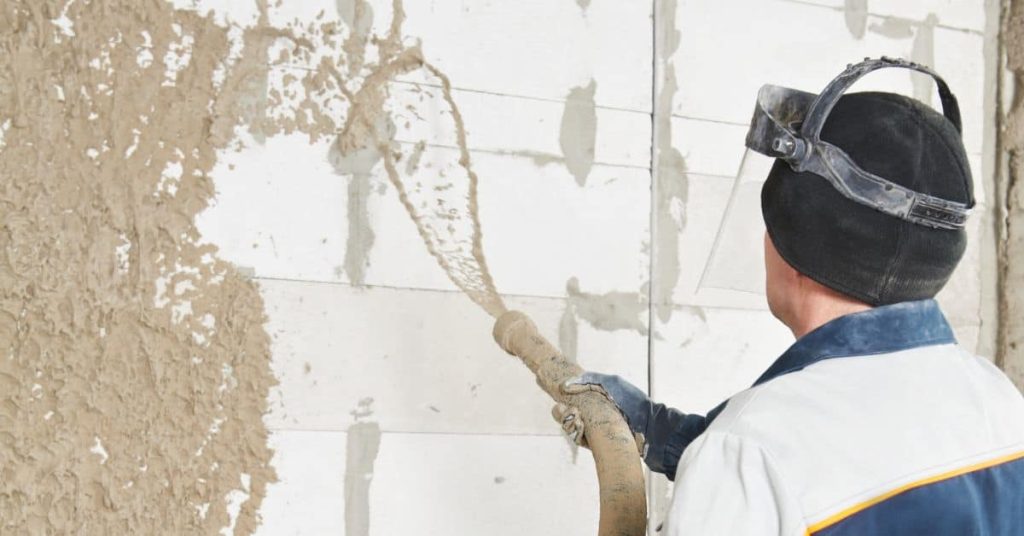
Worker spraying wet stucco onto wall surface

Clear Breathable Sealers for Colored Stucco: When to Seal and When to Leave It Alone

Introduction Clear breathable sealers let moisture escape from stucco while preserving its color. As a DIYer, you want to understand when a finish is appropriate and when it’s better to skip it. This article gives a practical, hands-on view of sealing colored stucco without turning it into a mystery. Surface prep matters: clean, dry, and

Clear Breathable Sealers for Colored Stucco: When to Seal and When to Leave It Alone Read More »

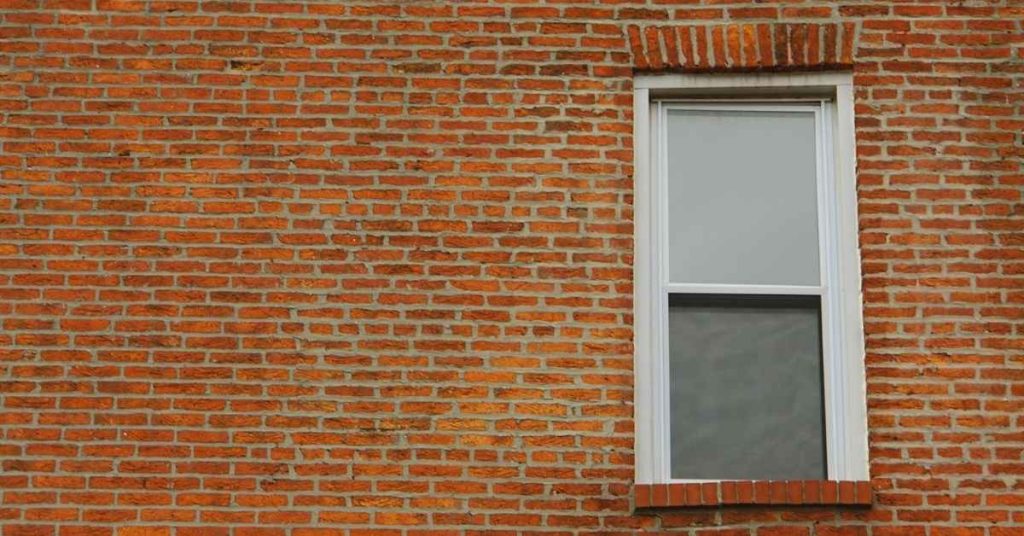
Brick wall with window and brick lintel above

Replacing a Rusted Brick Lintel: Supporting the Wall and Preventing Future Stains

Introduction Replacing a rusted brick lintel means removing the corroded support above an opening and installing a proper replacement to keep the wall carrying loads. Before you touch it, set up temporary shoring to hold the wall while you work, and inspect the surrounding brick and mortar for damage. Check local rules and the manufacturer’s

Replacing a Rusted Brick Lintel: Supporting the Wall and Preventing Future Stains Read More »