Search Results for: disposal of cement waste

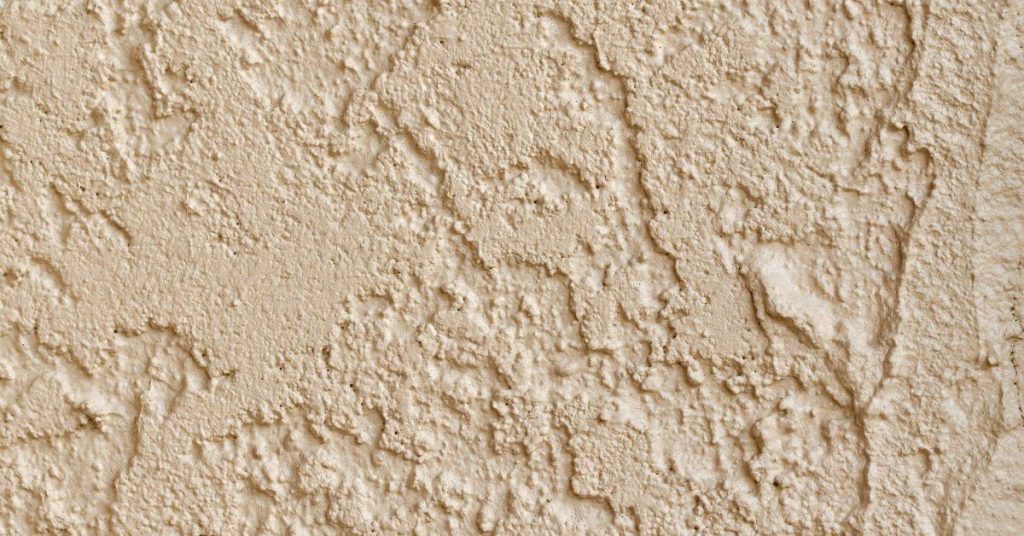
Closeup of beige textured stucco wall surface

Efflorescence on colored stucco: cleaning without bleaching or streaking the finish

Introduction Efflorescence on colored stucco is mineral salts that migrate to the surface and form a white, powdery or crusty residue. It signals salts moving through the wall from within the substrate or from moisture in the wall. The appearance doesn’t reflect color fade in the finish itself, but a surface phenomenon you can address […]

Efflorescence on colored stucco: cleaning without bleaching or streaking the finish Read More »
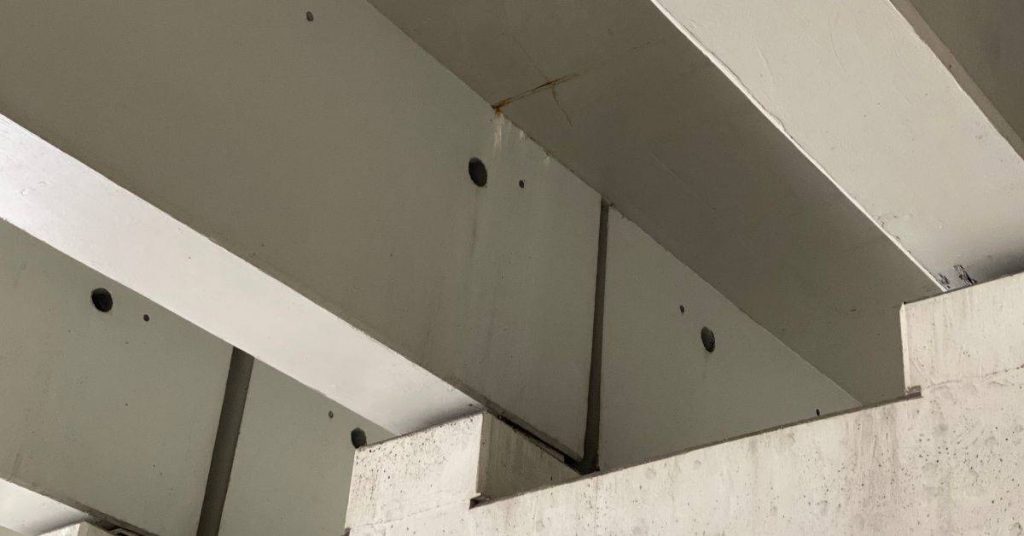
Concrete beam to column connection with visible dark stains

Form oil and release agents for concrete: the types that stain and how to avoid fish-eyes

Introduction Form oils and release agents are substances applied to formwork to prevent concrete from sticking and to aid removal. Different types exist, including simple mineral oil-based products and water-based releases. Choose the type based on finish goals and compatibility with the form materials and concrete. Some agents can stain the surface if residues remain

Form oil and release agents for concrete: the types that stain and how to avoid fish-eyes Read More »

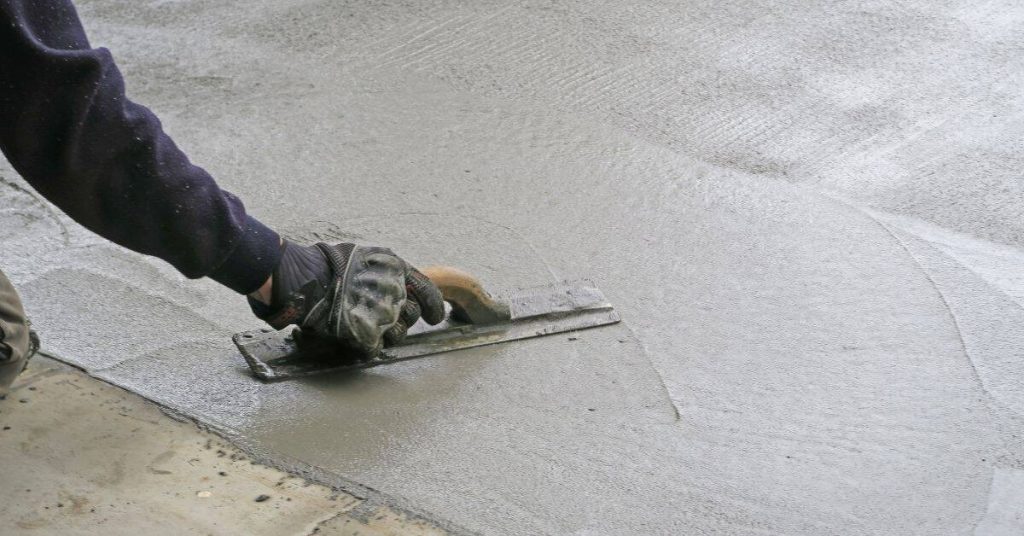
Worker smoothing fresh concrete slab with trowel

Laitance on fresh concrete pours: quick tests and the right removal method before coatings

Introduction Laitance is the thin, weak film of cement and fine particles that rises to the surface of freshly poured concrete. It forms when fines and moisture push to the top, leaving a smooth but poor bonding layer. Quick checks include a light skim with a dull tool or a damp wipe to feel for

Laitance on fresh concrete pours: quick tests and the right removal method before coatings Read More »

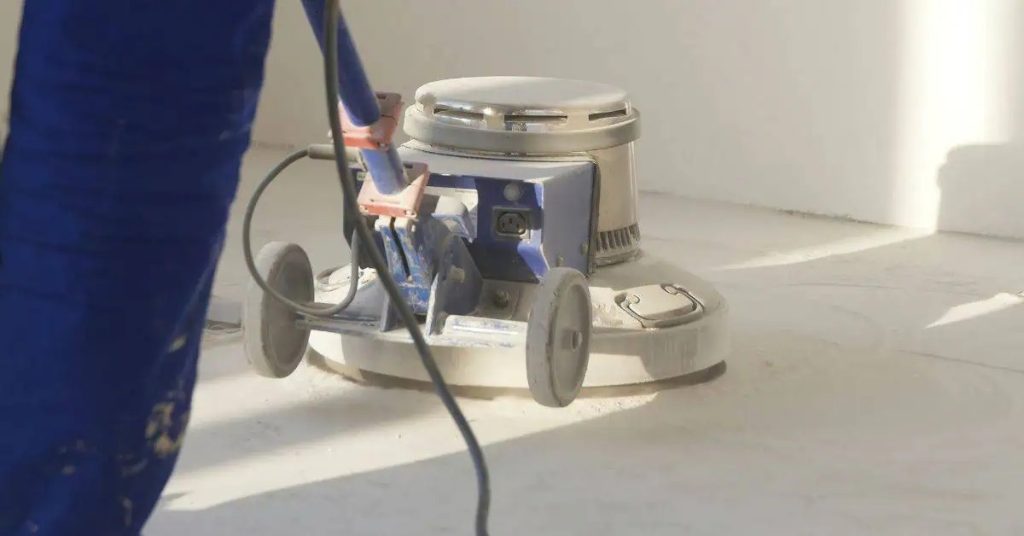
Concrete floor polishing machine on smooth concrete surface

Bonding new concrete to old work: scarify vs grind vs acid (and why acid often disappoints)

Introduction Scarify, grind, and acid are surface-prep methods used to promote bonding between new concrete and old work. Choosing the right method depends on the old surface condition and the project, and acid often disappoints if not applied carefully. This article explains practical choices in plain language and what to expect when you prep for

Bonding new concrete to old work: scarify vs grind vs acid (and why acid often disappoints) Read More »

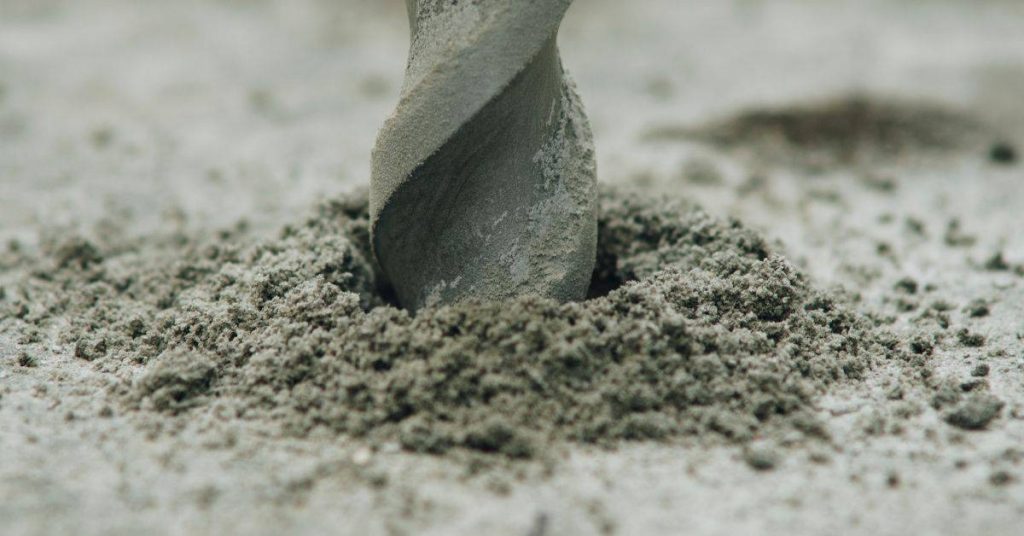
Close-up of a drill bit drilling into concrete with dust

Anchor Bolts in Concrete That Landed Wrong: Drill-and-Epoxy Fixes and Layout Prevention

Introduction If an anchor bolt landed wrong in concrete, drilling and epoxy can correct the install and restore holding strength. This hands-on guide walks through practical steps for re-anchoring and preventing misalignment when you’re handling pallet racks. You’ll learn how to evaluate the situation, choose a repair approach, and proceed safely on site. focus> Key

Anchor Bolts in Concrete That Landed Wrong: Drill-and-Epoxy Fixes and Layout Prevention Read More »

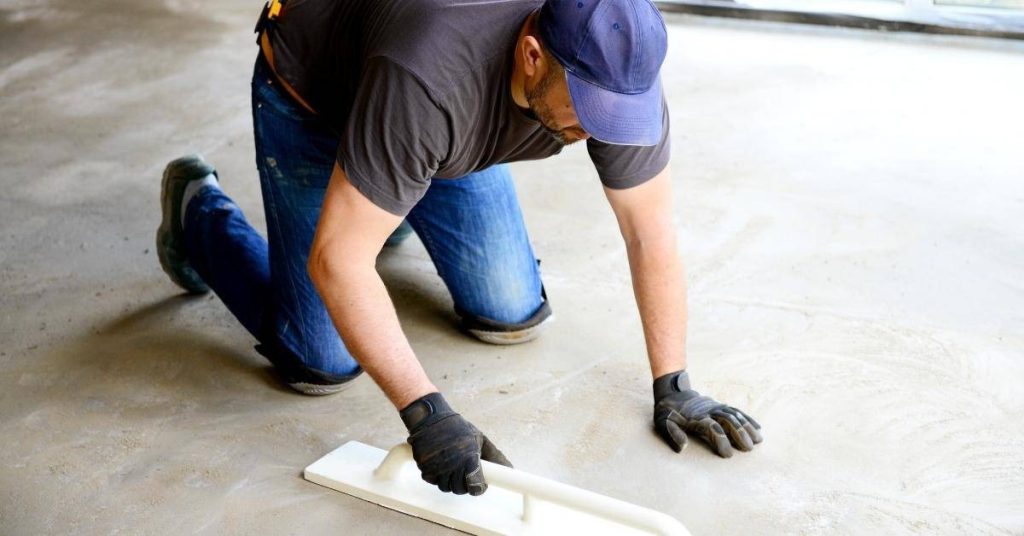
Worker smoothing new concrete floor with hand float

Bonding New Concrete to Old Work: Scarify Vs Grind Vs Acid (and Why Acid Often Disappoints)

Introduction Bonding new concrete to old work means preparing the surface so fresh concrete will adhere to an existing slab. Scarify, grind, and acid-etch are common surface-prep options, each with its own trade‑offs. Understanding when to use each method helps you avoid weak bonds and failed pours. Scarifying provides a mechanical key by roughening the

Bonding New Concrete to Old Work: Scarify Vs Grind Vs Acid (and Why Acid Often Disappoints) Read More »

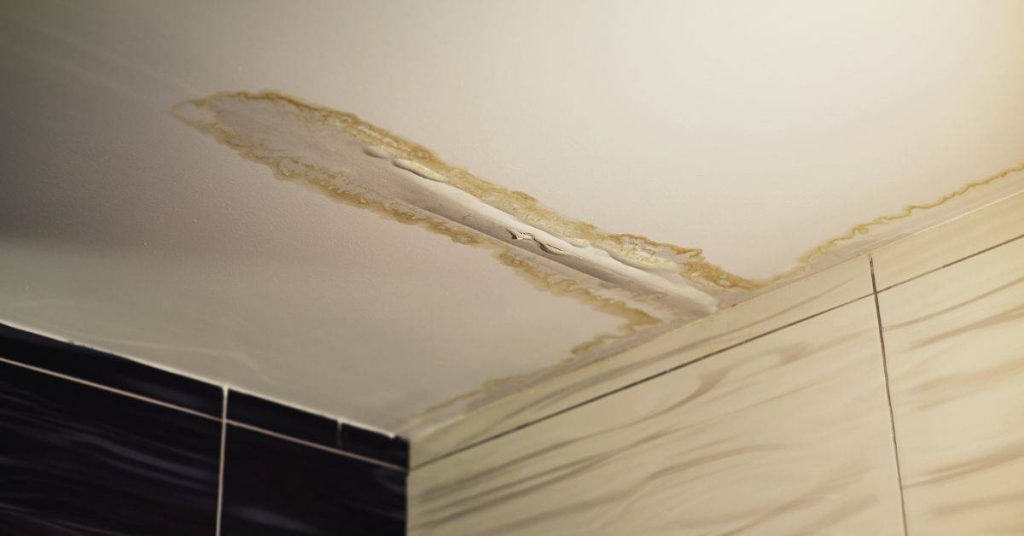
Ceiling with water stains and damage near corner tiles

Choosing the Right Concrete Crack Repair for Your Situation: Movement, Width, and Water

Introduction Choosing the right concrete crack repair means matching the repair method to how the crack moves, how wide it is, and whether water is involved. Cracks can be structural or non-structural, and the approach should reflect that difference and how it affects stability. Start by noting whether the crack is active, and how you

Choosing the Right Concrete Crack Repair for Your Situation: Movement, Width, and Water Read More »

Worker pouring wet concrete over metal rebar grid

DIY Concrete Slump Control: Consistent Water Measurement and Batch-to-Batch Matching

Introduction Controlling water in concrete means keeping the mix’s water content steady so the slump remains predictable. A stable slump helps achieve a uniform color across the surface and avoids unexpected variation. Workable, consistent batches come from careful water handling and using the same mixing procedure each time. Accurate water measurement relies on consistent procedures

DIY Concrete Slump Control: Consistent Water Measurement and Batch-to-Batch Matching Read More »

Stacked precast concrete slabs outdoors under clear sky

White Haze on Concrete Slabs: Distinguishing Efflorescence from Sealer Blush

Introduction White haze on concrete slabs is a pale surface film caused by moisture interacting with the concrete. It can be efflorescence or sealer blush, and the two look similar but have different causes and remedies. Efflorescence is a mineral salt deposit driven by moisture migrating through the slab, while sealer blush is a surface

White Haze on Concrete Slabs: Distinguishing Efflorescence from Sealer Blush Read More »

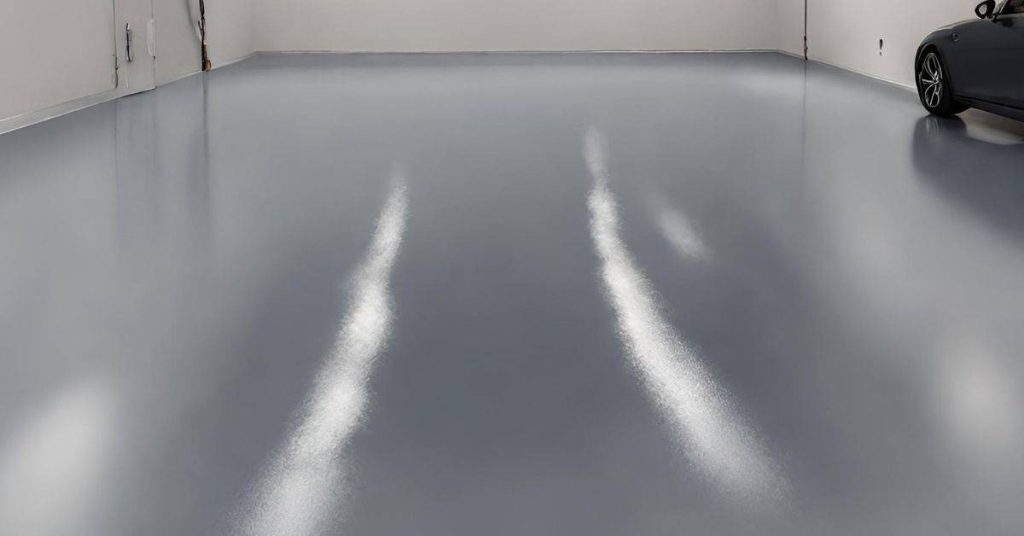
Smooth grey epoxy-coated concrete floor in garage

Anchor bolts in concrete that landed wrong: drill-and-epoxy fixes and layout prevention

Introduction Anchor bolts misinstalled in concrete can be repaired with drill-and-epoxy fixes and better planning for layout. The goal is to restore hold and align the bolts without overcomplicating the job. This approach keeps the work practical and repeatable in real-world settings. Start by cleaning the holes and surrounding concrete to remove dust and debris.

Anchor bolts in concrete that landed wrong: drill-and-epoxy fixes and layout prevention Read More »