Search Results for: curing

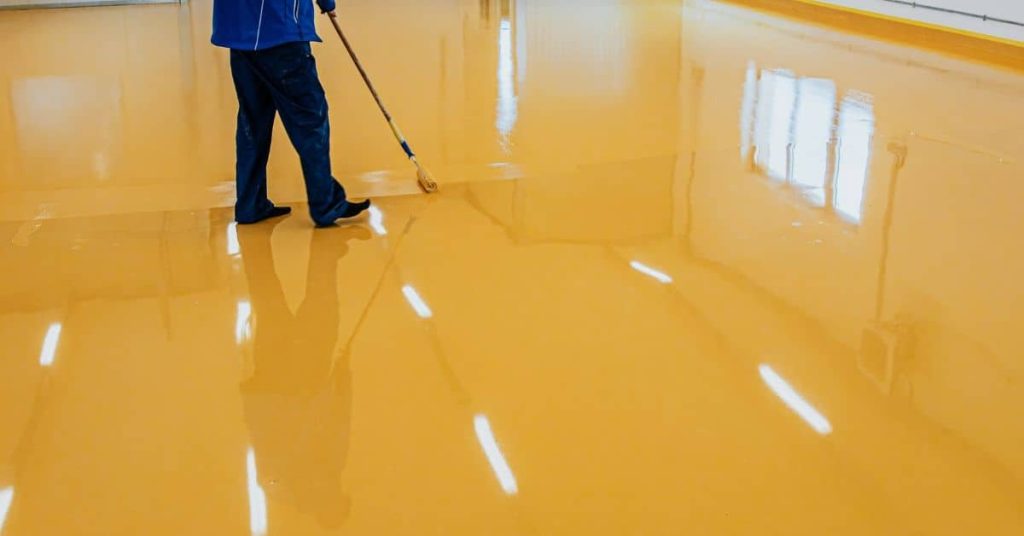
Person applying yellow epoxy coating on floor with roller

Anti-Static Floor Coatings: When They Matter in Workshops and DIY Limits

Introduction Anti-static floor coatings are coatings that reduce static electricity buildup on concrete floors. In a workshop or DIY space, they help prevent shocks and protect sensitive tools. Choose a coating that suits foot traffic and cleaning needs, and follow the label for surface prep. Before applying, test the concrete for moisture and cleanliness, and […]

Anti-Static Floor Coatings: When They Matter in Workshops and DIY Limits Read More »

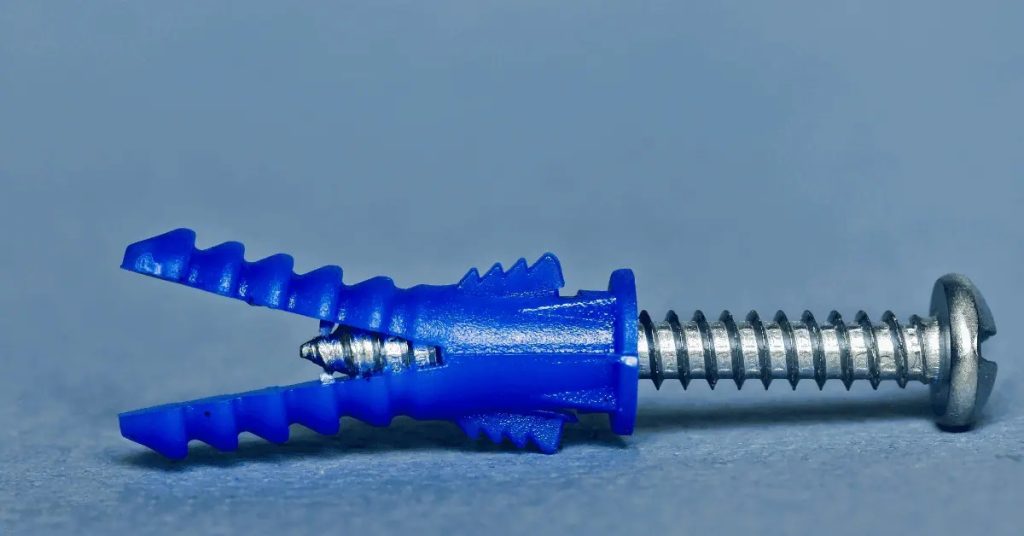
Blue plastic drywall anchor with metal screw on gray surface

Epoxy Anchor Failure Modes: Dirty Holes, Wet Holes, and Wrong Cure Temperature

Introduction Epoxy anchor failure happens when the hole is dirty, wet, or the cure temperature is off. In real job sites, debris, moisture, or the wrong curing conditions keep the epoxy from bonding to the concrete. That shows up as low pullout, hairline cracks, or anchors that spin. Always clean the hole, dry it, and

Epoxy Anchor Failure Modes: Dirty Holes, Wet Holes, and Wrong Cure Temperature Read More »

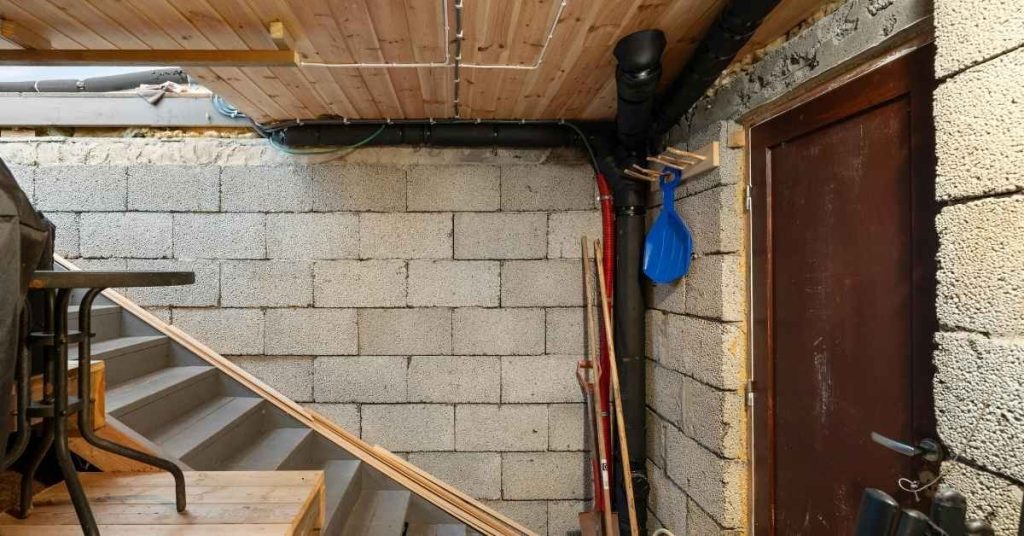
unfinished basement with concrete block walls wooden ceiling and stairs

Setting Anchors in Hollow Block: Screens, Injection, and Pullout Reality

Introduction Anchoring in hollow block means securing fasteners or anchors into hollow concrete masonry units so they can hold a load. In practice, you choose a method based on the block’s hollow cores and what you’re anchoring. This article explains the hands-on steps, what to expect, and how to tell if an anchor is set

Setting Anchors in Hollow Block: Screens, Injection, and Pullout Reality Read More »

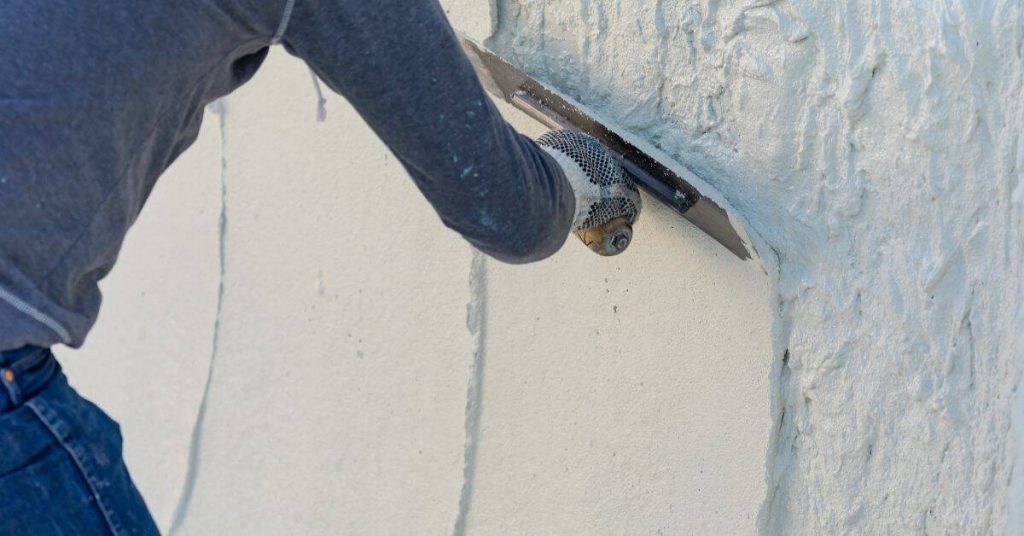
Person applying stucco texture on exterior wall

Running Exterior Cables on Stucco: Straps, Anchors, and Waterproof Penetrations

Introduction Running exterior cables on stucco involves securing the cable with appropriate straps or anchors and sealing any penetrations to keep moisture out. Do it with care, choosing hardware rated for outdoor use and compatible with stucco surfaces. Plan routes and clean the surface before mounting to avoid damage and ensure solid footing. Types of

Running Exterior Cables on Stucco: Straps, Anchors, and Waterproof Penetrations Read More »

blue stucco wall with textured surface and corner detail

Stucco Around Hose Bibs: Repairing Cracked Sealant and Adding a Proper Sleeve

Introduction This article shows you how to repair cracked stucco around a hose bib and add a proper water sleeve when you replace the sealant. You’ll remove the old cracked sealant, inspect the bib, and install a sleeve before the new stucco and sealant go in. It’s a hands-on, practical repair you can tackle with

Stucco Around Hose Bibs: Repairing Cracked Sealant and Adding a Proper Sleeve Read More »

Hands using pliers to pull wire from wall socket opening

Repairing Plaster After Removing Tile: Flattening, Bonding, and Preventing Future Cracks

Introduction Repairing plaster after removing tile means leveling the wall, applying a bonding layer, and getting it ready for plaster. Start by cleaning the surface, removing tile film, and filling any gouges or ridges to create a flat base. Then identify high spots and plan to flatten them with gentle passes and proper feathering of

Repairing Plaster After Removing Tile: Flattening, Bonding, and Preventing Future Cracks Read More »

White decorative plaster molding on wall and ceiling corners

Repairing Plaster at Crown Molding Lines: Keeping Shadow Lines Sharp

Introduction Repairing plaster at crown molding lines means restoring damaged plaster so the shadow line stays sharp. You’ll look for cracks, chips, or loose edges where the molding meets the wall. Addressing these spots carefully keeps the line from looking soft or uneven. Start by cleaning and dampening the area, then remove loose material and

Repairing Plaster at Crown Molding Lines: Keeping Shadow Lines Sharp Read More »

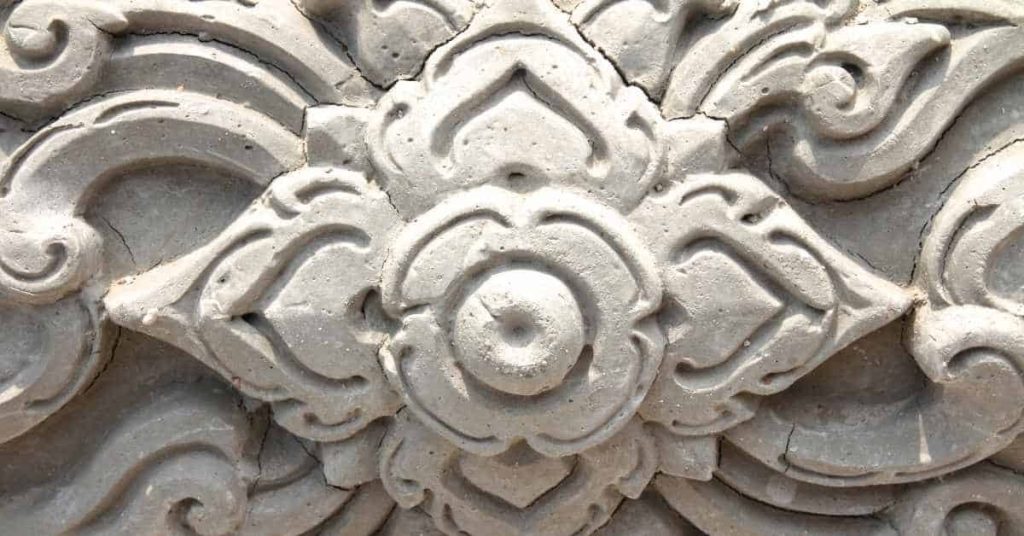
Decorative plaster floral relief with visible cracks

Fixing Plaster Cracks Above Doorways: Stress Relief Cuts and Reinforcement Choices

Introduction Stress-relief cuts and reinforcement help fix plaster cracks above doorways by reducing tension and adding support. I’ll show you how to identify the crack pattern and decide if you need cuts, mesh, or patching compound. This is a hands-on job you can do with common tools, but check your plaster type and any local

Fixing Plaster Cracks Above Doorways: Stress Relief Cuts and Reinforcement Choices Read More »