Search Results for: curing

Large precast concrete walls supported by steel braces at construction site

Concrete Anchor Layout for Wall Plates: Spacing, Edge Distance, and Fixing Misplaced Holes

Introduction Concrete anchor layout for wall plates means placing anchors in concrete at proper spacing and edge distance to securely fasten wall plates. Do not guess—measure and follow the fastener manufacturer’s guidance and any local rules, then plan spacing that keeps edges solid and the plate level. This article gives a plain‑language look at how […]
Concrete Anchor Layout for Wall Plates: Spacing, Edge Distance, and Fixing Misplaced Holes Read More »

Hands in blue gloves spraying and wiping white wall with cloth

How to Remove Ice Melt Residue Before Resealing: Cleaning Without Etching

Introduction Removing ice melt residue after sealing is cleaning concrete surfaces without etching the finish. Use a non-acid cleaner and plenty of clean water, and work from the edges toward the center to avoid spreading residue. Test a small area first and scrub gently with a soft brush, then rinse well. Look for signs of

How to Remove Ice Melt Residue Before Resealing: Cleaning Without Etching Read More »

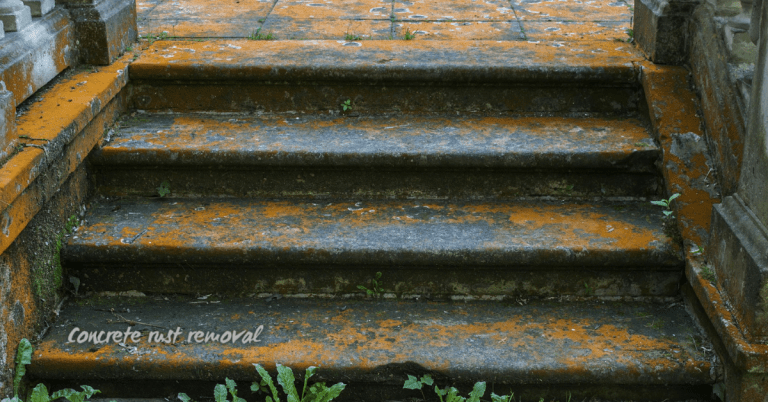
Concrete steps with orange rust stains and some plants growing

DIY Salt Damage Prevention for Steps: Pre-Winter Sealer Checks and Drainage Tweaks

Introduction Salt damage prevention for steps means preparing concrete stairs to resist freeze-thaw and salt exposure before winter. This involves inspecting surfaces, cleaning debris, and checking the edge seals so water and salt don’t penetrate. Keep an eye on cracks or chips and plan resealing if you spot trouble. Before the cold sets in, look

DIY Salt Damage Prevention for Steps: Pre-Winter Sealer Checks and Drainage Tweaks Read More »

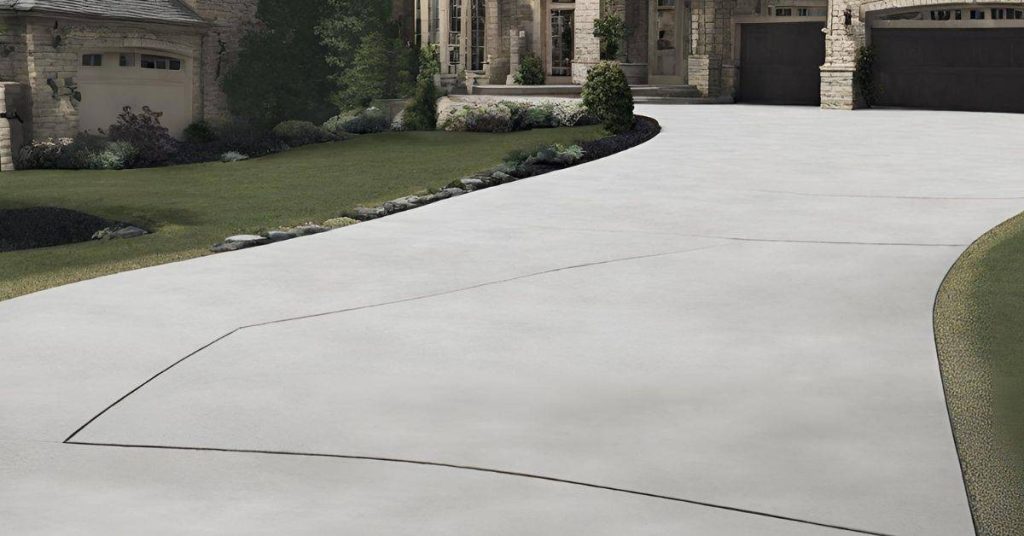
Smooth concrete driveway in front of residential garages

Sealing Concrete With High Moisture: Systems That Tolerate Vapor (and Common Myths)

Introduction Sealing concrete with high moisture means choosing systems that can protect the surface while allowing water vapor to escape. This is not about making a completely watertight barrier, but about selecting materials and methods that tolerate damp conditions. In practice, you’ll look for products and application plans that address vapor transmission and moisture management.

Sealing Concrete With High Moisture: Systems That Tolerate Vapor (and Common Myths) Read More »

Glossy reflections on a dark epoxy-coated floor surface

Spot-Sealing Stains: How to Avoid ‘Shiny Islands’ on Matte Sealers

Introduction Spot-sealing stains are the shiny patches that can appear on a matte sealer after applying it. They usually form where the stain or moisture drew the sealer unevenly. In this guide we’ll keep things practical and show how to prevent those islands from showing up. To avoid them, work in small, controlled areas and

Spot-Sealing Stains: How to Avoid ‘Shiny Islands’ on Matte Sealers Read More »

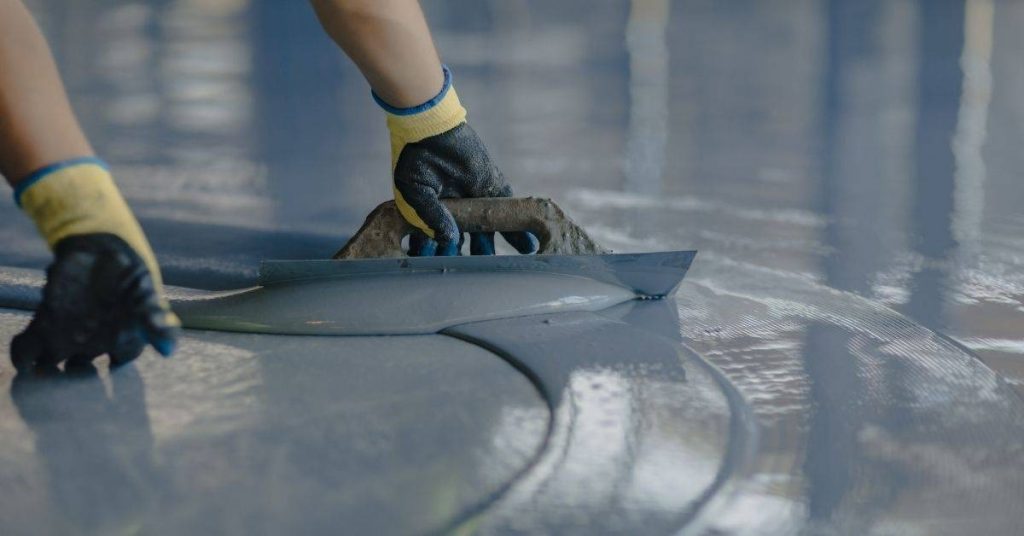
Hands wearing gloves smoothing gray epoxy on floor with trowel

DIY Epoxy Patch on a Garage Floor: Feathering Edges and Matching Gloss Without a Halo

Introduction An epoxy patch is a DIY repair that fills a damaged garage floor and blends it into the surrounding concrete. You’ll feather the edges so the repair tapers into the floor, and aim for a consistent sheen to avoid a noticeable halo. Check manufacturer instructions for cure times, prep steps, and recommended products. This

DIY Epoxy Patch on a Garage Floor: Feathering Edges and Matching Gloss Without a Halo Read More »

Man kneeling fixing a toilet with tools nearby

Fixing ‘Hot Tire Pickup’ Without Recoating Everything: Cleaning and Spot Repair Options

Introduction Hot tire pickup is tire marks on a cured floor coating that you can treat with cleaning and spot repair instead of recoating. This approach focuses on removing the stain and restoring gloss in the affected area. It avoids the hassle and cost of a full recoat, but you still need to follow safe,

Fixing ‘Hot Tire Pickup’ Without Recoating Everything: Cleaning and Spot Repair Options Read More »

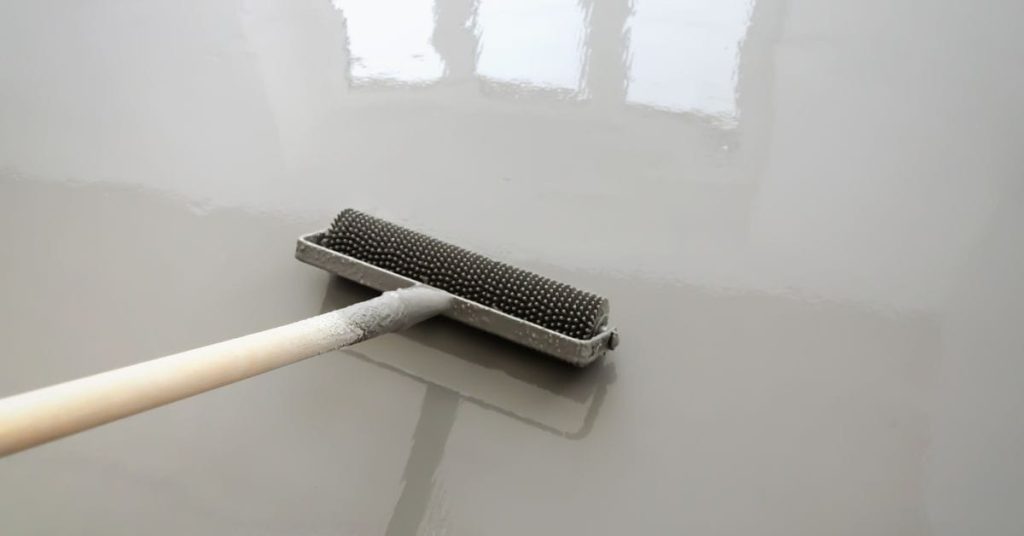
Paint roller with textured surface applying coating on floor

Flake Floor Topcoat Orange Peel: Roller Choice, Pot Life, and Temperature Effects

Introduction Flake Floor Topcoat Orange Peel is a textured coating finish created by rolling to leave small pits in the surface. Choose a roller with a short nap and a smooth frame, and test small areas to see how the texture lands. Apply in even coats and follow the manufacturer’s guidance for drying and cure

Flake Floor Topcoat Orange Peel: Roller Choice, Pot Life, and Temperature Effects Read More »

Person using a handheld electric sander on drywall

How to Fix Bubbles in Polyaspartic: Sanding Windows and Recoat Strategy

Introduction Bubbles in polyaspartic coatings are pockets of trapped air or solvent that form during application and cure. This guide gives a practical, DIY approach to sanding those bubbles smooth and planning a follow-up coat. Always check your product label and local rules before starting. Sanding around windows helps blend the repair so the new

How to Fix Bubbles in Polyaspartic: Sanding Windows and Recoat Strategy Read More »

Person wearing dusty work boots standing on exposed wooden floor joists

Polyaspartic That Sets Too Fast: Staging Your Work to Avoid Lap Marks

Introduction When a polyaspartic coating sets too fast, you lose time to blend edges and fix lap marks. Staging your work means breaking the job into smaller batches so you can maintain a wet edge and avoid visible seams. This article gives practical, hands-on tips you can apply at the jobsite. Factors like temperature, humidity,

Polyaspartic That Sets Too Fast: Staging Your Work to Avoid Lap Marks Read More »