Search Results for: crack

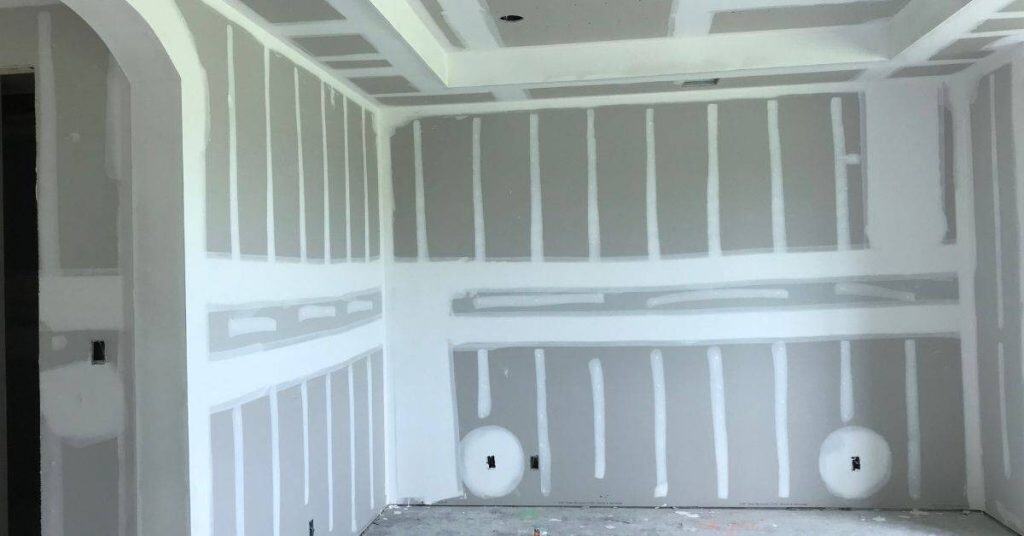
Unfinished room with drywall and joint compound applied on seams

Plaster Vs Joint Compound: Which Material Belongs in Which Repair

Introduction Plaster is a cement-based finish applied in a thick coat that hardens into a solid surface. Joint compound is a gypsum-based filler designed for walls and seams. For repairs, choose plaster on traditional, solid surfaces and use joint compound for drywall patches and quick fixes. In practice, match the material to the repair and […]

Plaster Vs Joint Compound: Which Material Belongs in Which Repair Read More »

Workers applying fresh stucco to exterior wall

How to Add a Control Joint to Existing Stucco (Is It Possible?)

Introduction Yes, you can add a control joint to existing stucco by creating a defined break and backing it with proper trim to control cracking. Key takeaways Assess stucco condition and substrate integrity before planning any control joint. Identify joint type (pre-molded, formed, or saw-cut) suitable for existing stucco. Gather tools: chisel, grinder with diamond

How to Add a Control Joint to Existing Stucco (Is It Possible?) Read More »

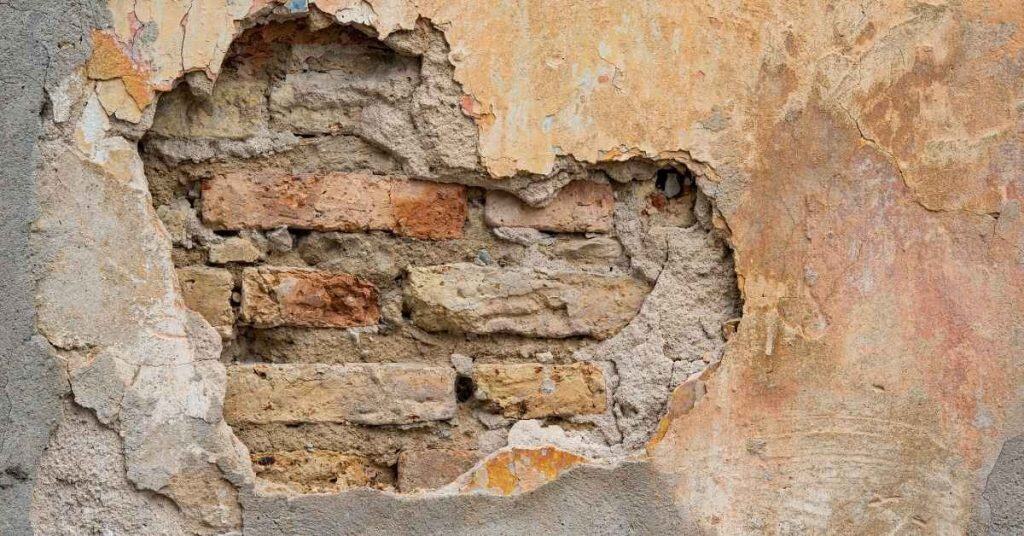
Damaged stucco with hollowed areas exposing brick underneath

How to Fix Loose or Hollow-Sounding Stucco (Delamination Repair)

Introduction Delamination in stucco occurs when the outer stucco layer loses its bond to the underlying substrate, creating a hollow or tinny sound when tapped. Visually, you’ll see cracks, bubbling, or patches that feel loose or wiggle under pressure. That combination signals a likely delamination that needs closer inspection. To assess it, gently probe suspected

How to Fix Loose or Hollow-Sounding Stucco (Delamination Repair) Read More »

Metal hose bib mounted on textured stucco wall

How to Repair Stucco Holes Around Pipes, Lights, and Hose Bibs

Introduction Repairing stucco holes around pipes, lights, and hose bibs means patching and sealing the open gaps in the exterior surface so water can’t seep in. Identify what caused the hole and what material surrounds it, since different hole types call for different patching approaches. Choose a cement-based patch that fits the hole type and

How to Repair Stucco Holes Around Pipes, Lights, and Hose Bibs Read More »

close-up of white textured stucco wall surface

How to Identify Your Stucco Type (Traditional, Acrylic, Eifs) Before Repairing

Introduction Identifying your stucco type means distinguishing traditional cement or lime-based stucco from acrylic and EIFS. Traditional stucco is usually cement-based, acrylic uses polymers, and EIFS adds an insulated finish. Check the surface feel, appearance, and any labeling to confirm the type before starting repairs. Have the right tools and materials on hand, including scrapers,

How to Identify Your Stucco Type (Traditional, Acrylic, Eifs) Before Repairing Read More »

Hand with glove applying stucco using metal trowel on wall

Stucco System Breakdown: 3-Coat Vs 1-Coat Vs Eifs (What You’re Actually Getting)

Introduction Three-coat stucco is the traditional layered plaster finish built up in separate coats over a lath or substrate. In practical terms, it yields a durable, textured look when done right. It’s labor intensive and relies on proper substrate prep, mixing, and careful control of cracking and finish work. One-coat systems combine base and finish

Stucco System Breakdown: 3-Coat Vs 1-Coat Vs Eifs (What You’re Actually Getting) Read More »

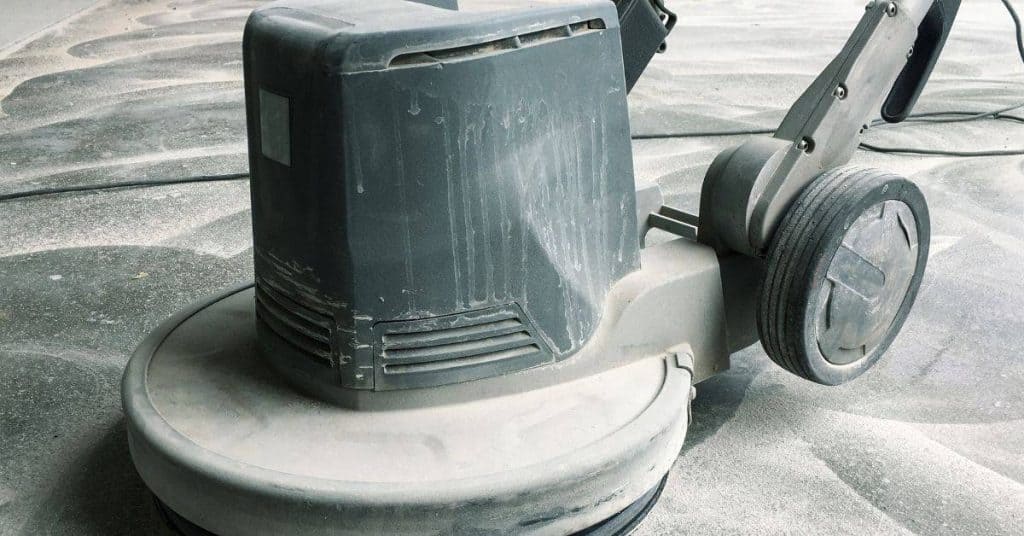
Close-up of a concrete floor grinding machine

How to Cure Concrete with Plastic Sheeting Without Leaving Blotches

Introduction Plastic sheeting can keep concrete moist and prevent blotchy curing. This method works by sealing out drafts and rain while letting the surface stay damp. It’s a simple DIY trick you can do right after pour, as long as you follow safety and manufacturer guidance. Protecting fresh concrete from rain and wind should start

How to Cure Concrete with Plastic Sheeting Without Leaving Blotches Read More »