Search Results for: crack filler mortar pump

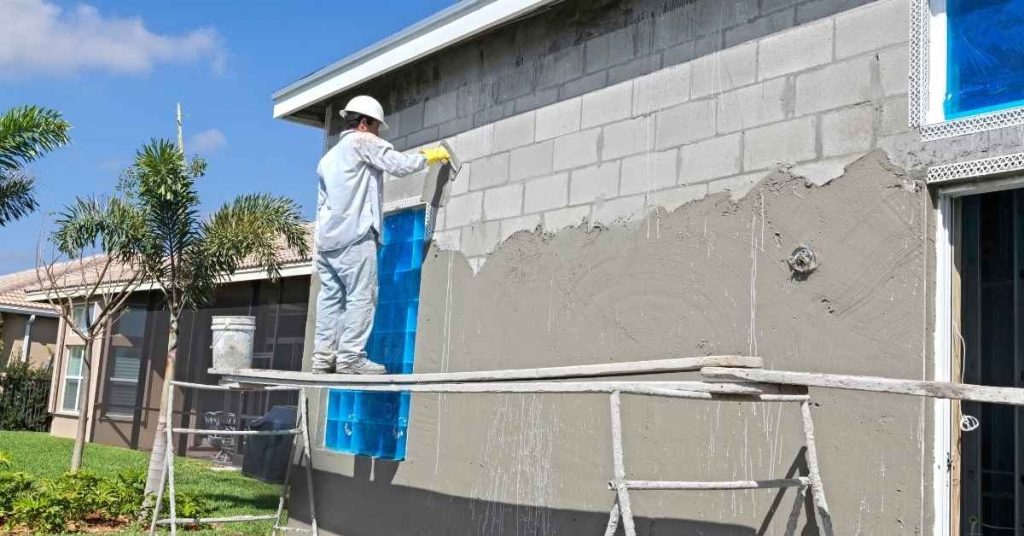
Worker applying stucco on cinder block wall outdoors

Parging vs stucco on block: prep, bonding, and avoiding delamination

Introduction Parging and stucco are two surface finishes for block walls, with parging being a thin cement-based coating and stucco a thicker, textured layer. Both aim to prevent moisture intrusion and create a smooth or textured exterior. The article compares prep, bonding, and how to avoid delamination in each method. Surface prep should start with […]

Parging vs stucco on block: prep, bonding, and avoiding delamination Read More »

Person using power drill on composite deck boards

Waterproofing block foundations: coatings vs membranes vs drainage boards

Introduction Waterproofing block foundations means choosing between coatings, membranes, or drainage boards to keep moisture from entering the structure. Coatings seal the surface, membranes create a continuous barrier, and drainage boards help direct water away from the wall. Think about how water will contact the wall and what prep is needed before any product is

Waterproofing block foundations: coatings vs membranes vs drainage boards Read More »

Three different paintbrushes in a blue denim pocket

Stucco texturing tools and patterns: how to replicate dash, lace, and sand finishes

Introduction Stucco texturing tools and patterns refer to the tools and methods used to create dash, lace, and sand finishes on stucco surfaces. This introduction explains how different textures are achieved and what to expect during a DIY application. Start by checking local rules and manufacturer instructions for surface prep and safety. The article covers

Stucco texturing tools and patterns: how to replicate dash, lace, and sand finishes Read More »

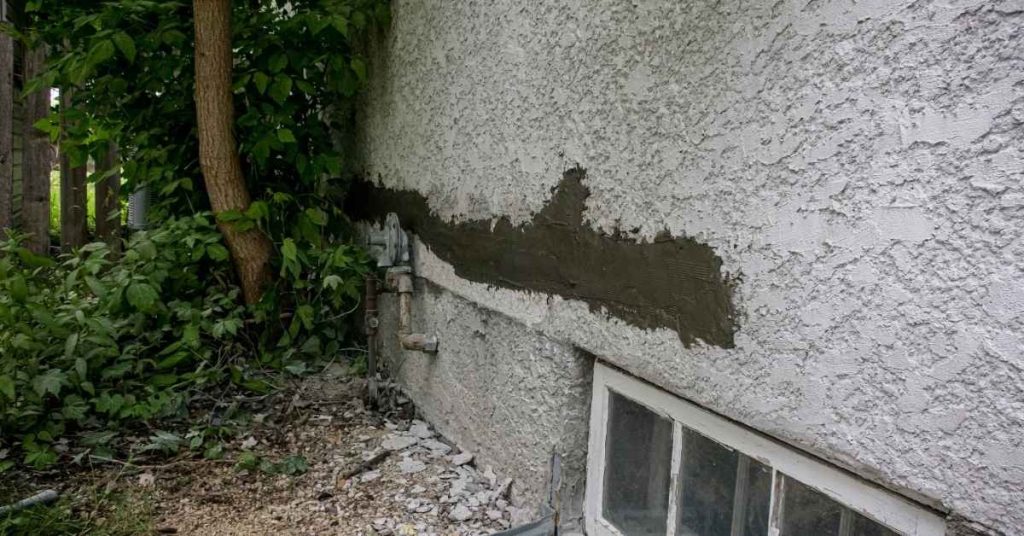
Stucco wall with fresh dark patch repair near window and vegetation

Stucco patch blends that don’t ‘picture frame’: sand matching, fog coats, and feather technique

Introduction Stucco patches can blend in by matching the sand texture, applying a light fog coat, and feathering the edges to disappear. This approach focuses on how the repair looks from close up and at a distance, not on replacing the entire wall. It’s a practical, hands-on method for making repairs less noticeable. Start by

Stucco patch blends that don’t ‘picture frame’: sand matching, fog coats, and feather technique Read More »

Unfinished multi-story concrete building structure outdoors

Self-leveling overlays on concrete: dams, primers, and stopping pinholes and ripples

Introduction Self-leveling overlays are pourable surface toppings designed to flow into low spots and produce a flat, smooth concrete surface. They rely on proper surface preparation, containment dams at edges, and primer or bond agents to promote adhesion. Always follow the material manufacturer’s instructions for mixing, compatibility with the concrete, and cure requirements. Before you

Self-leveling overlays on concrete: dams, primers, and stopping pinholes and ripples Read More »

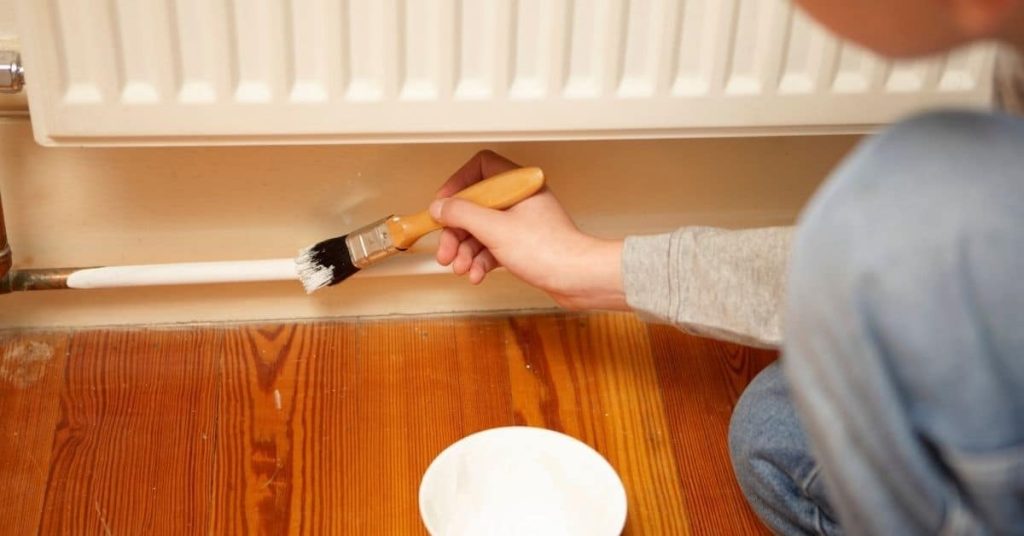
Person painting a metal pipe white near wooden floor and radiator

Painting Over Chalky Fiber Cement: Cleaning Thresholds and Primer Choices

Introduction Painting over chalky fiber cement means you must remove, neutralize, and prime a rough, powdery surface before any paint sticks. Rinse and scrub the surface to remove chalk, dust, and debris. Choose a primer that keys to the chalky layer and a weatherproof topcoat, and follow label directions. Watch for signs like flaking, chalking,

Painting Over Chalky Fiber Cement: Cleaning Thresholds and Primer Choices Read More »

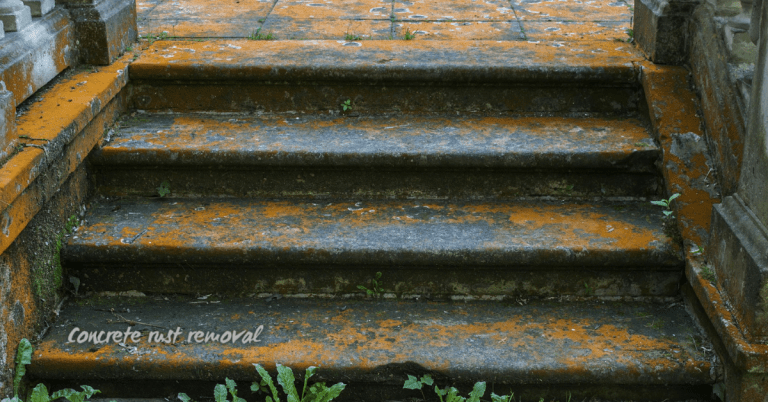
Concrete steps with orange rust stains and some plants growing

DIY Salt Damage Prevention for Steps: Pre-Winter Sealer Checks and Drainage Tweaks

Introduction Salt damage prevention for steps means preparing concrete stairs to resist freeze-thaw and salt exposure before winter. This involves inspecting surfaces, cleaning debris, and checking the edge seals so water and salt don’t penetrate. Keep an eye on cracks or chips and plan resealing if you spot trouble. Before the cold sets in, look

DIY Salt Damage Prevention for Steps: Pre-Winter Sealer Checks and Drainage Tweaks Read More »

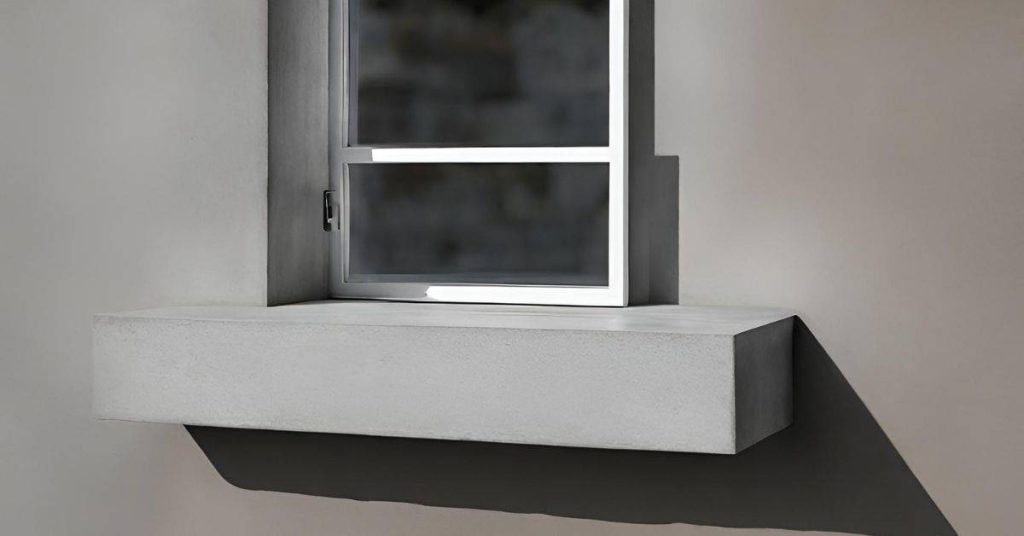
open window above wide concrete window sill casting shadow

Waterproofing Cast Concrete Fountains and Birdbaths: Coatings vs Liners and Maintenance

Introduction Waterproofing cast concrete fountains and birdbaths means choosing a method to keep water from leaking through the concrete. You can use coatings or liners, and each has its own pros for DIY setup and long-term maintenance. Check the product instructions and local rules to confirm compatibility with your concrete, climate, and any decorative finishes.

Waterproofing Cast Concrete Fountains and Birdbaths: Coatings vs Liners and Maintenance Read More »

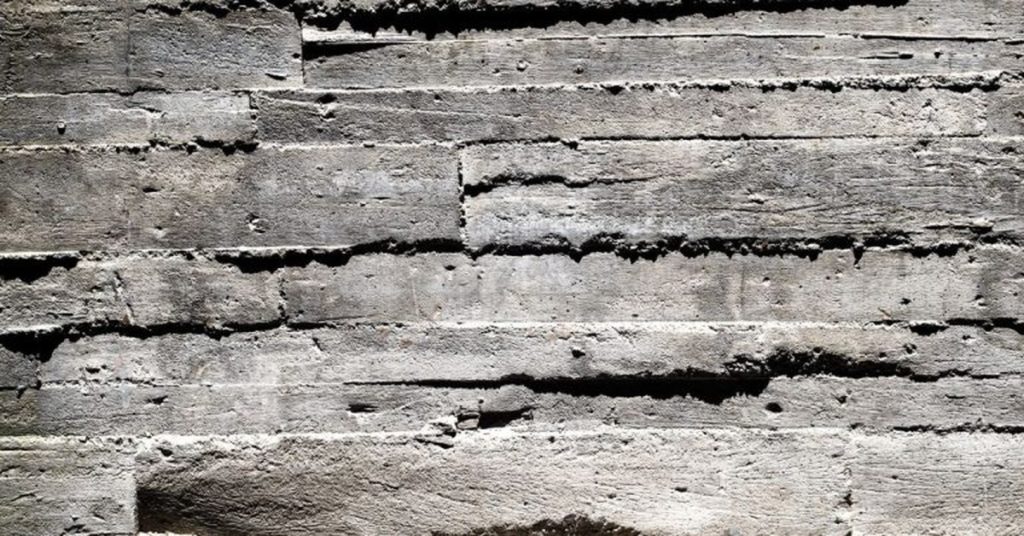
Close-up of rough concrete wall with wood formboard texture

Hydrated Lime in Concrete Mixes: Workability, Finish, and Strength Effects

Introduction Hydrated lime is a dry powder added to concrete to adjust texture and binding. In DIY mixes, it can improve workability and long-term texture, but it also changes setting behavior. Check the product label and local guidelines before use. It can influence finish quality and how smoothly you can trowel or pour. Lime affects

Hydrated Lime in Concrete Mixes: Workability, Finish, and Strength Effects Read More »

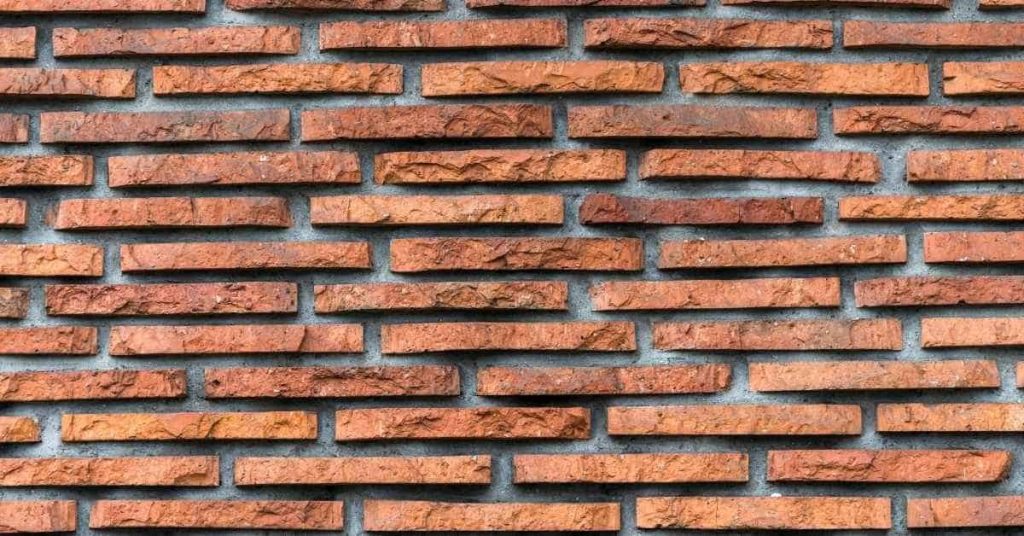
Close-up of thin red brick wall pattern with mortar joints

Overlay Thickness Rules: How thin overlays fail and what lasts outdoors

Introduction Overlay thickness rules determine how thin overlays will perform outdoors. If you go thinner than recommended, they can crack, delaminate, or wear away quickly. Always check the product label and local rules, and follow the manufacturer’s guidance for your climate and substrate. There are several overlay types you might consider, from micro-toppings to self-leveling

Overlay Thickness Rules: How thin overlays fail and what lasts outdoors Read More »